




To clean an Android phone safely, power it off first and use a soft, lint-free microfiber cloth on the outside, keeping all liquids and cleaning products away from openings like the charging port. This routine removes dirt, smudges, and lint without risking damage to your device’s screen, body, or charging capability.
Preparing for cleaning
- Power off the device. This prevents accidental touches and protects internal components during cleaning.
- Backup important data before cleaning, in case anything goes wrong during the process.
- Read the manufacturer's instructions or phone manual for any specific cleaning instructions or warnings, as different phone models may have different requirements.
- Remove the phone case and any accessories so you can reach every surface.
- Gather a soft, lint-free microfiber cloth. Avoid paper towels, abrasive cloths, or harsh chemicals.
Cleaning the screen
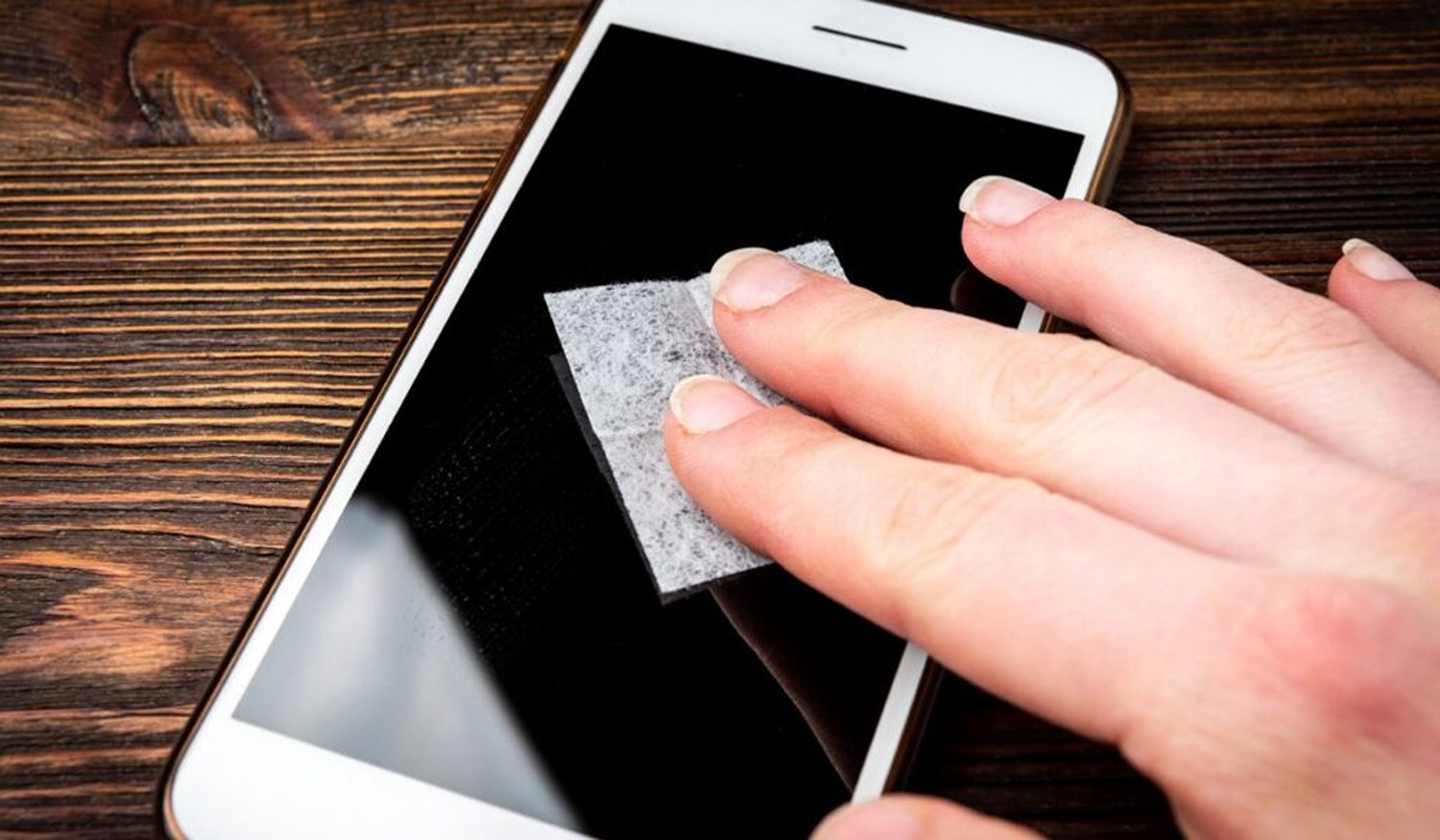
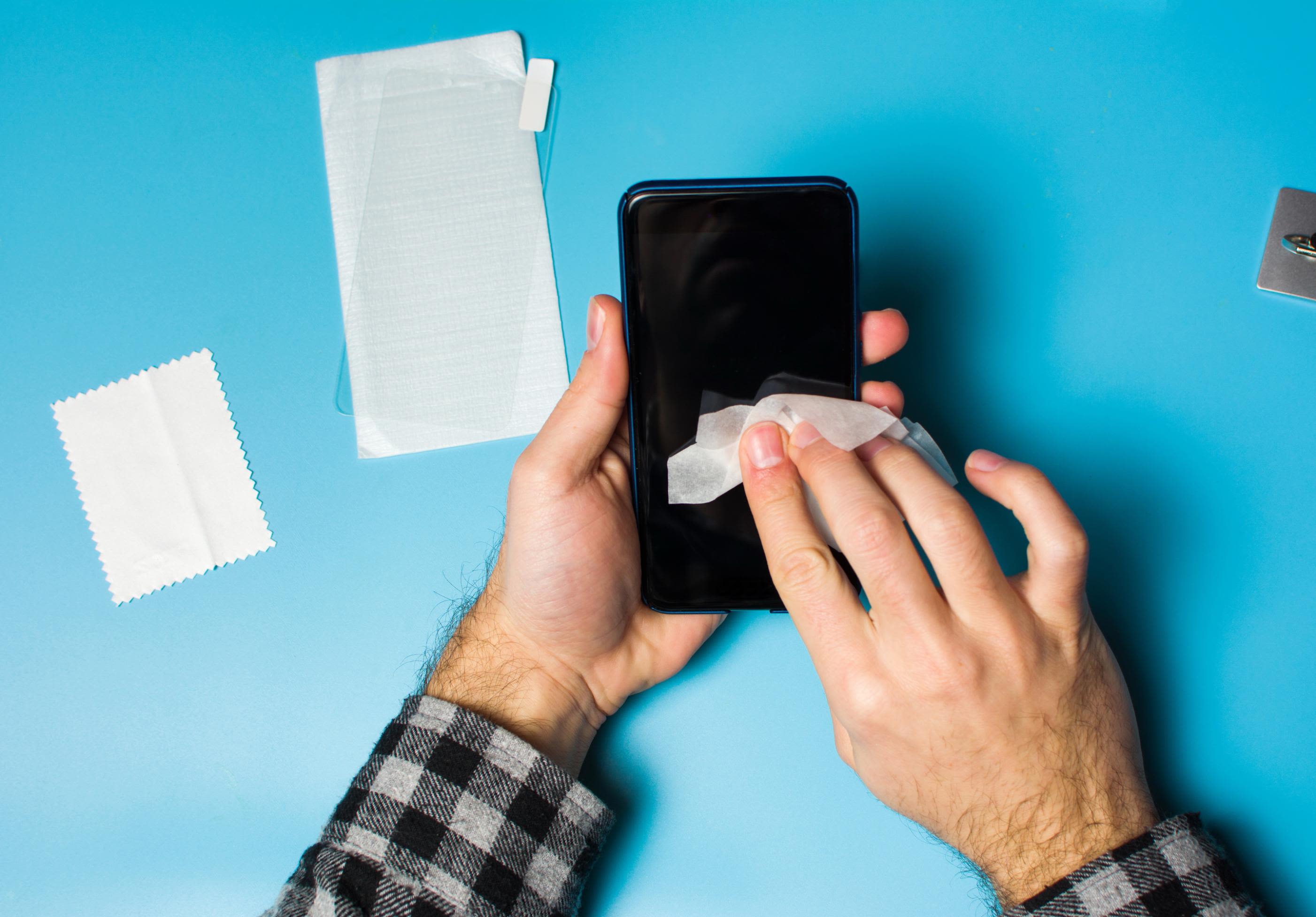
Use a soft, slightly damp, lint-free cloth to wipe the screen, then dry it immediately with a dry lint-free cloth. Keep moisture strictly out of openings such as the charging port and earphone jack. Do not use cleaning products or liquids on internal connectors. Use a soft-bristled brush to gently scrub areas with stubborn smudges or sticky residue on the screen. Consider applying a screen protector to prevent future dirt and fingerprints, as they are easier to clean than the phone's actual screen.
Cleaning the body of the phone
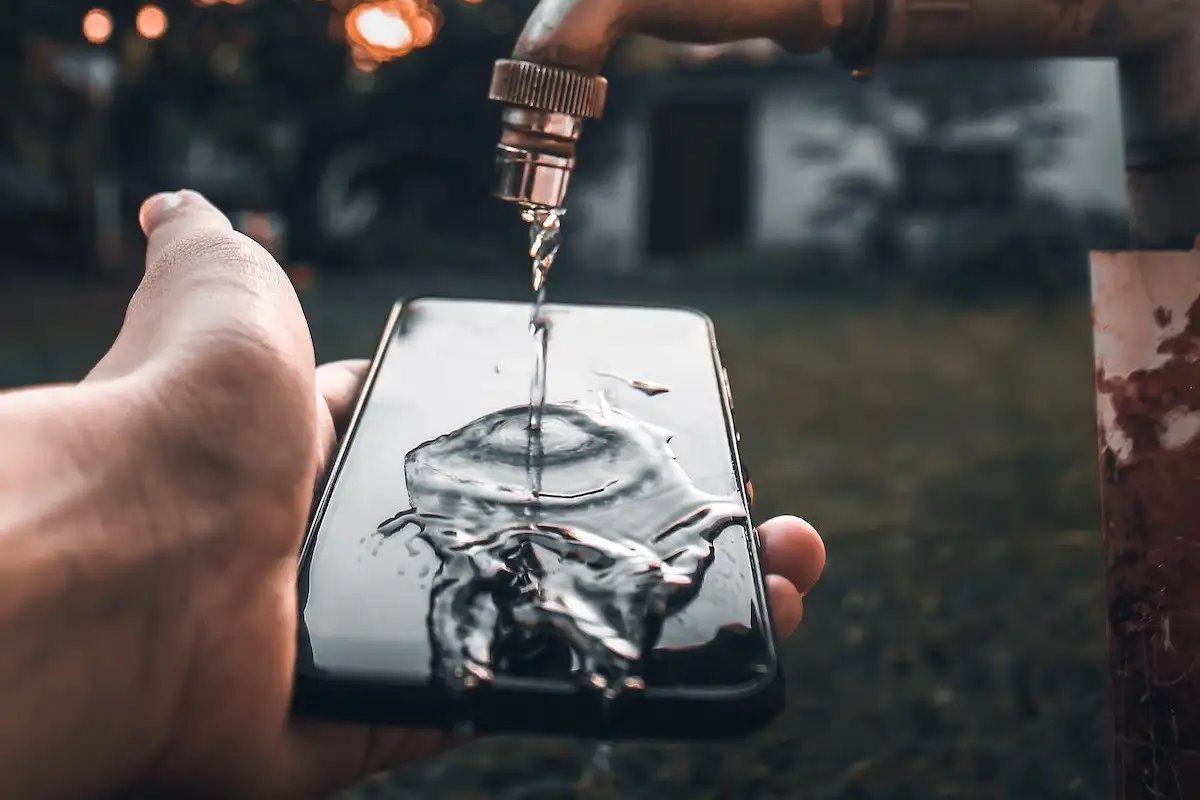
Wipe all exterior surfaces with a soft, lint-free cloth. Avoid getting moisture or disinfectant in any openings, including the charging port and speaker grille. For stubborn spots, dampen the cloth slightly with water, but wring it out well before wiping. Use a soft-bristled toothbrush or a clean, dry cotton swab to gently remove dirt or debris from ports and buttons on the body. Isopropyl alcohol can be used on a cotton swab or cloth to gently wipe the phone's body surface to remove stubborn stains and disinfect. Clean the camera lens with a microfiber cloth or lens cleaning wipes to remove smudges or dust for clear photos and videos.
Cleaning the charging port
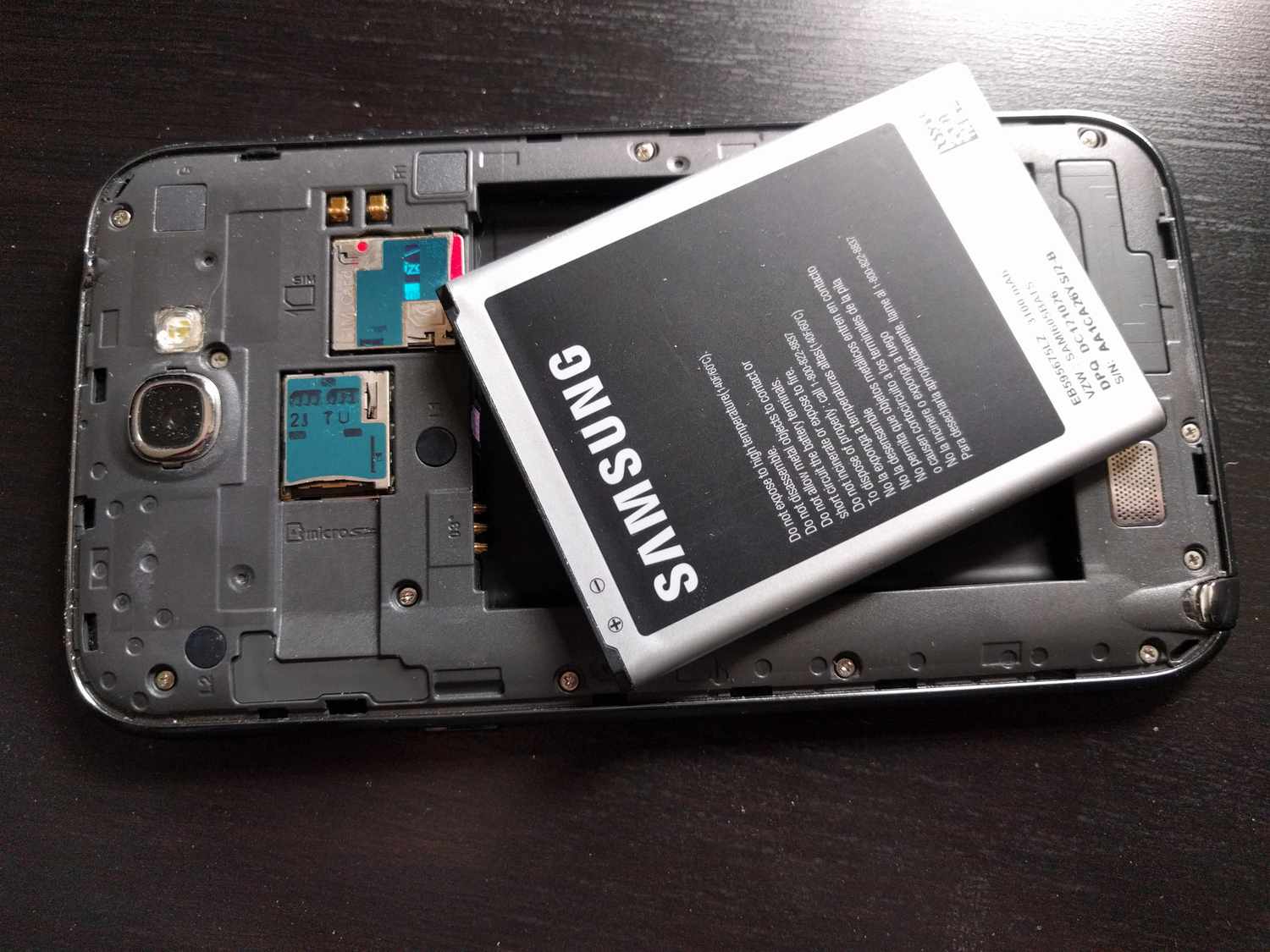
- Power off the device and use a flashlight to inspect the port for lint, dust, corrosion, or loose/damaged pins.
- If visible debris is present, use a toothpick to gently scrape off visible dirt or debris from the charging port, being extremely careful not to damage the pins.
- If the port remains clogged, take it to a professional for cleaning.
Do not use compressed air, cotton swabs, paper towels, or any liquids in the charging port. These can damage internal connectors and void warranties. Allow the charging port to dry completely after cleaning before plugging in the charger to prevent moisture damage.
Keeping your Android phone clean
Develop simple recurring habits: wipe the screen and body regularly with a dry microfiber cloth, and avoid using the phone with dirty hands. Regularly clean your phone case by removing it and washing it with mild soap and water to prevent grime transfer back to the phone. Restart your phone at least once a week to clear temporary files and processes, helping to keep it running smoothly. For thorough care, follow a guide on cleaning phone cases and grips to prevent transferring grime back to your device.
Frequently Asked Questions
Can compressed air be used to clean the charging port?
No. Official guidance from Apple warns against using compressed air in the Lightning connector, and Samsung’s instructions specify only gentle blowing into the port. Compressed air can force debris deeper or damage internal parts.
Can I use disinfectant on my Android phone?
Samsung advises avoiding disinfectant in openings such as the charging port, and Apple says not to use liquids or cleaning products on internal connectors. For the exterior, a slightly damp microfiber cloth is safest.
What should I do if the charging port is still clogged after gentle blowing?
Take the device to a professional for cleaning. Samsung’s support pages state that if the port remains clogged, it should be handled by a service technician to avoid damage.
Related reading: How To Clean A Screen Protector.