



The Symbian operating system was the dominant smartphone platform of the 2000s, built on the Psion/EPOC lineage and later driven primarily by Nokia. It defined the pre-iPhone smartphone era with strong multitasking and native app support, but was ultimately pushed aside as iPhone and Android reset user expectations around touchscreens, modern web browsing, and app ecosystems.
What was the Symbian operating system?
Symbian OS was a major smartphone operating system that grew out of Psion's EPOC software. Formed as a joint venture between Nokia, Motorola, and Sony Ericsson in 1998, it became the most widely used smartphone platform of its time. By 2006, it held a 67% global market share. Nokia ended support and maintenance for Symbian on 1 January 2014, and stopped accepting new or changed Symbian software from developers at that point.
History of Symbian OS
Symbian Ltd was founded in 1998 when Psion Software became a joint venture between phone manufacturers Nokia, Motorola, and Sony Ericsson. The operating system had no major competitors at launch; Palm OS and Windows Mobile existed but were not as popular. Symbian's market share grew steadily, reaching 67% by 2006, making it the dominant smartphone platform before iPhone and Android arrived.
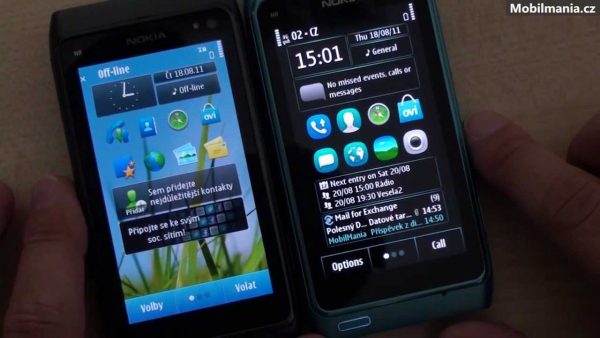
Symbian features and technical strengths
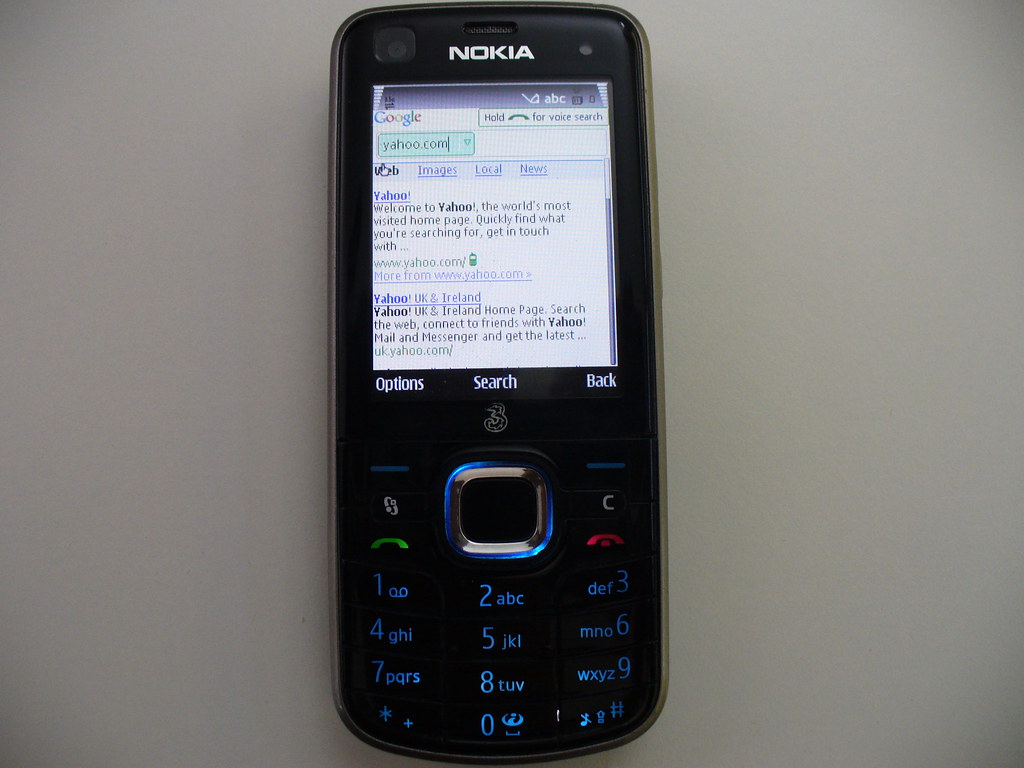
Symbian supported multitasking and native applications, and was designed to run across devices with very different hardware profiles. It also supported Java applications and had a scalable architecture for different device classes. The OS was known for battery efficiency and for running on both keypad phones and larger-screen devices. Symbian was the first mobile platform to use WebKit, starting in June 2005; Symbian^3 and earlier had a built-in WebKit-based browser. Some older models used Opera Mobile as the default browser. The current Symbian release supports 48 languages.
User interface fragmentation: S60, UIQ, and more
Symbian did not have one single user interface. Multiple interfaces ran on top of the OS, including S60, S80, S90, and UIQ. S60 was specifically designed to be used for a keyboard-based device. Touch-oriented Symbian UIs existed, but they were generally stylus-based rather than multitouch-based. This fragmentation is repeatedly cited as one of the platform's weaknesses, preventing it from scaling further and discouraging third-party developers as touch-centric competitors emerged.
App development on Symbian
Symbian development used complex native programming languages such as Symbian C++ and OPL. Nokia moved its app strategy toward Qt and HTML5 for Symbian and MeeGo in 2010. Nokia currently advises developers to use the UI and scripting framework Qt Quick with QML, allowing them to create rich touchscreen interfaces. Python can be used to develop apps, as well as Java ME or Adobe Flash Lite. Symbian development supports MeeGo, Maemo, Windows, Linux, and Mac OS X. By January 2014, Nokia had stopped accepting new or changed Symbian applications and had ended Symbian Signed certification. The native programming languages and the OS itself were very complex, and IDEs and SDKs were extremely high-priced, which was detrimental to small and independent developers.
Devices that used Symbian OS
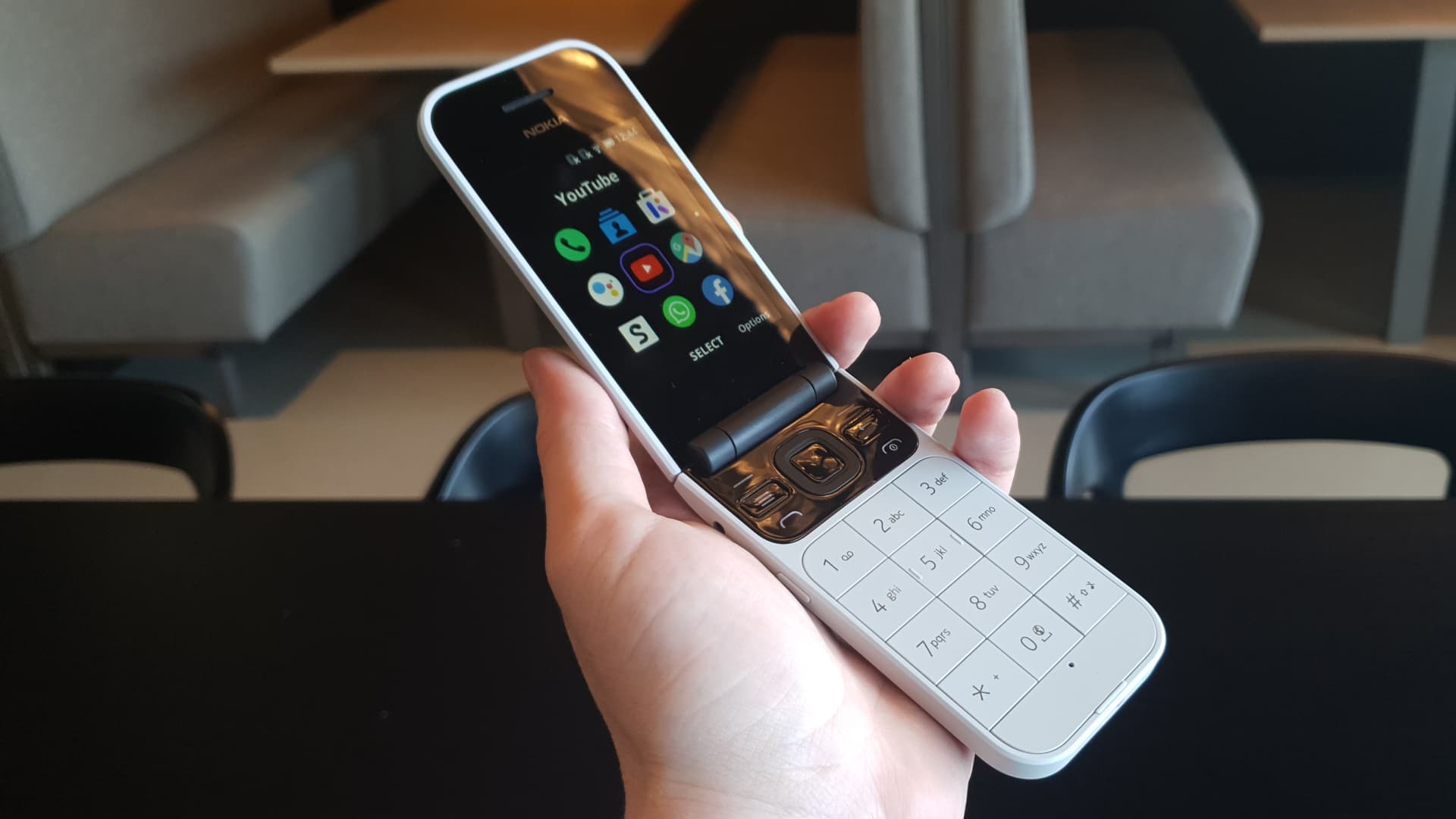
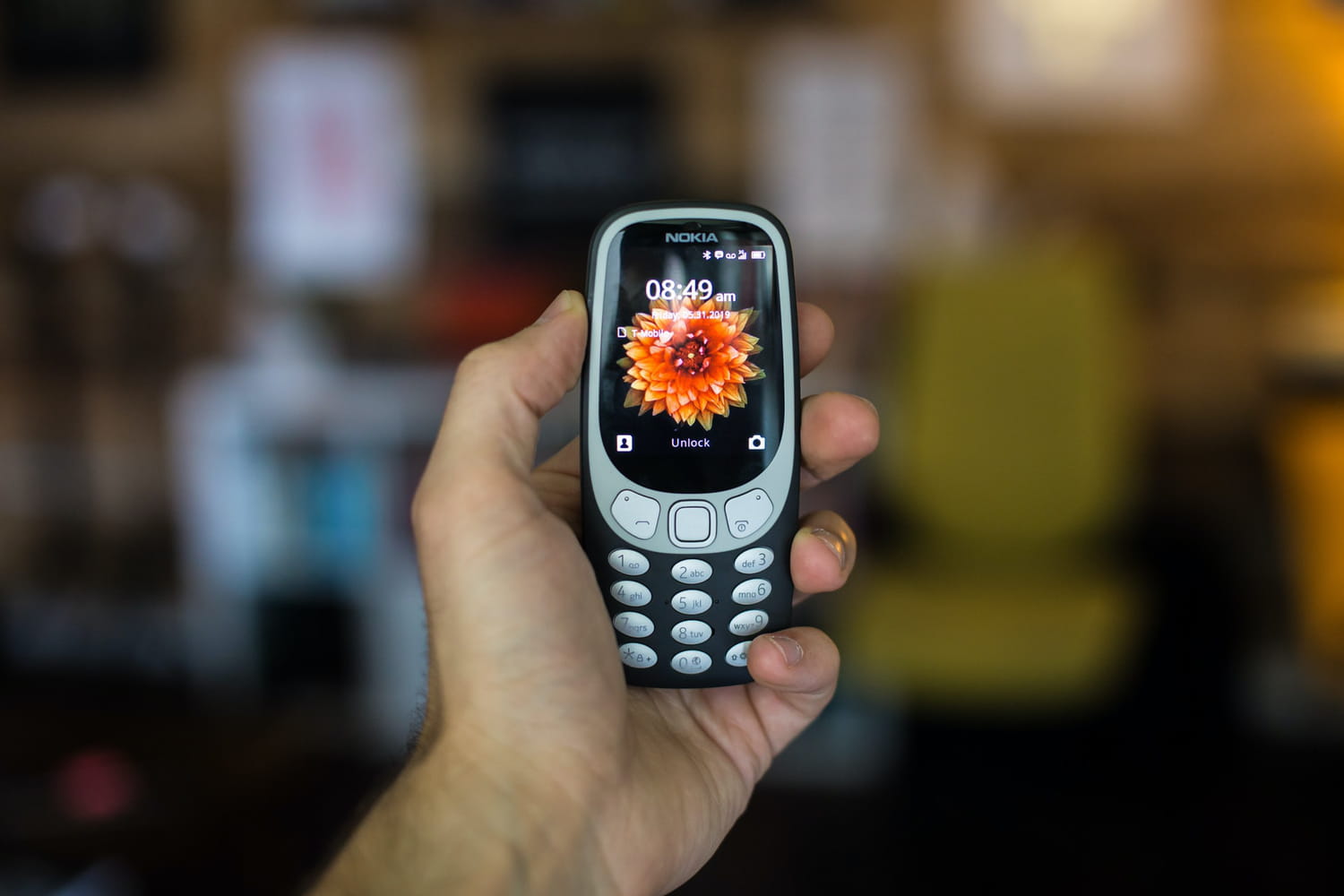
Popular phone models that used Symbian included the Nokia N95, Nokia 808 PureView, Nokia 9300, Nokia 5530 XpressMusic, Motorola M1000, Motorola RIZR Z10, Motorola A1010, Samsung SGH-G810, Samsung SGH-i550w, Sony Ericsson P990, Sony Ericsson G900, and Sony Ericsson Vivaz Pro. Japanese mobile phone makers were also big users, with models such as the Fujitsu F-022, Fujitsu F2051, Mitsubishi FOMA D905i, Mitsubishi D705i, and Sharp SH904i. Symbian was developed for keyboard-based devices as well as those that use the stylus. It was also used for flip phones and candy bars.
The downfall of Symbian
Symbian declined as iPhone and Android reset expectations for touch-first interfaces, modern browsers, and app ecosystems. Capacitive touchscreen smartphones were slowly replacing the clunky, Symbian-run phones. iOS and Android were simpler and fresher, with better UI and UX, and were designed for fingers to navigate instead of a stylus. The first attempt to salvage the OS was the development of a touchscreen-based platform that combined the technologies from S60, UIQ, and MOAP to create a unified touch system for new smartphones. However, devices that used this platform still lacked the touch-centric capacity. Symbian^3, developed in 2010, featured faster graphics, multiple screens, and widget support. Nokia's 2011 decision to move away from Symbian as its primary smartphone platform is described as a major turning point. Development and maintenance effectively ceased in 2014. Symbian's market share dropped to 31% in 2010, and Nokia, its main user, received the biggest blow from its loss.
Symbian's legacy in mobile history
Symbian was historically important because it helped define the smartphone era before iPhone and Android. Its technical strengths were undermined by UI fragmentation, a slower transition to touch, and the collapse of its development ecosystem. The lesson for developers today is clear: either you keep innovating, or you become obsolete. When choosing your mobile solution, consider how it integrates with modern carriers and plans to ensure long-term viability.
Frequently Asked Questions
What made Symbian OS different from modern smartphone operating systems?
Symbian was designed primarily for devices with physical keypads and stylus-based touch input, unlike modern OSes built for capacitive multitouch screens. It also lacked a unified app store and modern web browsing capabilities that iPhone and Android introduced.
Could Symbian OS still be used today?
While some devices running Symbian may still power on, there is no active official support, development, or app ecosystem. Nokia ended all support and maintenance on 1 January 2014, and no new or changed Symbian software has been accepted since then. Resources are available for download as well, but distribution and maintenance have long been stopped.
Why did Nokia abandon Symbian for Windows Phone?
Nokia's 2011 decision to move away from Symbian was driven by the platform's inability to compete with iPhone and Android's touch-first interfaces, modern browsers, and robust app ecosystems. The fragmentation of Symbian's multiple UIs and the complexity of its development tools made it unsustainable.
What was the last major Symbian update?
The final major updates were Nokia Anna and Nokia Belle, which introduced rounded icons, improved text inputs, widget customization, home screens, a pull-down status screen, and Near Field Communication (NFC) support. Nokia Anna and Belle featured an increase in browsing speed. However, these features were already long introduced by competitors.
For the wider topic, see carriers and plans.
Related reading: Who Owns Android?.