




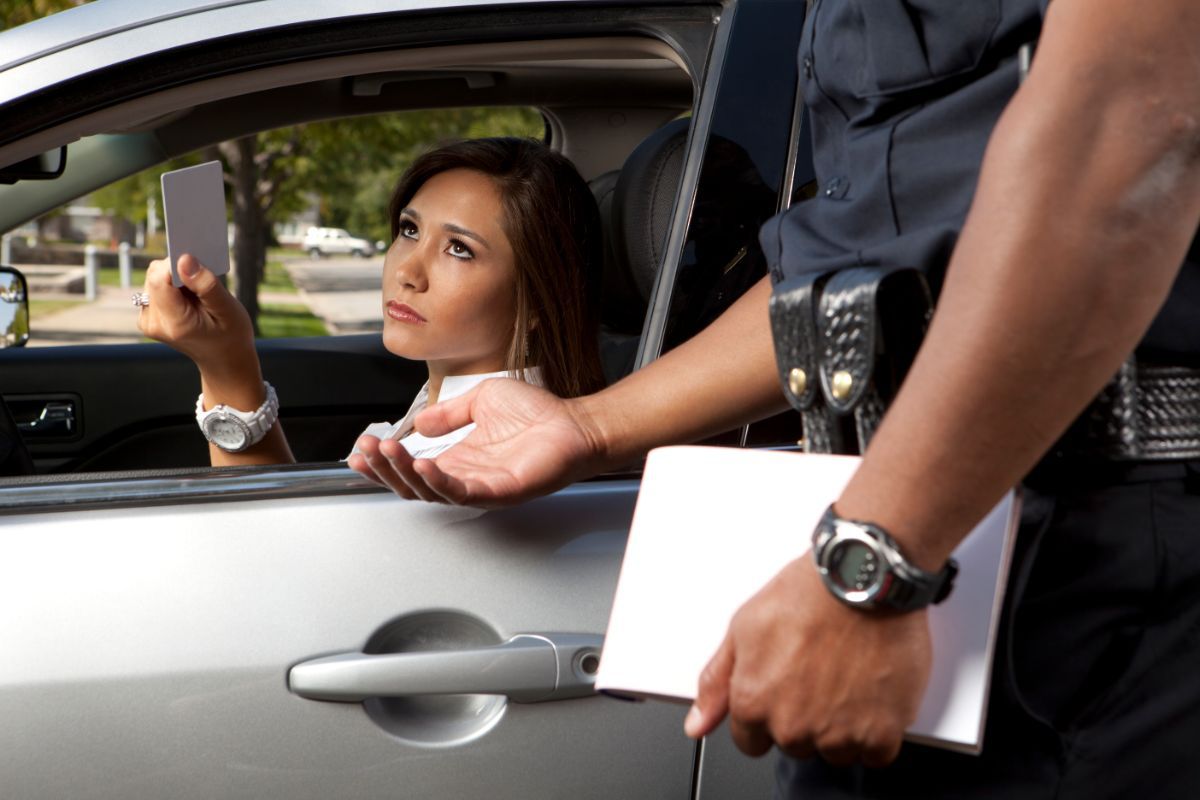
To get out of a cell phone ticket, you must fight it rather than pay it, because paying the fine is an admission of guilt that adds points to your driving record and triggers insurance hikes. The key to how to get out of a cell phone ticket is selecting a valid legal defense, such as proving you were using a hands-free device, making an emergency call, or that the officer misidentified what you were holding, and then presenting that defense in court or by written declaration.
How to get out of a cell phone ticket: your first steps
Do not pay the ticket. Paying the fine is an admission of guilt, which can lead to points on your driving record and increased insurance premiums. Check your citation for the "Appear By" date, this is the only official notice you can rely on; a courtesy notice in the mail is not required. It is commonly claimed that you must receive a 'courtesy notice' in the mail, but the citation itself is the only official notice you can rely on for your 'Appear By' date. Decide whether to plead not guilty and request a trial or, if available, use a Trial by Written Declaration to contest without appearing in court.
Prove you were using a hands-free device
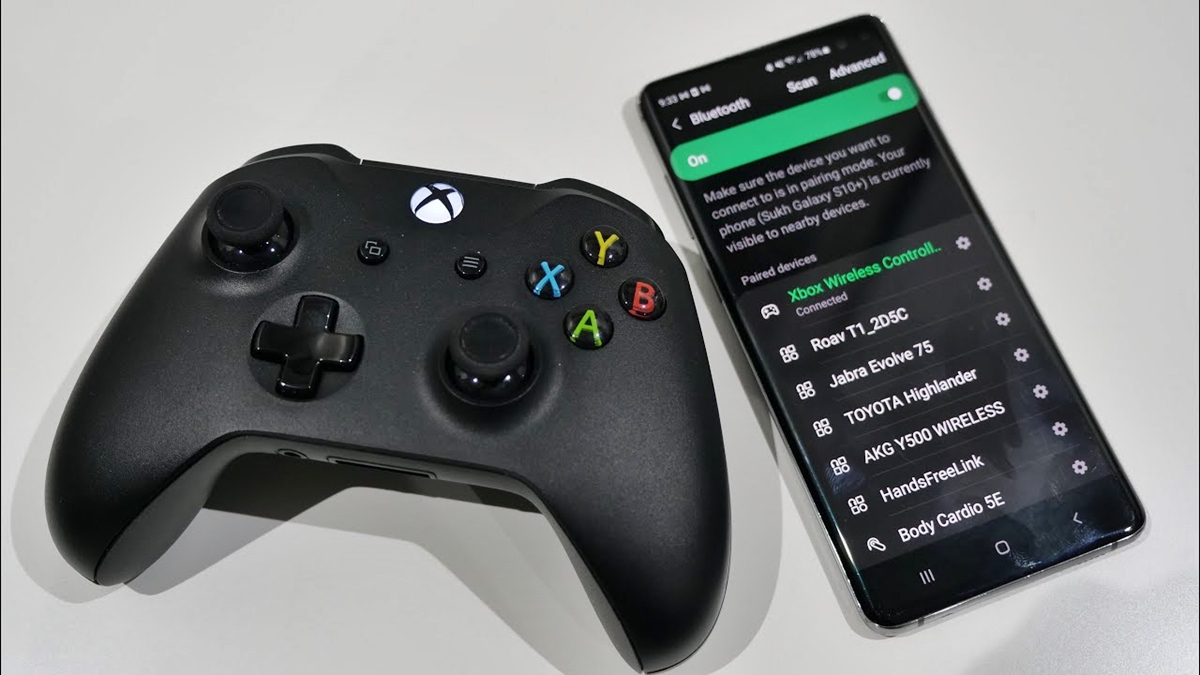
If you are 18 or older and were using a Bluetooth device, earpiece, or speakerphone, you have a valid defense in states with hands-free laws. Gather evidence such as your phone's Bluetooth connection logs or a receipt for a hands-free device. Present this to show you were not holding the phone, which is generally permitted under hands-free laws.
Prove you were making an emergency call
Most states have an exception for emergency calls. If you were contacting law enforcement, a healthcare provider, or emergency services (such as 911), you may be exempt from the cell phone ban. Keep call logs or a screenshot of the dialed number as evidence. This defense works only for genuine emergencies, not routine calls.
Challenge the officer's observation
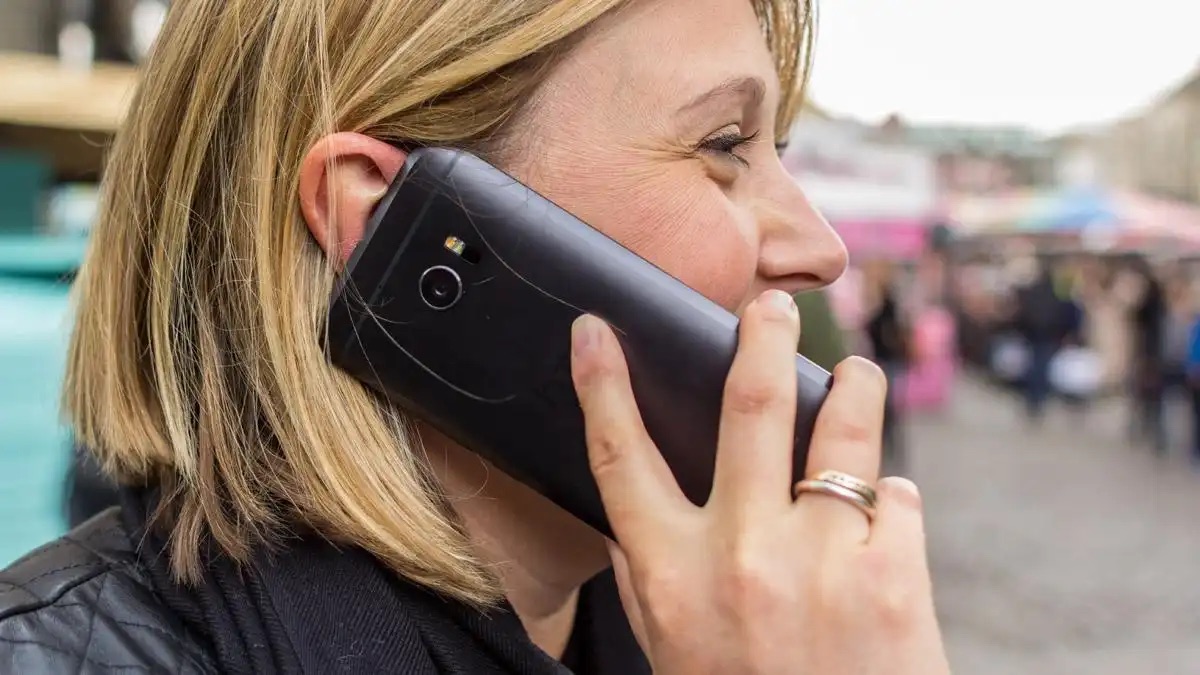
If the officer claims you were holding a phone, argue they misidentified what you were holding. For example, you might have been holding a wallet, a sunglasses case, or a different electronic device. Create reasonable doubt by pointing out the officer's limited vantage point or poor visibility. This defense does not require you to prove you were innocent, only that the officer could be mistaken.
Use a Trial by Written Declaration to contest without court
In California, you can request a Trial by Written Declaration using the TR-205 form. Both you and the officer submit written statements. If the officer fails to submit their response, the case may be automatically dismissed. Write a clear, factual statement explaining your defense and attach any evidence (e.g., phone records, photos). Mail the form and any required bail amount before the "Appear By" date.
Understand GPS and other legal phone uses
In California, using a cell phone for GPS navigation is legal if the phone is mounted and you activate it with a single tap or swipe, you cannot hold it. This can be a defense if you were cited for using a mounted GPS. Drivers under 18 face stricter regulations; many states ban all cell phone use, even hands-free, except in emergencies. Know your state's specific exceptions.
When to hire a traffic ticket attorney
If the stakes are high, such as multiple points, a commercial license, or a second offense, hiring a traffic ticket defense attorney can improve your chances of dismissal or reduction. An attorney can appear in court on your behalf, review the officer's report for errors, and negotiate with the prosecutor. This is especially useful if your defense is complex or if you cannot take time off work.
What to do if you lose your case
If you lose at trial, you may be able to appeal the decision. An appeal is not a new trial; you must show the judge made a legal mistake, such as misapplying the law or excluding evidence. File a notice of appeal within the time frame specified by the court. Consult an attorney to determine if an appeal is worthwhile, as the process is procedural and requires legal error, not just disagreement with the outcome.
Frequently Asked Questions
How much is a cell phone ticket?
Fines vary by state and offense. For example, a first offense in California is approximately $162, and a second offense is about $285. Additional court fees and surcharges may apply.
Will a cell phone ticket increase my insurance premiums?
Yes. Points from a cell phone ticket on your driving record can lead to increased auto insurance premiums. The exact increase depends on your insurer and driving history.
Can I fight a cell phone ticket if I was using hands-free mode?
Check your state's specific rules, some require the phone to be mounted and not held.
Can I take a defensive driving course to dismiss a cell phone ticket?
In some jurisdictions, you may take a defensive driving course to have the ticket dismissed or points reduced. This option is not available everywhere for cell phone violations; check with the court or a traffic attorney.
What is the best defense for a cell phone ticket?
The best defense depends on your situation. For GPS use, a mounted phone with a single tap or swipe is legal in California and similar states.
For the wider topic, see carriers and plans.