




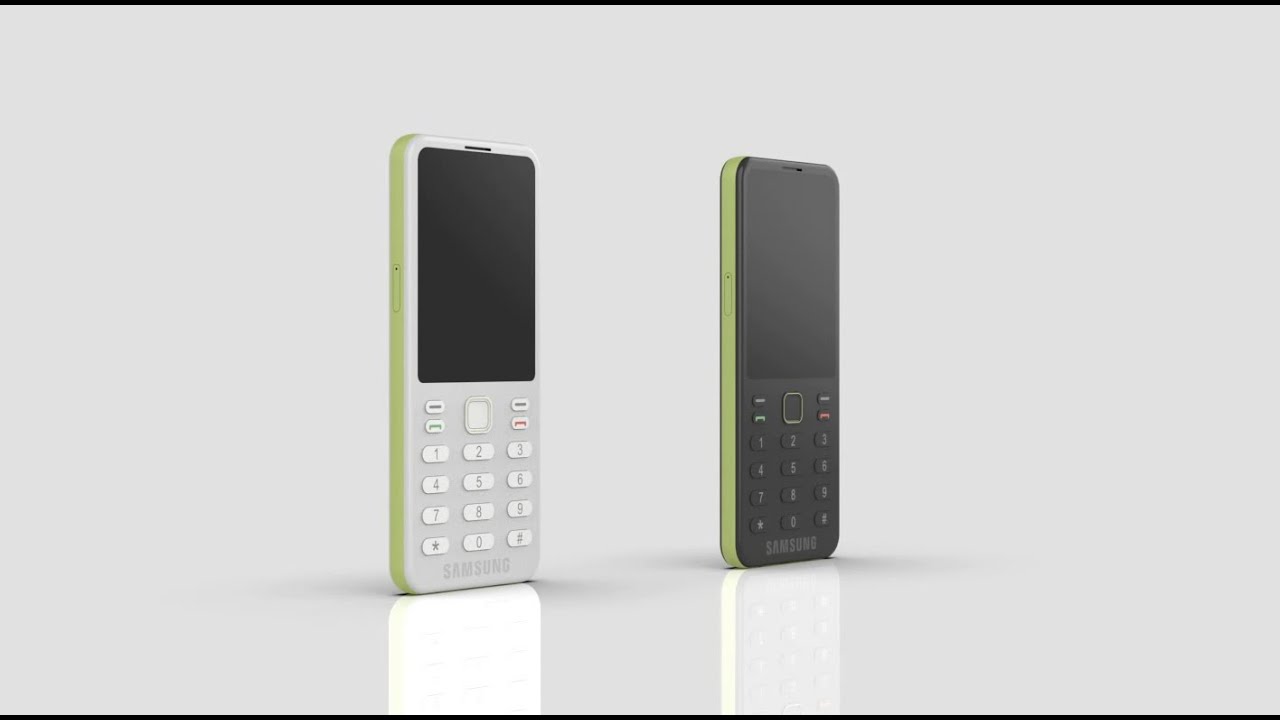
The letters on a phone keypad are a standardized system for mapping letters to the numeric keys 2 through 9, enabling you to dial phonewords, filter contacts by name, and navigate automated phone menus. Understanding this fixed layout turns your phone's dial pad into a versatile tool for tasks beyond simple number entry.
What are the letters on phone keypad for?
The letters printed on the numeric keys 2-9 serve three modern purposes: alphanumeric dialing (using phonewords like 1-800-FLOWERS), quickly filtering your contact list by spelling a name with number keys, and navigating interactive voice response (IVR) systems that ask you to enter letters. Historically, these letters were essential for typing text messages on older feature phones using multi-tap and T9 predictive text, but on modern smartphones, that function has been replaced by full QWERTY keyboards and touchscreen typing.
The universal letter mapping on phone keypads
Every phone keypad follows the ITU E.161 international standard, which assigns letters to numbers 2 through 9 in a fixed, universal layout. This mapping does not vary by manufacturer or model.
| Key | Letters |
|---|---|
| 2 | ABC |
| 3 | DEF |
| 4 | GHI |
| 5 | JKL |
| 6 | MNO |
| 7 | PQRS |
| 8 | TUV |
| 9 | WXYZ |
Keys 0 and 1 have no letters. This layout is used on all phones, from basic feature phones to modern smartphones, and is the same whether you are using the dialer, a contact search, or an automated system.
How to dial phonewords using the letters on phone keypad
Alphanumeric dialing lets you call a memorable word or phrase instead of a string of digits. To dial a phoneword like 1-800-FLOWERS:
- Press the key that corresponds to each letter in the word. For F, press 3 (DEF). For L, press 5 (JKL). For O, press 6 (MNO). For W, press 9 (WXYZ). For E, press 3 (DEF). For R, press 7 (PQRS). For S, press 7 (PQRS).
- Ignore numbers that are already digits, such as 1-800, and dial them normally.
- Complete the call by pressing the call button after entering the full sequence.
How to filter contacts with the letters on phone keypad
Most smartphone dialers allow you to find contacts by spelling their name with the numeric keys. To find a contact named "Amy":
- Open your phone's dialer app.
- Press 2 (ABC) for A, then 6 (MNO) for M, then 9 (WXYZ) for Y.
- Tap the desired contact to call or view their details.
This works because the phone interprets each keypress as the group of letters on that key, matching against the first letters of contact names. Some smartphones offer additional features using keypad letters, such as quick access to apps or shortcuts, customizable keypad layouts, or voice commands via specific letter combinations.
How to navigate automated menus using the letters on phone keypad
Many automated phone systems (IVR) ask you to enter letters, such as "Enter the first three letters of the person's name." To respond, use the standard keypad mapping. For example, if the system asks for the first three letters of "Smith":
- Press 7 (PQRS) for S.
- Press 6 (MNO) for M.
- Press 4 (GHI) for I.
- Press the pound (#) or star (*) key if the system requires a confirmation.
This method works for any IVR prompt that expects letter input, such as spelling a last name, a company name, or a menu option.
A brief history: multi-tap and T9 texting
Before smartphones, the letters on phone keypads were the primary way to type text messages. Multi-tap input required pressing a numeric key repeatedly to cycle through its letters, pressing 2 once for A, twice for B, three times for C. T9 (Text on 9 keys) predictive text improved this by letting you press each key once per letter; the phone used a built-in dictionary to guess the intended word. Modern smartphones have replaced these methods with full QWERTY keyboards and touchscreens, where you can also access emojis and custom keyboards through settings, but the keypad letters remain vital for dialing and searching. On iPhone, to enter accented or special characters, touch and hold the related letter, number, or symbol, then slide and release on the desired option (e.g., hold 'e' for 'é'). On iPhone, tap the 'Numbers key' (often labeled '123') or the 'Symbols key' to enter numbers, punctuation, or symbols. On iPhone, go to Settings > General > Keyboard to turn special typing features like predictive text and auto-correction on or off.
Frequently Asked Questions
How do I use the letters on a phone keypad?
Press the corresponding number multiple times until the desired letter appears, e.g., press 2 three times for C.
Are there any shortcuts for typing using the letters on a phone keypad?
T9 typing allows pressing keys once per letter, with the phone predicting the intended word.
Does the letter layout vary by phone model?
No. The ITU E.161 standard is universal, so the mapping of 2=ABC, 3=DEF, and so on is identical on every phone, including iPhones, Android devices, and older feature phones.
Can I use the letters on the keypad for texting on a modern smartphone?
Not directly. Modern smartphones use a QWERTY on-screen keyboard for text input. The letters on the dial pad are only used for dialing phonewords, filtering contacts, and navigating IVR menus, not for composing messages.
How do I handle the four letters on keys 7 and 9?
Keys 7 (PQRS) and 9 (WXYZ) each contain four letters. For dialing or filtering, pressing the key once represents the group, not a single letter. The system matches any letter in that group, for example, pressing 7 matches P, Q, R, or S.
What if my phone doesn't show contacts when I press letters?
Ensure you are using the dialer app, not a separate contacts app. Most modern smartphone dialers have this feature built in.
Why don't keys 0 and 1 have letters?
Key 0 was historically reserved for the space bar or operator functions, and key 1 was used for punctuation or special characters. The ITU E.161 standard only assigns letters to keys 2 through 9.