




Real-Time Text (RTT) is a feature on your phone that transmits text instantly, character-by-character, during a phone call, allowing the recipient to read and respond immediately. It is primarily designed for individuals who are deaf, hard of hearing, deaf-blind, or have speech disabilities, and it has largely replaced older Teletypewriter (TTY) technology, which required specialized physical devices.
What is RTT on my phone?
RTT stands for Real-Time Text. It is a communication feature built into modern smartphones that lets you send and receive text messages in real-time while on a voice call. Unlike SMS, which sends a full message after you hit send, RTT transmits each character as you type it, so the other person sees the text appear on their screen instantly. This technology is a more advanced protocol that has replaced older TTY systems, and it does not require any additional specialized equipment, it is already built into your phone.
How does RTT work?
RTT works by converting your typed text into data packets that are transmitted over the voice channel of your phone call. This allows for seamless, simultaneous voice and text communication. Because it transmits character-by-character, it differs from SMS, which sends complete messages after the call. RTT uses your plan’s call minutes, similar to a standard voice call, and transcripts of your RTT calls are often saved in your phone's call log under the "Recents" tab. This makes it easy to review conversations later, which is especially useful for accessibility needs or for keeping records of important calls.
How to turn RTT off (or on) on iPhone
To enable or disable RTT on an iPhone, follow these exact steps:
- Open the Settings app.
- Tap Accessibility.
- Select RTT/TTY.
- Toggle the Software RTT switch on or off.
If you enable RTT, you can also turn on the Send Immediately option to transmit characters as you type, or leave it off to send messages only after you complete them. This gives you control over how your text appears during a call.
How to turn RTT off (or on) on Android
On a Google Pixel or other Android device (including Samsung), the steps are slightly different but straightforward:
- Open the Phone app.
- Tap the three-dot menu (or More icon).
- Go to Settings.
- Tap Accessibility.
- Select Real-time text (RTT).
- Choose your preferred button visibility or toggle the feature on or off.
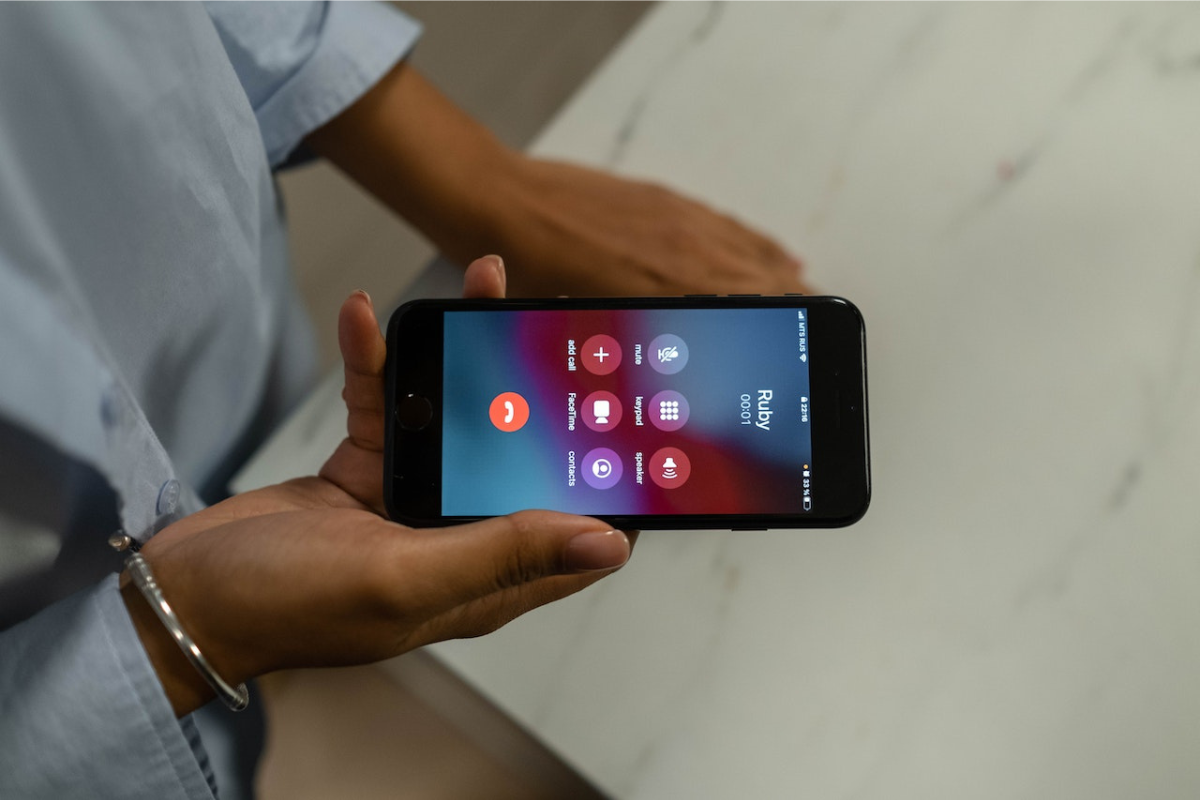
Once enabled, you can initiate an RTT call from the Phone app by selecting a contact and then choosing "RTT/TTY Call" or "RTT/TTY Relay Call." During an existing voice call, you can switch to RTT by tapping the "RTT" button on the call screen.
Why is RTT showing up during my calls?
RTT may appear during your calls if it was accidentally activated in your accessibility settings, or if you tapped the RTT button on the call screen without realizing it. On many phones, the RTT button is visible on the call interface when the feature is enabled. Additionally, carrier and regional support affects whether RTT shows up at all. For example, Google Fi currently does not support RTT, so users on that network will not see the option. Availability of RTT depends on your carrier and network environment, and it is not supported in all regions. If you see RTT unexpectedly, check your accessibility settings to turn it off, or simply ignore the button if you do not need it.
Using RTT for emergency calls
RTT can be used to contact emergency services (911), which is a critical feature for individuals who are deaf, hard of hearing, or have speech disabilities. However, the operator's ability to receive or respond to RTT emergency calls can vary. Not all emergency call centers are equipped to handle RTT, so it is important to confirm local support. If you rely on RTT for emergencies, you may also want to explore other options like text-to-911 services in your area.
Frequently Asked Questions
Do both people need RTT for it to work?
Yes, both parties on the call must have a phone that supports RTT for the feature to work properly. If the other person is using a traditional phone without RTT capability, your text messages may not be received or displayed correctly on their end.
Does RTT use data or call minutes?
RTT uses your plan’s call minutes, not your mobile data. It operates over the voice channel, so it is treated like a standard voice call for billing purposes. If you have unlimited calling, RTT calls will not cost extra.
Can I save or review my RTT conversations?
Yes, transcripts of RTT calls are often available in your phone's call log, typically under the "Recents" tab. This allows you to review the text conversation later, which can be helpful for keeping records or recalling details from a call.
What is the difference between RTT and TTY?
RTT is a more advanced, digital protocol that replaces older TTY (Teletypewriter) technology. TTY required specialized physical devices and operated over analog lines, while RTT is built into modern smartphones and transmits text instantly over the voice channel without extra equipment.
Will RTT work if I have a limited data plan?
Yes, because RTT uses call minutes rather than data, it will not affect your data plan. You can use it freely even if you have a limited data allowance, as long as you have available voice minutes.
Can I use RTT for text messaging and T-Mobile texts?
RTT is separate from standard text messaging and T-Mobile texts. It is designed for real-time communication during a call, not for sending traditional SMS messages. If you want to use RTT for accessibility, you may also want to enable RCS messaging on any Android phone and carriers to enhance your overall texting experience with features like read receipts and typing indicators.