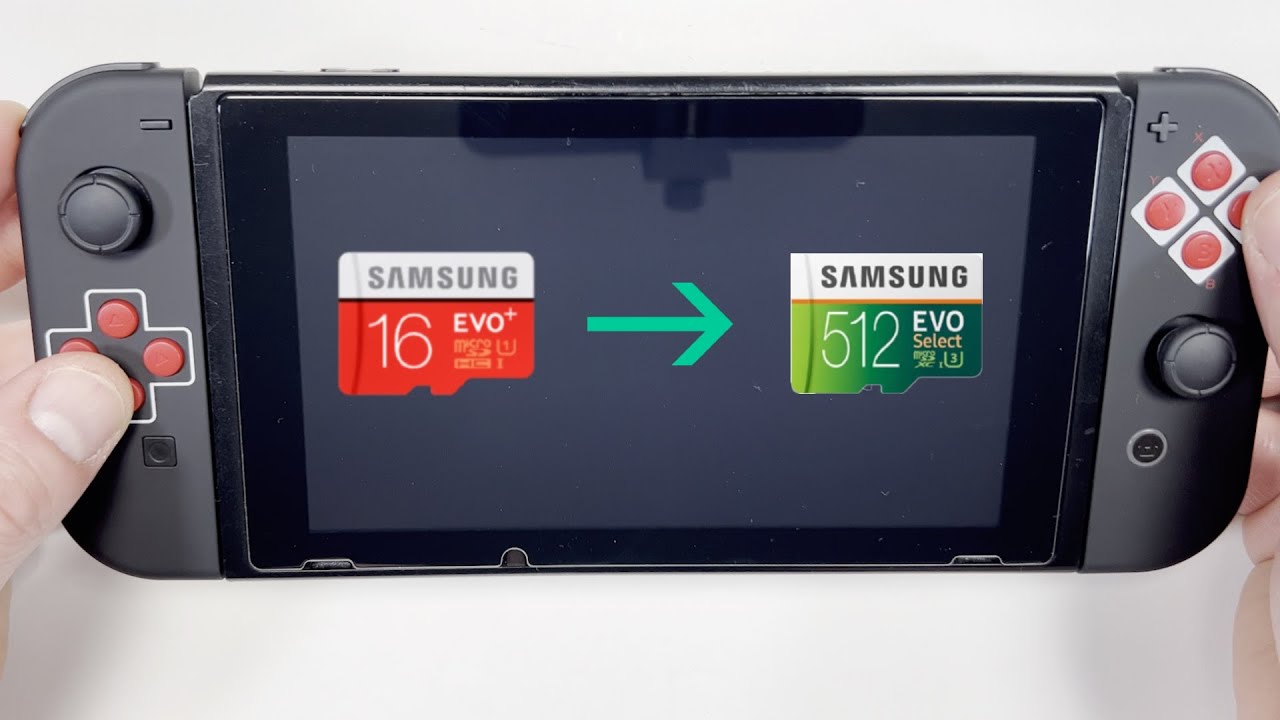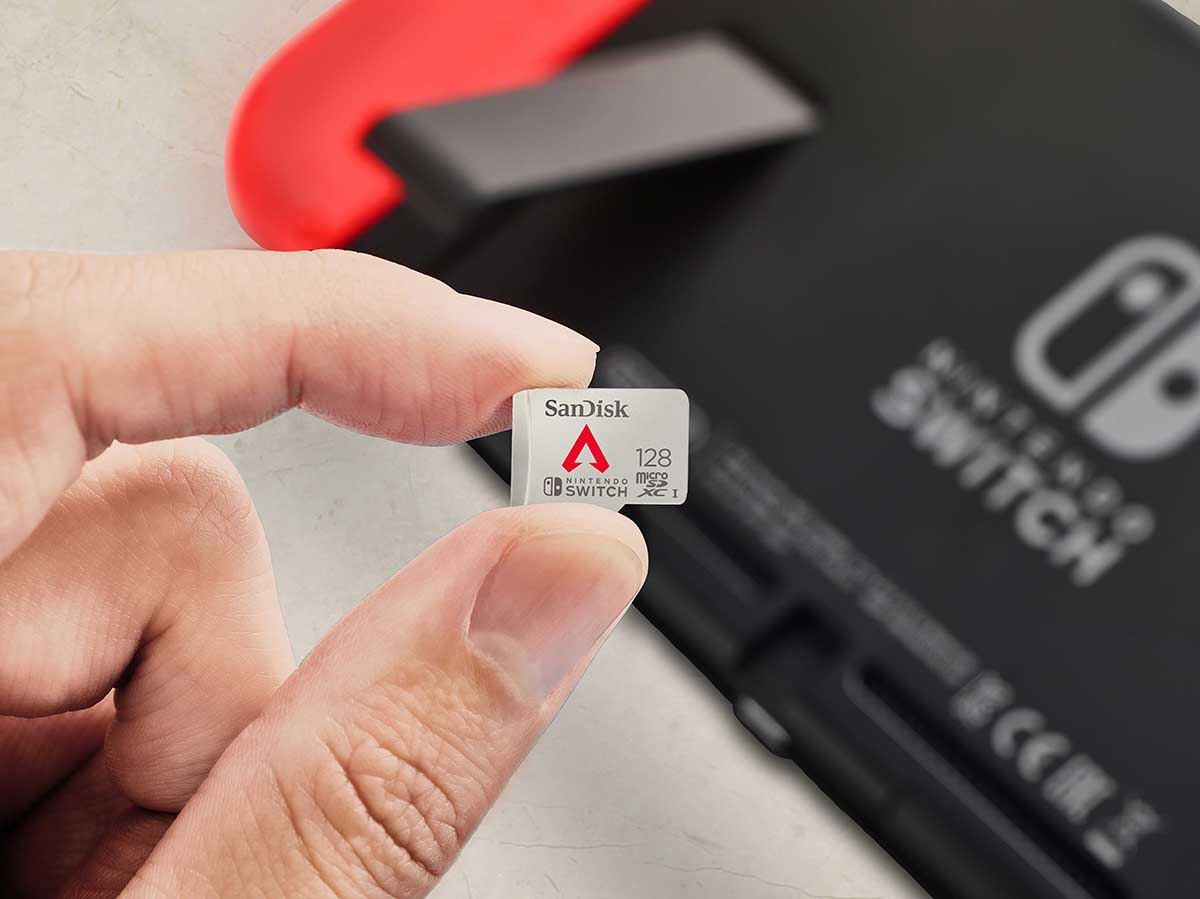





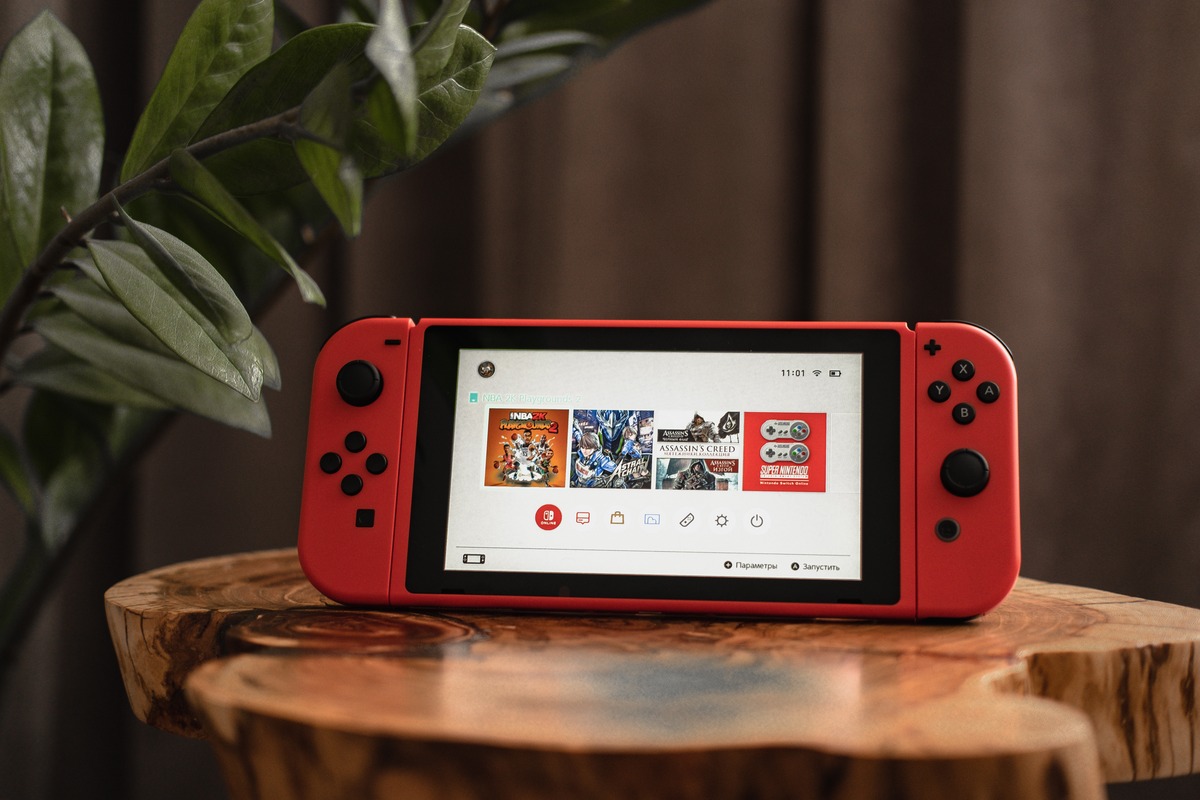
To transfer switch data to a new sd card, you copy the entire contents of your old microSD card to a Windows PC, then paste those files onto a newly formatted card. Game save data is stored on the console's internal system memory, not the microSD card, so your progress is safe regardless of the card swap.
What you need before you start
Gather these items before beginning the transfer:
- A Windows PC with an SD card slot or a USB microSD card reader/writer
- The original microSD card currently in your Nintendo Switch
- A new, compatible microSD card (Nintendo Switch supports microSD, microSDHC, and microSDXC cards)
- The Nintendo Switch console itself
Format the new microSD card in your switch
Nintendo recommends formatting the new card using the console before transferring any data. This ensures the card is properly configured for the Switch.
- Insert the new microSD card into the Nintendo Switch while the console is powered off.
- Power on the console and navigate to the HOME Menu.
- Select System Settings, then System.
- Choose Formatting Options, then Format microSD Card.
- Select Continue, then Format. If prompted, enter the Parental Controls PIN.
- The console will restart after formatting is complete.
Nintendo recommends using the SD Association’s SD Memory Card Formatter to format SD cards used with Nintendo products.
Copy data from the old card to your PC
- Power off the Nintendo Switch completely.
- Remove the original microSD card from the console.
- Insert the old card into your PC's SD card slot or a microSD card reader/writer.
- Open Windows Explorer and access the microSD card.
- Highlight the entire contents of the card (typically a "Nintendo" folder) and drag it to your desktop. This creates a complete backup of your data.
Do not delete, format, or alter the original card's content until you have verified the new card works correctly.
Move the data to the new microSD card
- Eject the original microSD card from your PC.
- Insert the newly formatted microSD card into the PC's slot or reader/writer.
- Open the new card in Windows Explorer.
- Drag the backed-up data from your desktop onto the new microSD card.
Insert the new card and verify the transfer
- Ensure the Nintendo Switch is powered off.
- Insert the new microSD card into the console.
- Power on the Switch and check that your games, screenshots, and other data are accessible.
- If any software cannot be read from the new card, redownload it from the Nintendo eShop.
Keep the original microSD card as a backup until you have confirmed everything works on the new card. If you need to move specific game data between system memory and the microSD card later, use the console menu: HOME Menu → System Settings → Data Management → Move Data Between System/microSD Card.
Frequently Asked Questions
What microSD cards are compatible with Nintendo Switch?
Nintendo Switch supports microSD, microSDHC, and microSDXC cards. Cards with a capacity of 64 GB and above are classified as microSDXC.
Why is the transfer done on a PC instead of directly on the Switch?
The Switch does not have a built-in tool to copy the entire card contents. Using a PC with a card reader is the only documented method to move all data from one microSD card to another.
Does this process apply to Nintendo Switch 2?
No. A microSD card used in a Nintendo Switch console will not allow saving or loading digital games or save data on Nintendo Switch 2. The Switch 2 uses microSD Express cards instead.
Can I move game save data to the microSD card?
No. Game save data is stored only in the console's system memory and cannot be moved to the microSD card. This transfer process only moves downloadable software, screenshots, and other card-stored data.
What if my new card isn't recognized after the transfer?
Ensure the card was formatted using the console before transferring data, as Nintendo recommends this step.
For the wider topic, see phone data and storage management.
Related reading: How To Transfer Data From One Micro SD Card To Another Nintendo Switch and How To Transfer Animal Crossing Data To New Switch.