




To enable Instagram dark mode, you turn on your phone's system-wide dark mode setting, and Instagram follows that setting automatically on supported devices. Instagram does not have its own in-app toggle for dark mode, so the change is controlled entirely through your iPhone or Android device's operating system.
How Instagram dark mode works
Instagram dark mode is not a setting inside the Instagram app itself. Instead, Instagram checks your phone's system dark mode setting and matches it. On iPhones running iOS 13 or later and Android devices running Android 10 or later, when you switch your phone to dark mode, Instagram will automatically display a dark background. This method applies to both the iPhone and iPad, though the iPad's Instagram app is not optimized for landscape use. The dark background helps reduce eye strain in low light and can save battery life on phones with OLED screens. Dark mode can increase eye strain in bright light conditions due to an effect called 'halation' that washes out white text and makes it appear blurry. Reading long captions and text can be especially difficult and painful for the eyes in dark mode. Colors in videos will not change when dark mode is active.
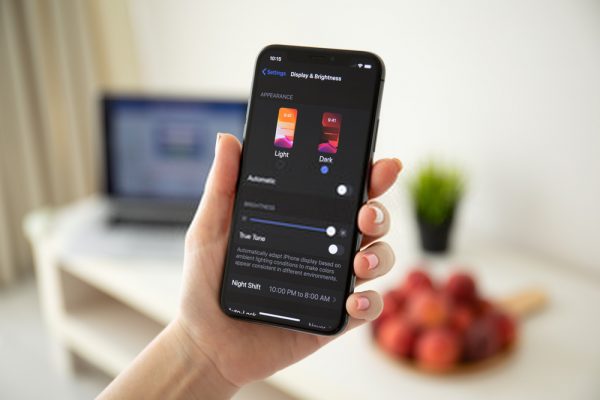
Turn on Instagram dark mode on iPhone
- Open the Settings app on your iPhone or iPad.
- Tap Appearance (or Display & Brightness on iOS 26 and earlier).
- Select Dark.
Instagram will now appear with a dark background. You can also switch dark mode from the Control Center: touch and hold the brightness bar, then tap the Dark Mode button. To add Dark Mode to Control Center, go to Settings → Control Center, tap the green plus sign next to Dark Mode, and it will appear as a control you can access by swiping down from the upper-right corner of the screen.
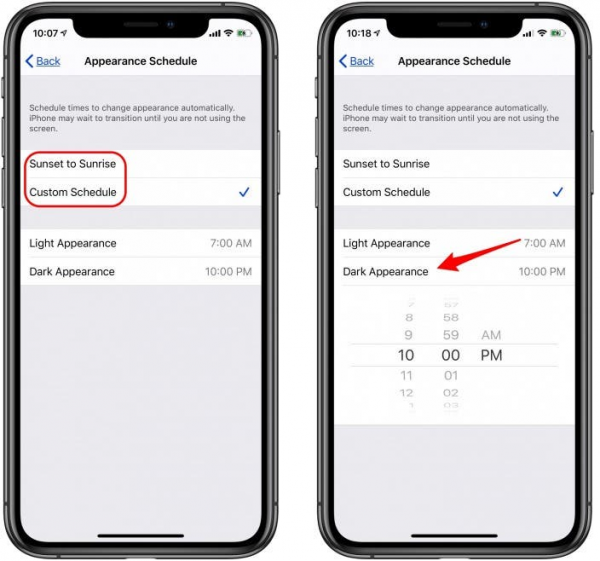
Schedule dark mode on iPhone
- Go to Settings → Appearance (or Display & Brightness).
- Turn on Automatic.
- Tap Options that appears below.
- Choose Sunrise to Sunset to have dark mode turn on and off based on your local daylight hours, or select Custom Schedule to set your own start and end times.
With a schedule set, Instagram will switch between light and dark mode automatically at the times you choose, which is helpful for adjusting brightness and display color throughout the day without manual effort.
Turn on Instagram dark mode on Android
There are two main paths to enable dark mode on Android, depending on your device manufacturer.
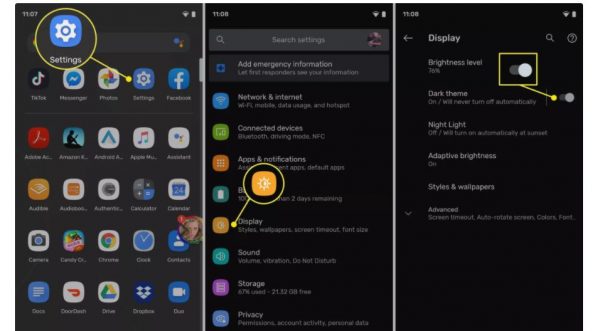
Primary path:
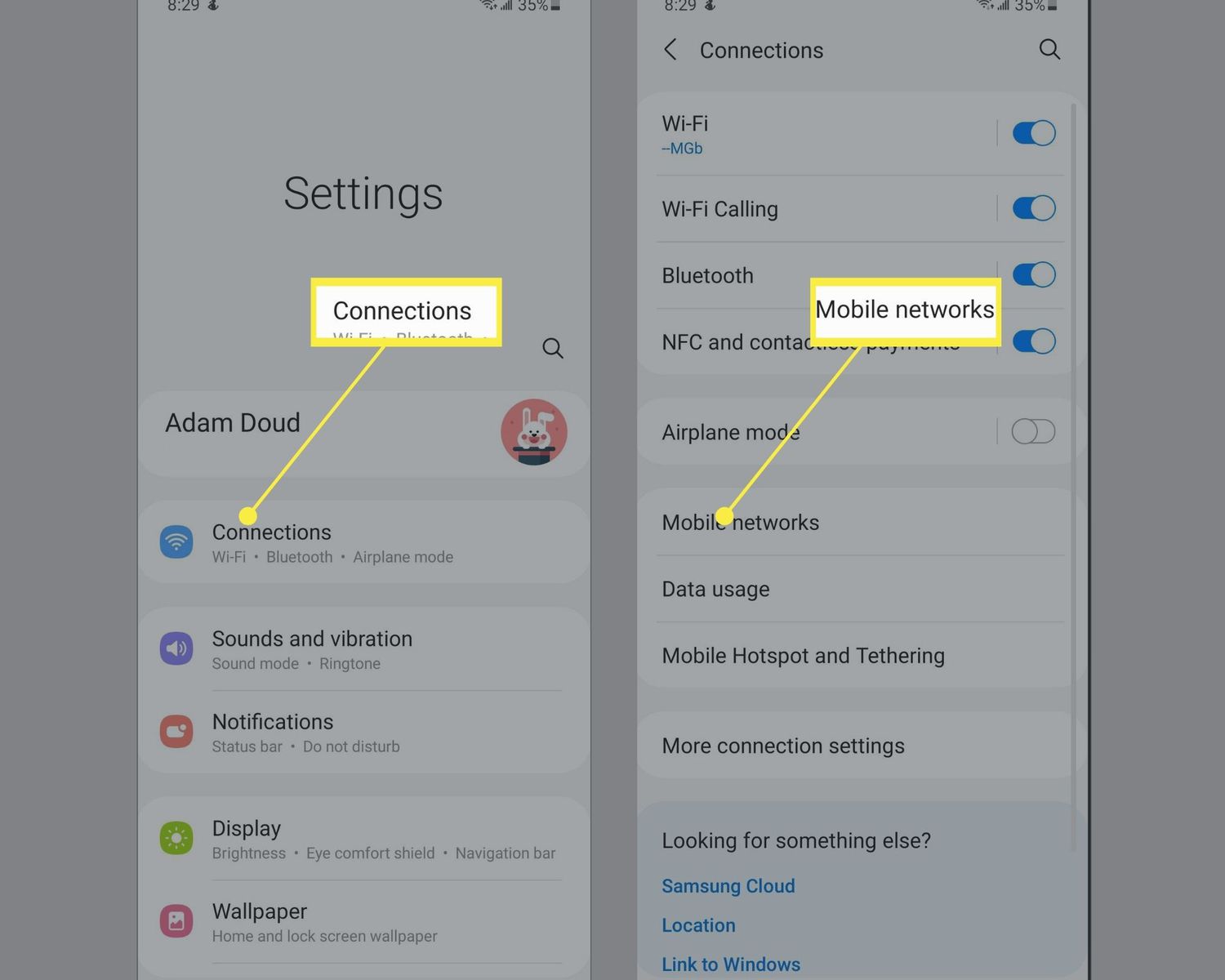
- Open Settings.
- Tap Accessibility.
- Under Color and motion, turn on Dark theme.
Alternate path (on some devices):
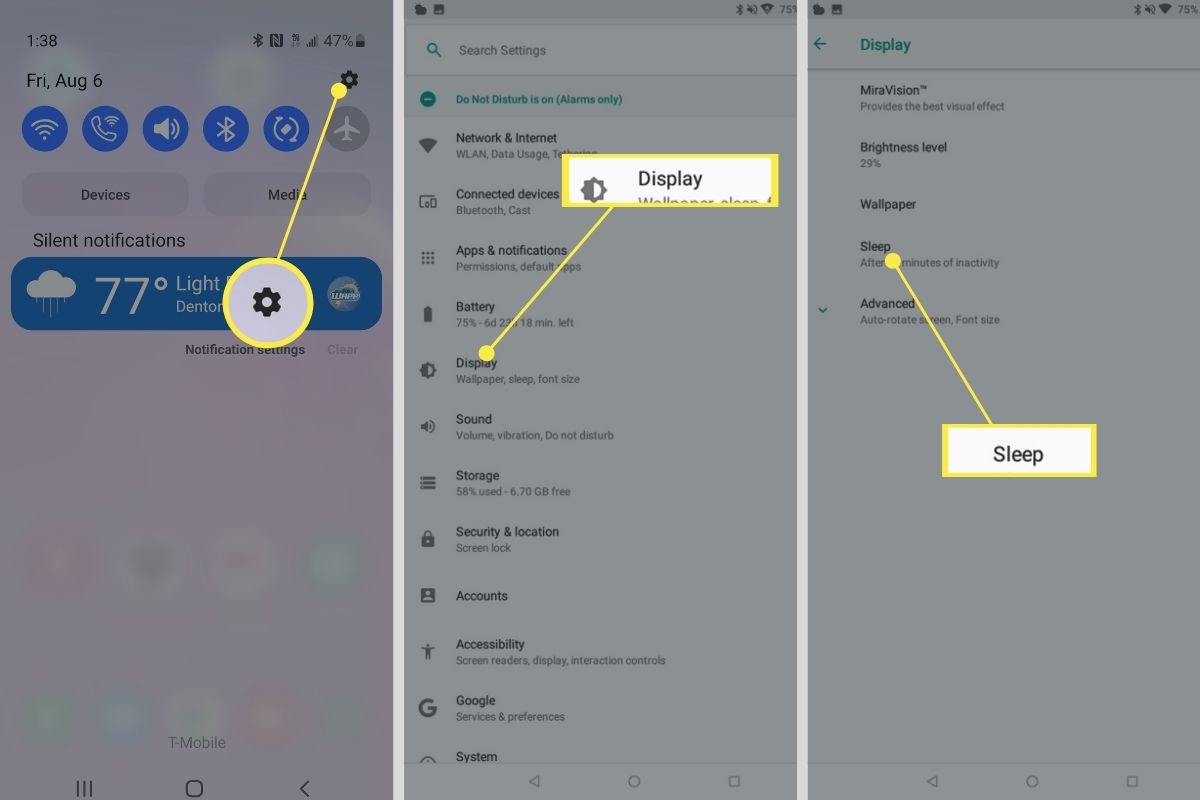
- Open Settings.
- Tap Display.
- Turn on Dark theme.
For a faster method, swipe down from the top of your screen to open the Quick Settings panel. Look for the Dark theme tile (often a crescent moon icon on Samsung devices) and tap it to toggle dark mode on or off. If you do not see the tile, you can edit your Quick Settings to add it.
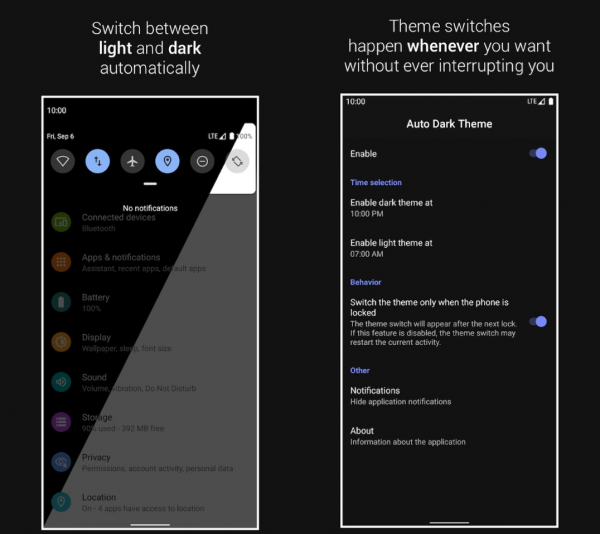
Schedule dark mode on Android
To set a schedule for dark mode on Android, touch and hold the Dark theme tile in Quick Settings to open the dark theme settings. Alternatively, go to Settings → Display → Dark theme and look for schedule options. Depending on your device, you may be able to set dark mode to turn on at sunset and off at sunrise, or to follow a custom schedule you define. This scheduling feature is especially useful if you find yourself troubleshooting Instagram posting issues during the day and prefer a lighter interface for reading long captions.
If Instagram dark mode isn't working
First, make sure your phone's operating system is updated. For iPhone, you need iOS 13 or later. On iPhone, you can check your current software version under Settings → General → About. Very old iPhones that no longer support iOS software updates cannot update to iOS 13 or later, so they cannot have Instagram dark mode at all. For Android, you need Android 10 or later. Android software updates roll out depending on your manufacturer's schedule, and manufacturers typically only support their phones with software updates for up to two years, so older Android devices have a slimmer chance of getting dark mode. Check for updates in Settings → General → Software Update on iPhone, or in your Android device's Software Update section. Next, ensure the Instagram app itself is updated to the latest version from the App Store or Google Play Store. If both your OS and Instagram are current but dark mode still does not appear, remember that colors in videos will not change, so the app may look partially dark while media plays normally.
Frequently Asked Questions
Does Instagram have its own dark mode toggle?
No. Instagram does not offer an in-app setting to switch to dark mode. It only follows the system-wide dark mode setting on your iPhone or Android device.
Will Instagram dark mode save battery?
Yes, if your phone has an OLED screen. On OLED displays, black pixels are turned off, so a dark background uses less power than a white one.
Can I use Instagram dark mode on an iPad?
Yes, the same system dark mode setting applies to the iPad. However, the Instagram app on iPad is not optimized for landscape orientation, so you will need to use it in portrait mode.
Why is my Instagram dark mode not working on Android 10?
Make sure you have enabled dark mode through the system settings or Quick Settings tile, and that your Instagram app is updated. Some older Android devices may have manufacturer-specific settings that override the standard dark theme.
Does dark mode affect how photos and videos look on Instagram?
No. The background of the app becomes dark, but the colors and brightness of photos and videos remain unchanged. Only the interface elements around the content are affected.