



To use sd card reader on android phone, connect the reader to your phone's charging port using a compatible USB adapter, then open your file manager app to browse and transfer files from the SD card. While Apple officially documents exact steps for connecting an SD card reader to an iPhone, official Android documentation for this process is sparse and varies by device manufacturer, so your phone's user manual is the most reliable source for model-specific instructions.
What we know about using SD card reader on Android phone
Official Android documentation does not provide a single, universal set of steps for connecting an SD card reader. In contrast, Apple publishes clear support pages for its USB-C to SD Card Reader and Lightning to SD Card Camera Reader, detailing compatible devices, app paths, and import methods. This difference means that Android users must rely on their device manufacturer's documentation rather than a centralized guide. The core function remains the same: an SD card reader is an external accessory that lets a phone read files from an SD memory card.
How SD card readers work: the basics
An SD card reader is an external storage accessory that connects to your phone's charging port and reads data from an SD memory card. The reader acts as a bridge, allowing your phone to access photos, videos, and other files stored on the card. Most readers support standard SD, SDHC, and SDXC cards, with some models handling UHS-II speeds for faster transfers. The reader itself contains no storage; it simply provides the electrical connection needed for your phone to communicate with the memory card.
Connecting an SD card reader to your phone
To physically connect an SD card reader to your Android phone, follow these general steps. Because exact procedures differ by phone model, always check your device's manufacturer documentation for specific guidance.
- Insert the SD memory card into the card reader. Do not force it; the card fits only one way.
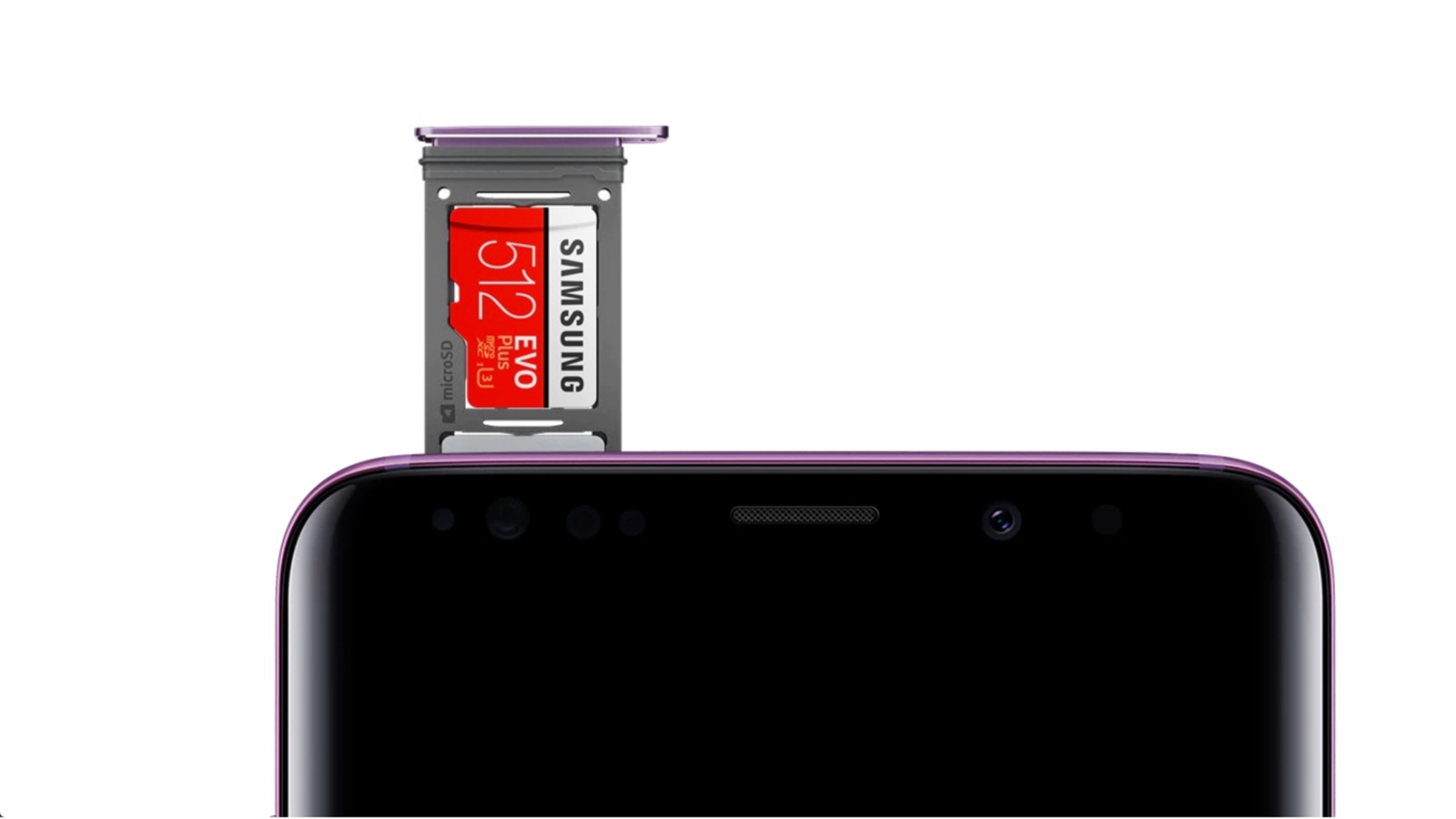
- Insert the SD card into the SD card slot or tray on your phone (for phones with a built-in slot).
- If your phone uses a USB-C or micro USB port, you may need a USB On-The-Go (OTG) adapter to connect the reader. Some readers include the adapter.
- Connect the SD card reader to your phone's charging port using the appropriate adapter or cable.
- Your phone should recognize the reader automatically. A notification may appear indicating an external storage device is connected.
- Open your phone's file manager or file explorer app. The reader typically appears under "External Storage," "Removable Storage," or a similar label.
- Browse the card's contents and transfer files as needed.
For model-specific connection details, refer to your phone's user manual or the reader's packaging.
What Apple documents for iPhone users
Apple provides clear, documented support for using SD card readers with iPhone. The company offers two reader models: a USB-C to SD Card Reader for iPhone models with USB-C, and a Lightning to SD Card Camera Reader for devices with iOS 9 or later. Apple states that the USB-C reader supports SD, SDHC, and SD cards up to UHS-II speeds. To use either reader, attach it to the iPhone's charging port, insert the SD memory card without forcing it, and import photos and videos directly to the Photos app. To view card contents, open a supported app such as Files, tap Browse at the bottom, then tap the device name under Locations. If Locations is not visible, tap Browse again. To disconnect, simply remove the reader from the charging port. This level of documented support serves as a reference for what confirmed, device-specific guidance looks like, something Android users must seek from their own manufacturer.
Transferring files safely
When transferring files using an SD card reader on your Android phone, follow general best practices for safety. Always use your phone's file manager app to copy, move, or delete files rather than removing the card during active transfers. After finishing, safely disconnect the reader by removing it from the charging port, no additional unmounting steps are required if the reader is disconnected while idle. For more detailed guidance on managing and transferring photos, see the hub page on transferring and managing photos on phones. Avoid removing the SD card while data is being written to prevent file corruption.
When things don't work
If your SD card reader does not work with your Android phone, start by checking the physical connection. Remove and reinsert the reader, ensuring it is fully seated in the port. Verify that your phone supports USB OTG functionality, not all Android devices do. Clean the metal contacts on both the SD card and the reader with a soft, lint-free cloth. Restart your phone, then reconnect the reader. Enable USB debugging in Developer options as a potential fix for reader issues. If the issue persists, check that your SD card is compatible with the reader; some readers support only SD, SDHC, or specific speed classes. Reset app preferences (Clear Data or Reset App Preferences) for a specific app not recognizing the SD card. If you have tried multiple cards and readers, contact the manufacturer for further assistance.
Frequently Asked Questions
What is an SD card reader?
An SD card reader is an external accessory that connects to your phone's charging port and allows the device to read files from an SD memory card. It acts as an intermediary between the card and your phone, enabling file transfer and access.
Can I use an SD card reader on any Android phone?
Not all Android phones support SD card readers. Your phone must support USB On-The-Go (OTG) functionality to connect the reader. Check your device's specifications or user manual to confirm OTG support before purchasing a reader.
What if my Android phone doesn't have an SD card slot?
If your phone lacks a built-in SD card slot, you can still use an SD card reader by connecting it through a USB OTG adapter that plugs into your phone's charging port. Verify OTG compatibility before buying an adapter.
How do I know if my SD card is compatible with the reader?
Most SD card readers support standard SD, SDHC, and SDXC cards. Some readers specify speed class limits, such as UHS-II. Check the reader's packaging or manufacturer documentation for supported card types.
Can I use an Apple SD card reader with an Android phone?
Apple's USB-C to SD Card Reader is designed for iPhone, iPad, and Mac with USB-C. For reliable results, use a reader designed for Android devices.
What are the benefits of using an SD card reader on my Android phone?
Expanded storage, quick data transfer, flexibility and compatibility.