




To cover an old phone jack, you either patch the hole in the drywall or install a blank wall plate over it, depending on whether you want a permanent fix or future access.
Before you cover an old phone jack: what to know
This task is for physical wall-mounted landline phone jacks, not for mobile phones. Safety comes first: always disconnect the phone line at the telephone interface box before touching any wiring. Phone lines carry low voltage, but you can still get a shock or create a short. If you are uncomfortable working with wiring, or if the jack is in a difficult location, call a licensed electrician or a low-voltage technician.
Tools and materials to cover an old phone jack
Gather everything before you start so the job goes smoothly. You will need a screwdriver (Phillips-head or flat-head), a voltage tester, patching compound (spackle or joint compound), a putty knife, fine-grit sandpaper, paint that matches your wall, a small paintbrush or roller, and a blank wall plate that matches your existing outlet covers. If you plan to keep the wiring accessible, you can skip the patching compound and paint.
Step 1: Assess the old phone jack’s condition
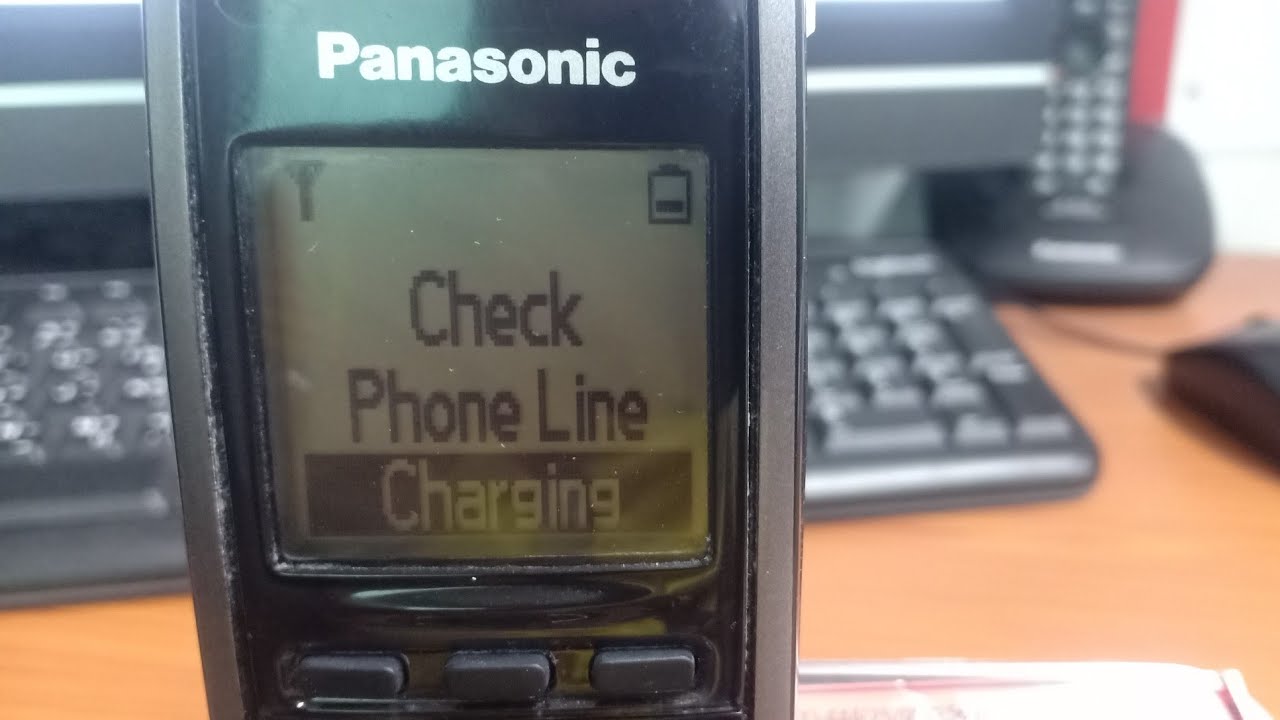
Look at the jack closely. Check for cracks, broken plastic, or loose wires. Then plug a landline phone into the jack and listen for a dial tone. If the jack is damaged or has no dial tone, you may need to repair the wiring before covering it. If the phone jack is damaged or not working, address these issues before covering it to ensure a seamless transition. If you notice static or poor sound quality when testing, you may need to contact your phone service provider for assistance. If the jack is intact and working, you can proceed directly to covering or removing it. This inspection tells you whether a simple blank plate will do or if you need to cap a live wire first.
Step 2: Disconnect the phone line safely
Find the telephone interface box, usually a small gray or beige box on the outside of your house or in a utility room. Open the cover. Inside, you will see wires connected to screw terminals or punch-down blocks. Identify the wire that runs to the jack you want to cover. Use a screwdriver to loosen the terminal screw and pull the wire free, or use a punch-down tool to release it from the block. Cap the exposed end with a wire nut or electrical tape. This step eliminates any risk of accidental ringing voltage or short circuits while you work.
Step 3: Remove the old phone jack plate
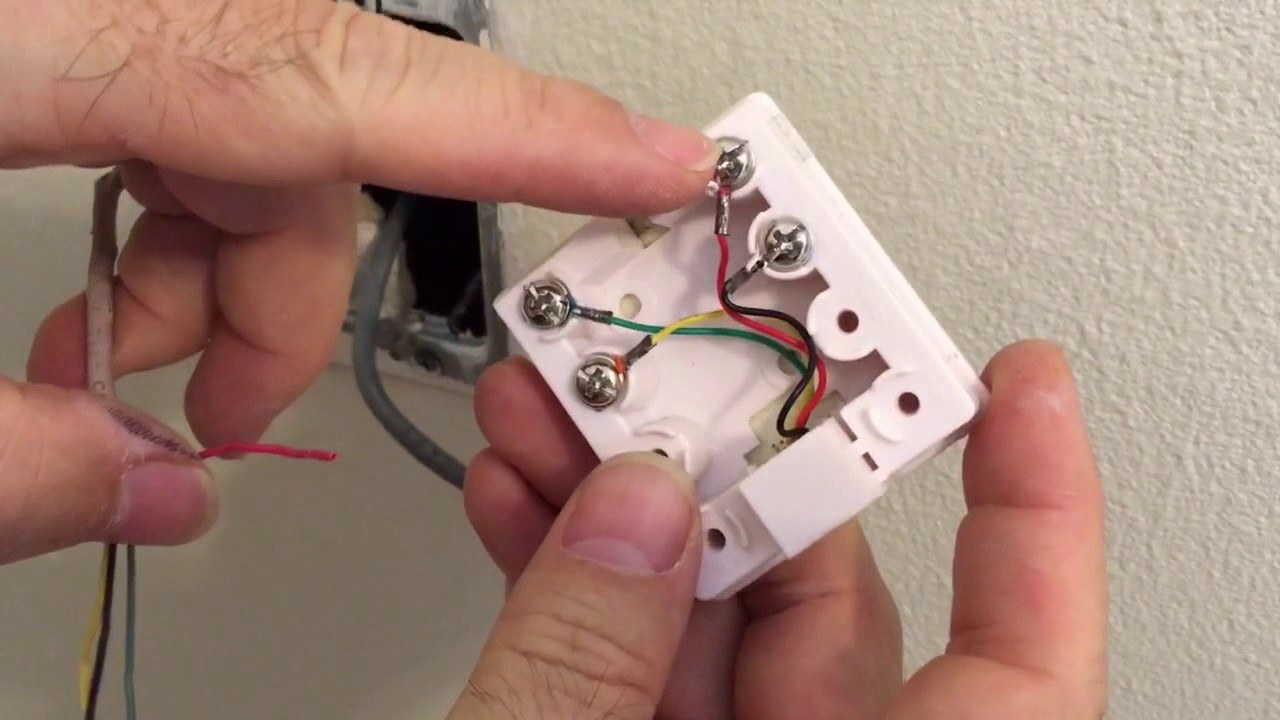
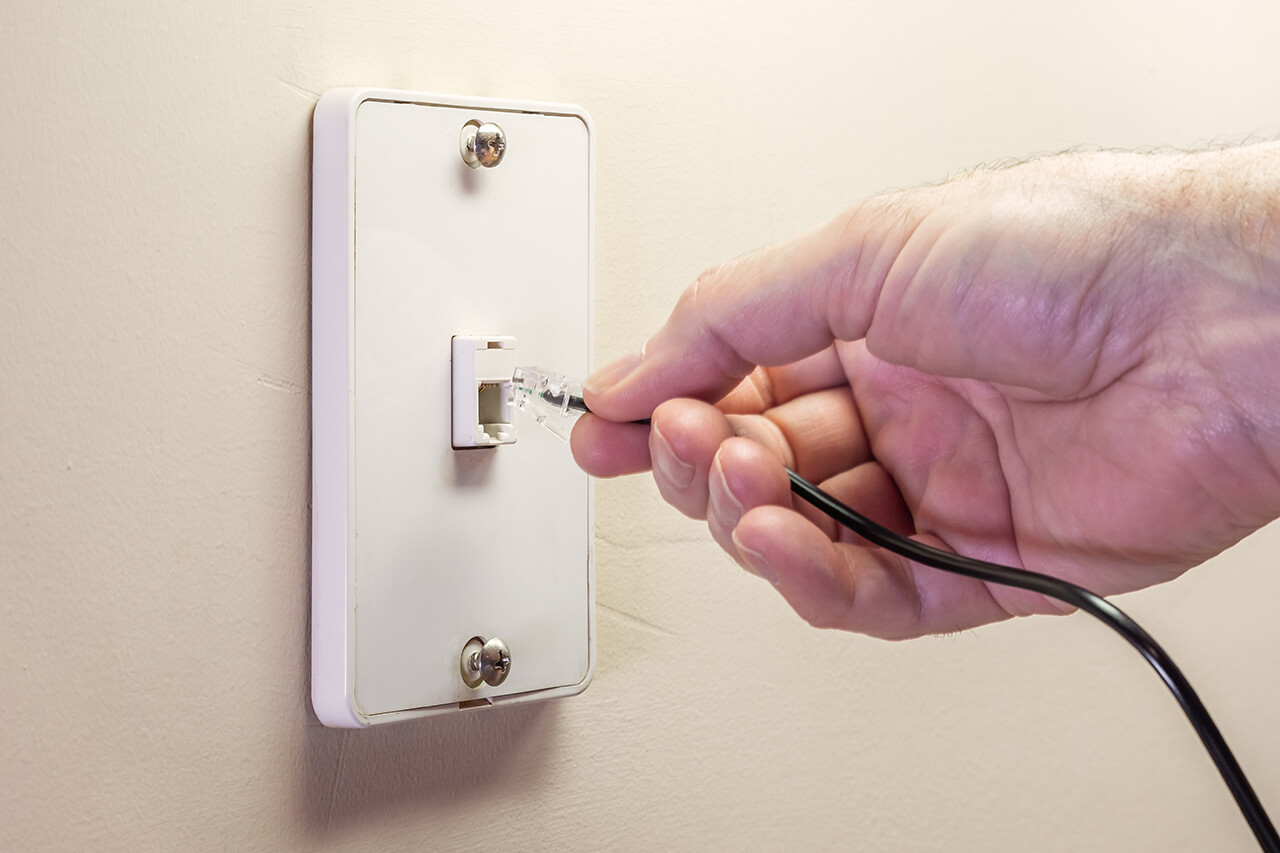
Unscrew the plate from the wall with your screwdriver. Pull the plate gently away from the wall to expose the internal wiring. Disconnect each wire from its terminal screw by loosening the screw and pulling the wire free. If the wires are connected with push-in terminals, press the release slot with a small screwdriver and pull the wire out. Set the old plate and screws aside.
Step 4: Patch the hole left by the phone jack
Clean the area around the hole with a damp cloth to remove dust. Apply patching compound with a putty knife, pressing it into the hole and smoothing it flush with the wall. Let it dry completely according to the package instructions. Sand the patch with fine-grit sandpaper until it is smooth and level with the surrounding wall. Wipe away dust, then paint the patched area to match your wall color. For a seamless look, feather the paint into the surrounding wall.
Step 5: Install a blank wall plate over the hole
If you prefer not to patch and paint, or if you want to keep the wiring accessible, use a blank wall plate. Align the plate over the hole so the screw holes line up with the holes in the wall or an old-work electrical box. Insert the screws and tighten them with a screwdriver until the plate sits flush against the wall. Do not overtighten, or you may crack the plate or damage the drywall.
Step 6: Test and finish the wall
Inspect the covered area. If you patched and painted, check that the paint is dry and the texture matches the rest of the wall. If you installed a blank plate, make sure it is level and the screws are snug. Test the phone jack by making a call or sending a fax to ensure a clear and stable connection without static or interference. If you encounter issues like no dial tone, inconsistent connection, or excessive static during testing, consult a professional electrician or telecommunications technician. Touch up any paint smudges or gaps with a small brush. The wall should look uniform, as if the phone jack never existed.
What if you want to use the phone jack again later?
If you think you might need the jack in the future, install a blank wall plate instead of patching the hole. Store the disconnected wires neatly inside the wall box or behind the plate. If you want to make the phone jack functional again, you can convert it into an internet or Ethernet port. When you want to restore service, simply remove the blank plate, reconnect the wires to the terminals on a new jack plate, and screw the plate back onto the wall. This approach keeps the line accessible without requiring drywall repair.
Frequently asked questions about covering old phone jacks
Can I cover an old phone jack without removing the plate?
Yes. You can place a decorative wall decal, adhesive wallpaper, or a small piece of fabric over the existing plate. This is the quickest method, but it will leave a slight bump on the wall and the plate will still be visible if you look closely.
Should I hire a professional to cover an old phone jack?
If you are not comfortable disconnecting wires or working with drywall patching, hire a handyman or electrician. They can complete the job in under an hour and ensure the wiring is safely capped.
How do I deal with a phone jack that has been painted over?
Score the paint line around the plate with a utility knife before unscrewing it. This prevents the paint from peeling off the wall when you remove the plate. After the plate is off, you can sand or scrape any remaining paint from the wall before patching or installing a new plate.
What if the phone jack has multiple wires I cannot identify?
If you see more than two wires (typically red, green, yellow, and black) and you are unsure which one serves the jack, call a professional. A technician can trace the wiring and disconnect the correct line without disrupting other phone jacks in your home.
Is it safe to leave a disconnected phone wire inside the wall?
Yes, as long as the wire is capped with a wire nut or electrical tape and the other end is disconnected at the interface box. The wire carries no power once the line is disconnected, so it poses no electrical hazard inside the wall cavity.
For the wider topic, see phone accessories and maintenance.
Related reading: How To Wire A Phone Jack With 6 Wires and How To Check A Phone Line.