




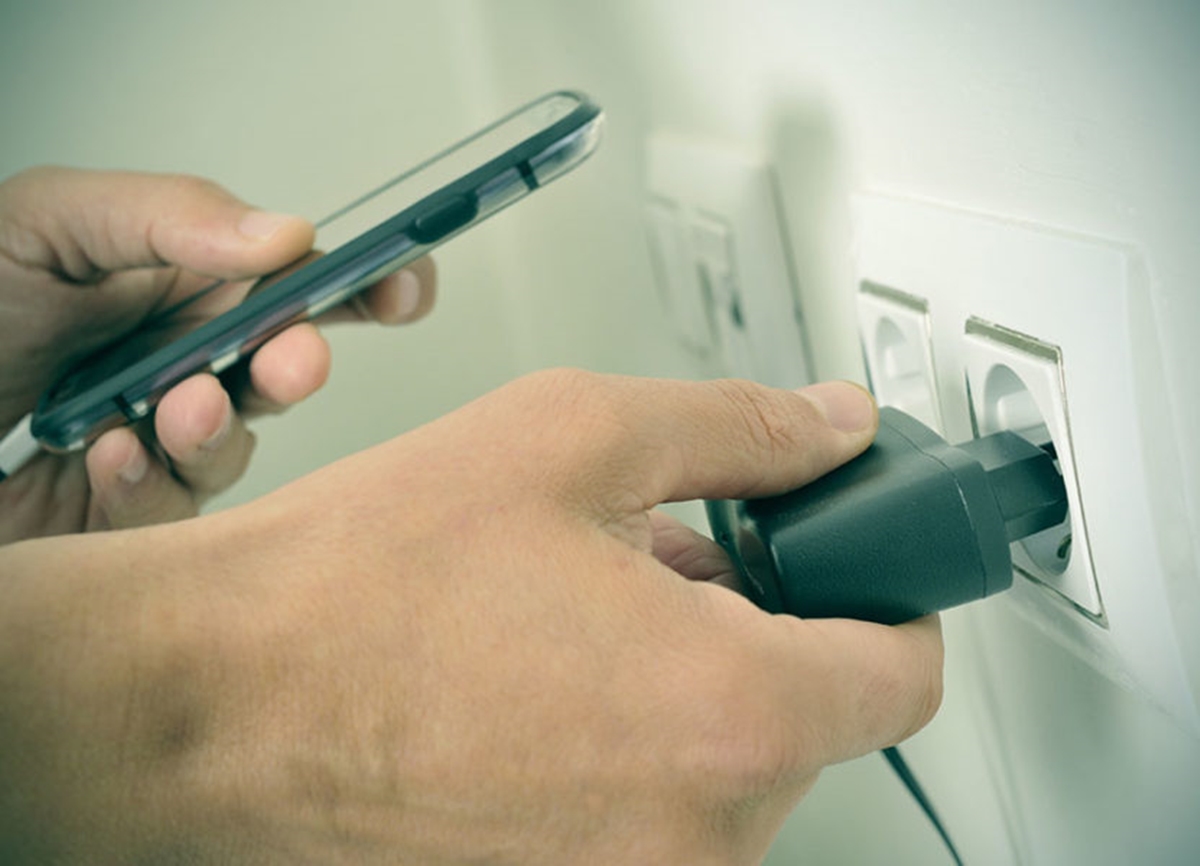
Licking a phone charger is unsafe because saliva is moisture, and official guidance for iPhone and Pixel states that charging should not be attempted when liquid is present in the connector, cable, or port. The immediate risks include electric shock, short-circuit potential, and permanent damage to both the device and the charger, which is why manufacturers explicitly warn against moisture in charging ports.
What happens if you lick a phone charger
Saliva acts as a conductor, bridging the electrical contacts inside the charger connector or phone port. When the charger is connected to power, this creates a path for current that can flow through your mouth or body. Google explicitly warns that using damaged cables or charging when moisture is present can cause fire, electric shock, injury, or damage to the device or other property. The severity of the shock depends on the voltage and the path the current takes, but even low-voltage chargers can deliver a painful jolt or cause burns where the current enters and exits the body.
Damage to your phone's charging port
Apple’s liquid-detection system is designed to protect the iPhone and its accessories. When liquid is detected in the Lightning or USB-C connector, charging and accessory connection remain unavailable until everything is completely dry. If you continue charging while the port is wet, Apple warns that the USB-C port can corrode the pins, causing permanent damage or stopping the port from functioning entirely. The same liquid-risk logic applies to supported Mac models, where charging while the port is wet can lead to irreversible failure. Apple’s USB-C liquid-detection guidance is documented for specific MacBook Air/Pro models, but that is a separate product line from phones[9].
Damage to the charger and accessories
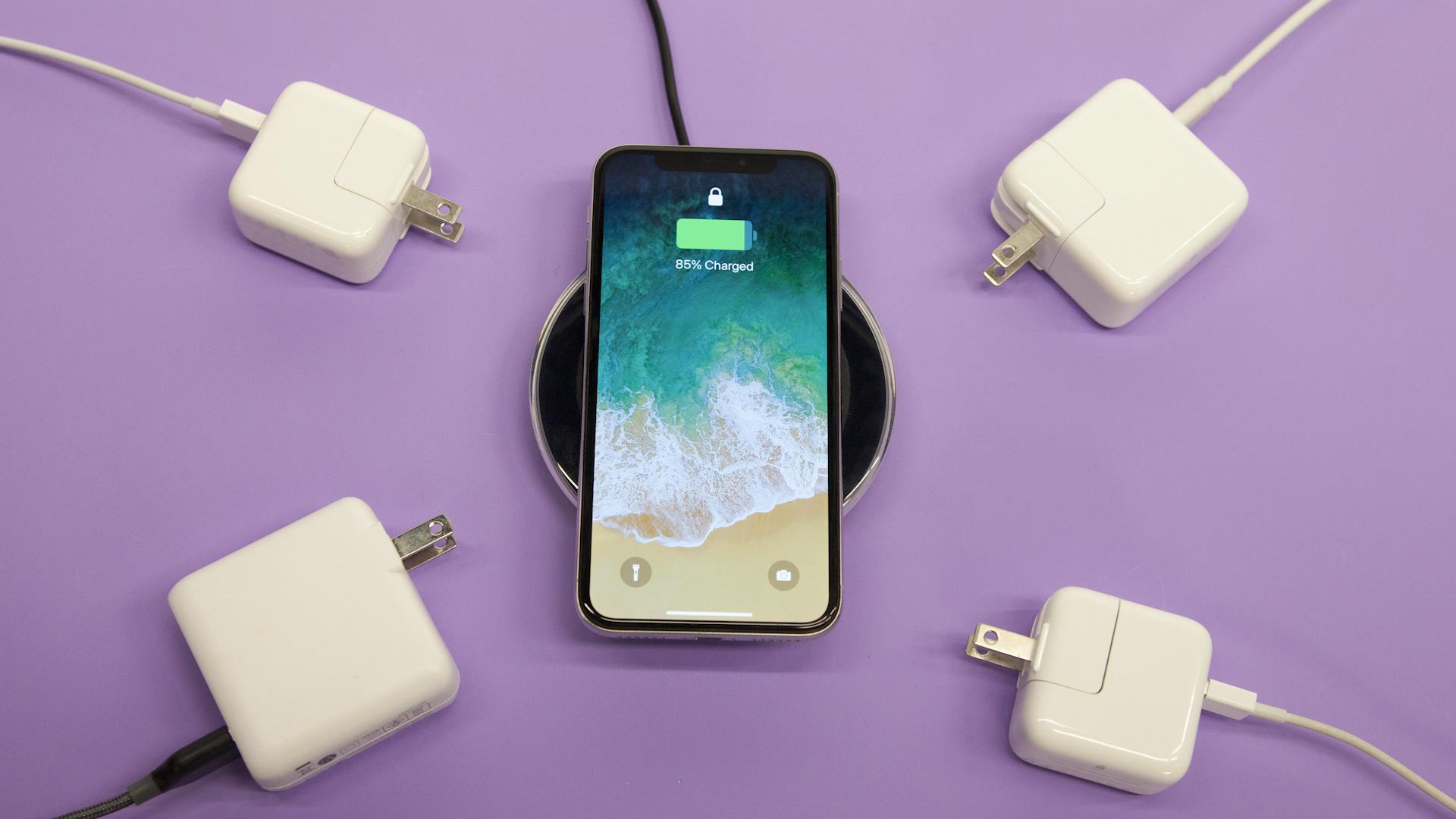
Moisture in the charger cable, plug, or accessory creates a short-circuit and overheating risk. Google specifically warns that moisture with charging accessories such as the Pixel Stand can cause fire, electric shock, injury, or damage. Apple adds that liquid detection is meant to protect both the iPhone and the accessory, and that charging remains unavailable until the connector, cable ends, and accessory are dry. Over time, corrosion from saliva can degrade the internal components of the cable and plug, leading to malfunction or complete failure. This is a key reason to keep all phone accessories and maintenance focused on keeping connectors dry and free of moisture.
What to do if your charger or port gets wet
If liquid enters the charging port or connector, follow these steps immediately:
For iPhone users
- Disconnect the charging cable immediately when the liquid-detection alert appears.
- Do not plug the charging cable into the port if you suspect liquid is present. Apple’s linked charging guidance says if liquid may be in the charging port, don’t plug the charging cable into it[15].
- Wait until the connector, cable ends, and accessory are completely dry before reconnecting.
- Note that the alert may read “Charging not available” or “Liquid Detected in USB-C Connector” depending on the connector type.
For Android / Pixel users
- Do not charge your device when it is wet.
- Before charging again, make sure the charging cable connector and the phone’s charging port are dry and clear of any objects.
- Google’s safety guidance for Pixel 7 through Pixel 11 families gives the same wet-charging warning: moisture with charging accessories can cause fire, electric shock, injury, or damage. Google documents the wet-charging warning in separate safety pages for Pixel 7, Pixel 8, Pixel 9, Pixel 10, and Pixel 11 families, with the advice consistent across those pages[1][2][4][7][8]. Google’s safety pages for Pixel 8, Pixel 9, Pixel 10, and Pixel 11 families give the same wet-charging warning, but the exact page title and supported model list vary by device generation[1][2][4][8].
Frequently Asked Questions
Can licking a phone charger break the phone?
Yes. If saliva gets into the connector or port and charging continues, official guidance warns of corrosion, permanent damage, or failure of the charging port. Apple and Google both document that moisture can cause irreversible harm to the device.
Can licking a phone charger shock you?
Yes. Google explicitly states that moisture during charging can cause electric shock. Saliva bridges the electrical contacts, creating a path for current that can result in a painful or dangerous shock.
Will a phone charger still work after getting saliva on it?
It might not. Apple says charging and accessory connection stay unavailable until the connector, cable ends, and accessory are completely dry. If corrosion has already occurred, the charger or cable may be permanently damaged.
How long does it take for a wet charging port to dry?
Manufacturers do not give a specific time. Apple advises waiting until everything is completely dry before reconnecting, which can take several hours depending on humidity and airflow. Do not use rice or heat sources to speed drying, as these can cause additional damage.
Is it safe to use a charger that has been licked if it looks dry?
No. Corrosion and internal damage may not be visible. Google and Apple both recommend not charging when moisture has been present, as residual moisture or corrosion can still cause short circuits or electric shock.
Related reading: Phone Charger Buzzing When Plugged In and How To Protect Your Phone Charger Cord.