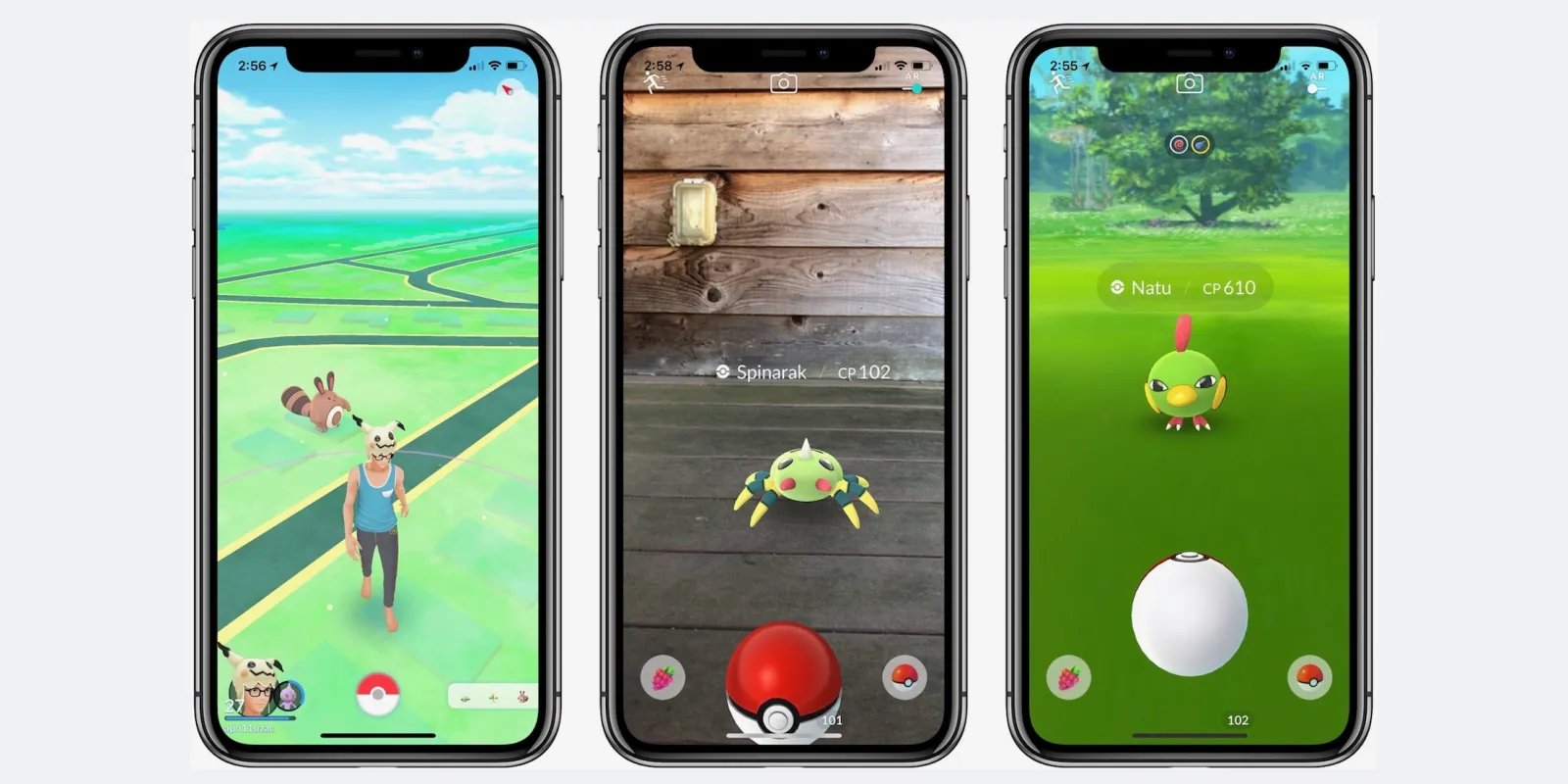






The rarest Pokémon in Pokémon GO are not a fixed set; their availability shifts constantly with events, raids, and seasonal rotations. To find the rarest Pokémon in Pokémon GO, you must understand the specific mechanics that make each category, legendary, regional, event, or wild, hard to obtain, and then use the legitimate methods detailed below to encounter or evolve them.
What makes the rarest Pokémon in Pokémon GO so hard to find?
Rarity in Pokémon GO is dynamic and event-driven, not a permanent list. Niantic regularly rotates which Pokémon appear in raids, research tasks, eggs, and the wild. A legendary Pokémon like Rayquaza may be common during a five-star raid week and then vanish for months. A regional Pokémon like Mr. Mime is common in Europe but effectively impossible to find in the Americas. This means the “rarest Pokémon in Pokémon GO” changes constantly, and accurate expectations are key: you cannot rely on a static guide, you must track current in-game events and rotations.
How to get Legendary and Mythical Pokémon
Legendary and Mythical Pokémon are the cornerstone of rare Pokémon in Pokémon GO. The primary, documented methods to obtain them are Five-Star Raids and Special Research tasks. Five-Star Raids appear at Gyms for a limited time (usually a week or month), and defeating the raid boss gives you a chance to catch the featured legendary. Special Research tasks, often tied to events or storylines, reward Mythical Pokémon like Mew, Jirachi, or Celebi upon completion. These Pokémon are unavailable outside their rotation, so you must participate during the active window or wait for a re-release.
Some Pokémon require special evolution requirements using specific buddy tasks, items, and candy. For example, you must make Pancham your buddy and capture 32 dark-type Pokémon, then evolve it using 50 Pancham candy. Feebas must be your buddy while you walk 20km, then evolve using 100 Feebas candy.
Other Pokémon require specific evolution items and candy. A Sinnoh Stone plus 100 candies evolves Aipom into Ambipom, Dusclops into Dusknoir, and others. An Unova Stone plus 50 candies evolves Minccino into Cinccino, Munna into Musharna, and others.
How to find Regional and location-locked Pokémon
Some of the rarest Pokémon in Pokémon GO are region-locked, meaning they spawn only in specific geographic areas. For example, Tauros is common in North America but absent elsewhere, while Mr. Mime spawns only in Europe. Others, like Uxie, Mesprit, and Azelf, are legendary Pokémon that appear in the wild only in specific continents. To obtain a regional Pokémon outside its home area, your only legitimate options are trading with a player who has one or traveling to that region during an event that temporarily expands its spawn range.
Specific regional Pokémon include: Tauros in North America, Heracross in Southern USA and South America, and Klefki in France. Other regions have their own exclusive spawns.
How to catch rare Event and costumed Pokémon
Limited-time events create rarity by introducing costumed or exclusive Pokémon that may never return. Examples include Armored Mewtwo, Holiday Delibird, and Ash Hat Pikachu. These Pokémon are only available during their specific event window, often through raids, research, or wild spawns. After the event ends, the only way to obtain them is through trading with another player who kept one. Trading is a legitimate method, but it requires finding a willing partner and spending Stardust.
How to hunt for rare Wild and Shiny Pokémon
Rare wild spawns include pseudo-legendaries like Axew, Deino, Gible, and Larvitar, as well as Dragon-type and fossil Pokémon. Other specific rare wild Pokémon include Shelmet, Chimeco, Tirtouga, Archen, Unown, Rhyhorn, Electabuzz, Voltorb, Porygon, and Magmar. These spawn at very low rates and are not tied to events. To hunt them, you must walk in areas with high spawn density (parks, cities) and use Incense or Lures to increase encounters. There is no guaranteed method; patience and volume are essential.
How to hatch rare Pokémon from eggs
Eggs obtained from PokéStops contain a random pool of Pokémon that rotates with events. Your egg inventory is limited to nine eggs. Rare Pokémon like Axew, Larvitar, or region-locked Tauros can hatch from eggs, but the odds depend on the egg type (2 km, 5 km, 7 km, 10 km, or 12 km). You can see the possible hatch pool by tapping an egg in your inventory. Following an update on April 8, 2021, tapping an egg now shows exactly which Pokémon it will hatch into. To maximize your chances, collect eggs from PokéStops during events that feature rare species, and use an incubator to hatch them. The process is random, but it is a legitimate way to obtain Pokémon that are otherwise very rare in the wild.
What you need to play Pokémon GO
Before you can hunt any rare Pokémon, you need a supported device. Pokémon GO requires an iPhone 6s or above running iOS 15 or above, or an Android device running Android 9 or above. Certain Bluetooth accessories, such as Pokémon GO Plus +, require an iPhone 7 or above. The app is not optimized for tablet use, and the preferred Android resolution is 720 × 1280 pixels. For players who also use location tracking and NFC (Location Tracking, AirTag and NFC Guides) to enhance their gameplay, ensure your device meets these minimum requirements to avoid compatibility issues.
Frequently Asked Questions
Can I still get a legendary Pokémon from a past raid?
Yes, if that legendary Pokémon returns in a future raid rotation or is featured in a Special Research event. Niantic regularly re-releases past legendaries, so check the in-game news for upcoming raids.
Are shiny Pokémon guaranteed during events?
No. Shiny rates increase during events like Community Days (often to 1 in 25), but they are never guaranteed. You must encounter and check many Pokémon to find one.
How do I trade for a region-locked Pokémon?
You must be physically near the other trainer (within 100 meters) and have enough Stardust. The cost is higher if the Pokémon is not already in your Pokédex. Trading does not change the Pokémon’s original region.
What is the best way to hatch rare Pokémon from eggs?
Use a Super Incubator for 10 km or 12 km eggs, as they hatch faster. During events that feature rare species in eggs, prioritize collecting those egg types from PokéStops.
Can I evolve a Pokémon into a rare form without an event?
Yes, for Pokémon with special evolution requirements (e.g., Feebas needing 20 km walked as a buddy, or Gloom needing a Sun Stone). These methods are permanent and not event-dependent.
For the wider topic, see location tracking and NFC.
Related reading: 20 Best Dog Pokémon in Pokémon GO (2022 List), 13 Best Poison Type Pokémon to Train in Pokémon Go!, and 20 Best Steel-Type Pokémon to Catch in Pokémon GO.



![Pokémon that Evolve by Trade in Pokémon Go [Complete List]](/wp-content/uploads/2022/01/trade-evolution.jpg)