



AT&T mobile hotspot costs range from $0 (included in your plan) to $90 per month for a standalone plan, depending on whether you choose a postpaid, prepaid, or dedicated hotspot plan. For most users, the answer to "how much is hotspot on at&t" is that it's a built-in feature of your wireless plan, not a separate service you pay for on its own.
How much is hotspot on AT&T?
AT&T includes hotspot data in its postpaid unlimited plans at no extra charge, with allocations starting at 3GB on the cheapest tier. Prepaid plans let you use your regular data for hotspot, while standalone hotspot plans cost between $25 and $90 per month. The exact price depends on your plan type, data allowance, and whether you pay monthly or upfront for a longer term.

AT&T postpaid plans with hotspot data
AT&T offers three unlimited postpaid plans that include hotspot data as a standard feature. After you use your full high-speed hotspot allocation, speeds drop to 128Kbps for the rest of the billing cycle, but hotspot continues to work.
- Unlimited Starter: $65 per month for one line, includes 3GB of high-speed hotspot data.
- Unlimited Extra: $75 per month for one line, includes 15GB of high-speed hotspot data.
- Unlimited Premium: $85 per month for one line, includes 50GB of high-speed hotspot data.
These plans provide 5G access on all tiers, and the throttle after your limit is 128Kbps, enough for basic messaging and email but not for streaming or large downloads.
AT&T prepaid plans with hotspot data
On AT&T prepaid plans, hotspot data draws from your general monthly data allotment rather than having a separate bucket. The unlimited prepaid plan requires a $10 monthly add-on to get 5GB of dedicated hotspot data. Prepaid plans generally offer 4G/LTE speeds, with 5G access limited to the unlimited prepaid tier when you add the hotspot feature. AT&T Prepaid hotspot requires an AT&T Prepaid plan with mobile hotspot data available, a hotspot-capable smartphone, and being within the AT&T coverage area.
- AT&T Prepaid 5GB: $30 per month, uses your 5GB for both phone data and hotspot.
- AT&T Prepaid 15GB: $40 per month, uses your 15GB for both phone data and hotspot.
- AT&T Prepaid 8GB (3-month): $99 for three months ($33/month), uses your 8GB for both phone data and hotspot.
- AT&T Prepaid 16GB (12-month): $300 for 12 months ($25/month), uses your 16GB for both phone data and hotspot.
- AT&T Prepaid Unlimited: $65 per month, plus $10 per month for 5GB of dedicated hotspot data.
Standalone hotspot and tablet plans
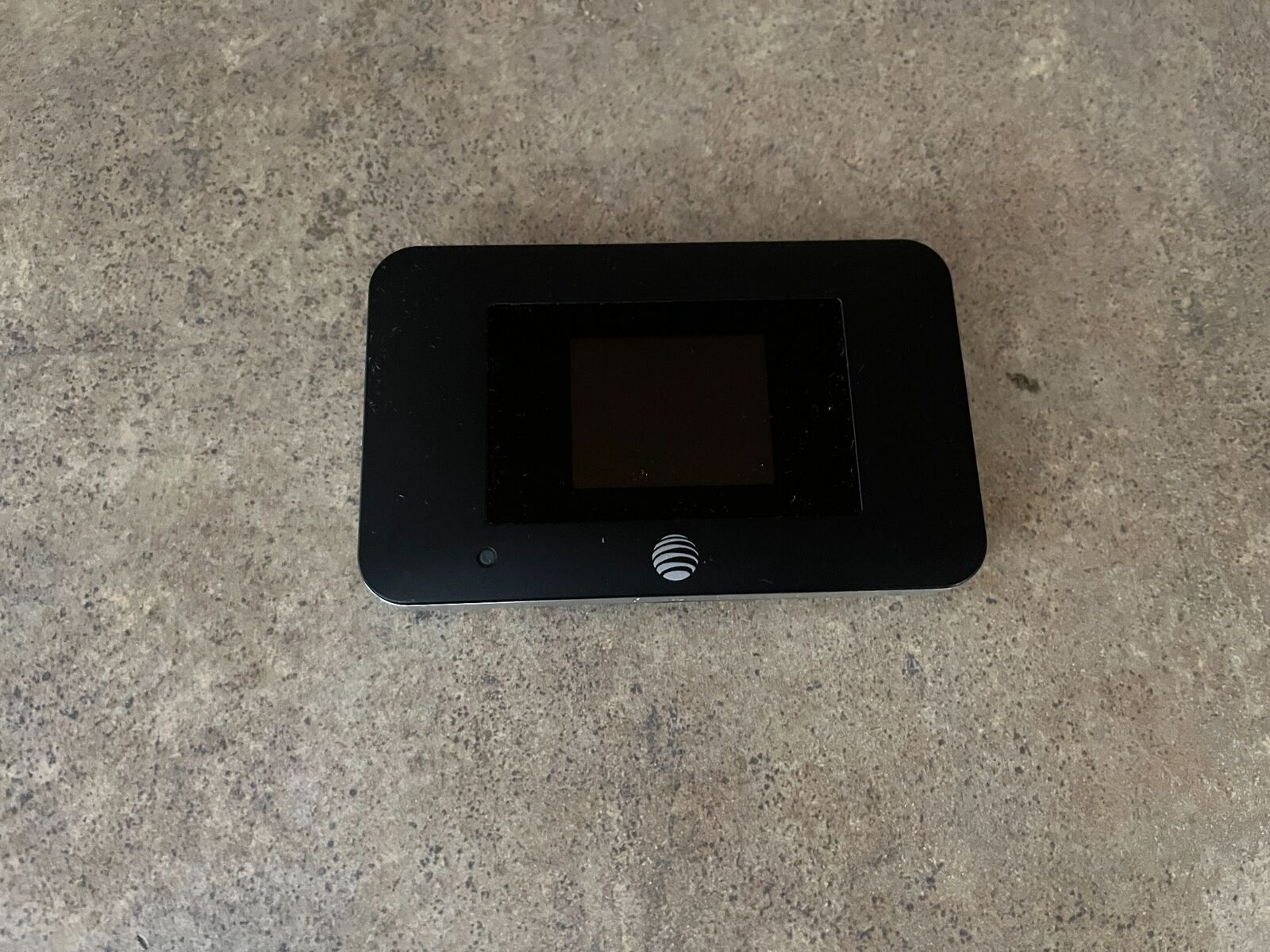
For dedicated hotspot devices or tablets that don't share a phone plan, AT&T offers standalone data plans. These plans make sense when you need a separate internet connection for a device that isn't your phone, such as a portable Wi-Fi router or a tablet used for work. Prices range from $25 per month (with an annual prepaid commitment) to $90 per month.
- 20GB annual prepaid: $300 for 12 months ($25/month).
- 15GB monthly: $35 per month.
- 50GB monthly: $55 per month.
- 100GB monthly: $90 per month.
All standalone hotspot and tablet plans include 5G access. The annual prepaid option requires full payment upfront but offers the lowest monthly cost.
How to add more hotspot data on AT&T
On AT&T prepaid plans, you can add more hotspot data through your wireless add-ons. AT&T says to add more mobile hotspot data, go to 'your wireless add-ons' and sign in if asked. For non-unlimited prepaid plans, adding 1GB costs $10 and adding 3GB costs $20. For the unlimited prepaid plan, you can add 5GB of dedicated hotspot data for $10 per month. AT&T's postpaid plans do not offer hotspot data add-ons because the hotspot is already unlimited (though throttled after your high-speed cap). If you need more high-speed hotspot on postpaid, your only option is to upgrade to a higher-tier plan.
How to get discounts on AT&T hotspot plans
Multi-line discounts are the most effective way to lower per-line costs on postpaid plans. For example, the Unlimited Premium plan drops from $85 for one line to $75 for two lines, and as low as $45 per line with five lines. On prepaid, the annual plans offer significant savings, the 16GB plan costs $25 per month when paid annually versus $40 per month when paid monthly. AT&T does not offer standalone hotspot-specific discounts beyond these multi-line and annual prepaid savings.

How fast is AT&T's hotspot?
AT&T's hotspot speed depends on your plan and device. Postpaid unlimited plans and standalone hotspot/tablet plans include 5G access, so you can get 5G speeds if you have a 5G-capable device. Most prepaid plans are limited to 4G/LTE speeds, except the unlimited prepaid plan which offers 5G access when you add the hotspot feature. Your device's hardware also matters, a 4G-only phone will never get 5G hotspot speeds, even on a 5G plan.
Can I use my phone or a separate device as a hotspot?
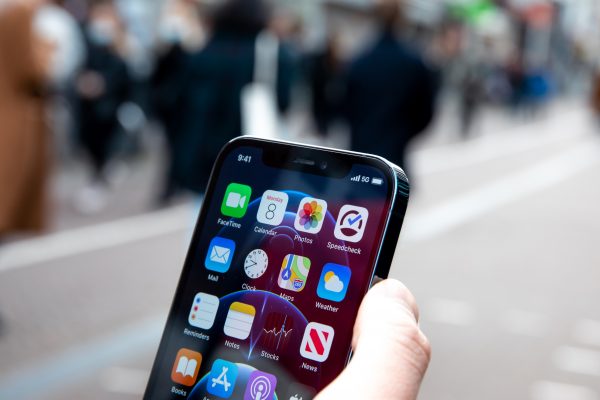
Yes, modern smartphones work as hotspots if your plan includes hotspot data and your phone is hotspot-capable. You can also use dedicated hotspot devices, tablets, and even in-car Wi-Fi through AT&T. For cars, you need a vehicle with built-in hotspot infrastructure or a compatible plug-in accessory. AT&T's general hotspot page says hotspot can be used with smartphones, tablets, netbooks, MP3 players, and more if the device is Wi‑Fi capable. Any Wi-Fi-capable device, including laptops, MP3 players, and smart glasses, can connect to your hotspot.
How to enable hotspot on Android and iPhone
On Android
- Open Settings.
- Tap Connections or Network & Internet.
- Tap Mobile Hotspot and Tethering.
- Toggle the Mobile Hotspot switch on.
- To change the network name, password, or security settings, tap Mobile Hotspot settings then Configure Mobile Hotspot, edit the fields, and tap SAVE.
On iPhone
- Open Settings.
- Tap Personal Hotspot, or tap Cellular then Personal Hotspot.
- Turn on Allow Others to Join.
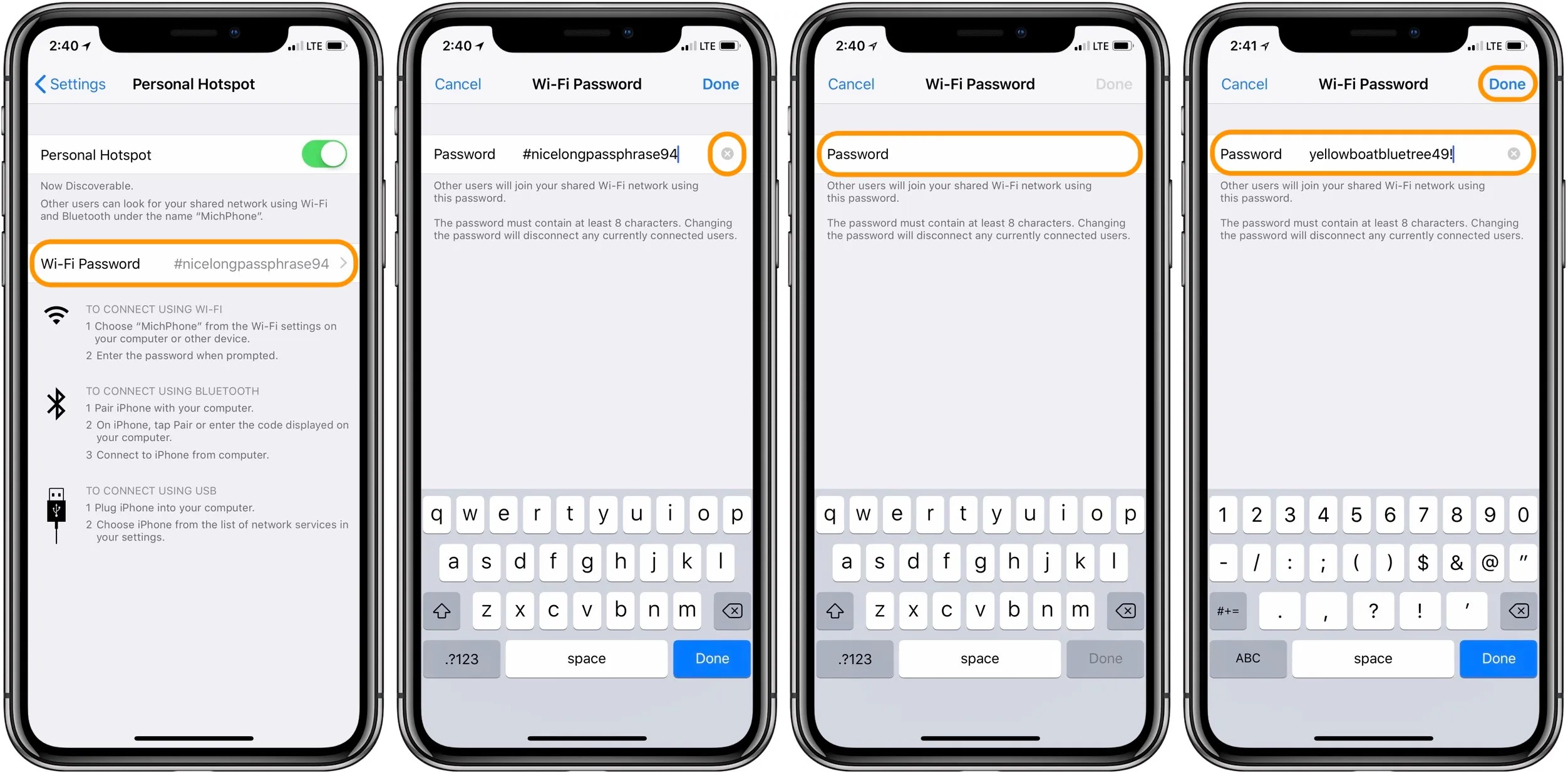
- To change the password, tap Wi‑Fi Password, enter a new one, then tap Done.
- To rename the hotspot network, go to Settings > General > About, tap the device name, edit it, then tap Done.
For a quick toggle on newer iPhones, swipe down from the upper-right corner to open Control Center, select the Cellular icon, then Personal Hotspot. On iPhones with a Home button, swipe up from the bottom, press and hold the center of the Connectivity tab, and select the Personal Hotspot icon. On iPhone, connected devices show a 'Personal Hotspot' label and the number of connected devices in the notifications bar. AT&T documents hotspot setup on specific iPhone models including iPhone XS Max, iPhone 14 Pro, and iPhone 15.
Frequently Asked Questions
Does AT&T charge extra for using my phone as a hotspot?
No, AT&T does not charge a separate fee for turning your phone into a hotspot. The hotspot feature is included in your plan's data allowance. On postpaid unlimited plans, hotspot is built in. On prepaid plans, you use your regular data, or you pay a $10 add-on for dedicated hotspot data on the unlimited prepaid plan.
Can I use hotspot on AT&T prepaid without a special add-on?
Yes, on most AT&T prepaid plans, hotspot is included by default and simply uses your plan's general data. The only exception is the unlimited prepaid plan, which requires a $10 monthly add-on to enable hotspot.
What happens when I run out of hotspot data on AT&T?
On postpaid unlimited plans, your hotspot speed drops to 128Kbps but continues working for the rest of the month. On prepaid plans, hotspot stops working when your data runs out unless you purchase a data add-on. AT&T warns that some plans may throttle or cut off mobile data after the monthly limit is reached.
Does AT&T limit how many devices can connect to my hotspot?
The number of devices you can connect depends on your phone's hardware and software capabilities, not on your AT&T plan.
Can I get 5G hotspot speeds on AT&T prepaid?
Yes, but only on the unlimited prepaid plan with the $10 hotspot add-on. All other prepaid plans are limited to 4G/LTE hotspot speeds.
Do I need a special device to use AT&T's standalone hotspot plans?
You need a hotspot-capable device such as a dedicated mobile hotspot, a tablet, or a car with built-in Wi-Fi. Any Wi-Fi-capable device can then connect to that hotspot.
For the wider topic, see hotspot data allowances.
Related reading: Why Is My Metro Hotspot Not Working and How Much Does Hotspot Cost Verizon.