



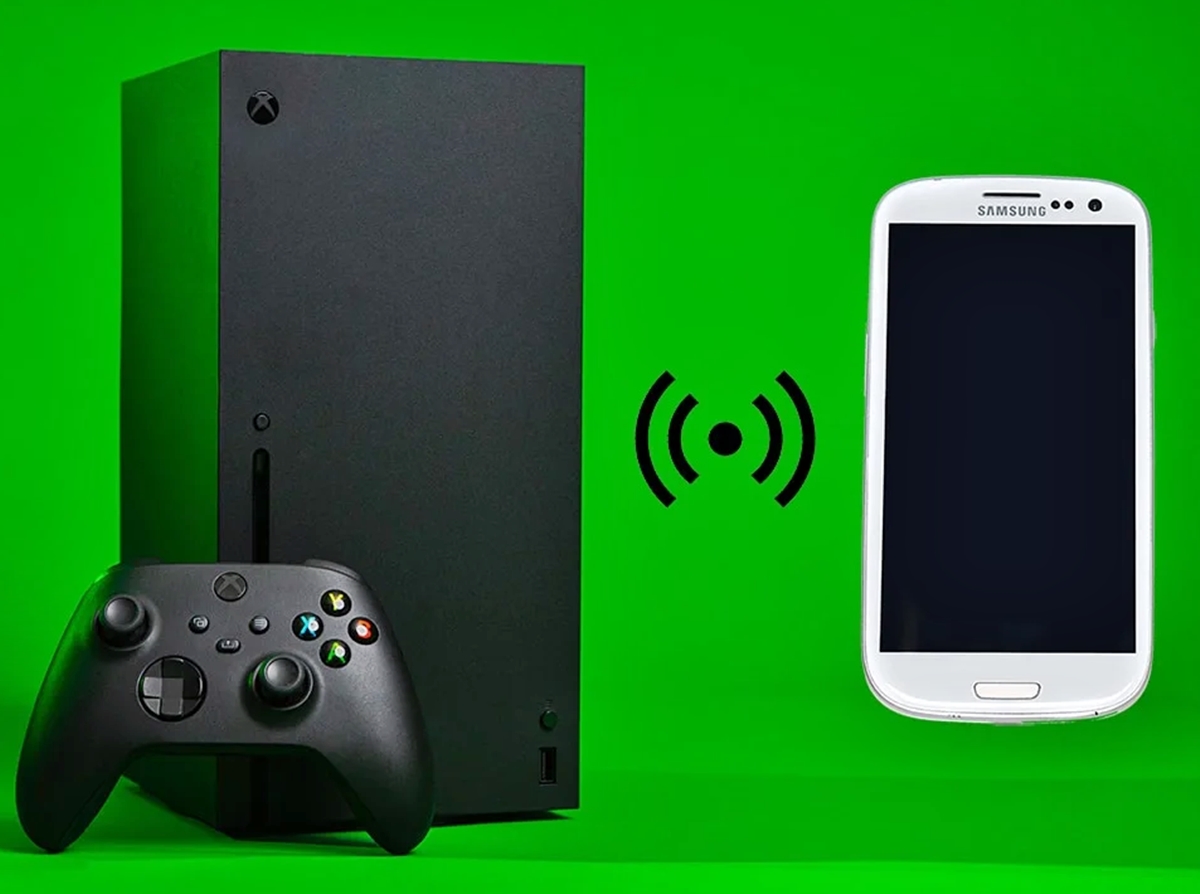
To cast from phone to Xbox One, you can use two verified methods: screen mirroring with the Wireless Display app or media streaming with the Media Player app. These approaches let you watch videos, view photos, or play mobile games on your TV without extra cables.
How to cast from phone to Xbox One: An introduction
Screen mirroring replicates your phone’s display in real time, while media streaming lets you browse and play specific files stored on your phone. Both methods require your phone and Xbox One to be on the same Wi-Fi network, but they work differently depending on what you want to do. If you want to watch a video from a streaming service or play a mobile game, mirroring is your best option. If you have downloaded movies, photos, or music on your phone, streaming those files directly is more efficient.
Method 1: Mirror your screen with the Wireless Display app
This method mirrors your entire phone screen, making it ideal for casting apps to a TV or showing anything that appears on your phone’s display.
- On your Xbox One, navigate to the 'Settings' menu by selecting the 'Guide' button on your controller and then selecting the 'Settings' tab.
- In Settings, scroll down and select 'Device connections.' Here, you will find the option to enable device connections. Toggle this option to turn it on.
- On your Xbox One, go to the Microsoft Store and search for “Wireless Display.” Download and install the app.
- Launch the Wireless Display app on your Xbox One. The app will show the name of your Xbox One and wait for a connection.
- Download and install the Xbox app on your phone. Sign in with your Xbox account using the same credentials as your console.
- Open the Xbox app on your phone and tap the 'Connect' button (resembling a console icon) in the top right corner.
- Tap on your Xbox One to establish the connection. The app may prompt you to enter a code displayed on your console to verify the connection.
- On your phone, open the screen casting feature. On Android, this is usually called “Smart View,” “Screen Cast,” or “Cast.” On iOS, you may need a third-party app that supports Miracast, as iOS does not natively support this protocol.
- Select your Xbox One from the list of available devices. Your phone’s screen will appear on your TV through the Xbox One.
Once connected, everything you do on your phone, browsing apps, watching videos, or playing games, appears on the larger screen. Audio from your phone also plays through your TV or sound system. You can use your phone as a remote control for your Xbox One to navigate menus, control media playback, and use your phone as a keyboard for text input.
Method 2: Stream media files with the Media Player app
This method streams videos, photos, and music from a DLNA-compatible phone (primarily Android) to your Xbox One, letting you browse and play files without mirroring your entire screen.
- Ensure your phone and Xbox One are connected to the same Wi-Fi network.
- On your Xbox One, open the “Media Player” app. If it is not installed, download it from the Microsoft Store.
- On your phone, enable DLNA media sharing. On Android, this is often in Settings under “Connected devices” or “Media sharing.” Some phones require a DLNA server app like BubbleUPnP or Plex.
- The Media Player app on your Xbox One will detect your phone as a DLNA server. Select your phone from the list of available devices.
- Browse the folders on your phone and select a video, photo, or music file to play on your TV.
This method works well for personal media collections and does not interfere with other tasks on your phone. You can still use your phone normally while media plays on the Xbox One.
Troubleshooting connection problems
If your devices cannot find each other, the connection drops, or you experience lag, start by checking your Wi-Fi network. Restart your router and modem, then reconnect both devices. Move your phone and Xbox One closer to the router to improve signal strength.
If the problem persists, restart the Wireless Display or Media Player app on your Xbox One. Close the app completely, then reopen it. On your phone, toggle the casting or DLNA feature off and on. For screen mirroring, ensure your phone supports Miracast, most Android devices do, but iPhones do not. For DLNA streaming, confirm your phone is running a DLNA server app and that media files are in a compatible format (such as MP4 for video or MP3 for audio).
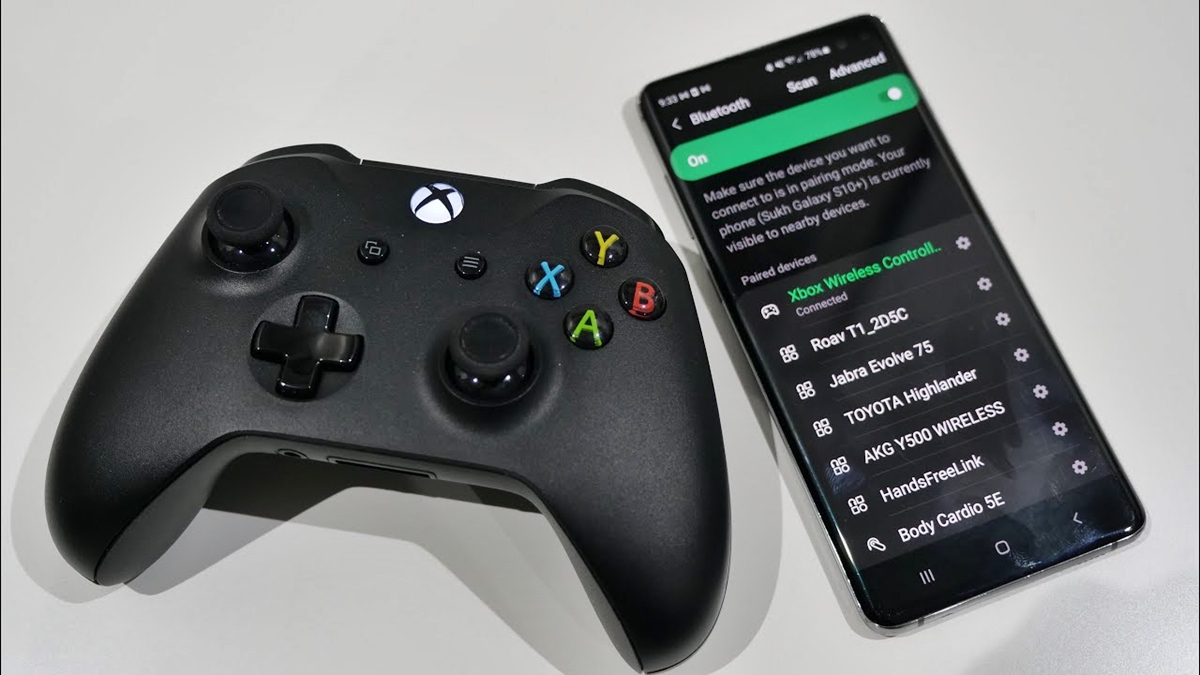
If your controller input is not being recognized while casting, ensure that it is properly connected to your Xbox One. Double-check the battery level of your controller and try reconnecting it via USB or wirelessly. You may need to update your controller's firmware.
If audio and video fall out of sync, pause playback for a few seconds, then resume. If lag continues, reduce the video quality in the streaming app on your phone or close other apps using the network. Restarting both your phone and Xbox One can also resolve temporary connectivity issues.
Frequently Asked Questions
Can I cast any app from my phone to Xbox One?
Screen mirroring with the Wireless Display app shows everything on your phone, including any app. However, some streaming apps (like Netflix or YouTube) may block mirroring due to copyright protection. For those apps, use the Xbox One’s built-in app instead of casting from your phone.
Can I cast games from my phone to Xbox One?
Yes, you can mirror mobile games using the Wireless Display app. The game will appear on your TV, but you still control it from your phone. Performance depends on your Wi-Fi network’s speed and stability; lag may affect fast-paced games.
Can I control playback on Xbox One while casting from my phone?
When screen mirroring, you control playback on your phone, your phone acts as the remote. When streaming media files with the Media Player app, you can use your Xbox controller to pause, play, skip, and adjust volume. You can also use your phone as a remote if the DLNA server app supports it.
Does casting work with iPhones?
What devices can I use to cast to Xbox One?
You can cast from smartphones running iOS or Android, tablets, and computers.
Why is the video quality poor when casting?
Poor video quality usually results from a weak Wi-Fi signal or network congestion. Move your phone and Xbox One closer to the router, reduce interference from other devices, and ensure no other devices are streaming high-bandwidth content. For DLNA streaming, lower the video resolution in your phone’s sharing settings if available.