




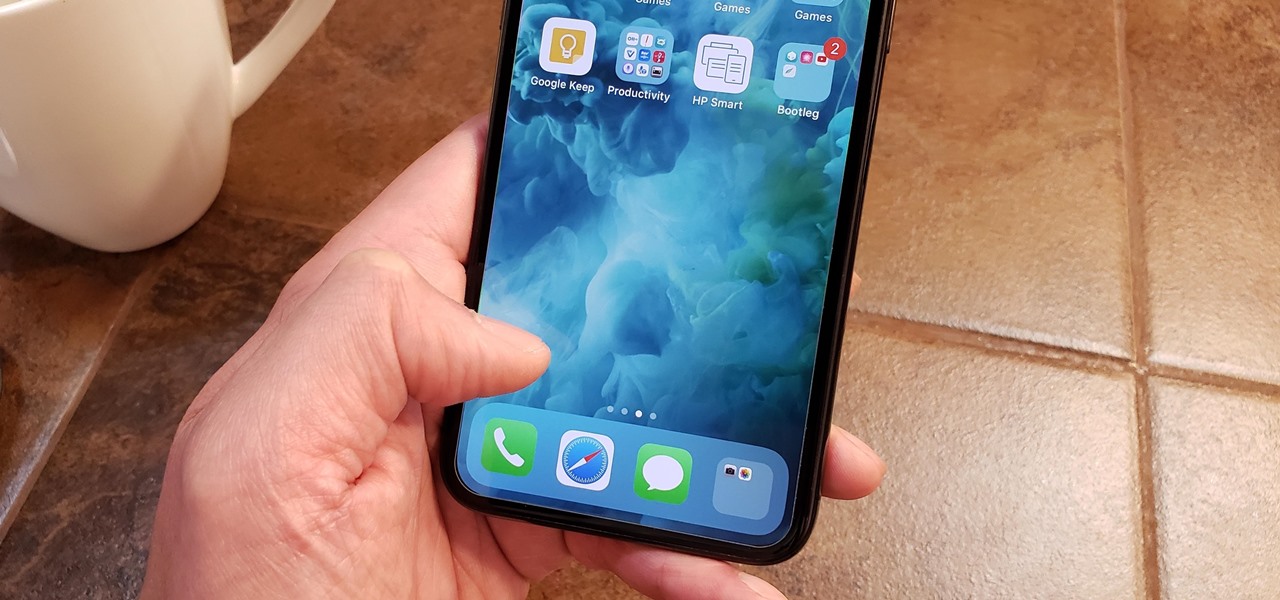
Apple does not provide a setting to change the swipe on iPhone home screen; the swipe left always opens Today View and swipe right always opens App Library, and this behavior is fixed in iOS. No menu exists in Settings to remap what these swipes trigger, so the direct answer is that you cannot change the swipe on iPhone home screen through any supported Apple feature.
Why you might want to change the home screen swipe
The desire to customize this gesture usually comes from a few common motivations. Personalization is a big one, many users enjoy changing wallpapers and themes on phones, and a custom swipe feels like another way to make the device their own. Productivity is another driver, since reassigning the swipe to a frequently used app or action could save time compared to hunting through multiple screens. Some users also want to prevent accidental app launches, especially if they frequently trigger Today View or App Library when they meant to swipe between pages. Finally, uniqueness matters: a custom swipe adds a touch of individuality to an otherwise uniform interface.
What you can actually adjust: Touch Accommodations swipe gestures
While you cannot change what the Home Screen swipe does, you can adjust how the iPhone recognizes swipe gestures for accessibility purposes. This is done through Touch Accommodations, which changes the sensitivity of swipes rather than their function. Touch Accommodations includes Hold Duration, Ignore Repeat, and Tap Assistance options.
- Open Settings on your iPhone.
- Go to Accessibility.
- Tap Touch.
- Select Touch Accommodations.
- Turn on Touch Accommodations if it is not already enabled.
- Enable Swipe Gestures, which is only available when Hold Duration or Tap Assistance is also on.
With Swipe Gestures enabled, you can set a minimum swipe distance and a swipe direction tolerance. This controls how far and how precisely you must swipe before the iPhone registers the gesture as a swipe rather than a tap. It does not change what the swipe opens, Today View and App Library remain fixed, but it can reduce accidental swipes or make swiping easier if you have motor control challenges. The setting applies to all swipe gestures on the device, not just the Home Screen, and it does not offer any option to remap the swipe to a different action.
Other iPhone gestures you can customize
Although the Home Screen swipe is fixed, Apple does document several other gestures that you can customize under Accessibility settings.
Reachability is one option. When enabled, it lets you double-tap the bottom edge of the screen to bring the top of the display within reach. You can turn it on by going to Settings > Accessibility > Touch > Reachability.
Back Tap is another customizable gesture. Back Tap is available under Settings > Accessibility > Touch > Back Tap. Back Tap lets you assign actions to double-tapping or triple-tapping the back of your iPhone. Back Tap can trigger actions like opening Control Center, taking a screenshot, or launching a specific app.
AssistiveTouch provides even more control. AssistiveTouch adds a floating button on screen that you can customize to perform various actions, including custom gestures you record yourself. AssistiveTouch gives you alternative ways to trigger actions that might otherwise require a swipe.
How Android handles swipe navigation differently
Android offers a more flexible approach to navigation gestures. On Android, you can change the navigation mode under Settings > System > Gestures > Navigation mode or Settings > System > Gestures > System navigation. The available options include Gesture navigation, 2-button navigation, and 3-button navigation. Android offers 2-button navigation and 3-button navigation options. With Gesture navigation, you swipe up from the bottom of the screen to go home. With 2-button or 3-button navigation, you use a dedicated Home button instead of a swipe. Android documents a separate 'Swipe up on Home button' option under Settings > System > Gestures > Swipe up on Home button for older navigation modes. This flexibility means Android users can choose between swipe-based and button-based navigation, whereas iPhone users have no such choice for the Home Screen swipe.
What about jailbreaking?
Jailbreaking is the only way to actually remap the Home Screen swipe on an iPhone, but it comes with significant risks. Jailbreaking removes Apple's restrictions and allows tweaks like Activator to assign custom actions to swipes and other gestures. However, jailbreaking voids your warranty, jailbreaking can make your device unstable, and jailbreaking creates security vulnerabilities that Apple does not patch. It is not a supported or recommended approach for most users, and it contradicts Apple's documented behavior for the Home Screen swipe.
Frequently Asked Questions
Can the Home Screen swipe be changed in any supported way?
No. The swipe left opens Today View and swipe right opens App Library, and this behavior is fixed in iOS.
What does Touch Accommodations actually do to swipes?
Touch Accommodations changes how the iPhone recognizes swipe gestures for accessibility. It adjusts the minimum swipe distance and direction tolerance, but it does not change what the swipe triggers. The swipe still opens Today View or App Library.
Can third-party apps change the Home Screen swipe?
No. Third-party apps cannot alter system navigation gestures on a non-jailbroken iPhone. They can provide custom widgets or shortcuts, but they cannot remap the Home Screen swipe itself.
Does changing the swipe in Settings affect all apps or just the Home Screen?
Touch Accommodations applies to the entire device, not just the Home Screen. When enabled, it changes how the iPhone recognizes all swipe gestures across apps and system interfaces.
Is there any way to make the Home Screen swipe less sensitive?
Yes. By enabling Touch Accommodations and adjusting Swipe Gestures, you can require a longer swipe distance before the gesture is recognized. This can reduce accidental swipes, but it does not change what the swipe does.