




Can your phone actually check temperature with phone sensors?
No, most phones cannot measure temperature with built-in sensors. Only the Google Pixel 8 Pro, Pixel 9 Pro, Pixel 9 Pro XL, Pixel 10 Pro, and Pixel 10 Pro XL include a dedicated infrared temperature sensor located on the back next to the camera. For everyone else, you have three real options: use an external thermal camera, pair a Bluetooth thermometer, or use a wearable like a Samsung Galaxy Watch.
Method 1: Use the built-in sensor on Google Pixel Pro phones
If you own one of the compatible Pixel Pro models, the Thermometer app gives you two distinct measurement modes. The sensor reads infrared radiation from objects or skin, and the app guides you through each reading. This is the only way to check temperature with phone hardware alone, with no extra accessories required. The built-in temperature sensor measures ambient temperature of surroundings, not specific objects or individuals. The accuracy of the built-in temperature sensor is limited to the ambient temperature of your surroundings. The temperature sensor on Pixel Pro models is located on the back of the phone, next to the camera.
To measure an object's surface temperature:
- Open the Thermometer app and tap "Object Temperature."
- Select the material you're measuring from the list.
- Position the phone within 2 inches of the object.
- Tap to capture the reading.
The object temperature sensor works across a range from -20°C to 200°C (-5°F to 392°F), making it useful for checking hot surfaces, cold drinks, or cooking oil before use. To measure object temperature with a compatible Pixel Pro phone, open the "Thermometer" app, tap "Object Temperature," select the material, and position the phone within 2 inches of the object before tapping to capture.
For body temperature, the process is different because it requires a scan of bare skin:
- Open the Thermometer app and tap "Body temperature."
- Hold the camera bar centered on your forehead, close but not touching.
- Slowly scan from the forehead toward the temple.
Accurate body readings require access to bare skin, so move hair away and remove hats or headbands. The phone should stay near the skin without making contact. For body temperature on Pixel Pro, the sensor needs access to bare skin, and the phone should be held close to the forehead without touching. This method is ideal for quick family checks, but remember the sensor measures skin temperature, not core body temperature.
Method 2: Attach an infrared thermal camera to any phone
If you don't own a Pixel Pro, an external thermal camera attachment is the most powerful way to check temperature with phone hardware. These compact devices plug into your phone's charging port and detect infrared radiation emitted by objects, then render that data as a thermal image on your screen through a companion app.
To use one, attach the camera module securely, launch the paired app, and point the phone at your target. The app displays a color-coded heat map, letting you see hot and cold spots instantly. This works well for home maintenance tasks like finding air leaks around windows, checking electrical panels for overheating breakers, and verifying food reaches safe serving temperatures. The thermal image updates in real time, so you can sweep a room or inspect equipment quickly.
Accuracy depends on the quality of the camera module and its calibration, but most consumer models are precise enough for everyday troubleshooting. These attachments are bulkier than a phone alone, and they cost extra, but they transform any phone into a professional-grade thermal imager.
Method 3: Pair a Bluetooth thermometer for wireless readings
For the most reliable temperature measurements without buying a camera, a Bluetooth thermometer is a simple wireless solution. These small devices connect to your phone via Bluetooth and transmit readings directly to a companion app, so you never have to read a tiny LCD screen.
To get started:
- Turn on the Bluetooth thermometer and enable Bluetooth on your phone.
- Open the device's companion app and follow the pairing prompt.
- Position the thermometer according to the app's instructions (forehead, ear, or underarm).
- Wait for the reading to appear on your phone screen.
The main benefit is contactless measurement when you need it, such as checking a child's temperature without waking them or screening in a public setting. Many models also track readings over time, letting you spot fever trends or monitor recovery. Some apps let you set temperature thresholds and receive alerts, and you can usually export history for your doctor. Since the thermometer does the actual sensing, accuracy is far better than any phone-based app that tries to guess from ambient sensors.
What about Samsung users?
Samsung doesn't put a temperature sensor in its phones, but the Samsung Galaxy Watch 5 and later models include an infrared skin temperature sensor. This wearable measures your skin temperature while you sleep, and the data appears in the Samsung Health app each morning. Samsung Galaxy Watch 5 and later models have an infrared temperature sensor that measures skin temperature during sleep, which can be viewed in the Samsung Health app.
Are phone temperature readings accurate enough?
Honest answer: it depends on the method. The Pixel Pro's infrared sensor is accurate for surface temperatures, but body temperature readings can vary with ambient conditions, skin moisture, and how steadily you hold the phone. External thermal cameras are good for finding temperature differences, but absolute readings can be off by a degree or two. Bluetooth thermometers are the most accurate of the phone-based options, yet even they are not medical-grade.
For critical health decisions, always use a dedicated medical thermometer that meets clinical standards. Phone-based methods are fine for general awareness, home maintenance, or casual monitoring, but they should not replace professional equipment when an exact temperature matters. Cross-reference any phone reading with a reliable source if you're unsure, and never delay seeking medical care based on a phone measurement.
Frequently Asked Questions
Can I check temperature with phone apps that claim to use sensors?
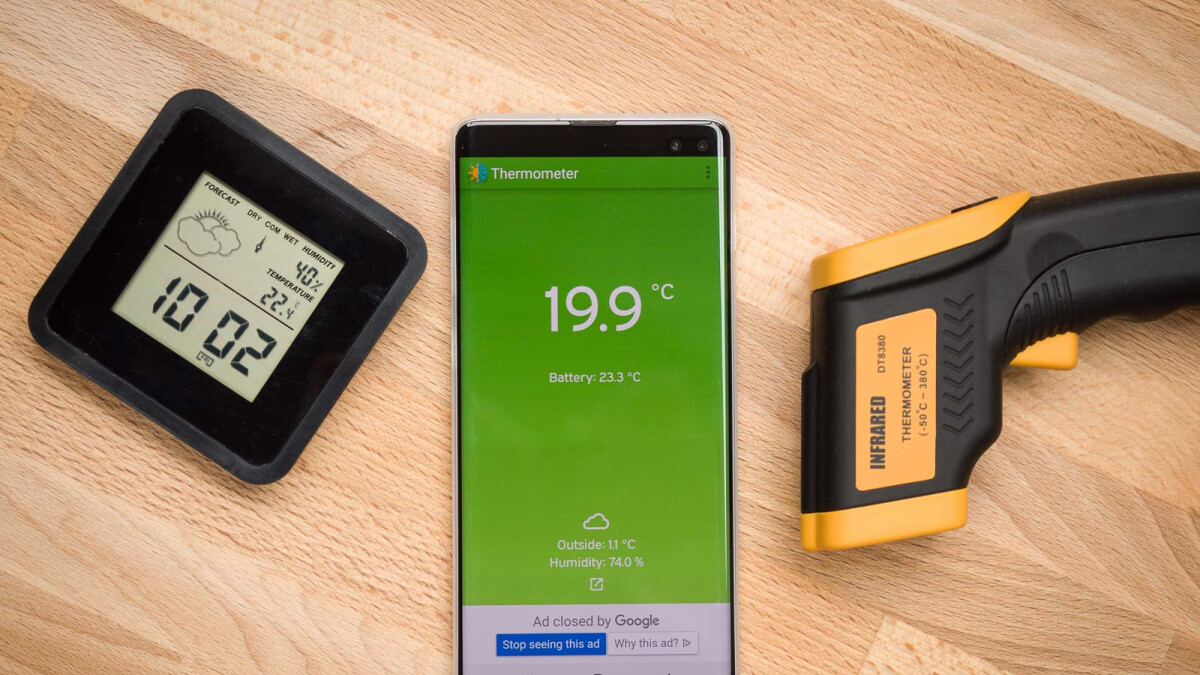
No, those apps are unreliable. They typically read the phone's battery or CPU temperature, not the room or your body, so the numbers they show are meaningless for health or environmental use.
Which phone models have a built-in infrared temperature sensor?
No other mainstream phone model includes this hardware.
How far away does the Pixel Pro sensor need to be for a body reading?
The sensor must be held close to the forehead, within about 2 inches, but it should not touch the skin. The app will guide you to the correct distance during the scan.
Can I use a thermal camera attachment for medical body temperature checks?
You can, but it's not recommended. Thermal cameras measure surface skin temperature, which runs several degrees lower than core body temperature, and they are not certified for medical use.
Is there any way to check temperature with phone location tracking methods?
No. Methods for tracking a phone location (like GPS or Wi-Fi positioning) have nothing to do with temperature sensing. Location tools cannot measure heat; they only determine where the device is.
Related reading: How To Check Phone Temp and How To Display Temperature On Android Phone.