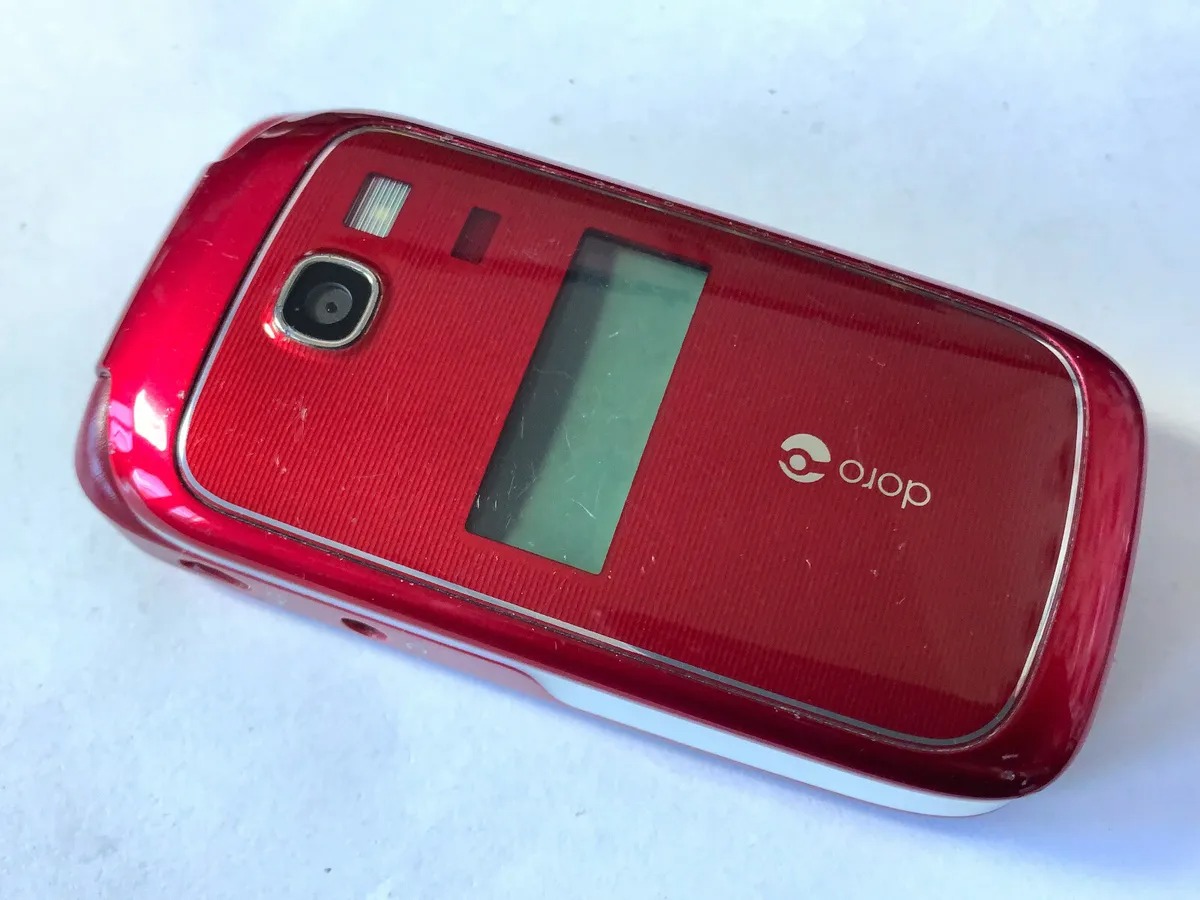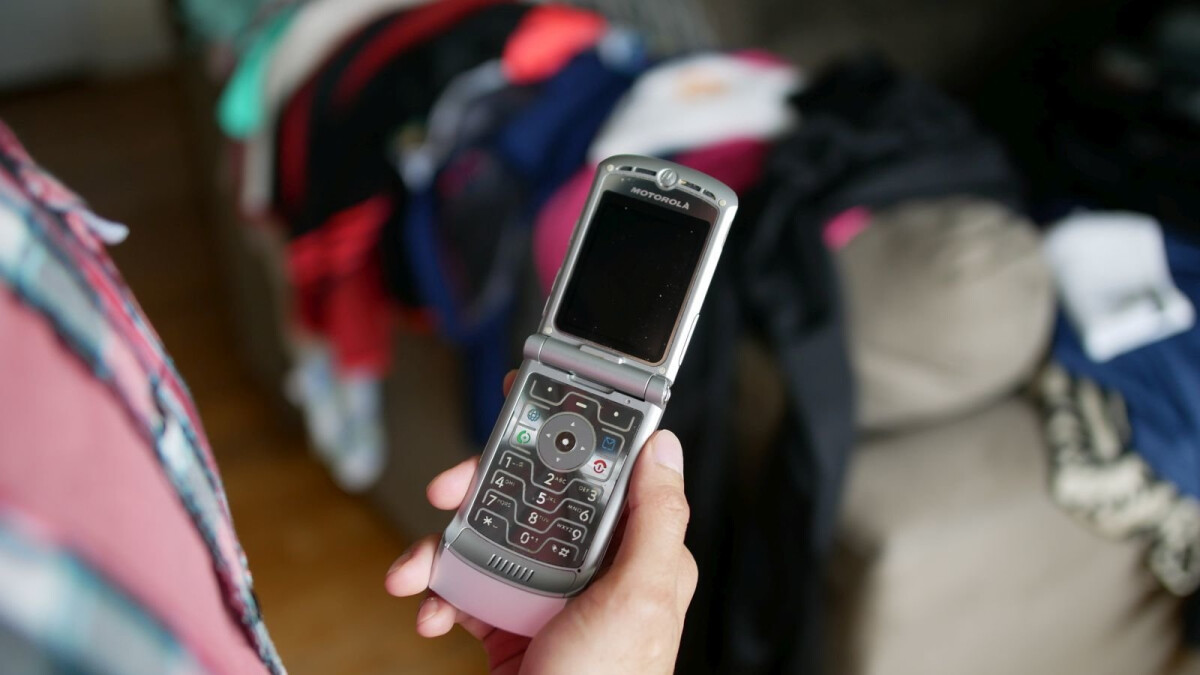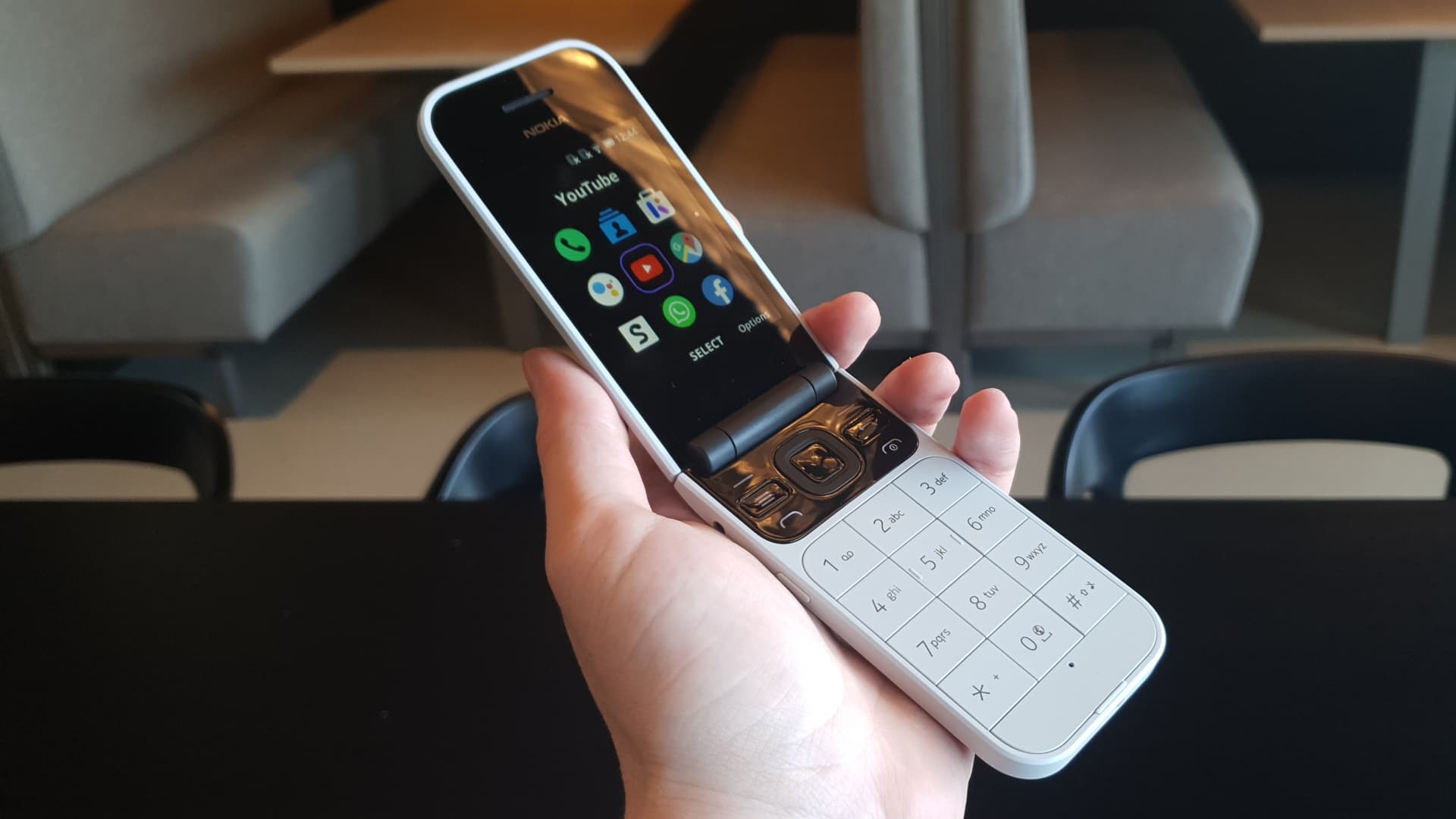




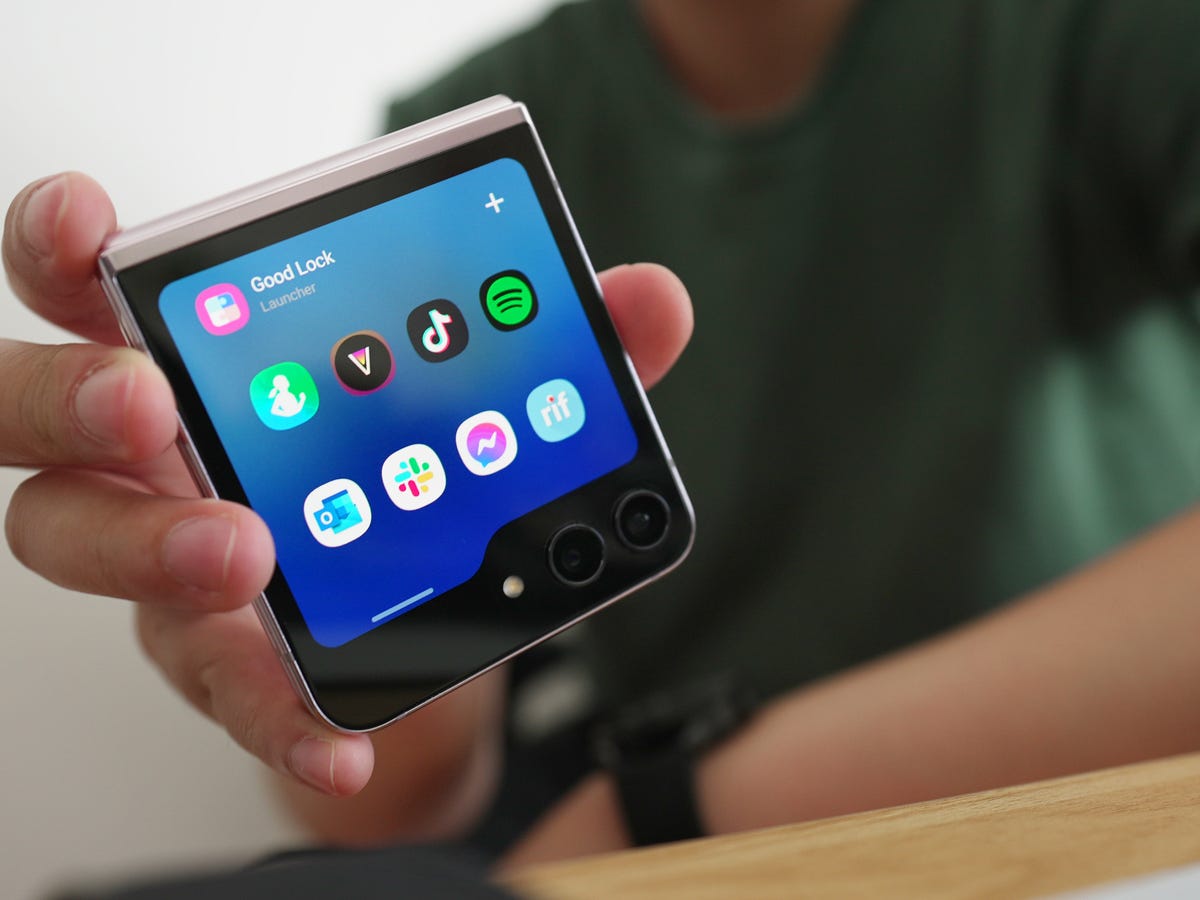
To download pictures from a flip phone, you need to use a wired or wireless method that works with the phone's limited connectivity, since basic flip phones lack modern app support and standard photo transfer features. The exact steps vary by model, so check your phone's manual if you get stuck, as no universal process exists for every flip phone.
Before you start: what your flip phone can and can't do
Flip phones have limited connectivity, most lack a standard photo app, and their USB, Bluetooth, and memory card support differs by model. Some flip phones only support Bluetooth audio, not file transfer, and many cannot connect to cloud storage apps. Before trying any method, confirm what your specific phone supports by looking up its manual online or checking the manufacturer's support page. This reality check sets expectations: you may need to try multiple approaches, and some phones simply cannot transfer photos to a computer without carrier or third-party help.
Method 1: Transfer pictures with a USB cable
If your flip phone has a USB port, you can connect it to a computer with a USB cable and copy photos like you would from a USB drive. This method works for many flip phones that support USB mass storage or file transfer mode.
- Connect one end of the USB cable to your flip phone and the other end to a USB port on your computer.
- On your flip phone, if prompted, change the USB mode to File Transfer or Mass Storage (look in the phone's settings or notification panel for USB options).
- On your computer, open the file explorer (Windows) or Finder (Mac). Your flip phone should appear as a removable drive.
- Open the phone's folder, locate the photos (often in a DCIM or Pictures folder), and copy them to your computer.
If your computer does not recognize the phone, try a different USB cable or port. For an iPhone or iPad, Apple says to connect the iPhone or iPad to a Mac with a USB cable, unlock it if asked, tap Trust if prompted, then open Photos on the Mac and use the Import screen; if the screen does not appear, click the device name in the Photos sidebar. Apple says to connect an iPhone or iPad to a Windows PC with a USB cable, unlock it if asked, tap Trust or Allow if prompted, then use the Microsoft Photos app import flow; the page also says to install the Apple Devices app from the Microsoft Store.
Method 2: Use a memory card and a card reader
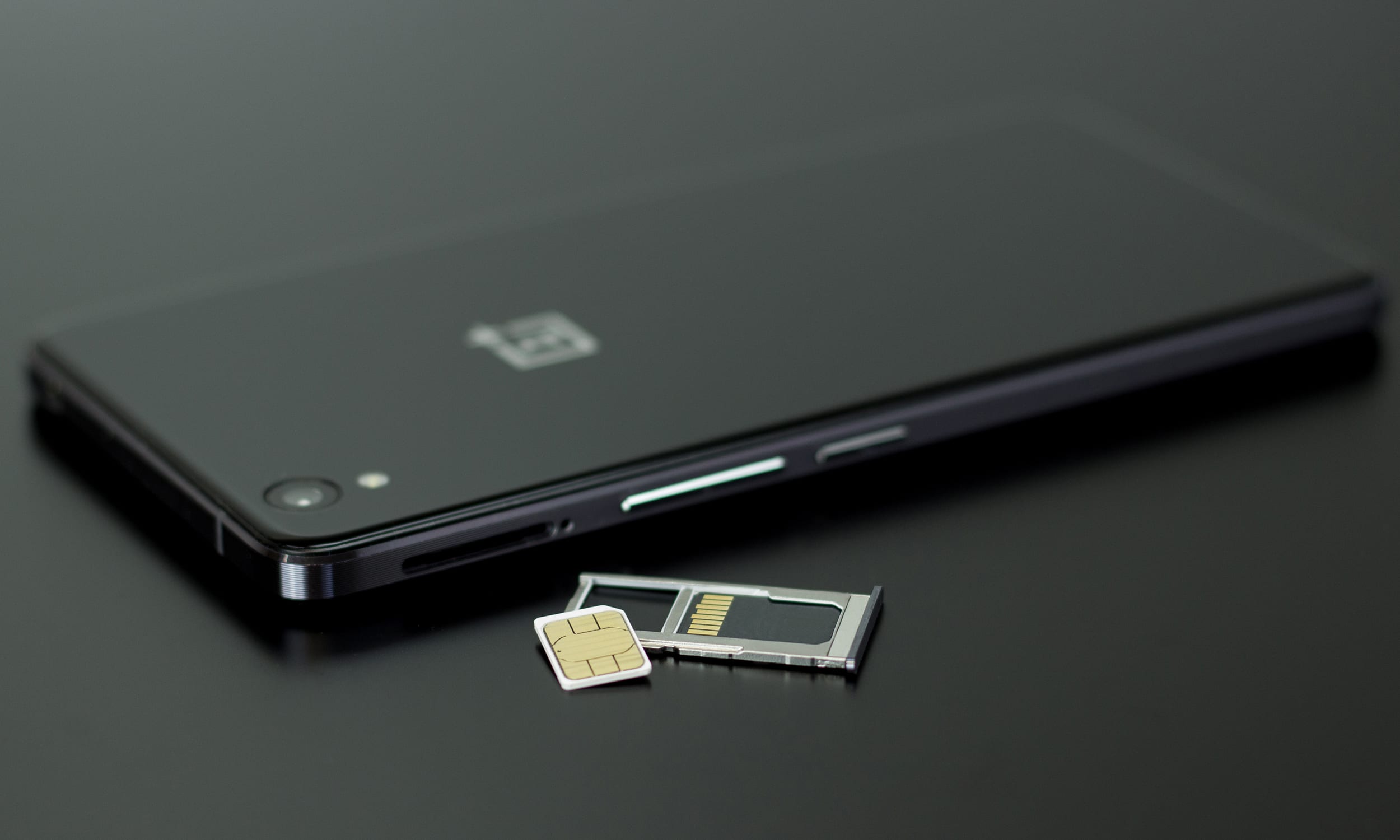
If your flip phone has a microSD card slot, this is often the most reliable method for transferring and managing photos. You remove the card, insert it into a USB card reader, and drag the photos to your computer.
- Power off your flip phone and locate the memory card slot (usually under the back cover or on the side).
- Gently push the microSD card inward to release it, then pull it out.
- Insert the microSD card into a USB card reader, then plug the reader into your computer's USB port.
- Open the card reader drive in your computer's file explorer, find the photos, and copy them to your computer.
If your flip phone does not have a card slot, skip this method.
Method 3: Send photos over Bluetooth
Bluetooth can transfer photos wirelessly from a flip phone to a computer, but many flip phones only support Bluetooth audio, not file transfer. Check your phone's Bluetooth settings to see if file transfer is listed.
- On your flip phone, go to Settings or Connectivity, turn on Bluetooth, and set it to Discoverable.
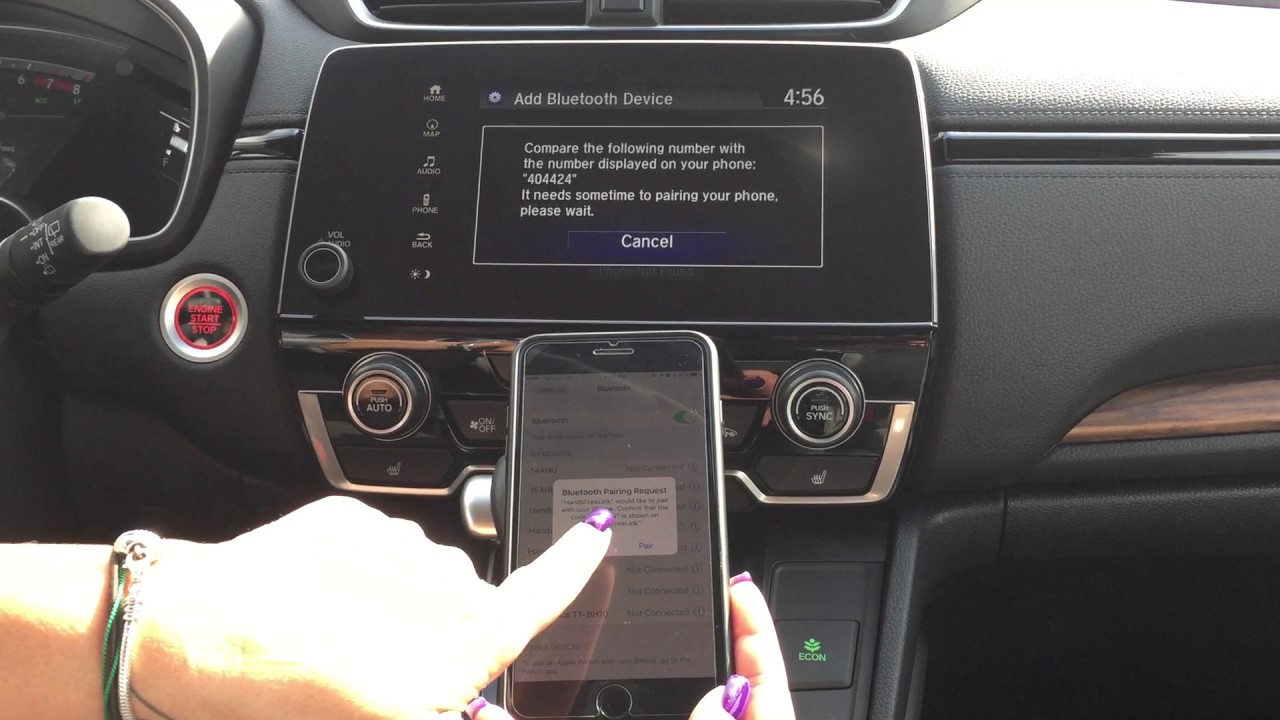
- On your computer, enable Bluetooth and search for devices. Select your flip phone from the list and follow any pairing prompts (a PIN may appear on both devices, confirm it).
- On your flip phone, open the photo you want to transfer, select Share or Send, then choose Bluetooth as the method.
- Select your computer from the list of paired devices, and accept the incoming file on your computer.
Samsung says Bluetooth photo sharing on Galaxy devices starts by turning on Bluetooth on both devices, opening Gallery, selecting the photos, tapping Share at the bottom, then tapping Bluetooth at the bottom. Samsung says to select the receiving device and tap Accept when prompted. Transfer speed is slow, and you may need to send photos one by one. If your flip phone does not show a Bluetooth file transfer option, it likely only supports Bluetooth audio.
Method 4: Email photos to yourself or use cloud storage
If your flip phone has a built-in email or messaging app and internet access, you can attach photos and send them to your own email address. Some flip phones also have a basic web browser that can access cloud storage services like Google Drive.
- Open the photo on your flip phone and select Send or Share.
- Choose Email or MMS (picture message). Enter your own email address or phone number as the recipient and send the message.
- On your computer, open your email inbox or messaging app and download the attached photos.
Google's Android help page says you can upload files to your Google Account to use them on both your computer and device, with Files and Google Drive referenced in the page snippet. If your flip phone lacks a browser or email app, this method will not work.
What to do if none of these methods work
If your flip phone does not support USB file transfer, lacks a memory card slot, has no Bluetooth file transfer, and cannot email photos, you have a few options. Visit your carrier's store, they may have proprietary software or a service to transfer photos. Some third-party phone-to-PC transfer services exist, but check compatibility with your exact model. If your phone supports MMS (picture messaging), you can send photos to a smartphone via text message, then save them from the smartphone to your computer. If a specific flip phone model or carrier is provided, the supported steps can be narrowed to the manufacturer or carrier’s own instructions.
Frequently Asked Questions
Can I download pictures from a flip phone without a computer?
Yes, if your flip phone has Bluetooth, you can send photos to a smartphone that supports Bluetooth file transfer. Alternatively, you can email photos to yourself and access them on another device, or use MMS to send them to a smartphone.
Why won't my computer recognize my flip phone when I plug it in?
Your flip phone may be in the wrong USB mode. Also try a different USB cable or port, as some cables are charge-only and do not transfer data.
Do I need special software to transfer photos from a flip phone?
In most cases, no. USB cable and memory card methods work with your computer's built-in file explorer. Bluetooth and email methods also use built-in operating system features. However, some older flip phones may require proprietary software from the manufacturer or carrier, which you can download from their support site.
Can I use a cloud storage app on my flip phone?
Only if your flip phone has a web browser or supports installing apps. Most basic flip phones do not support modern app stores, so you would need to use the phone's browser to access a cloud storage website like Google Drive, then upload photos manually.
How many photos can I transfer at once?
With USB or memory card methods, you can usually copy entire folders. Bluetooth and email methods may limit you to one photo per transfer or have file size restrictions depending on your phone and carrier.
For the wider topic, see managing and transferring photos.
Related reading: How To Get Pictures Off Old Phone Without Sim Card and How To Add Contacts To Consumer Cellular Flip Phone.