



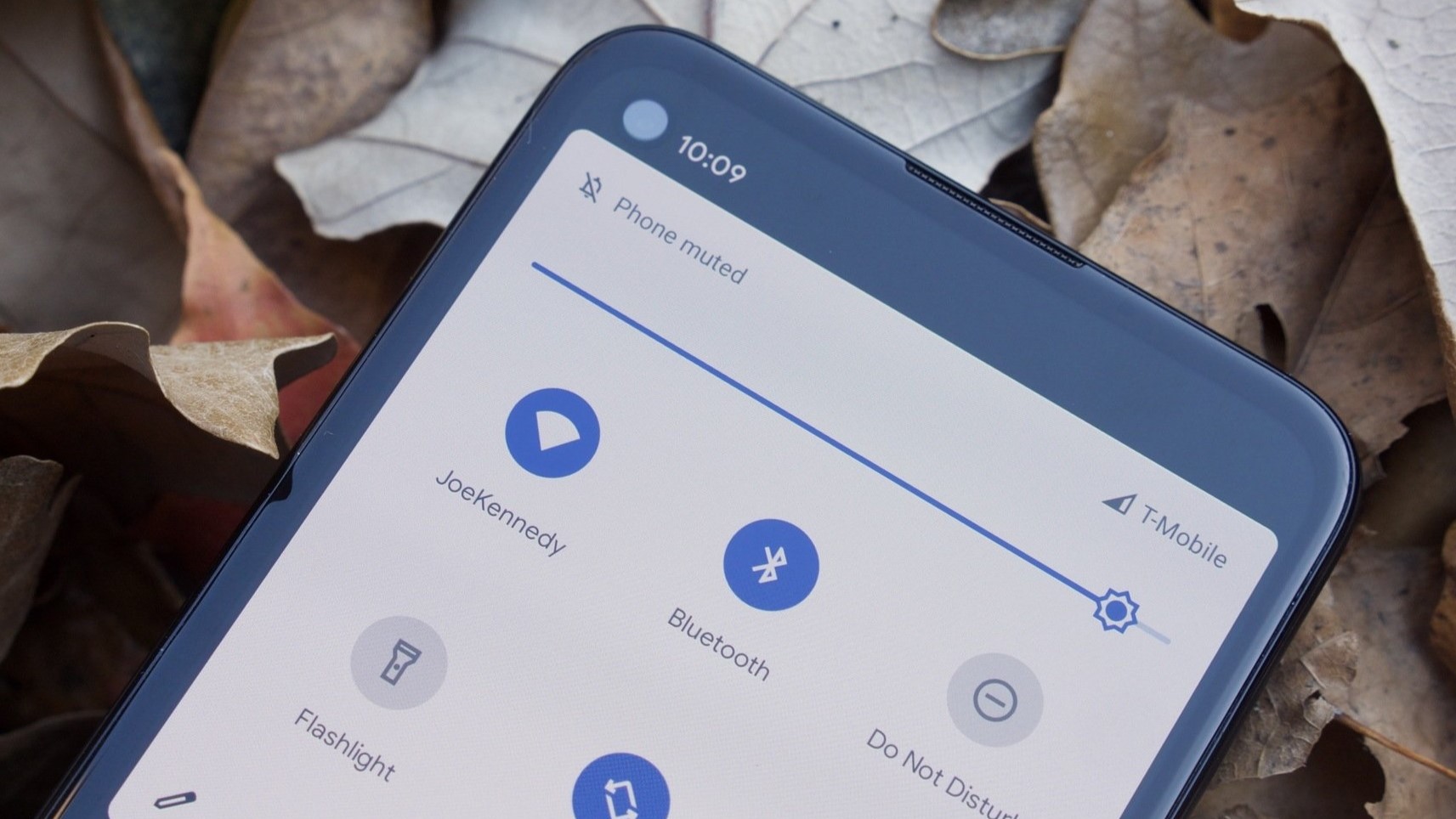
To make your phone brighter right now, open the Control Center on an iPhone and drag the brightness slider up, or on an Android phone, swipe down from the top of the screen and drag the brightness slider to the right. For a Samsung, the same swipe down opens Quick Settings where you can adjust the same slider, or you can go to Settings > Display for more precise control. These manual controls are the fastest way to increase your screen's brightness for immediate visibility in bright conditions.
How to make phone brighter: quick steps for iPhone and Android
Alternatively, go to Settings > Display & Brightness and drag the slider to the right. On a standard Android phone, navigate to Settings > Display > Brightness level and adjust the slider to your preference. On Samsung devices, swipe down once to open Quick Settings and drag the brightness slider, or go to Settings > Display and adjust the "Brightness" slider there.
Understanding automatic brightness and why your screen might seem dim
Most phones have an automatic brightness feature that adjusts the screen based on ambient light using a built-in sensor. On iPhone, this is called Auto-Brightness, and on Android and Samsung, it's called Adaptive brightness. If your screen appears dim even with the manual slider at maximum, the auto feature might be overriding your setting. To check on iPhone, go to Settings > Accessibility > Display & Text Size and toggle Auto-Brightness off. On Android, go to Settings > Display and toggle Adaptive brightness off. Note that Adaptive brightness on Android and Samsung uses machine learning to learn your preferred brightness levels in different lighting conditions over time, which can sometimes result in a dimmer screen than you want. Turning off Auto-Brightness on iPhone may increase power consumption, but it gives you full manual control.
How to use Samsung's Extra brightness feature
Samsung Galaxy phones have an "Extra brightness" feature that makes the screen even more vivid for strong light conditions. This feature is found in Settings > Display and is only available when Adaptive brightness is disabled. It is present on select newer Galaxy phones, such as the Flip5, S22, S23, and S24 series. To use it, go to Settings > Display, turn off Adaptive brightness, then toggle on Extra brightness. Be aware that using Extra brightness will drain the battery faster, so it's best to enable it only when you truly need maximum visibility, such as outdoors in direct sunlight.
Features that don't increase brightness: True Tone, Night Shift, and Extra Dim
Some display features are often mistaken for brightness controls but actually adjust color and comfort instead. iPhone's True Tone (on by default) adjusts the display's color and intensity to match ambient light, making images appear more natural, but it is not a direct brightness control. Night Shift adjusts display colors to the warmer end of the spectrum to reduce blue light, which can make the screen easier on the eyes at night, but it does not directly increase brightness. On Samsung phones, "Extra Dim" is a separate accessibility feature found in Settings > Accessibility > Vision enhancements > Extra Dim, or it can be added to the Quick Settings panel. It reduces brightness for low-light comfort, so it won't help you make the screen brighter. Understanding these features helps you avoid adjusting the wrong setting when you're trying to increase brightness.
Quick tips for better screen visibility
Sometimes the issue isn't the brightness setting but the condition of your screen. A dirty or smudged screen can reduce perceived clarity and make the display look dimmer than it actually is. Clean your phone screen regularly with a soft, lint-free microfiber cloth to remove fingerprints and oils. This simple action can significantly improve visibility. Additionally, a screen protector can prevent scratches that scatter light and reduce clarity. If you already have a screen protector, make sure it's clean and free of bubbles, as these can also affect how bright and clear the screen appears. Remember, adjusting brightness and display color can only go so far if the screen itself is dirty or damaged.
Frequently Asked Questions
Why is my phone screen not bright enough even at maximum brightness?
This can happen if your phone's auto-brightness or adaptive brightness is overriding your manual setting. Check if these features are enabled and turn them off to force the maximum brightness. Also, some phones have a power-saving mode that limits brightness; disable it if you need full brightness.
Can using a third-party app make my phone brighter than the maximum setting?
Third-party apps can sometimes push the brightness level beyond the native maximum, but they often drain the battery faster and may not be compatible with all devices. Use reputable apps from official app stores and be mindful of battery consumption. The native settings are usually sufficient for most needs.
Does turning off auto-brightness damage my phone's battery?
Turning off auto-brightness on an iPhone may increase power consumption because the screen will stay at a fixed brightness level, potentially higher than needed. However, it won't damage the battery; it just uses more power. On Android, disabling adaptive brightness may have a similar effect, but you can always manually lower the brightness to conserve battery.
Is it safe to use my phone at maximum brightness for a long time?
Using your phone at maximum brightness for extended periods is generally safe for the device, but it will drain the battery faster and may cause the screen to get warm. It's also harder on your eyes in low-light conditions. It's best to use maximum brightness only when needed and lower it otherwise.