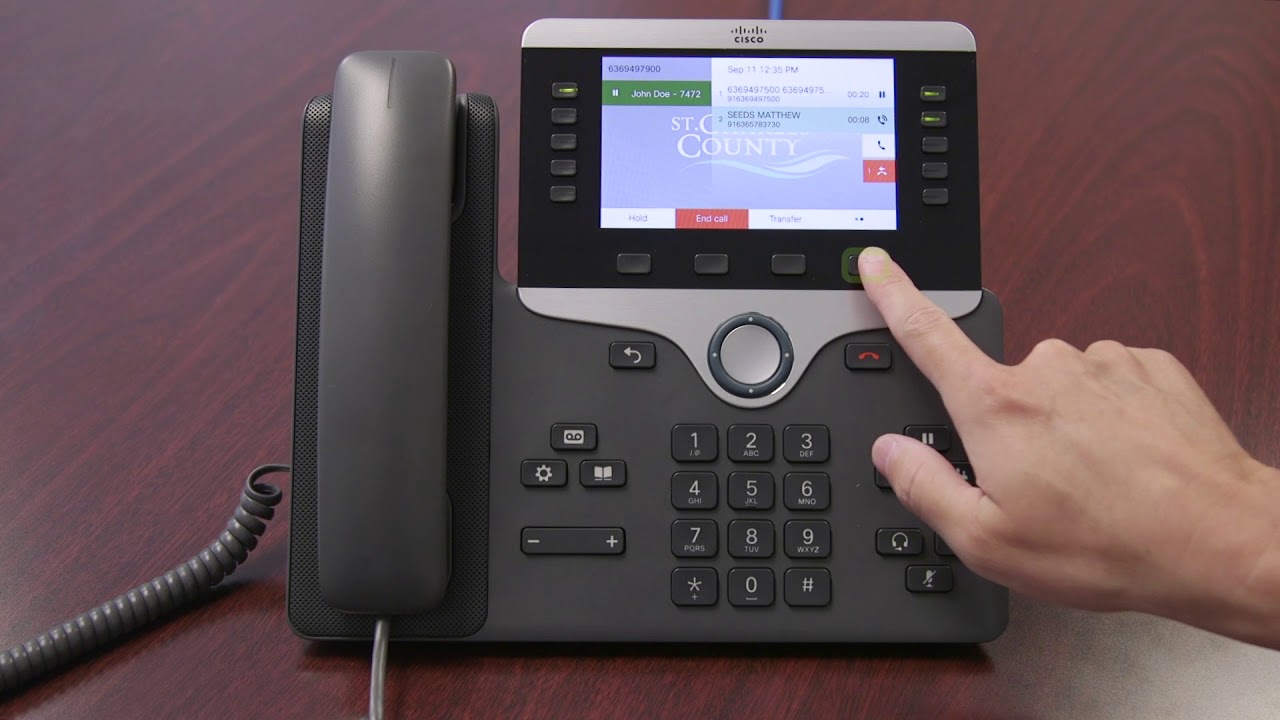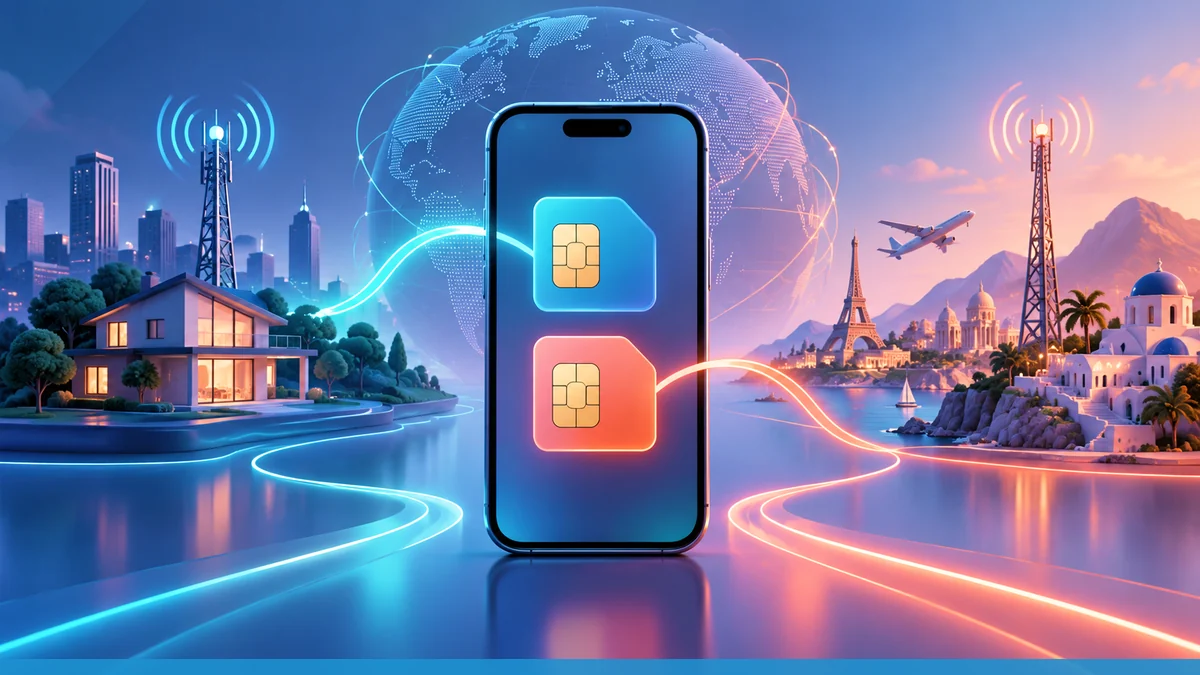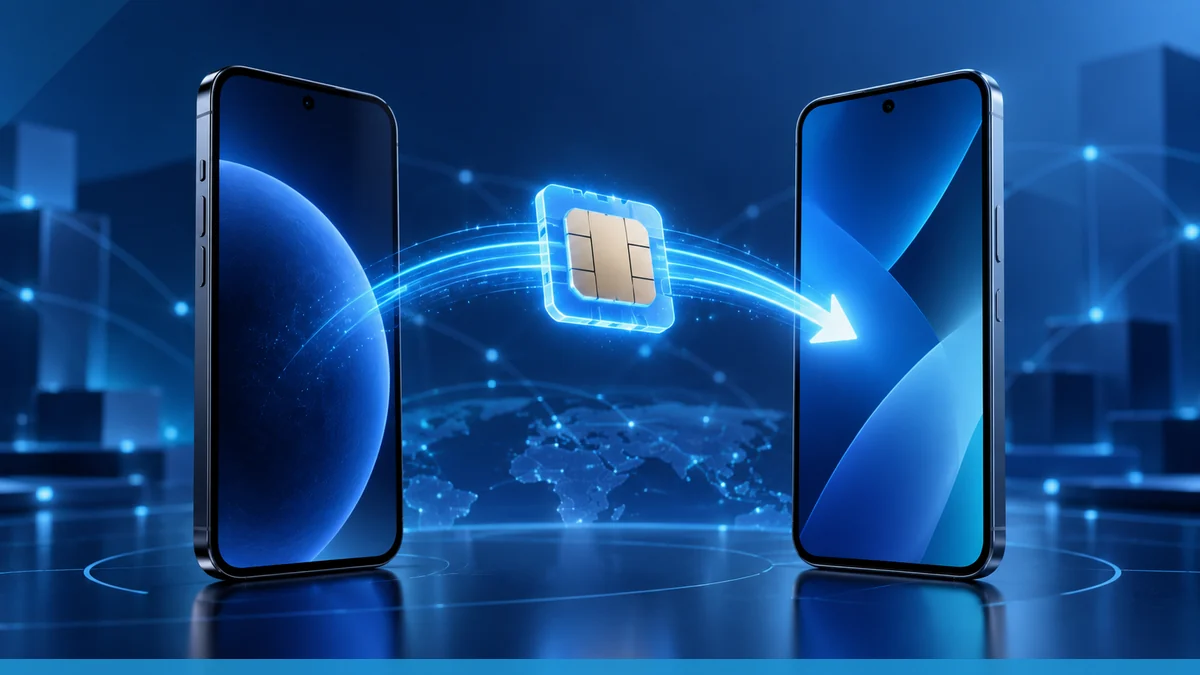





A fixed phone number is a service-assigned number that stays associated with one line or user rather than changing with a mobile SIM card or device. It is often linked to a business identity and call routing rules, not necessarily tied to a physical location like older landlines.
What is a fixed phone number?
A fixed phone number is a telephone number assigned by a service provider to a specific line, account, or user. Unlike a traditional landline number that was physically wired to a building, a fixed number today can be managed through cloud-based business voice services. The number maintains a consistent identity for the account, it does not move with a SIM card or change when the user travels. Business fixed numbers typically include routing rules, caller ID settings, and voicemail access that are managed from a web portal or app.
How fixed phone numbers work
Fixed phone numbers rely on call routing and switching technologies rather than a fixed copper wire to a single location. When someone dials your fixed number, the service directs the call according to the rules you set. For example, a call can be forwarded to a mobile phone, ring multiple destinations simultaneously (such as an office desk phone and a home line), or show a selected outbound caller ID. In 800.com, you configure this under Numbers > select the number or click Manage > Call Routing, where you set routing, add forwarding numbers, choose the caller ID, and set ring seconds. In services like Glo Fiber Business Voice Connect, call forwarding is managed through star-code prompts such as *72 (with a PIN), and caller ID can be set per user to show the main company number, a user-assigned number, or no caller ID.
Caller ID and voice transmission
The service controls how caller ID information is transmitted or suppressed on outgoing calls. For a fixed number, the caller ID name is typically tied to the phone number associated with the account. In SRT Business Cloud Communications, caller ID can be enabled or disabled through the service’s star-code menu after entering the voicemail or account PIN. Voicemail is handled as part of the same phone service and can be accessed through the provider’s app, web account, or by dialing a special code from the handset. For example, Comcast Business Voice users can check voicemail in My Account, the Comcast Business app, or by dialing * * *99.
Benefits of a fixed phone number
Fixed phone numbers offer documented benefits that support both business operations and personal use. First, they provide a consistent caller identity: calls from the fixed number display the same name and number every time, which builds trust with customers. Second, they allow customizable call routing, calls can be forwarded to any device, ring multiple numbers at once, or route based on time of day. Third, voicemail access is unified across platforms: you can listen to messages from a smartphone app, a web portal, or the handset menus, ensuring you never miss important calls. For businesses, this combination of reliability and flexibility makes a fixed number a stable anchor for communication. In times of emergencies or natural disasters, fixed phone numbers can serve as a vital lifeline, often maintaining operability when mobile networks become congested. Utilizing a fixed phone number for local and long-distance calls can be more cost-effective than relying solely on mobile services, especially for businesses with frequent voice communication. Fixed phone numbers provide a level of privacy and security, as they are associated with specific physical locations, helping to separate personal and professional communication.
Fixed phone numbers vs mobile phone numbers
The key differences between fixed and mobile numbers come down to geographic mobility, infrastructure, and how each handles call routing and caller ID. A fixed number is service-assigned and stays with your account, it does not require a SIM card and can be used from a desk phone, a VoIP app, or forwarded to any device. A mobile number is tied to a SIM card in a specific phone and moves with the device. Fixed numbers support advanced routing (like simultaneous ring and time-based forwarding) that mobile services typically do not offer without add-ons. Mobile numbers rely on cellular infrastructure and can be used anywhere within network coverage, while fixed numbers depend on internet or traditional telephone infrastructure, but with VoIP, a fixed number can connect from anywhere the app is installed. Fixed numbers also transmit caller ID based on your account settings, whereas mobile numbers usually display the device’s own number unless a different caller ID is configured.
Frequently Asked Questions
Can I transfer my existing fixed phone number to a new service provider?
Yes, in most cases fixed numbers can be ported from one provider to another, especially within the same geographic region or country. The process, called number porting, requires you to keep the number active with the old provider while the new provider initiates the transfer. Not all numbers can be ported, check with the new service for eligibility.
Are fixed phone numbers still relevant today with everyone using mobiles?
Yes, fixed phone numbers remain relevant for businesses that need a consistent point of contact, for households that want a backup line during mobile network congestion, and for areas with weak mobile coverage. They also provide features like advanced call routing and unified voicemail that standard mobile lines do not.
How do fixed number caller ID and mobile number caller ID differ?
On a fixed number, the caller ID name is often tied to the phone number and can be set to show the main business number or suppressed entirely through account settings. On a mobile number, the caller ID typically shows the device’s own number by default, and changing it requires carrier or third-party services.
What are the typical phone number formats and digits for a fixed number?
Phone number formats and digits for fixed numbers follow the same national numbering plans as other lines, in North America, that is a 10-digit number with a three-digit area code, a three-digit central office prefix, and a four-digit line number. Fixed numbers are assigned based on the service provider’s number blocks, not tied to a physical location like older landline area codes.
Can a fixed number be used from a mobile phone?
Calls from the app will show the fixed number as caller ID, and voicemail will be accessible from the same app. This is common in business voice services.
Can a fixed phone number be transferred or moved to a different location?
Yes, number porting or relocation when changing addresses is often possible, promoting continuity. The process depends on your provider and whether the number stays within the same rate center, but many VoIP-based fixed numbers can be moved to a new physical address while keeping the same number.
Related reading: How To Use Cisco Phone and What Is An Extension On A Phone Number.