




Can you still play Minecraft on VR?
Yes, you can still play Minecraft on VR, but the path depends on which version of the game you own. The official VR support for Bedrock Edition was discontinued, leaving the community-driven Vivecraft mod for Java Edition as the primary way to play Minecraft on VR today, while Bedrock owners with a legacy copy can still launch the old VR mode.
Setting up your VR equipment
Before you can step into the blocky world, you need a working VR system. The setup process is similar across headsets, but the specifics vary by brand, so follow the manufacturer's instructions for your device.
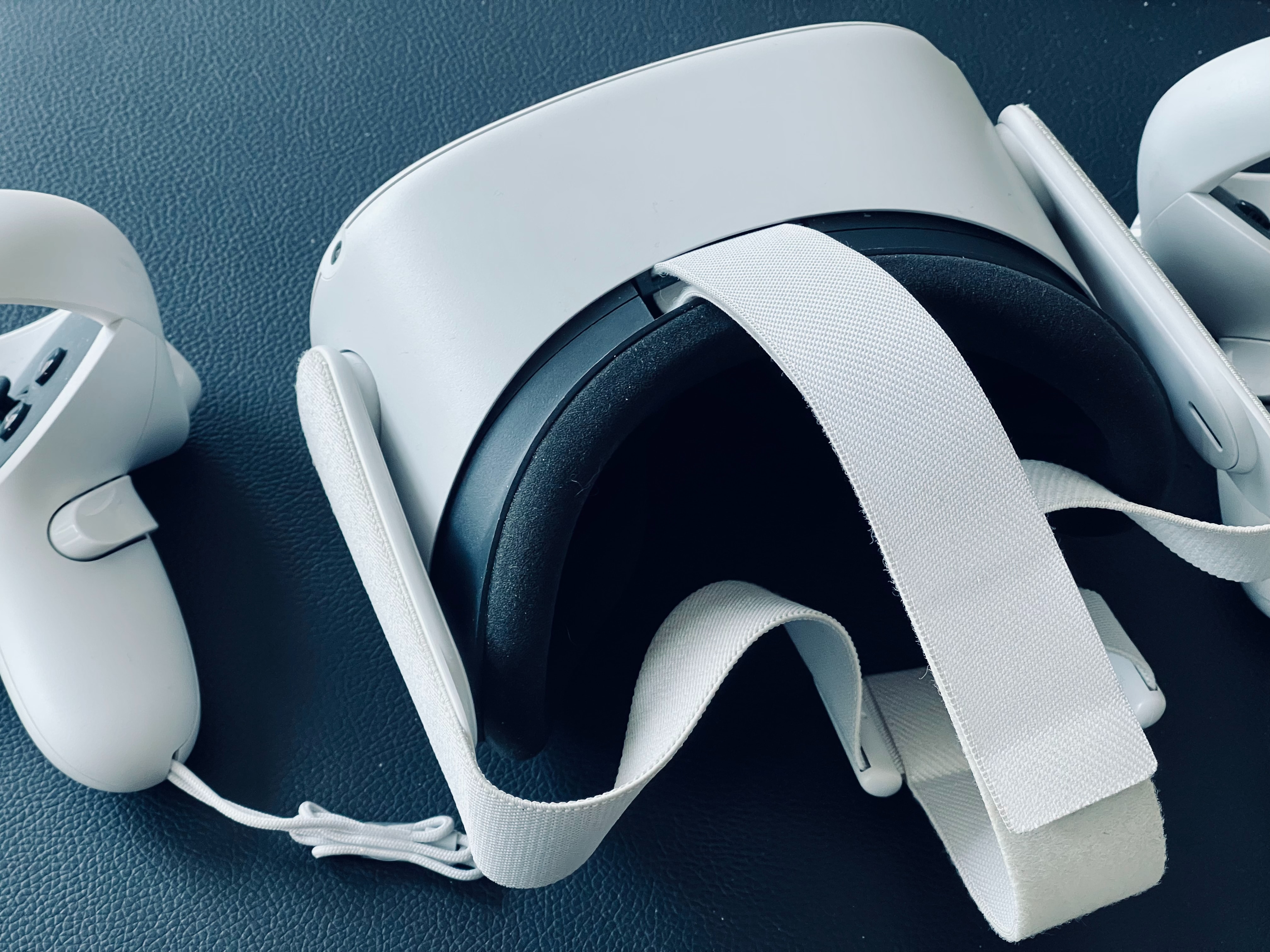
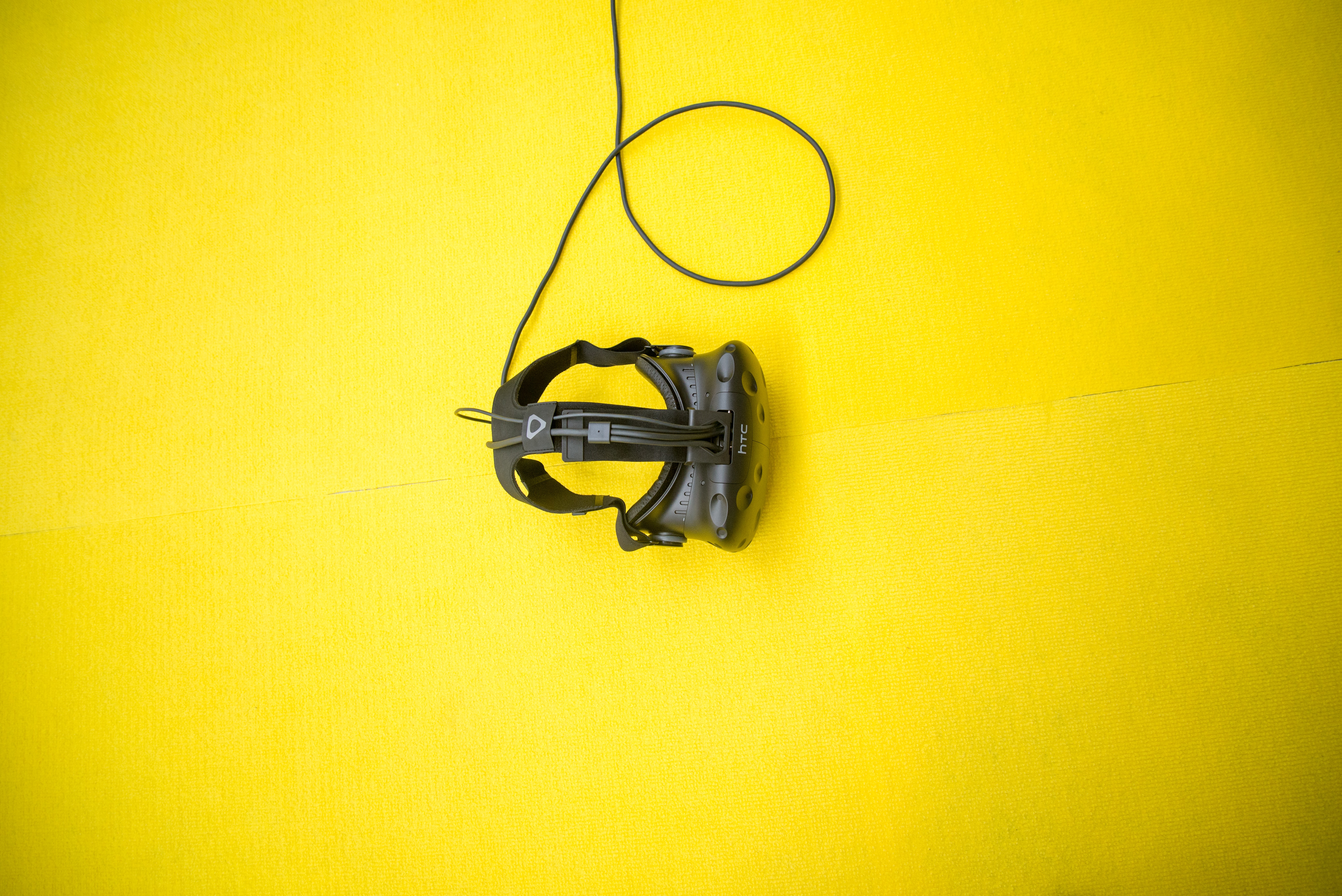
- Choose the right VR headset: Pick a headset that is compatible with your PC or gaming device. For Java Edition with Vivecraft, you'll need a PC-powered headset like the Oculus Rift, HTC Vive, Valve Index, or Windows Mixed Reality headsets. For the legacy Bedrock Edition, only Oculus Rift, Gear VR, and Windows Mixed Reality headsets were supported.
- Set up VR sensors: Most PC VR systems include base stations or sensors that track your movement. Mount them on walls or place them on stands at opposite corners of your play area, angled slightly downward, and follow the manufacturer's calibration guide to ensure accurate tracking.
- Connect the headset: Connect your headset to your PC using the included cable (or wireless adapter, if supported). Ensure the connection is secure, then plug in any motion controllers and charge them.
- Adjust for comfort: Put on the headset and tighten the straps so it sits snugly but not too tight. Align the lenses with your eyes and adjust the IPD (inter-pupillary distance) slider, if available, to prevent blurriness or eye strain.
- Calibrate the system: Run the setup software for your headset. This typically involves a room-scale setup where you trace your play area boundary and confirm the floor height. Follow the on-screen prompts to complete calibration.
- Check PC requirements: VR is resource-intensive. Verify your PC meets the minimum requirements for your headset, including a capable graphics card, a modern CPU, and at least 8GB of RAM. If your system lags, lower the in-game graphics settings.
How to install Minecraft VR with Vivecraft (Java Edition)
Vivecraft is a third-party mod designed specifically for virtual reality, offering a more immersive gameplay experience. It is a free, community-created mod that adds full VR support to Minecraft: Java Edition. It works with most PC VR headsets and is the most reliable way to play Minecraft in VR today.
- Install Java Edition: You need a legitimate copy of Minecraft: Java Edition and a Microsoft account. Install the official Minecraft launcher and run the game once to ensure it works in desktop mode.
- Download Vivecraft: Go to the Vivecraft official website (vivecraft.org) and download the installer for the version of Minecraft you want to play. Choose the version that matches your Minecraft version, as Vivecraft is updated alongside the game.
- Run the installer: Double-click the downloaded JAR file. The installer will detect your Minecraft installation and add Vivecraft as a new profile in the launcher. Follow the on-screen prompts to complete the installation.
- Launch the game: Open the Minecraft launcher, select the Vivecraft profile from the dropdown menu, and press Play. The game will start in VR mode automatically when your headset is connected and detected.
- Log into your Minecraft account: Enter your Microsoft account credentials when prompted. If you have a Mojang account, you can migrate it to a Microsoft account on the official Minecraft website.
- Verify headset compatibility: Before you start, make sure your headset is recognized by SteamVR or the Oculus software, depending on your hardware. Vivecraft uses SteamVR for most headsets, so ensure SteamVR is installed and running.
- Download additional VR content: Depending on the VR platform you're using, there may be additional Minecraft VR content available for download. This could include texture packs, mods, or custom worlds designed specifically for virtual reality.
How to play Minecraft VR on Bedrock Edition (legacy method)
Minecraft: Bedrock Edition previously had official VR support for Oculus Rift, Gear VR, and Windows Mixed Reality headsets.
To play, you need the Bedrock Edition installed on your PC. If you purchased it before the VR support was removed, you can still access the VR version through the Microsoft Store or the Oculus Store. Launch the game with your headset connected, and you'll be given the option to play in immersive VR mode or a virtual living room mode, which displays the game on a large virtual screen.
Immersive mode places you directly inside the Minecraft world, where you can look around and interact with the environment using motion controllers. Living room mode is a less intense option that shows the game on a virtual TV, which can be easier on your eyes and stomach. Note that this legacy version does not receive updates, so it may lack newer features and bug fixes.
Configuring your Minecraft VR controls
Once you're in the game, taking the time to set up your controls makes a huge difference in comfort and gameplay. Both Vivecraft and the Bedrock VR version allow you to customize keybindings and gestures.
- Open the VR settings: In Vivecraft, press the menu button on your controller to open the pause screen, then select "Options" and "VR Settings."
- Navigate to the controls section: Within the VR settings, find the "Controls" or "Keybindings" tab. This lists every action in the game, from moving and jumping to breaking and placing blocks.
- Assign buttons and gestures: Click on an action, then press the button or perform the gesture you want to assign. Experiment to find a layout that feels natural.
- Customize primary and secondary actions: Most VR controllers have two main buttons or triggers. Assign primary actions (like breaking blocks) to the trigger and secondary actions (like placing blocks) to the grip button. This lets you perform both actions without moving your hand.
- Fine-tune motion sensitivity: In the VR settings, look for sliders that adjust the sensitivity of your hand movements and the smoothness of your turning. Lower sensitivity reduces jitter, while higher sensitivity lets you look around faster.
Tips and tricks for playing Minecraft in VR
Playing Minecraft in VR is a completely different experience from the flat screen, and a few adjustments can make it even better. Use these tips to get the most out of your time in the blocky world.
- Take breaks: VR can be intense, and motion sickness is a real risk.
- Adjust the graphics: Lower the render distance and turn off fancy graphics if you experience lag or stuttering. Smooth performance is more important than visual polish in VR.
- Use headphones: The spatial audio in VR makes sounds directional, so you can hear a zombie hiss behind you or a waterfall to your left. This awareness is crucial for survival.
- Utilize teleportation: If smooth movement makes you nauseous, switch to teleportation locomotion. It instantly moves you to a target location and eliminates motion sickness for most players.
- Collaborate with other players: Join a VR Minecraft server or play with friends who also have VR headsets. Seeing another player's avatar gesture and move in real-time is a social experience you can't get on a flat screen.
- Stay Hydrated: Like any other gaming session, it's crucial to stay hydrated. Remember to have water nearby to keep yourself refreshed during those lengthy Minecraft sessions.
- Explore Different Mods: Minecraft has a vast modding community, and VR opens up even more possibilities. Explore different VR mods that add new content, enhance visuals, or provide unique gameplay experiences. Mods can take your VR Minecraft adventures to the next level.
- Customize Your VR Settings: Most VR platforms offer customization options for the virtual environment. Take some time to tweak the settings to your liking, whether it's adjusting the brightness, field of view, or the scale of the virtual world. Personalizing your VR settings will help create a more comfortable and immersive experience.
Frequently Asked Questions
Do I need a powerful PC to play Minecraft in VR?
Yes, VR is demanding. Lower-end systems can run it, but you'll need to reduce the render distance and graphics settings for a smooth experience.
Can I use mods with Vivecraft?
Yes, Vivecraft is compatible with most Java Edition mods, including Forge and Fabric mods. However, some mods that rely on mouse and keyboard input may not translate well to VR. Check the mod's page for VR compatibility notes, and test each mod individually to avoid conflicts.
Is there a way to play Minecraft VR on a PlayStation or Nintendo Switch?
No. Official VR support was only ever available for PC headsets (Oculus Rift, Windows Mixed Reality) and the Gear VR mobile headset. Consoles like the PlayStation 4 and Switch do not support Minecraft VR, and there are no plans to add it.
What is the difference between immersive mode and living room mode in Bedrock VR?
Living room mode displays the game on a large virtual screen in front of you, like watching a huge TV. Living room mode is easier on the eyes and can be more comfortable for longer sessions.
Can I play Minecraft VR with a friend who is on a flat screen?
Yes. Java Edition with Vivecraft allows cross-play with other Java Edition players, whether they're in VR or on a regular monitor. Bedrock Edition's legacy VR mode also supported cross-play with Bedrock players on other devices, but this feature is no longer updated.
Can I get motion sickness from playing Minecraft in VR?
Some players may experience motion sickness or discomfort when playing in virtual reality, especially during intense gameplay or when using locomotion options that involve movement. It's important to take breaks and listen to your body's signals to ensure a comfortable and enjoyable gaming experience.
For the wider topic, see VR setup and TV casting.
Related reading: How To Delete Player Data Minecraft and How To Add Data Packs To Minecraft.