




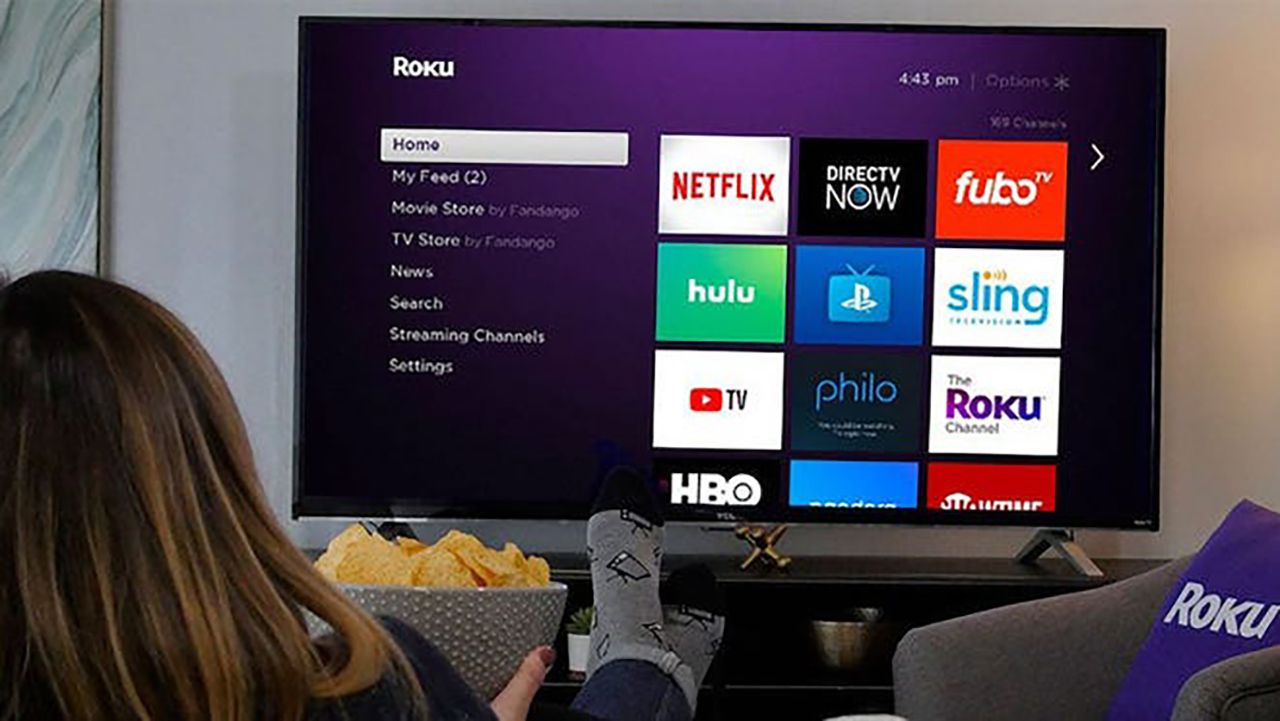
To reduce blue light on Roku TV, you need to adjust the built-in color temperature setting, there is no single "blue light off" toggle. The most effective method is changing the color temperature to "Warm" in the picture settings, which instantly lowers blue light emission to ease eye strain and improve sleep.
The real way to reduce blue light on Roku TV
There is no dedicated blue light filter switch on Roku TV. Instead, the display's "Color temperature" setting controls the amount of blue light the screen produces. By selecting a warmer preset, you shift the color balance away from cool blue tones. This is the only direct, built-in method to reduce blue light on your Roku TV.
Step-by-step: Adjust your Roku TV's color temperature
To access picture settings, you must begin playing a movie or TV show first; you cannot access them from the home screen.
- Begin playing a movie or TV show from any source, including TV casting and streaming apps.
- Press the Star (*) button on your Roku remote to open the settings sidebar.
- Select "Picture settings" from the menu.
- Choose "Picture Mode," then select "Customize picture" to access detailed adjustments.
- Locate the "Color temperature" option and change it to the "Warm" preset.
This change immediately reduces blue light output. You can preview the effect on screen as you adjust.
Choose the right picture mode for less blue light
Selecting a preset picture mode is a one-step shortcut to warmer colors. The "Movie" or "Cinema" picture mode automatically applies a warmer color temperature, making it ideal for dark-room viewing. The 'Movie' picture mode is often recommended for viewing in darker rooms. These modes are designed for accurate, less harsh color reproduction and inherently reduce blue light without manual fine-tuning.
Advanced fine-tuning on 4K Roku TV models
For 4K Roku TV models, you can access "Expert Picture Settings" for deeper control. This menu includes an "11 Point white balance" calibration, allowing precise adjustments to color temperature across different brightness levels. To access it: start playing content, press the Star (*) button, select "Picture settings," then "Customize Picture Mode," and finally "Expert Settings." Note that accessing "Expert Picture Settings" directly on the TV requires Roku OS 12.5 or higher. If your TV does not have this OS version, you can reach the same settings through the Roku mobile app.
What about Night Mode and other common myths?
Several features are often mistaken for blue light reduction, but they serve different purposes. "Night Listening Mode" is an audio feature that levels sound volume, it does not change the screen's blue light. The "Standby LED" is a physical indicator light at the bottom of the TV, which you can turn off via Settings > System > Power > LED, but it has no effect on screen emissions. The 'TV brightness' setting can be found under 'Settings' > 'TV picture settings'. Some Roku TV models include an 'Ambient light sensor' that automatically adjusts picture brightness based on room lighting, which can be set to 'Auto'. No third-party app can filter all screen blue light on a Roku TV because the operating system does not allow overlay-based filtering across TV casting and streaming apps. The only reliable method is adjusting the built-in color temperature or using a warmer picture mode.
Frequently Asked Questions
Will changing the color temperature to Warm ruin picture quality?
No. The Warm preset reduces blue light while maintaining good picture quality. It shifts whites to a slightly yellowish tone, which is natural and less fatiguing for evening viewing.
Can I schedule the color temperature to change automatically?
Roku TVs do not offer a built-in schedule for color temperature changes. You must manually switch between Warm and other presets depending on your viewing time and room lighting.
Does the Ambient light sensor reduce blue light?
No. The Ambient light sensor adjusts the TV's brightness based on room lighting, not color temperature. It can be set to "Auto" under Settings > TV picture settings, but it does not change blue light levels.
Will using an external device with a blue light filter work on Roku TV?
If you connect an external device (like a streaming stick or game console) that has its own blue light filter, that filter will apply only to content played through that device. It will not affect the Roku TV's built-in menus or other inputs.
Is there a difference between "Warm" and "Warm 1" or "Warm 2" color temperature options?
Choose the one that looks most comfortable to your eyes without appearing overly yellow.
Will disabling the blue light filter affect the picture quality on my Roku TV?
No, adjusting the Color temperature to 'Warm' on your Roku TV will reduce blue light while maintaining good picture quality.
Can I schedule the blue light filter to automatically turn off and on on my Roku TV?
It is recommended to use a cooler Color temperature during the daytime or when viewing in well-lit environments, and switch to 'Warm' or 'Warm 1' during the evening or in low light conditions to reduce eye strain.
Are there any other methods to reduce blue light on my Roku TV?
You can also consider investing in external blue light filters or screen protectors that are specifically designed to block or reduce blue light from your Roku TV screen.
Related reading: How To Cast VR To Roku Tv, How To Connect Roku TV To Hotspot, and How To Turn Off Blue Light On Ipad.