




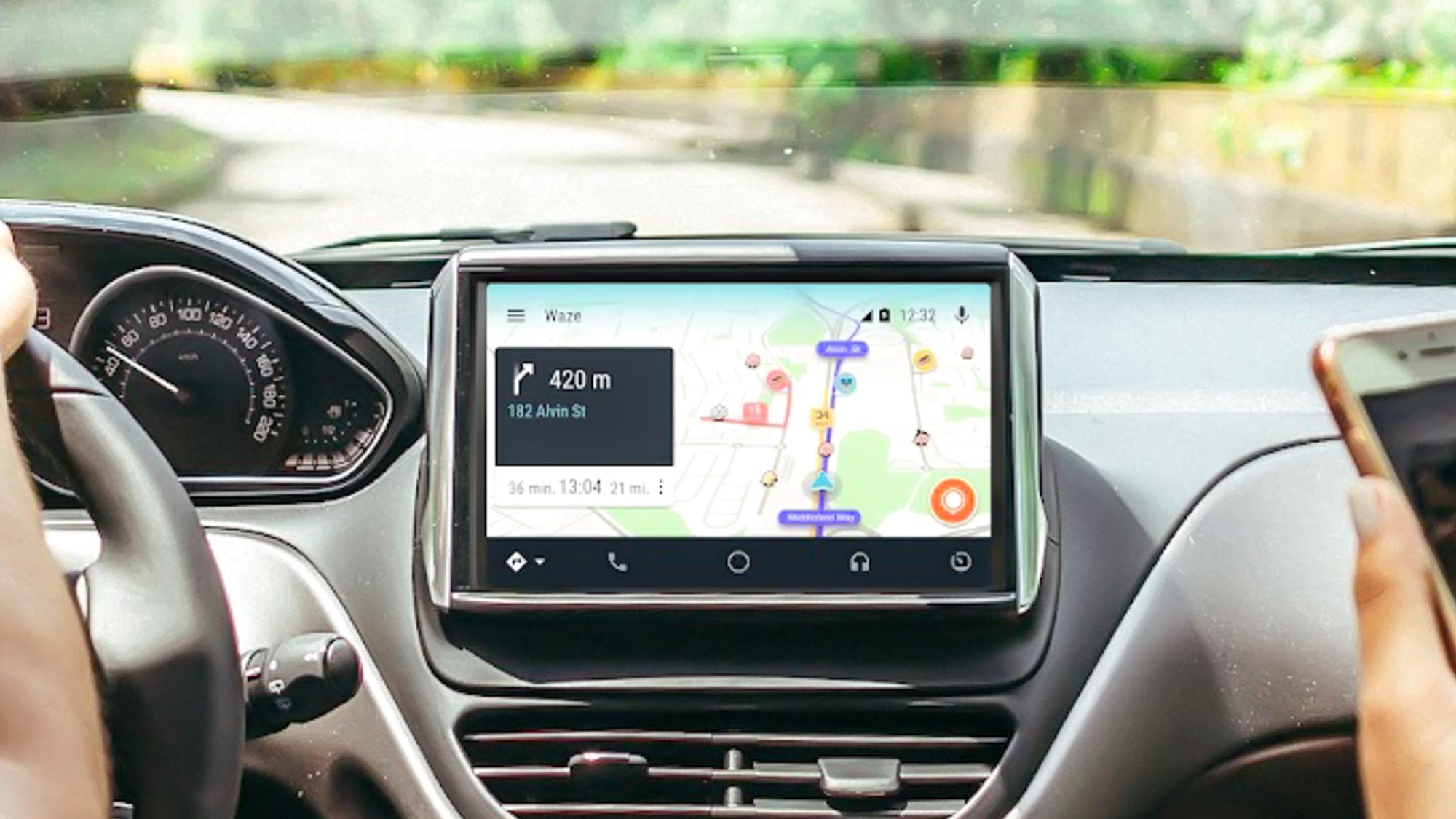
The best Waze tips and tricks start with customizing your maps and navigation app settings to match exactly how you want to drive, from sound preferences to route avoidance. These verified, step-by-step instructions will help you control alerts, plan drives, and manage reports so your commute is smoother and less distracting.
Essential Waze tips and tricks for a better commute
Waze is a community-driven navigation app that relies on its users to report real-time traffic, accidents, and road hazards. To get the most out of it, you need to adjust a handful of core settings: sound controls, voice directions, location permissions, destination search, route avoidance, alert controls, and privacy settings. The steps below cover each area for iPhone, iPad, Android, Android Auto, and AAOS where applicable. Waze integrates with other popular apps like Spotify and Pandora, allowing you to control your music directly from the navigation screen. Enable the Speedometer feature in Waze settings to display your current speed alongside the speed limit of the road.
How to customize your Waze sound and voice
Changing sound preferences keeps Waze from interrupting your music or being too chatty. On iPhone and iPad, open Waze, tap the menu, tap Settings, then tap Voice and sound. On Android, the path is the same: open Waze, tap the menu, tap Settings, then Voice and sound. On Android Auto, sound options include Normal, Less chatty, Only alerts, and Off. On AAOS, open Waze, tap the menu, tap Sound, then choose Sound on, Sound off, or Alerts only.
To mute Waze during calls, go to Settings > Voice and sound and turn on Mute Waze during calls. This works on both iPhone/iPad and Android.
To change the navigation voice, open Waze, tap the menu, tap Settings, tap Voice and sound, tap Current voice, and select the voice you want.
To record your own voice directions on iPhone and iPad:
- Open Waze, tap the menu, tap Settings, tap Voice and sound.
- Tap Waze voice, then tap Add a voice.
- Tap OK, then record your directions.
- Preview the recording, tap Save, name the voice, and tap Done.
How to navigate more efficiently with Waze
To search for a destination on iPhone and iPad, open Waze and tap the search bar. On Android, after searching, tap Go now to start navigation or Leave later to plan a drive for a specific time.
To use a contact as a destination on iPhone and iPad, first change the app permission in your phone settings. Go to Settings, find Waze, and turn off Contacts under Allow Waze to access. This lets Waze read your contacts so you can select them as destinations.
Waze also offers options for motorcycle, bicycle, and even walking routes. You can sync Waze with your calendar to get timely reminders and suggested departure times based on upcoming appointments or events. Waze offers a Planned Drives feature to schedule drives in advance and get notified when it's time to leave based on real-time traffic conditions. Waze supports voice commands; say 'Hey Waze' followed by your destination address to start navigation hands-free. Waze Carpool feature allows you to find nearby commuters heading in the same direction and share rides.
To fix GPS or location permissions on iPhone and iPad:
- Go to Settings > Privacy & Security > Location Services > Waze.
- Choose Always or While Using the App.
- Turn on Precise Location.
If Waze still has location errors, turn off Location Services, restart your phone, then turn Location Services back on.
How to avoid tolls, freeways, and ferries
To set general route avoidance preferences that apply to every trip:
- Open Waze, tap the menu, tap Settings, then tap Navigation.
- Turn on Avoid toll roads, Avoid ferries, and/or Avoid freeways.
To avoid specific road types on a single route:
- After choosing a destination, tap View routes.
- Tap Avoid in the top-left corner.
- Turn on the route options you want. For Avoid freeways, tap View all navigation settings.
You can set your vehicle's occupancy level in Waze settings to get optimized routes that take HOV lanes into account.
How to manage Waze alerts and reports
Waze lets you customize which report types appear on your map. To access the menu:
- Open Waze, tap the menu, tap Settings.
- Tap Alerts and reports, then tap Reports.
The Reports page lists all report types. Alerts may vary by location, so you can turn off types you don’t want to see while keeping the ones that matter most for your area. Waze has a gamification element called Waze Points, earned by contributing reports or editing maps, which affects your ranking on the Waze leaderboard. You can access the Map Editor feature to add missing roads, update road information, and create new landmarks. Hidden shortcuts exist, such as shaking your device to report a road hazard or double-tapping the screen to report a police officer.
Frequently Asked Questions
How do I add Waze to Android Auto?
To add Waze to Android Auto, ensure Waze is installed on your phone, then connect your phone to your car’s Android Auto system. Waze should appear automatically in the Android Auto app launcher. If it does not, check that your phone’s Android Auto settings allow third-party navigation apps.
Can I use Waze without an internet connection?
Waze requires an active internet connection to provide real-time traffic updates, route calculations, and community reports. It does not support offline navigation like some other apps.
Is Waze available for both Android and iPhone users?
Yes, Waze is available for iPhone, iPad, and Android phones. It also supports Android Auto and AAOS (Android Automotive OS) for in-car use.
How does Waze gather real-time traffic information?
Waze collects anonymous speed and location data from active users on the road. It also relies on user-submitted reports about accidents, hazards, police presence, road closures, and traffic jams to update routes in real time.
Can I customize the Waze app to suit my preferences?
Yes. You can customize sound and voice settings, route avoidance preferences (tolls, freeways, ferries), map display options, saved locations, and which alerts and reports appear on your screen. These settings are found under the menu and Settings.
Related reading: 15 Best Text to Speech Readers You Can Use for Free.