




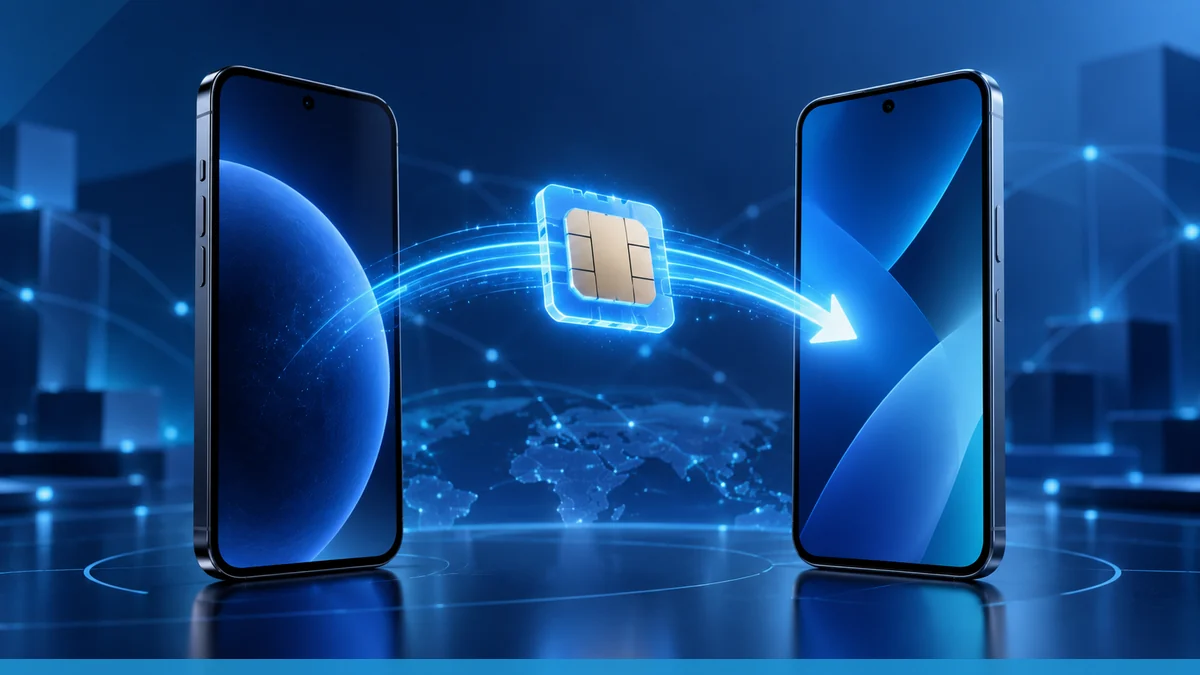
To check whether a phone supports eSIM, use the phone’s cellular settings first, then confirm that the device is unlocked and that the carrier or plan supports eSIM. On iPhone, Pixel, and Samsung phones, the exact menu labels differ, and support can vary by model, country, and carrier.
iPhone: check in Settings and confirm model or region support
On iPhone, Apple says to open Settings, tap Cellular, then tap Set Up Cellular or Add eSIM. If you are transferring from another iPhone, Apple's eSIM transfer guidance says to choose a cellular plan, or tap Transfer From Nearby iPhone if no list appears.
Apple also states that you need a wireless carrier or worldwide service provider that supports eSIM. In China mainland, only iPhone 18 Pro, iPhone 18 Pro Max, iPhone 17e, and iPhone Air support eSIM.
- Path: Settings > Cellular > Set Up Cellular or Add eSIM
- Transfer option: Transfer From Nearby iPhone
- Region exception: China mainland support is limited to the listed models
If iPhone eSIM setup fails, Apple says to check the carrier settings under Settings > General > About, then scroll to the eSIM section and tap the carrier version number if an update is offered.
Pixel: use the SIMs menu and look for eSIM setup
For Pixel phones, the eSIM check is done in the cellular settings, usually under Settings > Network & internet > SIMs. On compatible Pixel models, the menu typically offers the option to add or download a SIM instead of a physical SIM.
The retrieved first-party pages available here do not include a Google support page with exact Pixel wording, model list, or country exceptions, so those details are not documented in the pages used for this article.
Samsung: check SIM Manager and carrier support
Samsung's Galaxy eSIM guidance says to open Settings, tap Connections, then SIM manager, then Add eSIM. From there, tap Scan QR code and scan the carrier’s QR code.
Samsung also says some carriers may not yet support the eSIM capabilities of your Galaxy device, and you should contact your carrier if you have questions about their plans to support eSIM. Samsung’s Galaxy eSIM guidance also notes that eSIM service may vary by country and carrier, and that a device listed as supported may still not be supported in the country of origin or current location.
- Path: Settings > Connections > SIM manager > Add eSIM
- Setup action: Scan QR code
- Carrier note: support can vary by carrier and location
Confirm the phone is carrier-unlocked
A phone can support eSIM hardware and still fail activation if it is carrier-locked or if the carrier plan is not eligible. Apple says that for Dual SIM with eSIM to work, the iPhone must be unlocked, or both cellular plans must be from the same carrier. Apple also says both plans must be set up and ready to use, and the carrier or carriers must support Dual SIM with eSIM.
For iPhone, Apple’s eSIM support pages direct users to Settings > Cellular and Settings > General > About when checking activation issues. For Samsung, the carrier check is external to the phone menus: Samsung says to contact the carrier if you are unsure whether the plan supports eSIM.
Carrier-unlocked status is not documented in the Samsung pages retrieved here. For Android phones, the practical check is whether the device allows adding a new eSIM from the SIM settings and whether the carrier activates it without a lock-related error.
What to use when traveling or switching plans
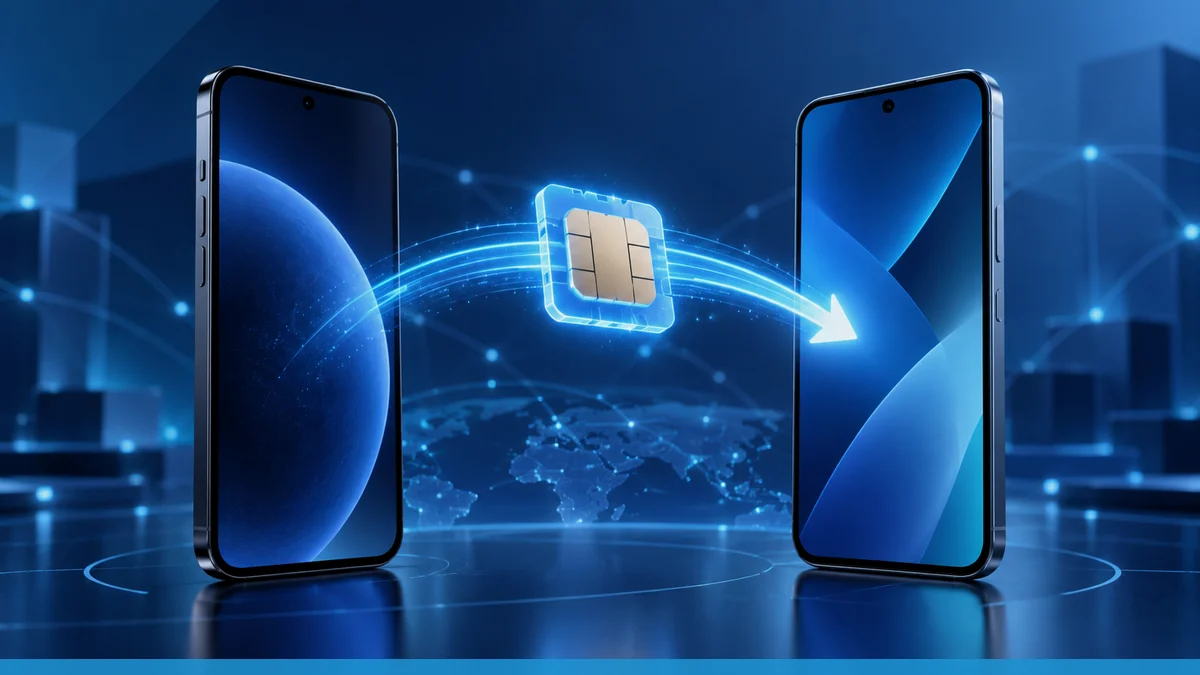
Apple says that on iPhone, Set Up Cellular or Add eSIM can be used to transfer a plan from another iPhone, and the old SIM is deactivated when the new iPhone’s cellular plan activates. Apple also states that not all options are available on all models or in all countries and regions.
Samsung says eSIM setup can be done by scanning the carrier QR code in SIM manager, and that availability depends on the carrier and country. That makes carrier compatibility the deciding factor when travel data plans or local activation are involved.
- iPhone: supports transfer from another iPhone through the cellular setup flow
- Samsung: supports carrier QR-code setup from SIM manager
- Regional limits: Apple documents a China mainland model exception; Samsung documents country and carrier variation
Fast answer for readers
If the phone shows an Add eSIM, Set Up Cellular, or SIM download option in the cellular settings, the device likely supports eSIM. The final check is whether the phone is unlocked and whether the carrier, plan, and region are supported. If the menu is missing, or the carrier rejects activation, the device or plan may not support eSIM in that market.
For a provider-specific next step, review eSIM device compatibility checker.
More eSIM resources: Browse our eSIM guides and troubleshooting resources for compatibility, setup, travel-data and account-safety advice.
Related reading: Complete eSIM Guide: Compatibility, Setup, Travel and Troubleshooting, How To Check My Phone Number, and How To Activate Unlocked Samsung Phone.