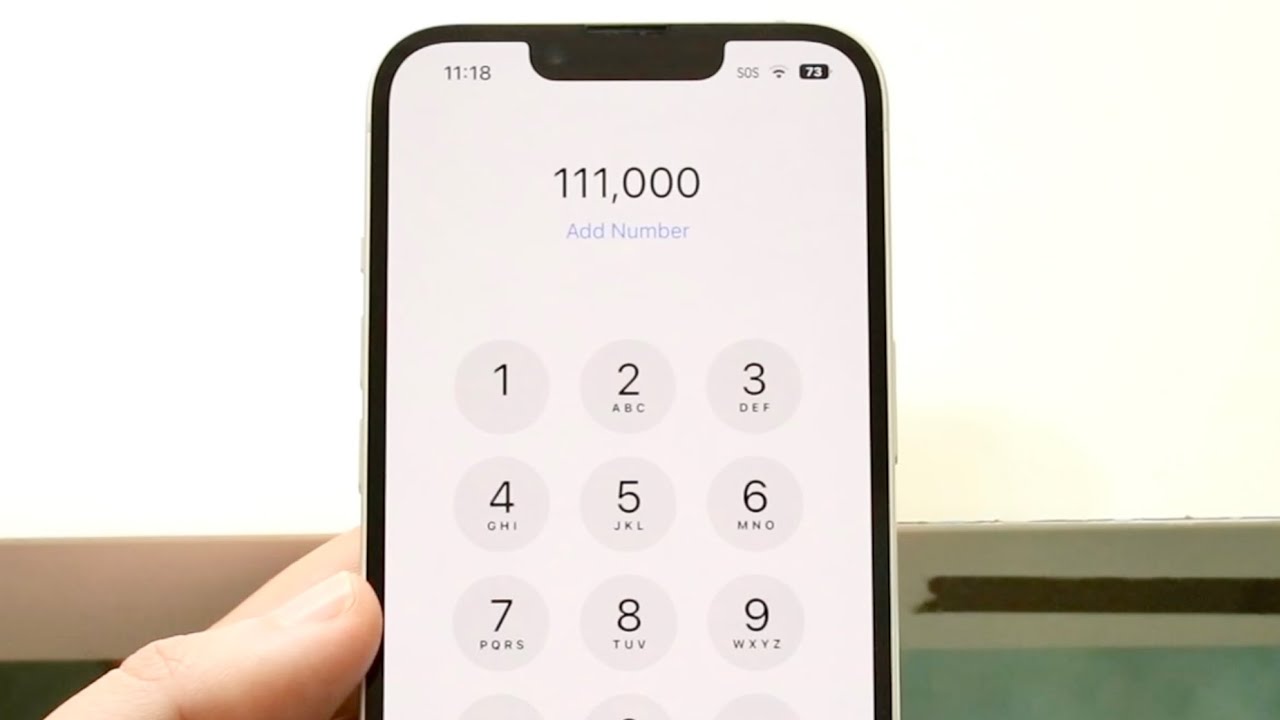





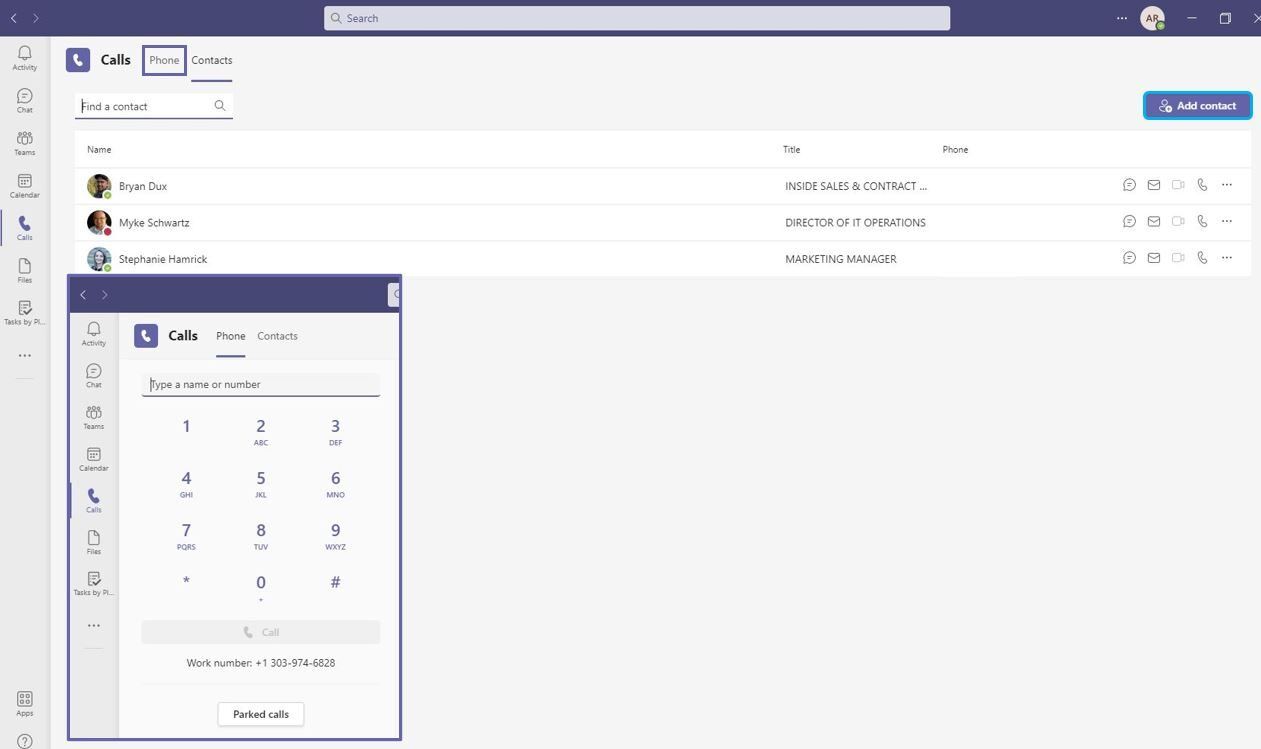
To make a call on Teams using a phone number, open the Calls tab, enter the number on the dial pad, and tap Call. This feature lets you reach any regular phone number, not just other Teams users, making it a direct replacement for a traditional desk phone.
Before you make a call on Teams using a phone number
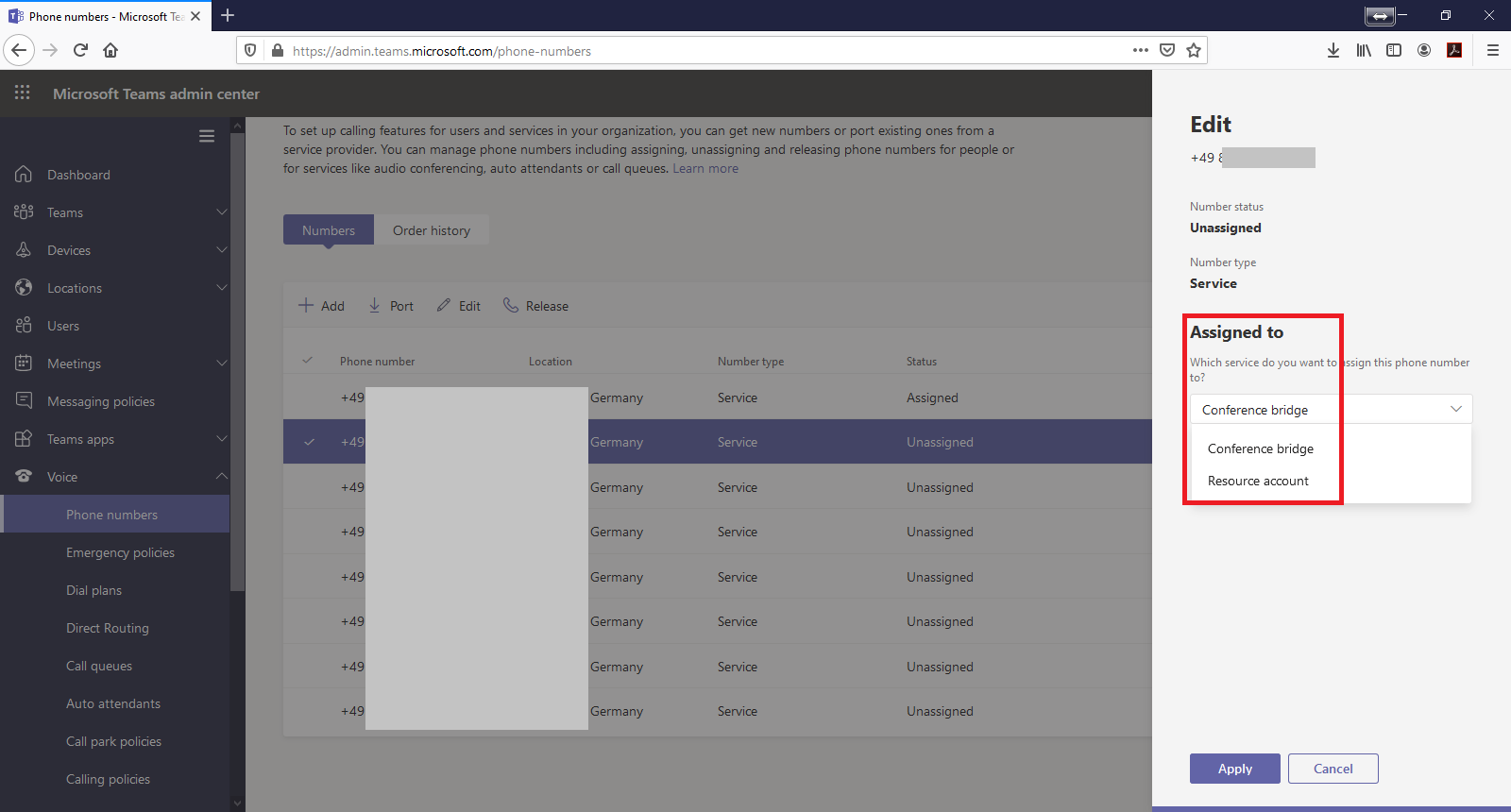
The dial pad only appears when your account has a Teams Phone license and PSTN connectivity. Microsoft offers several ways to get this: a Microsoft Calling Plan, Operator Connect, Direct Routing, Teams Phone Mobile, or Shared Calling. Without one of these, Teams is limited to internal Teams-to-Teams calls, and you will not see the dial pad at all. Check with your IT administrator if the option is missing.
Steps to dial a phone number on desktop
- Open Microsoft Teams on your desktop.
- Select the Calls tab on the left side of the app.
- Use the dial pad that appears, or type the phone number directly using your keyboard.
- Click the green Call button to place the call.
That is all it takes. Teams connects you to any standard phone number, whether it is a landline, mobile, or international number.
How to find the dial pad on iPhone and Android
The mobile navigation differs slightly between the two platforms. On an iPhone, open the Teams app and tap Calls to see the dial pad. On Android, tap the More tab (usually represented by three dots or lines), then tap Calls to access the same dial pad. Once the dial pad is visible, enter the number and tap the call button.
Tips for dialing successfully
Double-check the number before pressing Call to avoid misdialing. For international calls, include the full country code. A stable internet connection helps prevent call dropouts or poor audio quality. If you want to use a headset or external microphone, ensure it is connected and selected in your device settings before the call begins.
Moving a call to your phone with Teams Phone Mobile
If your organization uses Teams Phone Mobile, you can transfer an active one-on-one call from the Teams app to your phone’s native dialer. On iOS or Android, tap More during the call, then select Call my phone. In Teams Phone Mobile, from the call screen, select More > Call my phone to move the call to the phone. This feature is available only on Teams Mobile Apps and only for one-on-one calls. Microsoft documents combined calling features such as call history, voicemail, and presence across Teams and the native mobile device for Teams Phone Mobile users. Microsoft also documents the ability to move calls between devices and use the smartphone’s native dialer together with Teams in Teams Phone Mobile deployments. You can also control where incoming calls ring by going to your profile picture, then Settings, Calling, and Incoming call settings, choosing either Cellular phone or Teams app.
Frequently Asked Questions
Why don't I see the dial pad?
The dial pad is hidden when your account lacks a Teams Phone license and PSTN connectivity. Without those, Teams can only make internal calls to other Teams users. Contact your IT administrator to confirm your licensing.
Why do I not see Calls on Android?
Microsoft indicates the dial pad/Calls tab may appear only when the account is licensed and enabled for Teams Phone and PSTN connectivity.
Where is the dial pad on Android?
On Android, tap the More tab (the three dots or lines), then tap Calls. The dial pad appears there. This is different from the iPhone, where you tap Calls directly.
Can I make a call on Teams using a phone number?
Yes, as long as your account is licensed for Teams Phone and has PSTN connectivity. Open the Calls tab, use the dial pad to enter the number, and tap Call. This works for both domestic and international numbers.
Can I use Teams Phone Mobile on any call?
No. Microsoft says the Call my phone transfer feature applies only to one-on-one calls.
For the wider topic, see Google Voice and internet calling.
Related reading: How To Add A Phone Number To Alexa and What Is The Phone Number In International Format.