





You can make a thumbnail on mobile using the built-in Photos app on an iPhone, or by using a third-party design app like Canva on any smartphone. The quickest method on an iPhone is to open a photo, pinch to zoom in on the area you want, and tap the Crop button; for more control, you can use the standard Edit tool with preset ratios.
How to make a thumbnail on mobile with built-in tools
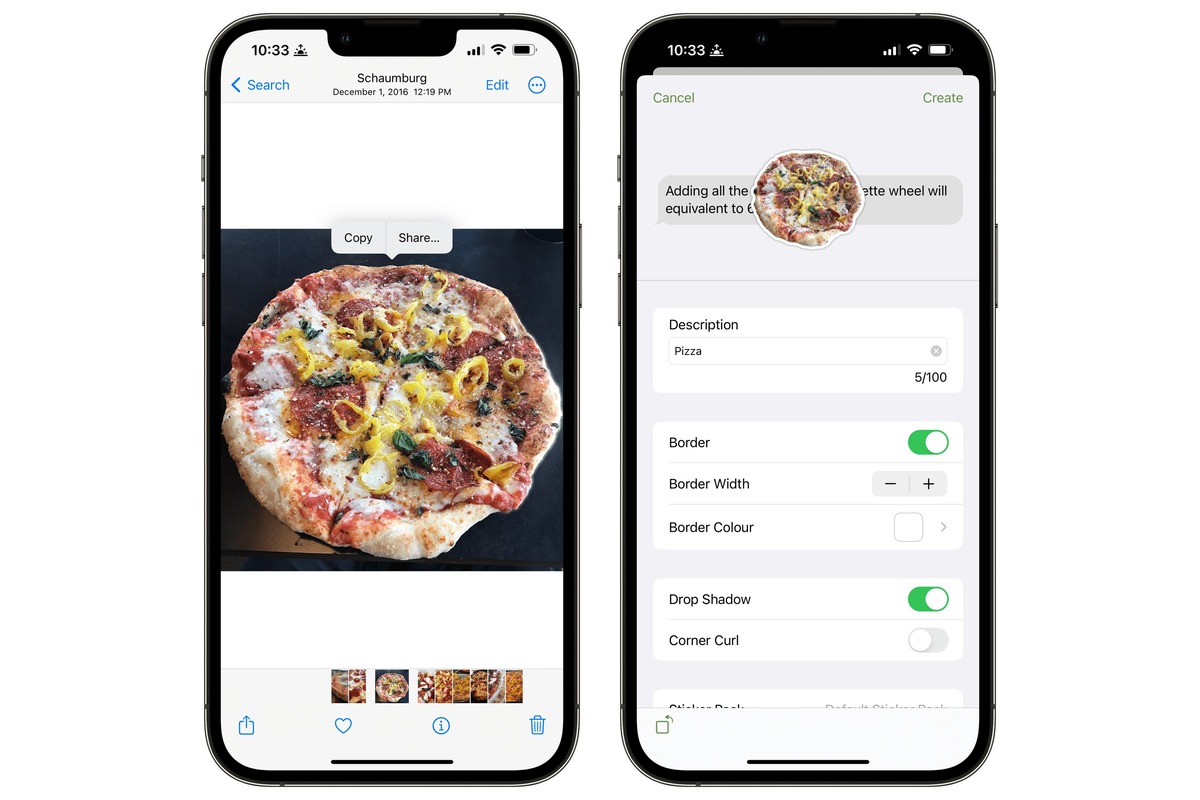
On an iPhone, the Photos app provides two verified ways to crop an image into a thumbnail-style format. Both methods are fast and require no additional downloads.
Using the quick pinch-to-crop gesture
- Open the Photos app and select the photo you want to use.
- While viewing the photo full screen, pinch to zoom in on the area you want to keep.
- Tap Crop in the top-right corner.
- Make any further adjustments to the framing.
- Tap Done to save your new thumbnail.
Using the standard Edit and Crop tool
- Open the Photos app and select your image.
- Tap Edit.
- Tap the Crop tool.
- Drag the corners or pinch to crop the image, or select a preset ratio like Square, Wallpaper, 9:16, or 5:7.
- Tap Done to apply the changes.
Apple also documents a separate Preview app for iPhone, where you can open an image, tap the edit control, drag the blue handles to select an area, and then tap Crop.
Creating a thumbnail on Android using the Gallery app
Android users can generally create a thumbnail using the built-in Gallery app, though the exact menu path is not officially documented and may vary by device manufacturer. In most cases, you can open the photo in your Gallery app, look for an Edit or Crop icon (often represented by a pencil or crop symbol), and then adjust the dimensions of the image. After cropping, use any available filters or enhancement tools to finish the thumbnail, then save the edited image.
Designing a thumbnail with popular editing apps
For more creative control, dedicated design apps offer templates, fonts, and graphics that go beyond basic cropping.
Canva is a popular graphic design platform with a mobile app that provides a wide range of customizable templates. You can add text and graphics, apply filters, and customize colors and fonts to create a visually appealing thumbnail.
Adobe Spark Post offers an intuitive interface for adding text, graphics, and effects to your images. It includes professional-quality templates that can help your thumbnails stand out.
Pixlr is a feature-rich editing app that offers a wide range of tools, filters, overlays, and effects. It allows you to adjust colors, add text, and incorporate graphics into your thumbnail design.
Snapseed is available for both Android and iOS. It offers a wide range of editing features, including cropping, brightness and contrast adjustments, selective filters, and more.
Customizing your thumbnail with text and graphics
Once you have chosen your editing tool, you can customize your thumbnail to make it more engaging. The text on your thumbnail should be catchy, concise, and relevant to your content. Use bold and legible fonts to grab viewers' attention. You can also enhance your thumbnail by incorporating relevant graphics and icons that represent the theme or topic of your content. Experiment with colors and backgrounds to make the thumbnail visually engaging; choose colors that complement your content and ensure the background is not too cluttered or distracting. A clean, well-designed thumbnail will attract more viewers and encourage them to click.
Optimizing thumbnails for mobile platforms
Optimizing your thumbnail ensures it displays correctly and loads quickly across different devices and screen sizes. Different platforms have specific requirements for thumbnail dimensions, so research the recommended dimensions for the platform you are publishing on. A common recommendation is a 16:9 aspect ratio at a resolution of at least 1280x720 pixels, though a 1:1 square ratio also works well for many platforms. Aim for dimensions between 200 pixels by 200 pixels and 800 pixels by 800 pixels for a 1:1 square ratio. Large file sizes can negatively impact loading speed, so use compression tools to reduce the file size without compromising image quality. Use image compression tools like JPEGmini or TinyPNG. Test your thumbnail on different mobile devices to ensure it is displayed correctly and retains its visual appeal across various screen sizes and resolutions. Use responsive design techniques, such as CSS media queries and fluid image scaling, to make thumbnails adapt to different screen sizes.
Frequently Asked Questions
What is the best app to make a thumbnail on mobile?
Canva is a versatile and user-friendly choice for most creators, offering templates, graphics, and fonts. For a more professional-grade design, Adobe Spark Post is a strong option, while Pixlr is excellent for detailed photo editing and effects. Thumbnail Maker is a dedicated app designed specifically for creating thumbnails, offering a variety of customizable templates and design elements.
What are the best design tips for a mobile thumbnail?
Use high-quality, clear images that accurately represent your content. Keep the design simple and focused, use contrasting colors to make text and graphics stand out, and add concise, engaging text that gives viewers a clear idea of what to expect.
Can I optimize my thumbnail for search engines?
Yes, you can improve visibility by including relevant keywords in the thumbnail's file name and alt text. Using descriptive titles and captions and compressing the image for fast loading also helps with user experience and search performance.
What are the ideal dimensions for a mobile thumbnail?
It is generally recommended to create thumbnails with a resolution of at least 1280x720 pixels. A 16:9 aspect ratio is commonly used as it fits well within video players, though a 1:1 square ratio is also a popular and effective choice.
For the wider topic, see managing and transferring photos.
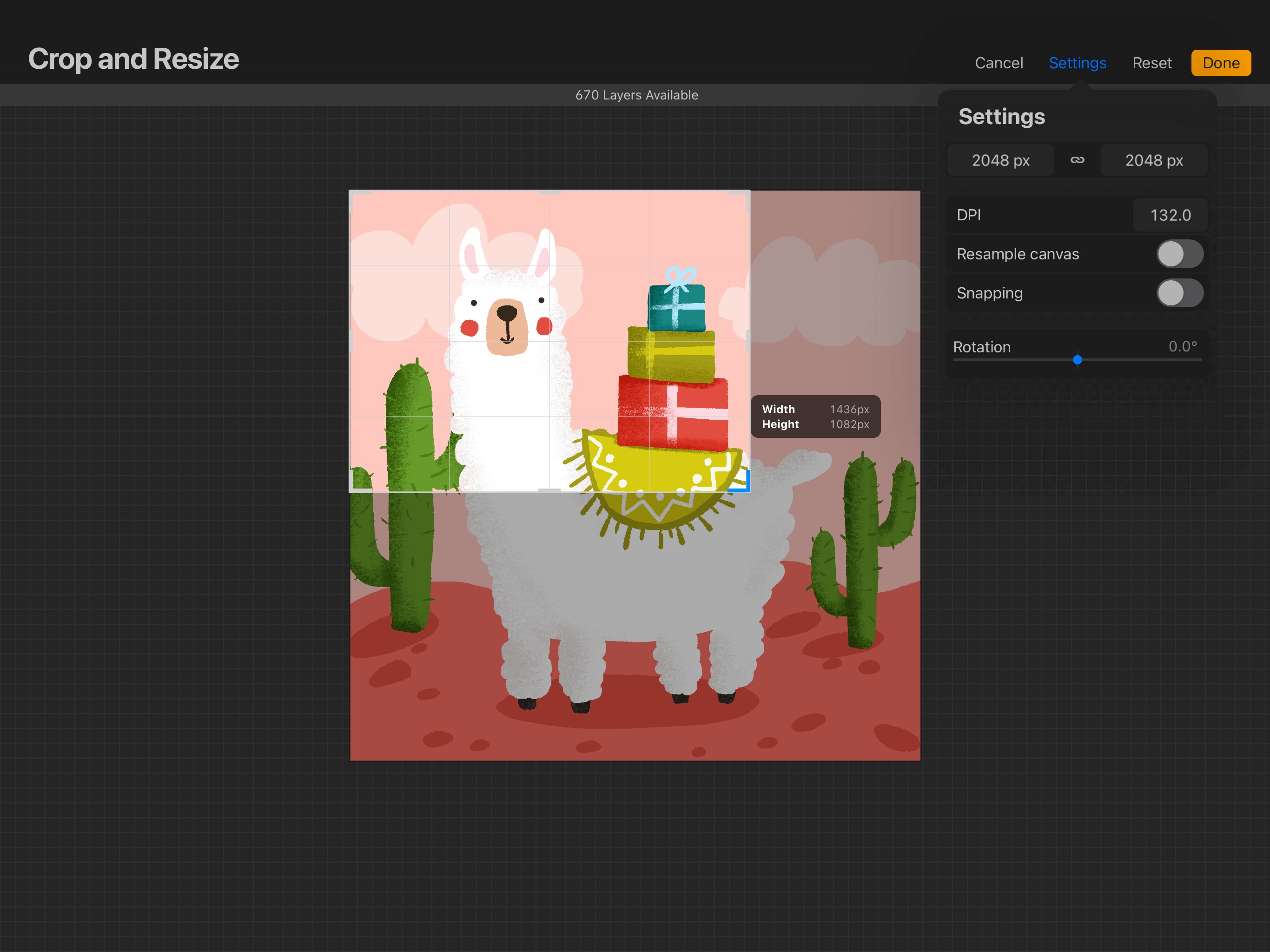
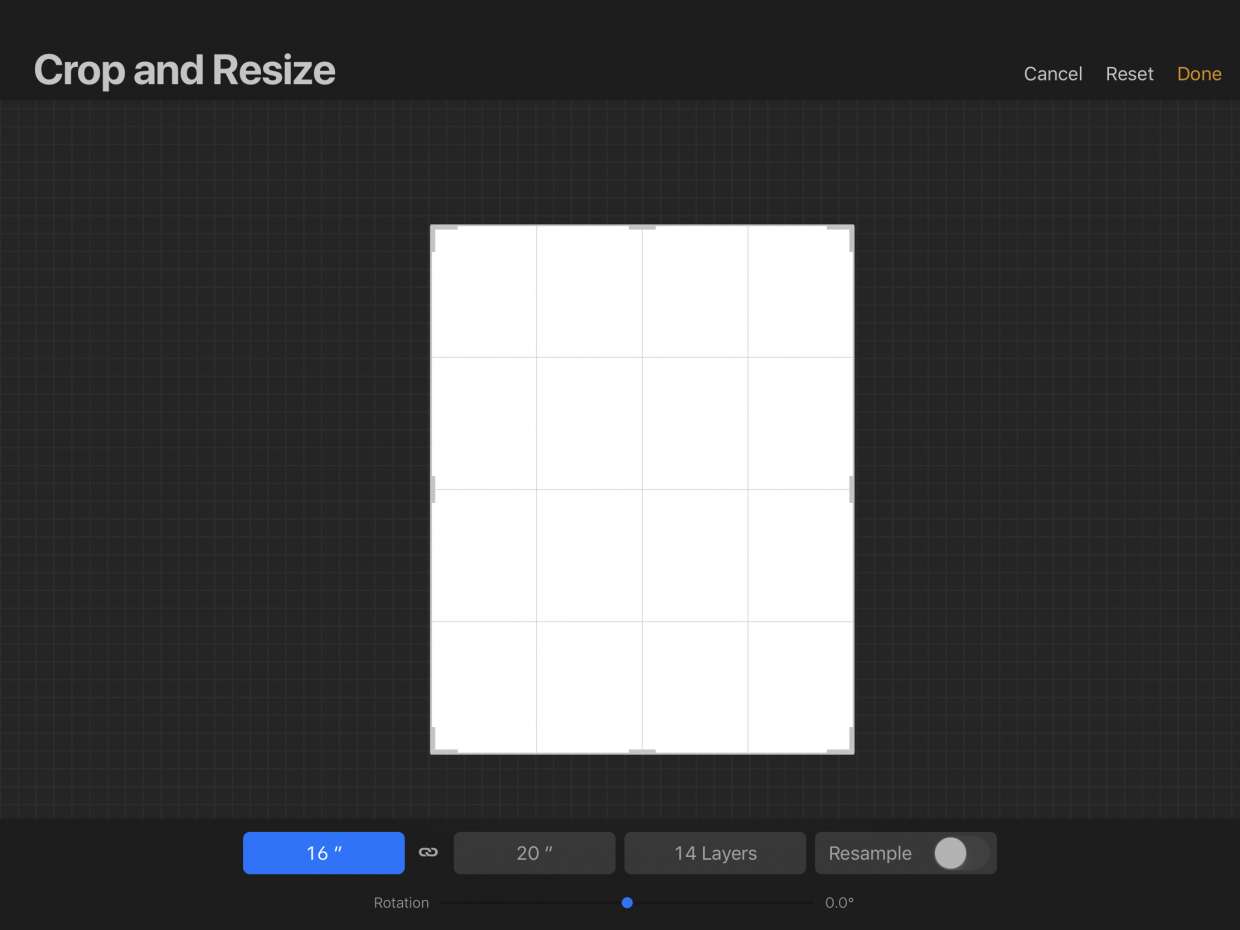
Related reading: How To Crop An Image On Procreate and How To Resize Image In Procreate.