



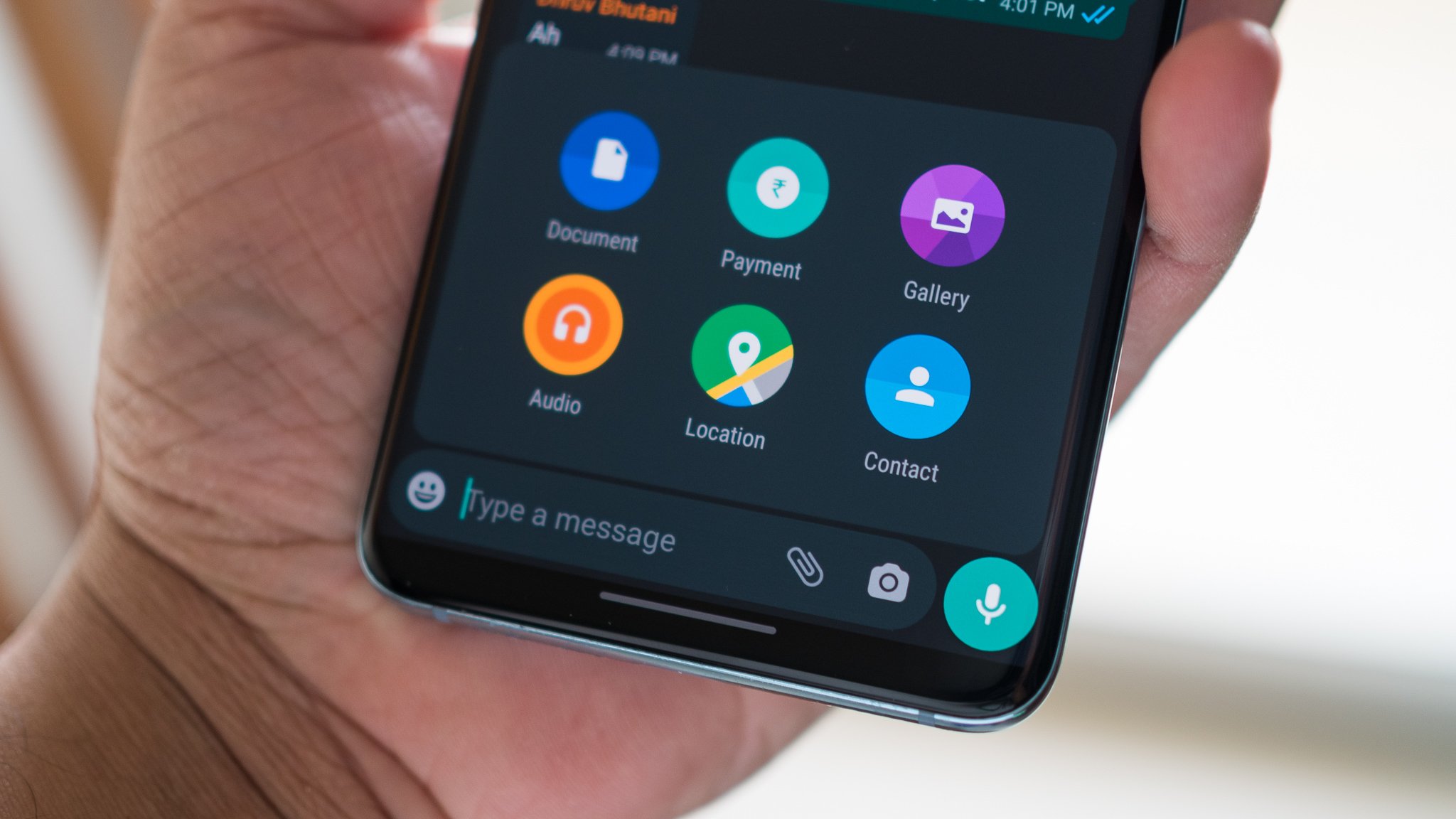
To send a picture from an Android phone, open the Gallery or Photos app, select the picture, tap the Share icon (which looks like three dots connected by two lines or a sideways "V"), and choose the app you want to send it through. This universal method works for messaging apps, email, and other sharing options, making it the fastest way to share a photo.
How to send a picture from an Android phone using the share icon
The Share icon is the universal tool for sending pictures on Android. Open your Gallery or Google Photos app, tap the picture you want to send, then tap the Share icon. A menu appears showing all compatible apps and recent contacts. After selecting the picture, you may have the option to crop or edit it before sending. Starting with Android 11, you can pin frequently used apps or contacts to the top of this sharing list for quicker access. This is especially helpful when you regularly share photos with the same people or through the same service.
Send a picture via text message (MMS and RCS)
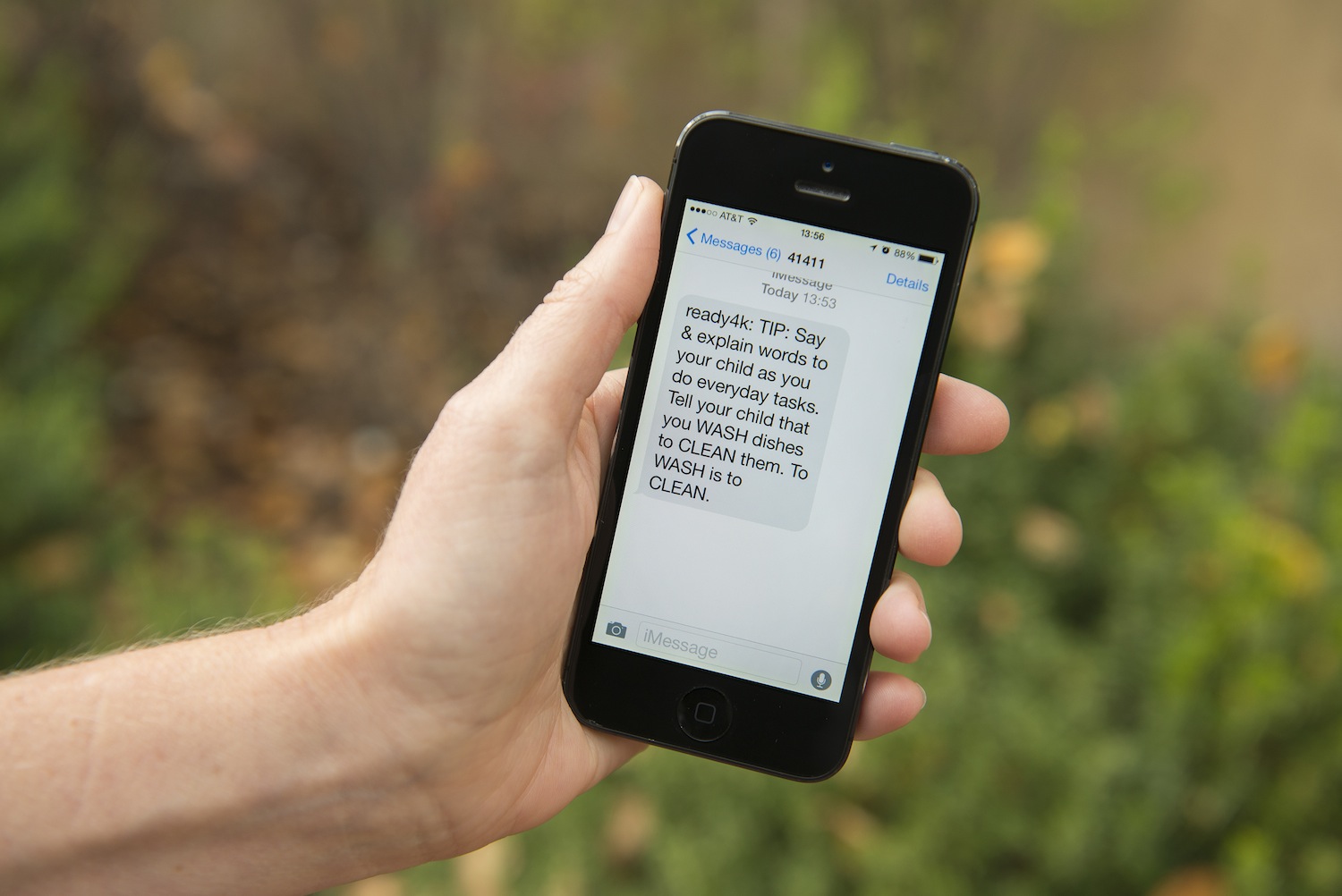
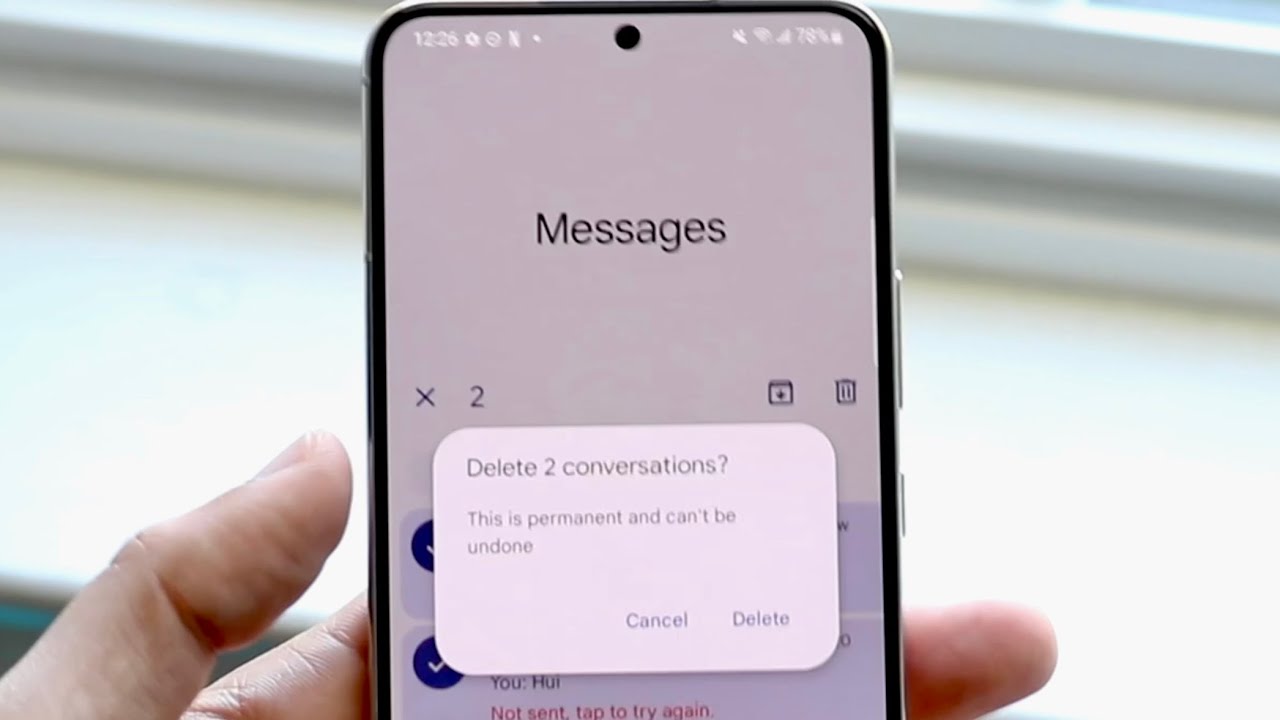
To send a picture through your default messaging app, open the app, start a new message or open an existing conversation, tap the attachment icon, select the picture from your gallery, and send it. Some messaging apps may require you to tap on a "+" or "Add Contact" button next to the message field in order to add a recipient. Sending pictures via traditional text messages (MMS) requires mobile data to be enabled, even if it doesn't directly use your data plan for billing. MMS messages have strict file size limits, typically around 1MB to 3.5MB for images, which are imposed by mobile carriers and can result in significant compression and lower quality. Rich Communication Services (RCS) messaging, available in apps like Google Messages, allows for sending higher-resolution images and videos over data or Wi-Fi with fewer file size limits compared to MMS. However, Google Messages currently compresses images sent over RCS, typically limiting them to 2,048 pixels tall, though Google is working on increasing this limit to 8,192 pixels with 100% JPEG quality. You can check the messaging app for read receipts or delivery indicators to confirm the recipient has received the picture.
Send a picture via email from your Android phone
Open your Gallery or Photos app, select the picture, tap the Share icon, and choose your email app (such as Gmail). This attaches the picture to a new email. You can then add the recipient's email address, a subject, and any message you like before sending. This method is ideal when you need to send a photo as an attachment for formal or professional purposes, or when the recipient prefers email over messaging apps.
Share photos with nearby devices using Quick Share
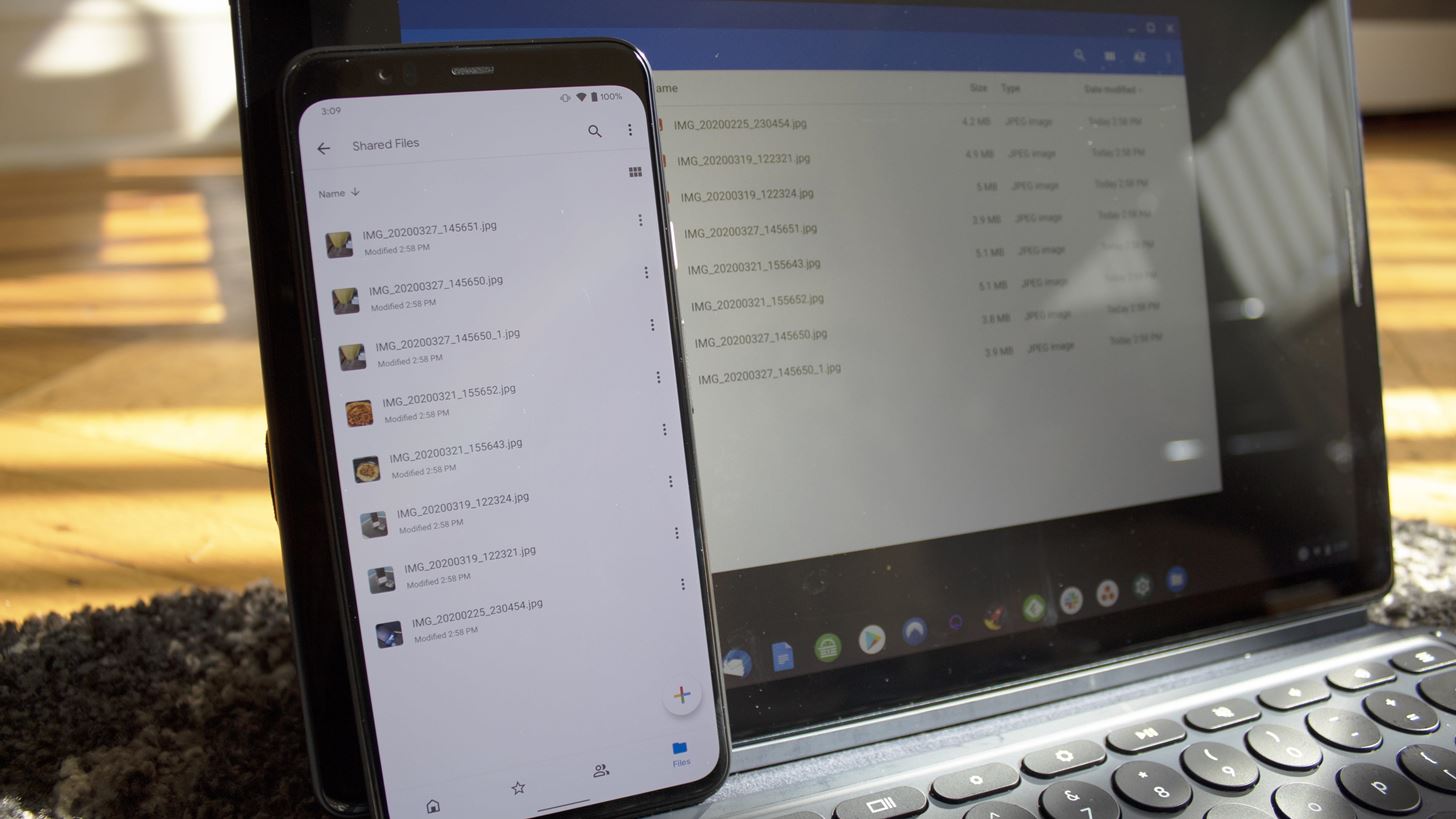
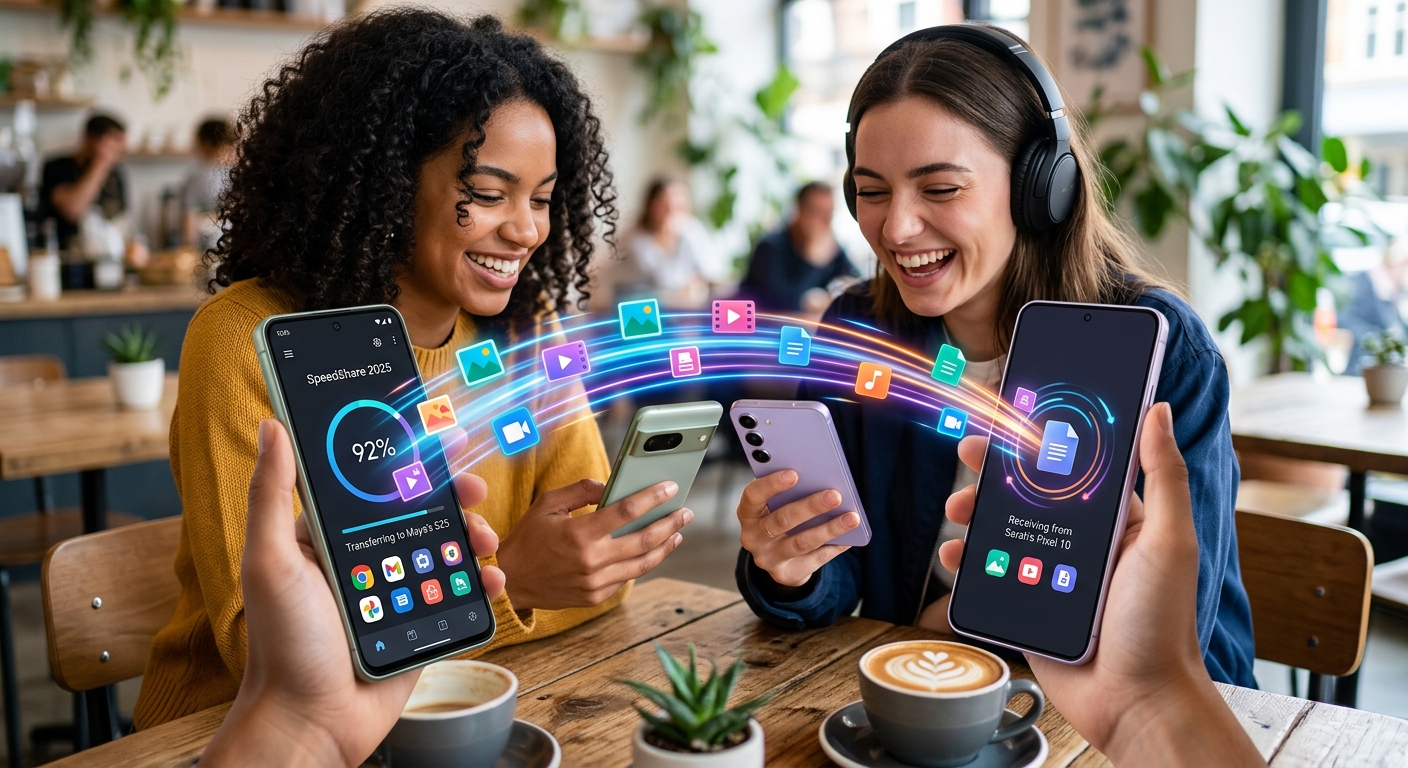
Quick Share (formerly Nearby Share) allows you to wirelessly send photos to other nearby Android devices or select Windows PCs. Open the photo, tap Share, and select Quick Share. For Quick Share to work, both the sending and receiving Android devices need Bluetooth turned on, be in close proximity (within 1 foot), and the recipient's Quick Share visibility settings must allow sharing from your device (such as "Everyone for 10 minutes," "Contacts," or "Your devices"). This is the fastest way to transfer photos without using mobile data or an internet connection, making it perfect for sharing multiple pictures at once with someone sitting next to you.
Share directly with Google Photos users
Open the Google Photos app, select the photo or album, tap Share, and choose people under "Send in Photos" or "Share to apps." This sends the photo directly to specific people who also use Google Photos, allowing them to view it in their own library. This method preserves the original quality of your images and makes it easy to collaborate on albums or share large batches of photos without worrying about file size limits. It's also a great way to keep your photos organized when you're managing and transferring photos between devices.
Troubleshooting when pictures won't send
If your picture fails to send, try these common fixes. First, ensure mobile data is enabled for MMS messages. Check your network connection, a weak signal or no internet access will prevent sending. Verify your device has enough available storage space to send and receive picture files. Restart your device to clear temporary glitches. Update your messaging app to the latest version to resolve compatibility issues. Restrictions by wireless carrier: Some wireless carriers impose restrictions on sending certain types of files, including large pictures. Check with your carrier to see if there are any limitations. If problems persist, contact your wireless carrier about any restrictions they may impose on sending certain file types or large pictures.
Frequently Asked Questions
Can I send multiple pictures at once from my Android phone?
Yes. In the Gallery or Photos app, tap the Select or Edit button (usually a checkbox icon), choose all the pictures you want to send, then tap the Share icon and choose your destination app. Most messaging apps and email clients will send them as a group.
How can I resize a picture before sending it from my Android phone?
Use a photo editing app from the Google Play Store, such as Adobe Photoshop Express, Snapseed, or Pixlr. Import the picture, use the Resize or Image Size tool to adjust dimensions, save the resized copy, then share it normally. This helps when you need to stay under MMS file size limits.
Can I send a picture from my Android phone to an iPhone?
Yes. Use any messaging app that supports cross-platform communication, such as Google Messages (which uses RCS), WhatsApp, or email. The recipient will receive the picture just like any other photo message, though MMS may compress the image more than RCS would.
How do I send a picture as an email attachment from my Android phone?
The picture attaches automatically. Compose your email with a subject and message, then tap Send. This method preserves the original file size better than MMS.
Related reading: Text Messaging Features and T-Mobile Text Settings and How To Play Video On Android Phone.