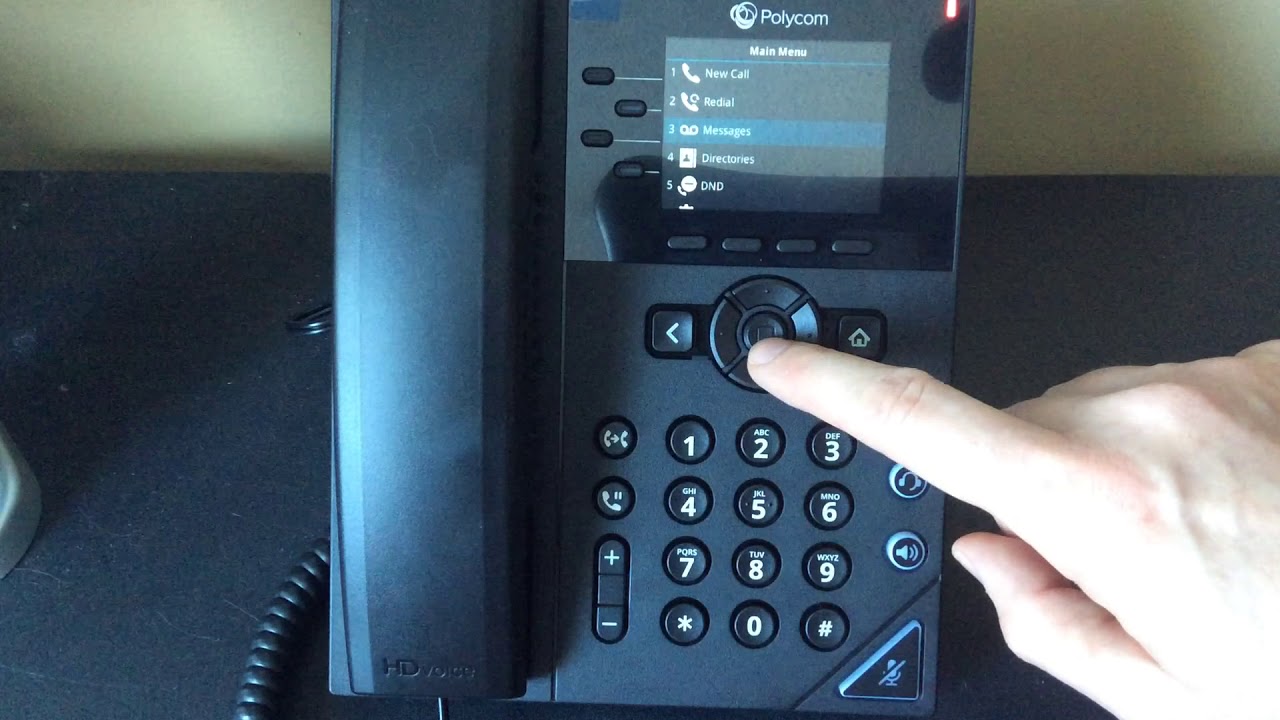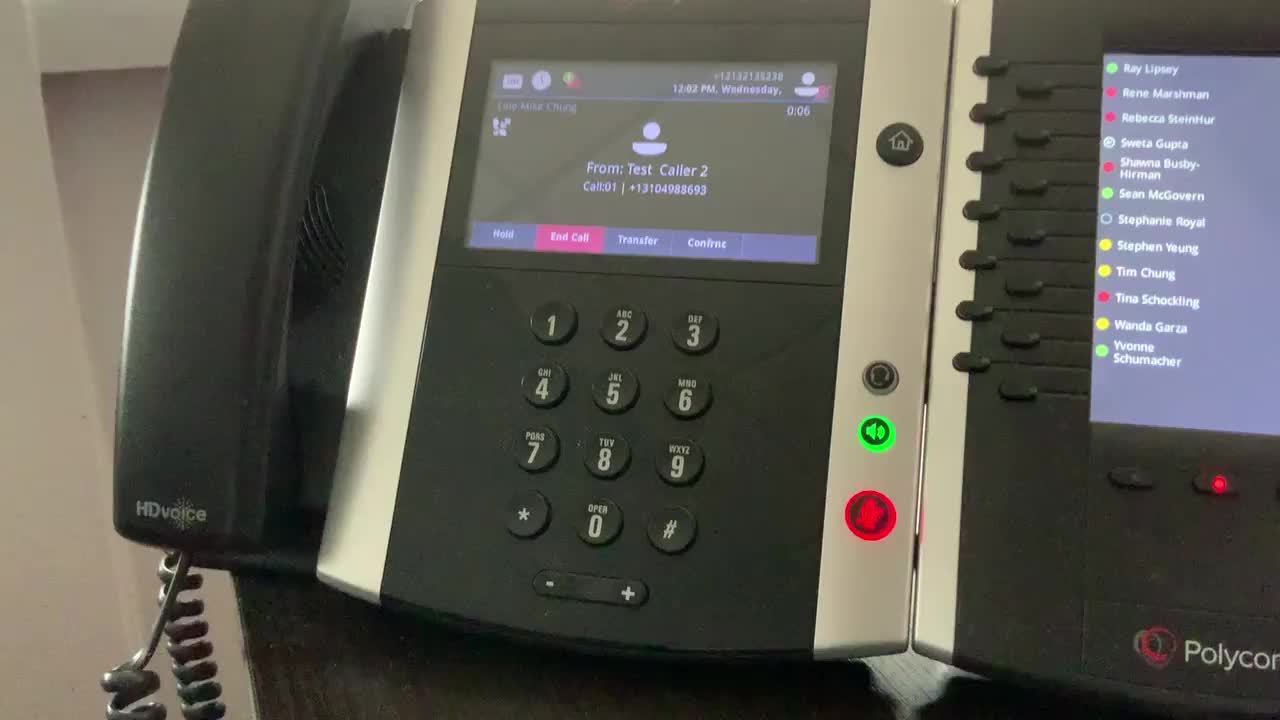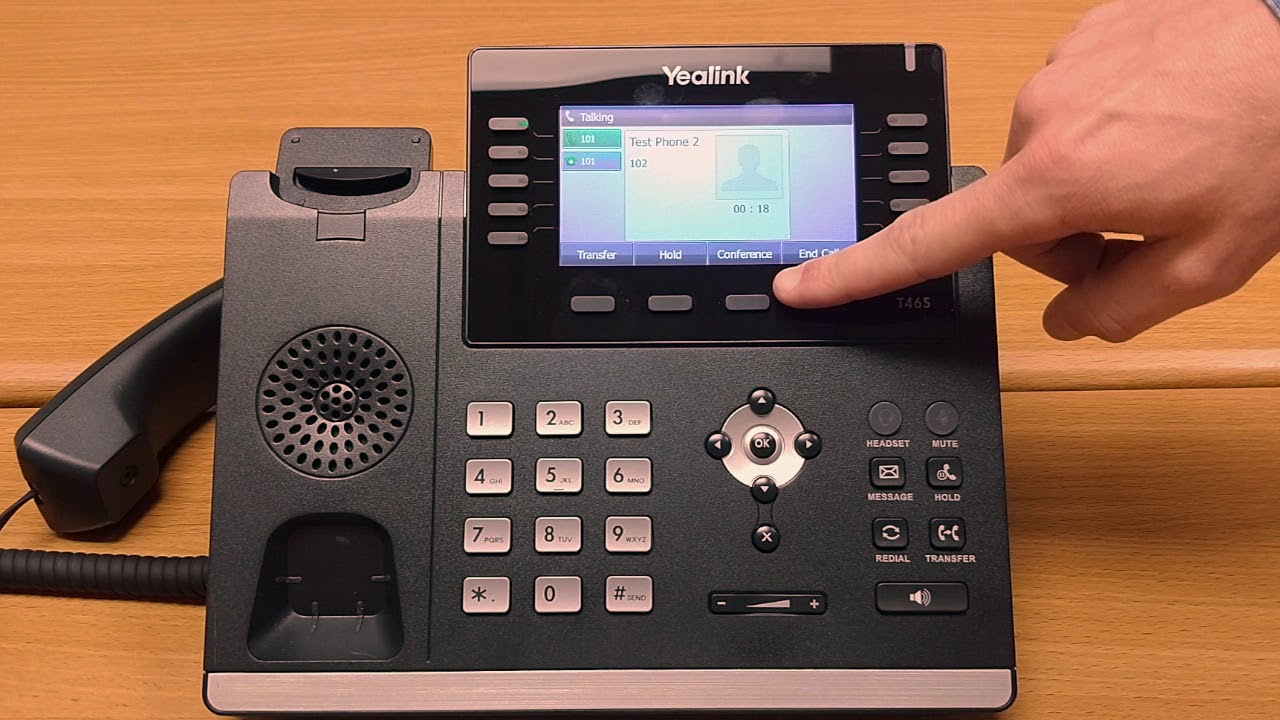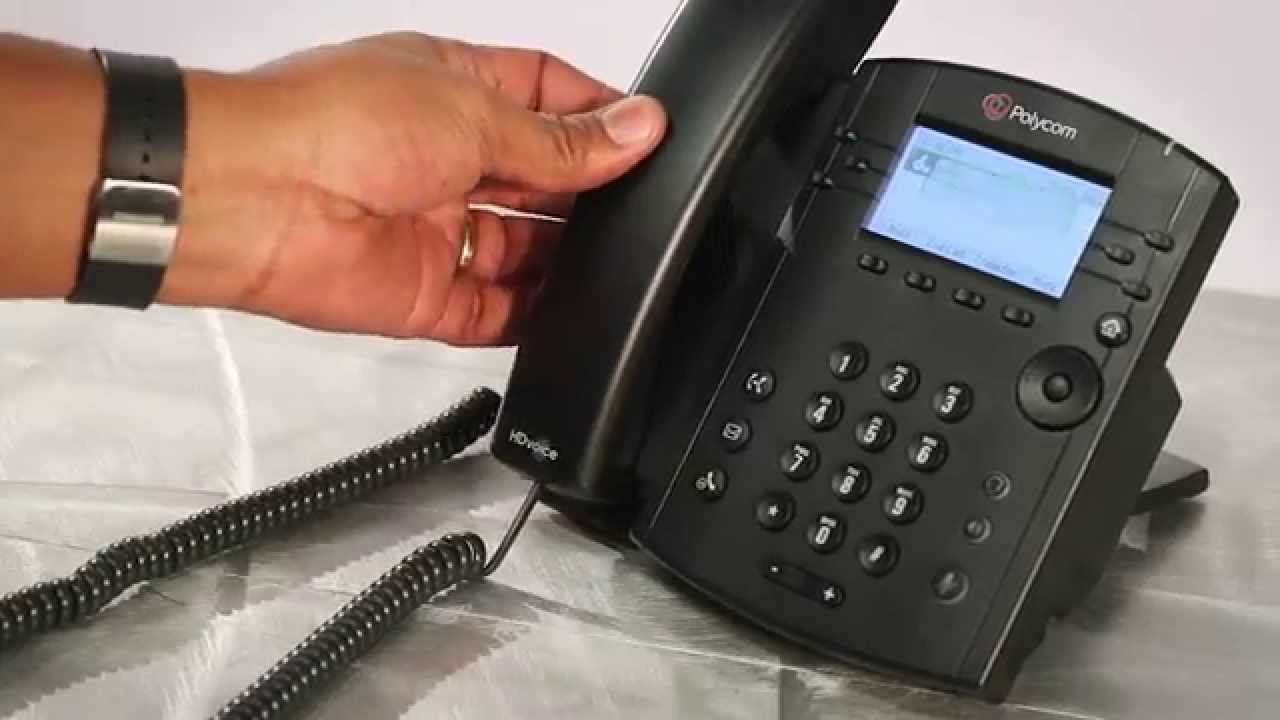





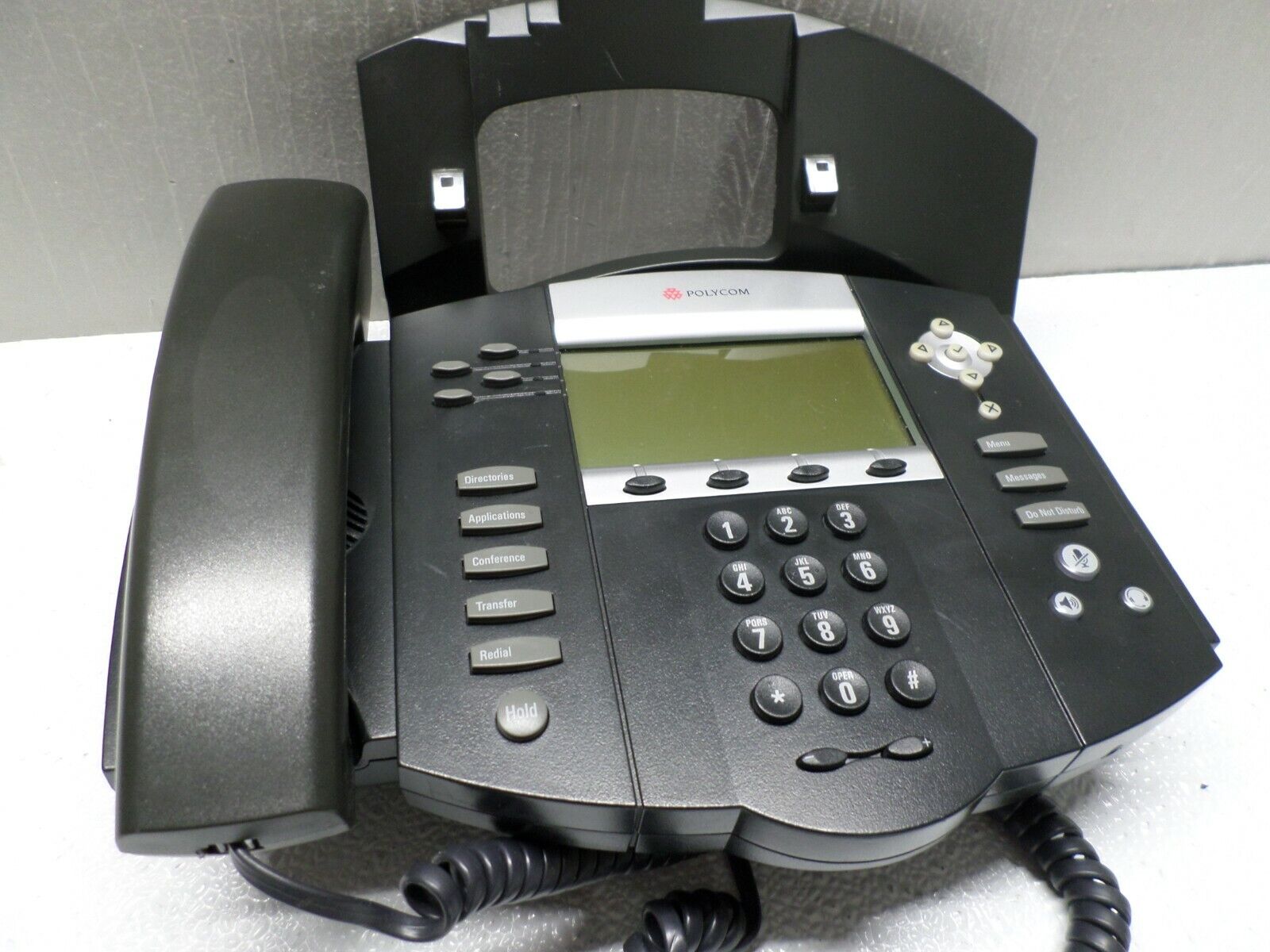
To transfer a call on a Polycom phone, you have two choices: a warm (consultative) transfer where you speak to the recipient first, or a blind (cold) transfer where the call is sent immediately. Press Transfer or Trnsfer during an active call, dial the destination, then either press Transfer again or hang up to complete the transfer.
How to transfer a call on a polycom phone: the two methods
A warm transfer (also called a consultative transfer) keeps the original caller on hold while you speak to the recipient first before completing the transfer. A blind transfer (also called a cold transfer) sends the call directly to the destination without any prior conversation. On Polycom phones, both methods start the same way: press Transfer or Trnsfer while on the active call, then dial the extension or phone number of the person you want to transfer to.
Step-by-step: warm (consultative) transfer
- While on the active call, press Transfer or Trnsfer. The original caller is placed on hold while you complete the transfer.
- Dial the extension or phone number of the destination.
- Wait for the recipient to answer. Speak to them and announce the call.
- Press Transfer again or hang up to complete the transfer. The call is now connected to the recipient.
Step-by-step: blind (cold) transfer
- Press the Blind soft key if it appears on the screen. On some models or provider configurations, pressing and holding Transfer starts the blind-transfer path directly.
- The call completes immediately or after pressing Send or #, depending on your provider setup. You are disconnected from the call.
Key variations and provider differences
The exact button labels and final steps can vary by Polycom phone model and service provider configuration. Some systems use Transfer twice to complete a warm transfer, while others use Send or # to place the call. The method to initiate a blind transfer also differs: some phones show a Blind soft key after pressing Transfer, while others require you to press and hold Transfer to skip the menu. The RingCentral guide documents a configurable Default Transfer Type setting under Settings > Preference > Default Transfer Type, which changes whether blind transfer is the default behavior. These variations are documented on models including Poly VVX 101, VVX 250, VVX 350, VVX 450, and VVX 411. If you need to forward a cell phone instead of a desk extension, you can dial the full mobile number as the destination during the transfer process.
Frequently Asked Questions
Can I transfer a call directly to voicemail?
Yes, on some provider setups. After pressing Transfer, look for a More soft key, then select Transfer to Voicemail and enter the mailbox ID or extension. On some systems, you can transfer directly to voicemail through More > Transfer to Voicemail > enter mailbox ID/extension. This feature is not universal across all Polycom configurations.
What does the 'Default Transfer Type' setting do?
This setting, found under Settings > Preference > Default Transfer Type, changes whether pressing Transfer defaults to a blind or warm transfer. It is configurable on some hosted provider systems.
What happens if the recipient rejects the transferred call?
If the recipient rejects the call, it is routed back to the original phone. The caller will hear a busy tone or be redirected to the voicemail of the person who originally transferred the call.
Can I transfer a call to an external number?
Yes. During the transfer process, simply dial the full external phone number including the area code instead of an internal extension. The call will be forwarded to that device.
Related reading: How To Use Intercom On Cisco Phone and How To Check Voicemail On Polycom Phone.