





To turn off Low Data Mode, open Settings on your iPhone or Android phone and disable the feature where you turned it on. This restores full-speed, unrestricted data usage for apps, streaming, and background tasks.
How to turn off Low Data Mode on iPhone
The setting is turned off in the same place it is turned on, so start by opening Settings. Note that preferences are stored separately for cellular data and Wi‑Fi, and the exact path can vary by carrier. Apple says the setting can vary by carrier. No carrier-specific Low Data Mode setting or limit was documented in the pages retrieved for this answer.
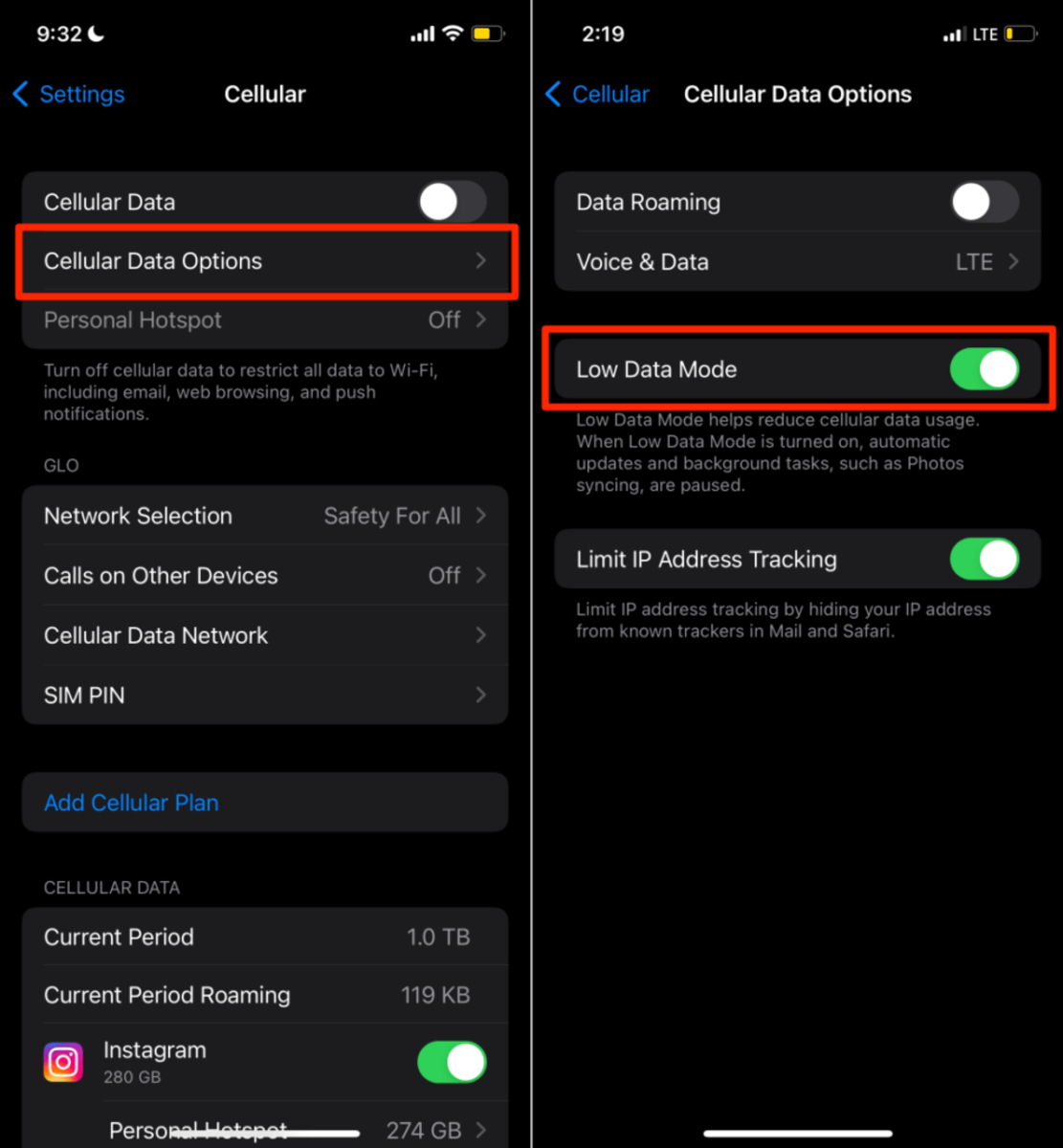
- For LTE/4G cellular data: Go to Settings > Cellular > Cellular Data Options. Tap Low Data Mode and switch it off.
- For 5G plans: Go to Settings > Cellular > Cellular Data Options > Data Mode. Select a mode other than Low Data Mode (such as Allow More Data on 5G) to turn it off.
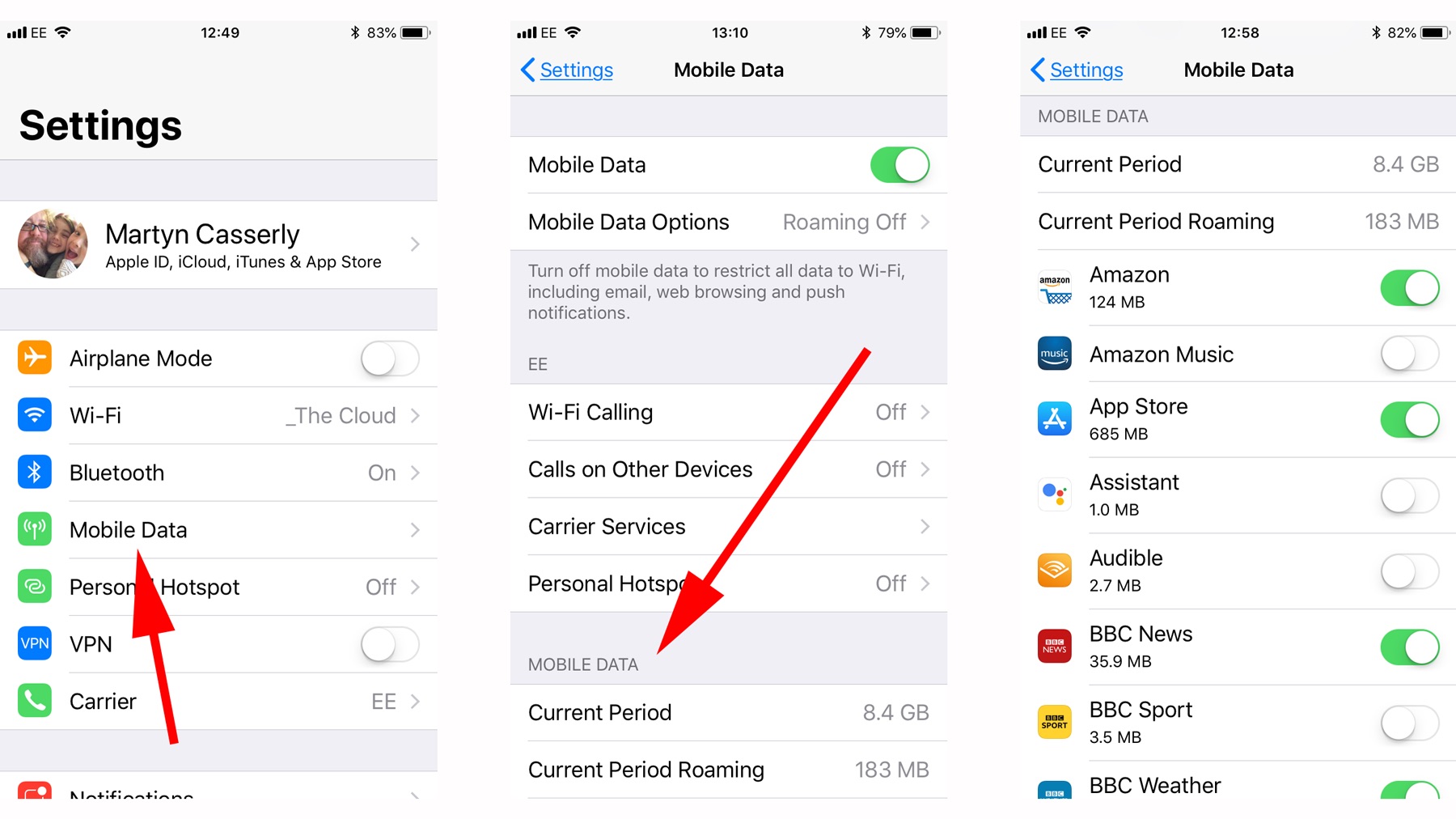
- For dual SIM iPhones: Go to Settings > Cellular (or Mobile Data), tap the specific line you want to change, then tap Low Data Mode and switch it off. Each line has its own setting. On dual SIM iPhone you must open Settings > Cellular or Mobile Data, tap the specific line, then change Low Data Mode for that line.
- For a Wi‑Fi network: Go to Settings > Wi‑Fi, tap the info button (the “i” in a circle) next to the connected network, then tap Low Data Mode and switch it off.
If you want to manage the feature across all your devices, know that Wi‑Fi Low Data Mode settings sync through iCloud when you are signed into the same Apple ID.
How to turn off Data Saver on Android
On stock Android and Pixel devices, Data Saver restricts background data for most apps, but active apps can still use mobile data. Turn it off in the system settings. Google's Pixel help says Data Saver lets most apps and services use background data only via Wi‑Fi, while active apps can still use mobile data.
- Stock Android / Pixel: Open Settings > Network & internet > Data Saver, then switch Data Saver off.
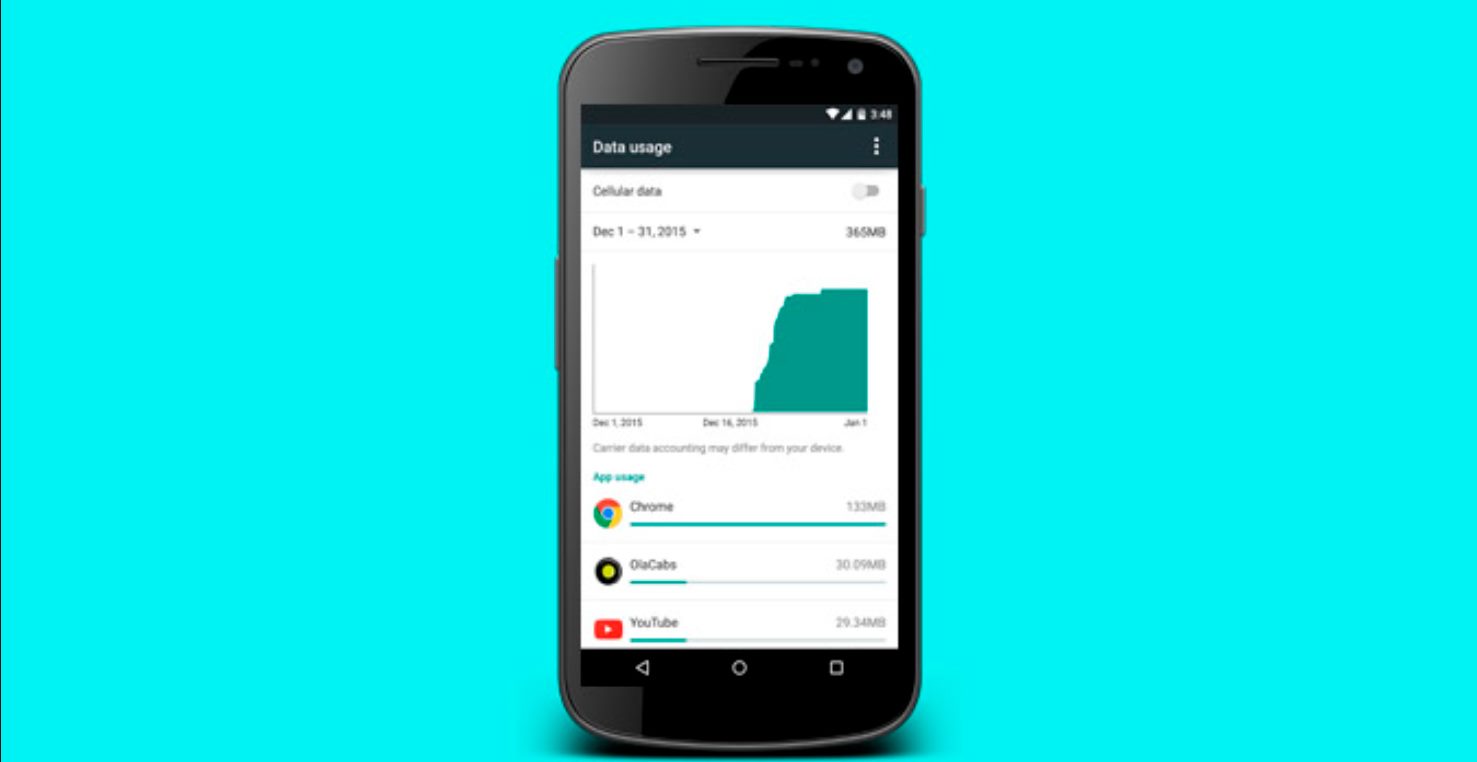
- Samsung Galaxy: Open Settings > Connections > Data usage > Data saver, then switch it off.
What to expect after turning off Low Data Mode
Disabling Low Data Mode on iPhone or Data Saver on Android means background app refresh, automatic app updates, and other background network tasks will resume. Apps and services will again use mobile data freely, which may increase data consumption. On iPhone, Apple documents that Low Data Mode reduces background network use and pauses automatic updates and background tasks when not connected to Wi‑Fi; after turning it off, these tasks will run normally.
Frequently Asked Questions
What is Low Data Mode?
Low Data Mode is an iPhone setting that reduces background network use, pauses automatic updates, and limits background tasks to help conserve data. On Android, the equivalent feature is called Data Saver, which restricts background data for most apps and services while letting actively used apps continue using mobile data.
How can I check if Low Data Mode is on?
On iPhone, go to Settings > Cellular > Cellular Data Options and look at the Low Data Mode toggle, green means it’s on. For Wi‑Fi, check Settings > Wi‑Fi, tap the info button next to the network, and see if Low Data Mode is enabled. On Android, go to Settings > Network & internet > Data Saver; if the toggle is on, Data Saver is active.
How do I turn off Low Data Mode on iPhone?
Follow the steps above for your specific connection: cellular (LTE/4G or 5G), dual SIM line, or Wi‑Fi. The setting is always turned off in the same menu where it was turned on.
Will turning off Low Data Mode use more data?
Yes. After turning it off, background app refresh, automatic updates, and other data-intensive tasks resume, which can increase your data usage. Monitor your plan if you have a monthly data cap, as normal usage patterns will return.
Does Low Data Mode affect 5G differently?
On iPhones with 5G, the Low Data Mode setting is found under Settings > Cellular > Cellular Data Options > Data Mode. It works the same way, limiting background activity, but the menu layout is specific to 5G plans.
For the wider topic, see managing cellular data settings.
Related reading: How To Connect A Wireless Access Point and How To Reset Data Usage.