How much is a tripod? For entry-level models, expect to pay between $20 and $50; mid-range tripods typically cost $50 to $200, while professional-grade options start at $200 and can exceed $1,000. The exact price you pay depends on your specific use case, from casual smartphone photography to supporting heavy professional gear.
How much is a tripod? The quick price answer
If you need a basic tripod for a lightweight camera or smartphone, budget around $20 to $50. For a versatile, durable tripod suitable for enthusiast photography and travel, plan on spending $50 to $200. Professional photographers requiring maximum stability for heavy DSLRs and telephoto lenses should expect to invest $200 or more, with premium models like the Peak Design Travel Tripod, which packs down to the diameter of a standard water bottle and has a 20lb weight capacity optimized for full-frame DSLRs with telephoto lenses, representing the high end of the market.
Tripod price ranges explained by feature set
$20 to $50: Entry-level tripods
In this price range, tripods are typically made of plastic or lightweight aluminum. They offer basic stability for point-and-shoot cameras, smartphones, and small camcorders. Leg locks are often twist-style or simple flip locks, and the head is usually a fixed pan-tilt design with limited adjustability. These tripods are functional for casual use but may feel flimsy with heavier gear.
$50 to $200: Mid-range tripods
Mid-range models introduce sturdier aluminum or even entry-level carbon fiber construction. You get better leg locks (flip-lock mechanisms), adjustable leg angles, built-in level indicators, and more reliable ball heads or fluid heads for smoother movement. Portability improves with lighter materials and better folding designs.
$200 and above: Professional tripods
Professional-grade tripods use high-quality carbon fiber for superior strength and vibration reduction while keeping weight low. They feature interchangeable heads, multiple leg angles, specialized mounts, and precise adjustment controls. Load capacities often exceed 20 pounds. Brands like Manfrotto, Gitzo, and the Peak Design Travel Tripod exemplify this tier, offering exceptional durability, stability, and advanced features for demanding studio, landscape, and wildlife photography.
Key factors that determine a tripod's cost
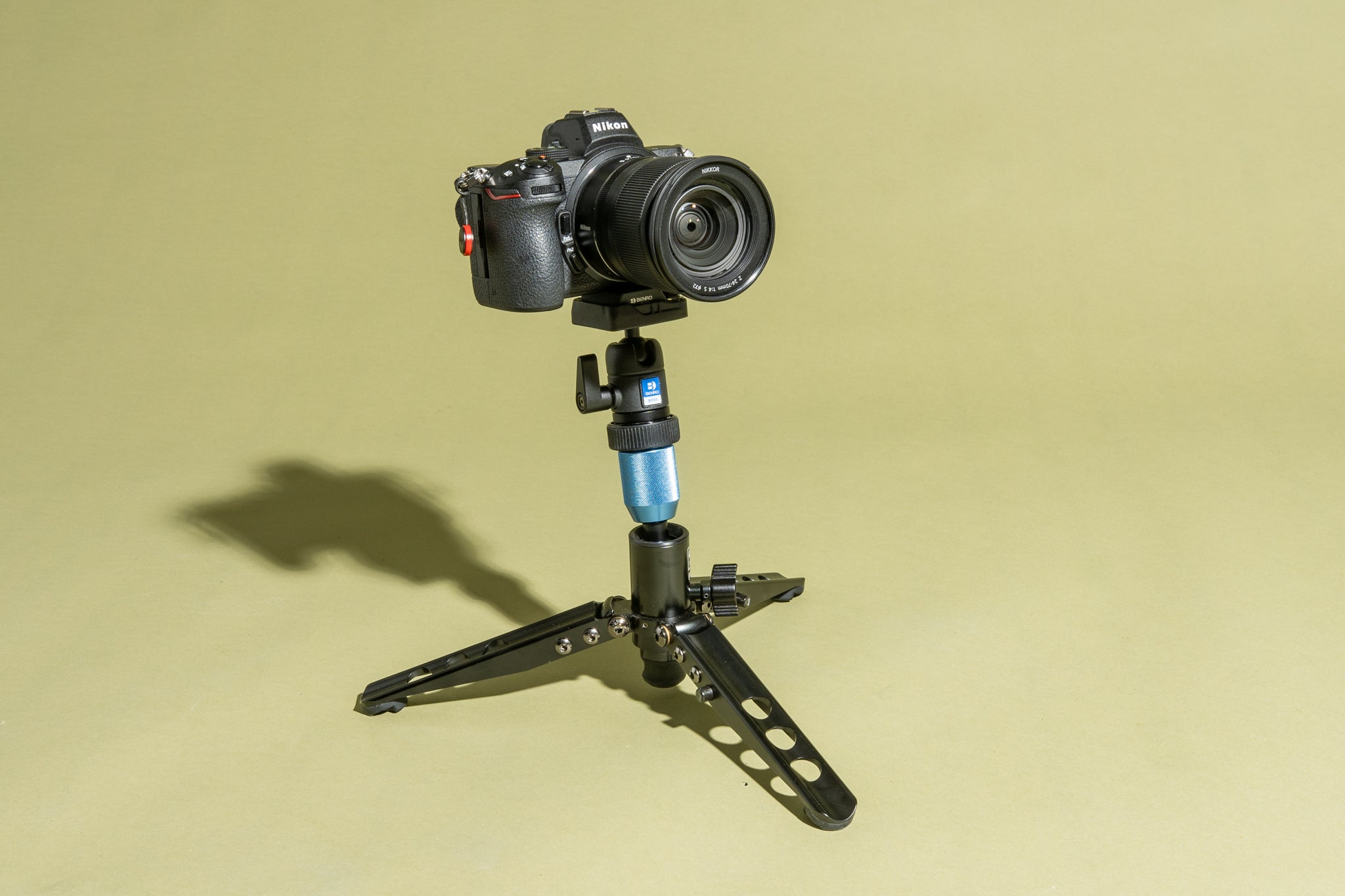
Several specific features directly influence how much a tripod costs. Material: Aluminum is durable and affordable; carbon fiber is lighter and more expensive. Load capacity: A higher weight rating requires stronger legs and a sturdier center column, adding to the cost. Head type: Basic fixed heads are cheap, while quality ball heads, pan-tilt heads, and gimbal heads with smooth, precise movements increase the price. Brand: Established brands like Manfrotto, Gitzo, and Vanguard command higher prices due to reputation, warranty, and consistent build quality. MeFOTO is a brand known for compact and lightweight tripods perfect for travel photographers, available in a variety of vibrant colors. Benro is a brand that has gained popularity for high-quality tripods at affordable prices, offering value for money. Additional features: Built-in levels, quick-release plates, hook for hanging a bag, and a built-in level indicator all contribute to the final price.
How to choose a tripod for your budget
- For smartphone photography or casual use: Choose an entry-level tripod in the $20 to $50 range. Look for a model with an adjustable phone holder and Bluetooth remote. A compact or tabletop tripod works well for desk setups and low-angle shots.
- For travel photography: Prioritize portability and weight. A mid-range carbon fiber or compact aluminum tripod ($50 to $200) that folds small, like one packing to water-bottle size, is ideal. Ensure it supports your camera body plus a standard zoom lens.
- Look for carbon fiber construction, a robust ball head, and features like interchangeable feet and a hook for added stability.
- Focus on load capacity and smooth head movement for precise framing.
Frequently Asked Questions
What is a tripod and why do I need one?
A tripod is a three-legged stand that stabilizes your camera or phone, eliminating camera shake for sharper photos and steadier videos. It is essential for long exposures, low-light photography, and smooth video recording.
Are there different types of tripods available?
Yes. Common types include standard tripods, lightweight travel tripods, studio tripods, tabletop tripods, flexible tripods (like GorillaPods), macro tripods, and gimbal tripods. Joby is renowned for its innovative and flexible tripod designs, like the GorillaPod series with bendable legs, popular among vloggers and content creators. Macro tripods often feature precise adjustment controls and a focus rail for fine-tuning the composition. Each is designed for specific shooting situations, such as travel, close-up work, or fluid panning shots.
Can I use a tripod for my smartphone?
Absolutely. Many tripods come with adjustable phone holders and Bluetooth remote controls. Using a tripod with your smartphone improves photo quality, enables steady video calls, and makes stylus pen usage and basics like precise screen tapping much easier.
What features should I consider when choosing a tripod?
Key features include weight capacity, maximum and minimum height, leg material (aluminum vs. carbon fiber), head type (ball, pan-tilt, or gimbal), leg lock mechanism, and portability. A quick-release plate and built-in level are also useful.
How much does a professional tripod cost?
Professional tripods typically start around $200 and can exceed $1,000. The price reflects high-quality materials like carbon fiber, advanced head designs, higher load capacities, and the reputation of brands such as Gitzo, Manfrotto, and Peak Design.