



First things to know about Fitbit setup
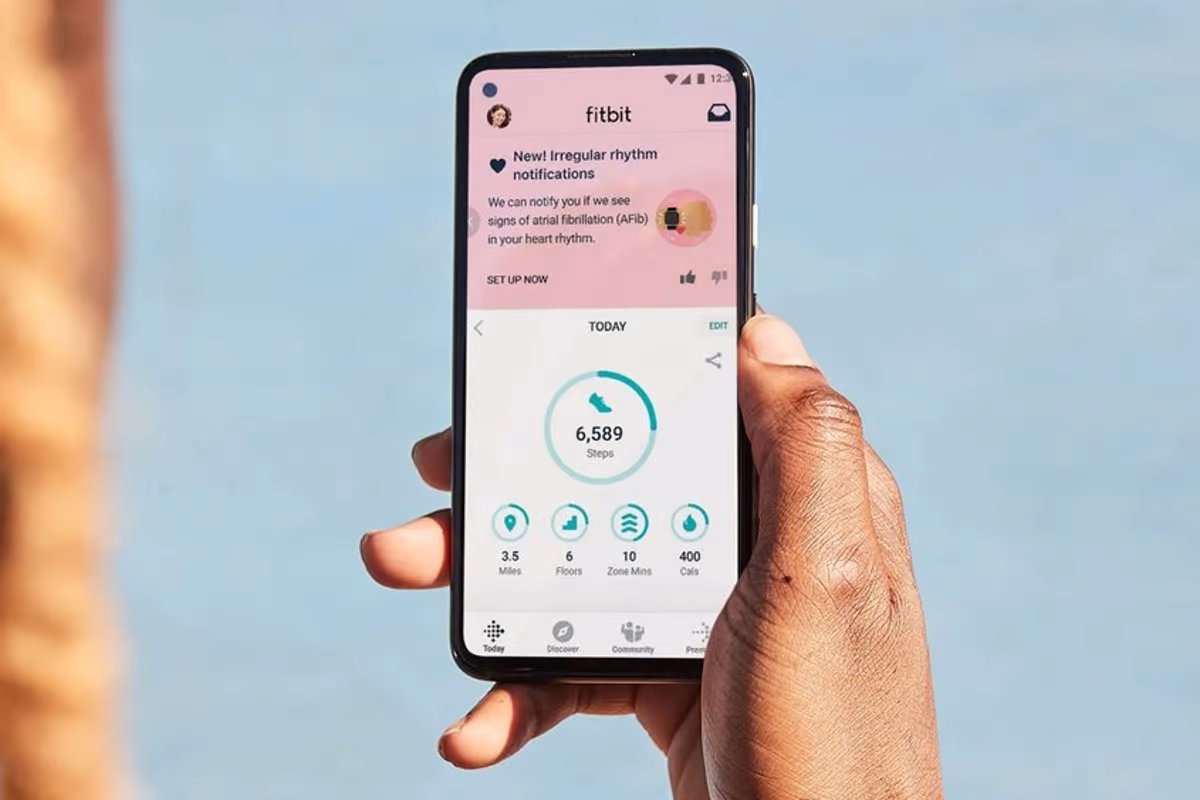
A successful Fitbit setup almost always starts when you download the Fitbit app (known as the Google Health app on iOS) from the Apple App Store or Google Play Store and sign in with a Google Account, which is the essential first step to access all device management features. Trying to pair the device through your phone’s main Bluetooth menu usually stalls, because the app itself must find and link the tracker during its guided setup.
If you already own a tracker and want to swap in a replacement or a second one, the same area of the app lets you add a new Fitbit to my account without losing your historical data, which is helpful if you want to keep all your progress in one place while switching devices, though active devices that sync simultaneously can cause conflicts in daily totals. For households sharing a single phone or tablet, you can create a family account on Fitbit to manage a child's tracker under your own login, keeping the kid’s view separate while giving you oversight of their activity and approved friend connections. Before you connect any third-party service, know that integrations like Strava tend to push workouts into Fitbit but rarely pull your step or sleep data back out.
- create a family account on Fitbit
- add a new Fitbit to my account
- download the Fitbit app
- set up a Fitbit
Pairing your watch to your phone
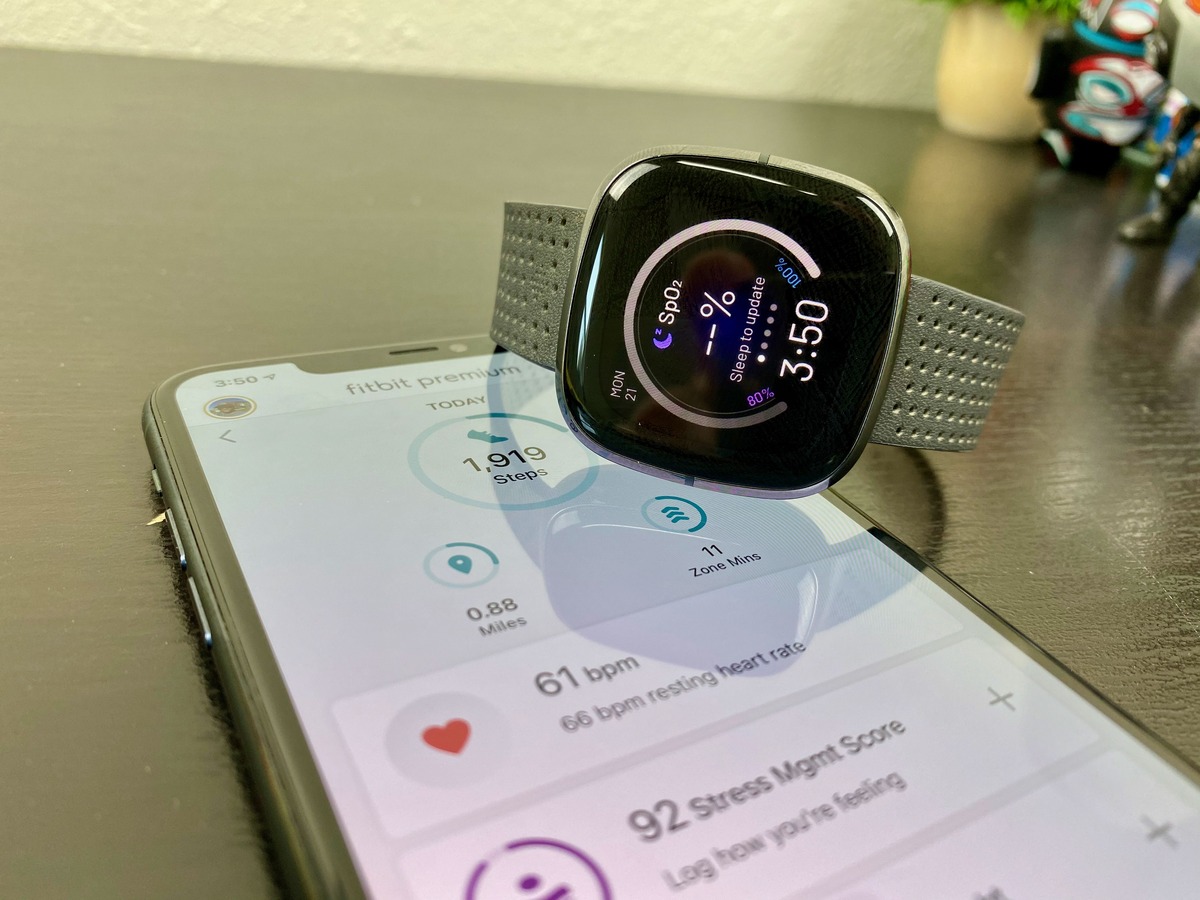
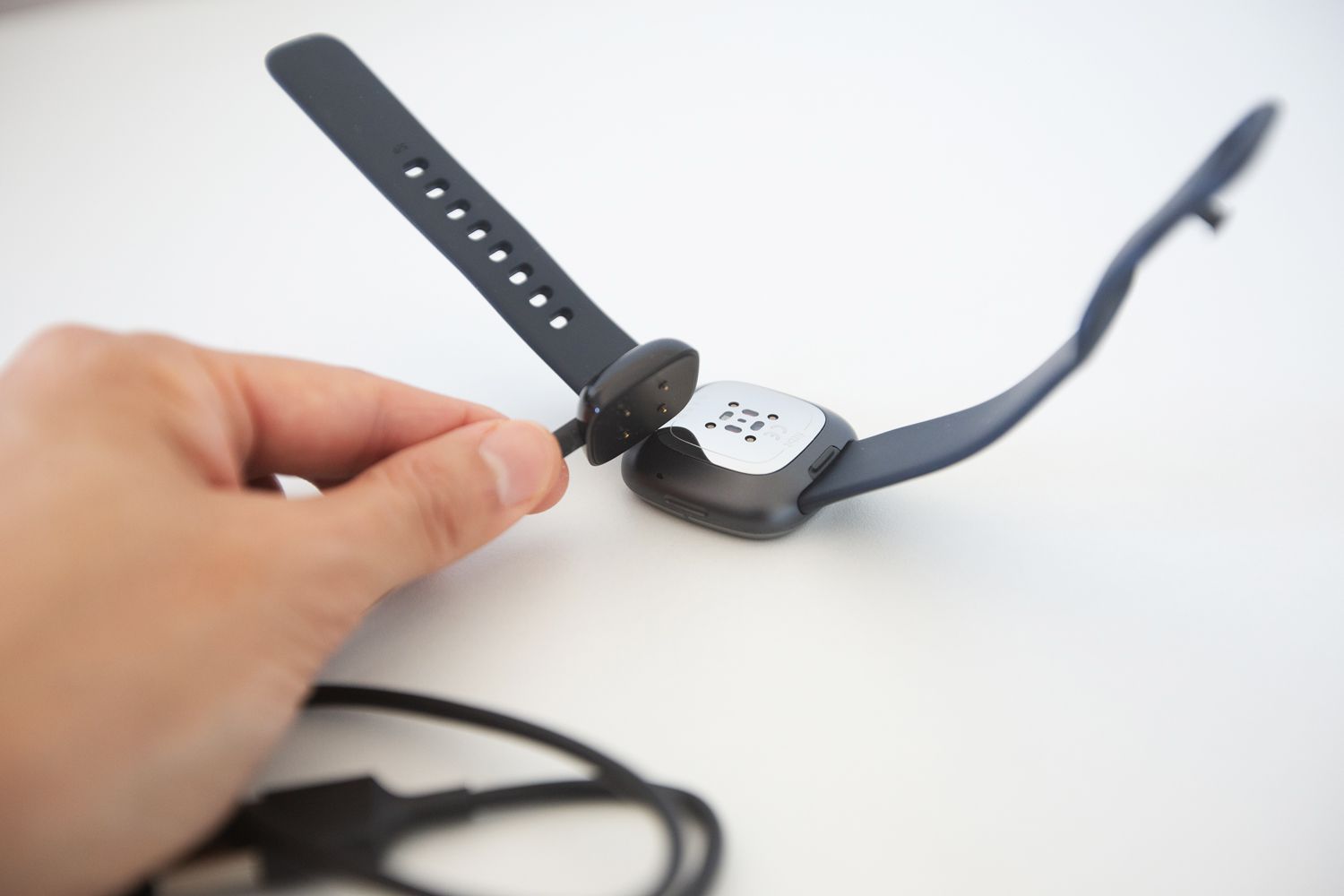
If you are trying to connect Fitbit to Bluetooth for the first time, resist the urge to open your phone’s settings menu. Instead, open the Fitbit app, tap the device icon in the top-left corner, and choose the option to add a device. This triggers the app’s own detection process and bypasses the system-level pairing that often stalls. When you need to pair my Fitbit Sense to my phone, the app will ask you to accept a code that appears on the watch screen. This confirms the secure link before the device ever shows up in your phone’s Bluetooth list as a connected accessory. To set up a Fitbit Versa 2, the same in-app flow applies. You may also be prompted to connect the watch to your home Wi‑Fi network during the process so it can download updates without leaning on the phone. Owners of the slim tracker often ask how to sync Luxe Fitbit after the initial pairing. The device syncs automatically when the app is open, but you can also pull down on the app’s dashboard to force a manual update if your steps seem stuck. If you prefer a larger screen, the option to sync my Fitbit to computer may be available through a desktop tool, but this is not the primary method for current devices. Desktop sync is not the primary method for current devices.
Learning the basics of your device
When you first pick up the device, knowing how to operate a Fitbit watch depends on which model is in your hand. The core interaction stays consistent across the lineup. If you want to use Fitbit Inspire 3 specifically, the bright color touchscreen responds to the same swipes and taps. Regional preferences often surface early, and you can change language on Fitbit through your account settings in the app rather than hunting for a toggle on the device itself. A sync then pushes the update to the wrist. To get weather on Fitbit Sense, in the Fitbit app navigate to your device settings and look for the Weather app in the Gallery to configure it. You can pin your current location plus up to two extras. The watch pulls the forecast after its next sync with your phone.
Connecting to apps and services
Because Fitbit treats its ecosystem as the hub, most third-party connections are managed from the partner’s side, not from the Fitbit app itself. To link Fitbit to Strava, visit the Fitbit/Strava connection site, click Connect, log in to your Strava account, and authorize the link when prompted; you can then verify the connection inside the Strava app under Manage apps and devices. The direction of data is crucial here: Strava rides and runs will appear in your Fitbit dashboard, but your daily step count and sleep score do not flow back to Strava. A direct sync Peloton to Fitbit flow is not available, so you should not expect your Fitbit body metrics to show up on the Peloton bike screen without verifying current integration options. If you want to connect Fitbit to Google fit, check the latest Fitbit or Google Health app settings for available integrations, as many users have historically relied on intermediate tools. A method to log into Spotify on Fitbit may let you download playlists for phone-free listening once the watch is on Wi‑Fi and charging, depending on your device model.
Setting up smart features
If your watch supports it, you can set up Alexa on Fitbit directly through the Fitbit app rather than hunting for a setting on the wrist. From the Today tab, tap your profile picture, select your device tile, and look for the Voice Assistant or Amazon Alexa option, then sign in with your Amazon account to activate the feature. Owners of the newest model will find that the process to set up Alexa on Fitbit sense 2 follows this same in-app path. Once complete, you can ask the assistant for quick replies or smart-home commands right from your watch.
Because the ecosystem treats the device as the hub, you cannot browse a full app store on the watch itself; instead, you add apps to Fitbit sense 2 through the Fitbit app, which pushes your selections to the wrist after the next sync. For health monitoring, the ability to open ECG app on Fitbit sense 2 becomes available only after you initiate setup from the Fitbit app, and completing the on-screen steps automatically installs the tool on your device.
Keep in mind that third-party connections often flow in one direction: while a workout might appear in your dashboard, your Fitbit metrics rarely feed back out to the partner platform.
Syncing smart scales
Adding a smart scale to your account works differently for Fitbit-branded scales and third-party models. For the Fitbit Aria family, setup happens through a browser or the Fitbit app, not your phone’s Bluetooth menu. If you move or replace your router, you need to change WiFi on Fitbit Aria by using a computer or mobile browser to visit Fitbit.com/scale-setup and following the on-screen instructions, which is the quickest way to restore your scale’s connectivity. The same flow applies when you need to connect Fitbit scale to new WiFi after any change to your network name, password, or provider, ensuring your weight data continues to sync without interruption. For Aria 2, you can handle this directly inside the Fitbit app by selecting your network and entering the password when prompted.
If you own a Withings scale, you can link Withings scale to Fitbit through a dedicated account-linking page that pushes weight data into your Fitbit dashboard, giving you a unified view of your health metrics in one place. For Renpho owners, the situation is more limited.
- connect Fitbit scale to new WiFi
- link Withings scale to Fitbit
- change WiFi on Fitbit Aria
- sync Renpho with Fitbit
Tracking phone-based activity
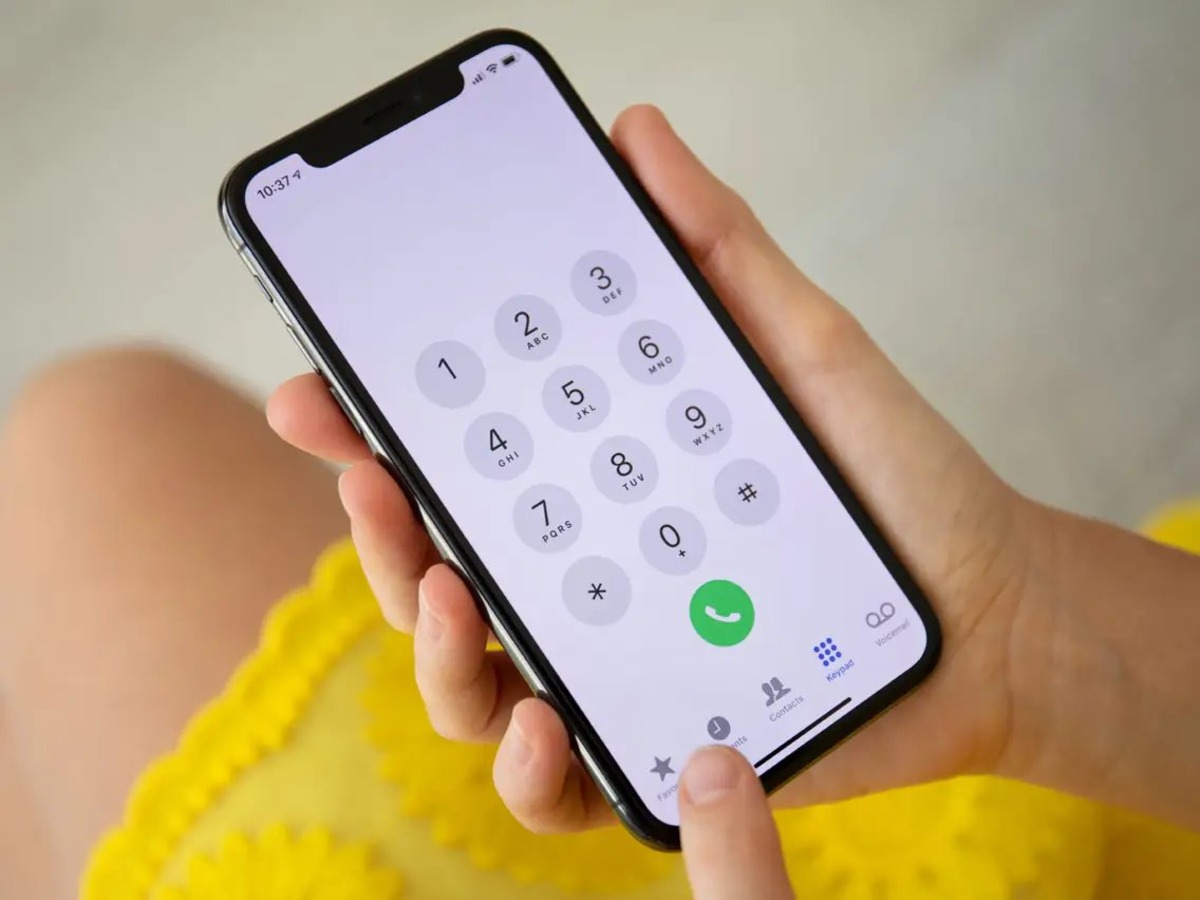
If you want to log your daily movement without wearing a device, your iPhone’s built-in motion sensors can record steps and estimate active calories whenever you carry the phone with you, automatically populating the Health and Fitness apps so you do not need to toggle a special switch to track walking distance on iPhone. The same sensors capture your speed and stride, which lets you track run on iPhone sessions. On Android, the Google Health app uses the phone’s sensors to detect walking, running, and cycling, and you can start a manual workout by tapping the Add Track workout button and choosing your activity. Keep in mind that these phone-only logs live inside their own platforms, and the Google Health app allows you to track steps using your phone's sensors without a wearable by selecting 'Phone' or 'Just the app' during setup.
Managing your data
Once your data is in the dashboard, you might find a gap where the tracker missed a workout, which is when you would manually add activities to Fitbit using the Exercise tile. If your daily count seems off, you can try to add steps to Fitbit, leaving the wearable as the primary source. When you need a full backup for your own records, you can export Fitbit data through the web settings page. For a recent export, you choose a time period and file format, then download, while for a complete archive, you request the data and confirm the request from the email the platform sends you. The archive includes everything from steps and distance to cardio fitness score, and a family account will generate separate folders for each child’s information.
Frequently Asked Questions
How do I change the language on my Fitbit device?
With a Google Account, go to the Today tab, tap your profile picture, then Fitbit settings, Date, time & units, and Location. Turn off Set location automatically, choose another location, and sync your device to apply the language change.
How do I get the Weather app on my Fitbit Sense?
In the Fitbit app, go to the Today tab, tap the devices icon, select your device, then Gallery and Weather. Tap Settings to configure your current location and add up to two additional locations, then sync your device to update the forecast.
How do I manually add steps to my Fitbit dashboard?
You can manually add steps to Fitbit using the Exercise tile in the app, leaving the wearable as the primary source. This is useful when your tracker missed a workout or your daily count seems off and needs a correction.