




Getting to know your Fitbit features
A tap wakes the screen. A swipe down from the clock face usually reveals quick settings. If you have enabled the water lock, the display stops responding to accidental splashes so you can swim without phantom taps. Turning it off requires a firm double-tap on the screen. What water lock mean on my Fitbit, in practice, is simply that the touchscreen is disabled until you deliberately reactivate it again.
Basic navigation relies on directional swipes. You will often see arrow symbols on Fitbit displays prompting you to swipe left, right, or up to open apps or see more detail. Because the on-screen cues vary by model, getting familiar with the Fitbit symbol meanings early on saves you from guessing which icon does what. For example, the play icon inside the EDA Scan app starts another session at the same length you used last time. Running an EDA scan on Fitbit is a way to check your body’s stress response. Hold the metal sides of the device while staying still. If your fingers slip off, the scan pauses until you put them back. On a supported smartwatch you can pick a two-minute Quick Scan or, after starting a meditation session in the Fitbit app first, a guided session. Start the longer meditation in the Fitbit app first.
Before you explore detailed stress tracking, remember that the device needs your profile data to make sense of its sensor readings. Steps turn into distance, and movement plus heart rate turn into calorie estimates. All of this relies on the height, weight, age, and sex you entered. The numbers are consistent gauges of your own day-to-day trends, not laboratory measurements to compare with someone else. That principle holds whether you are curious about what a Fitbit Inspire 3 do or exploring a more advanced model. The hardware gives you a reliable personal baseline. The real value comes from watching how your own patterns shift over time. To unlock Fitbit.
Setting up and customizing
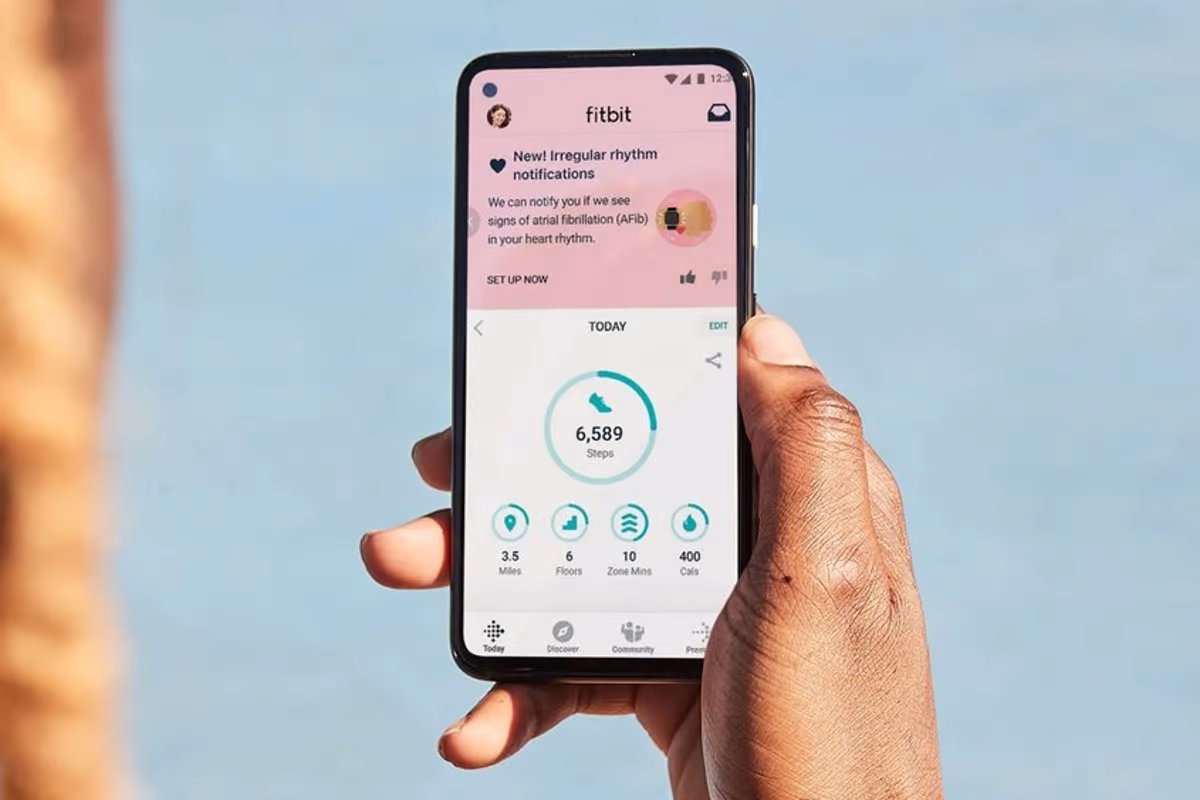
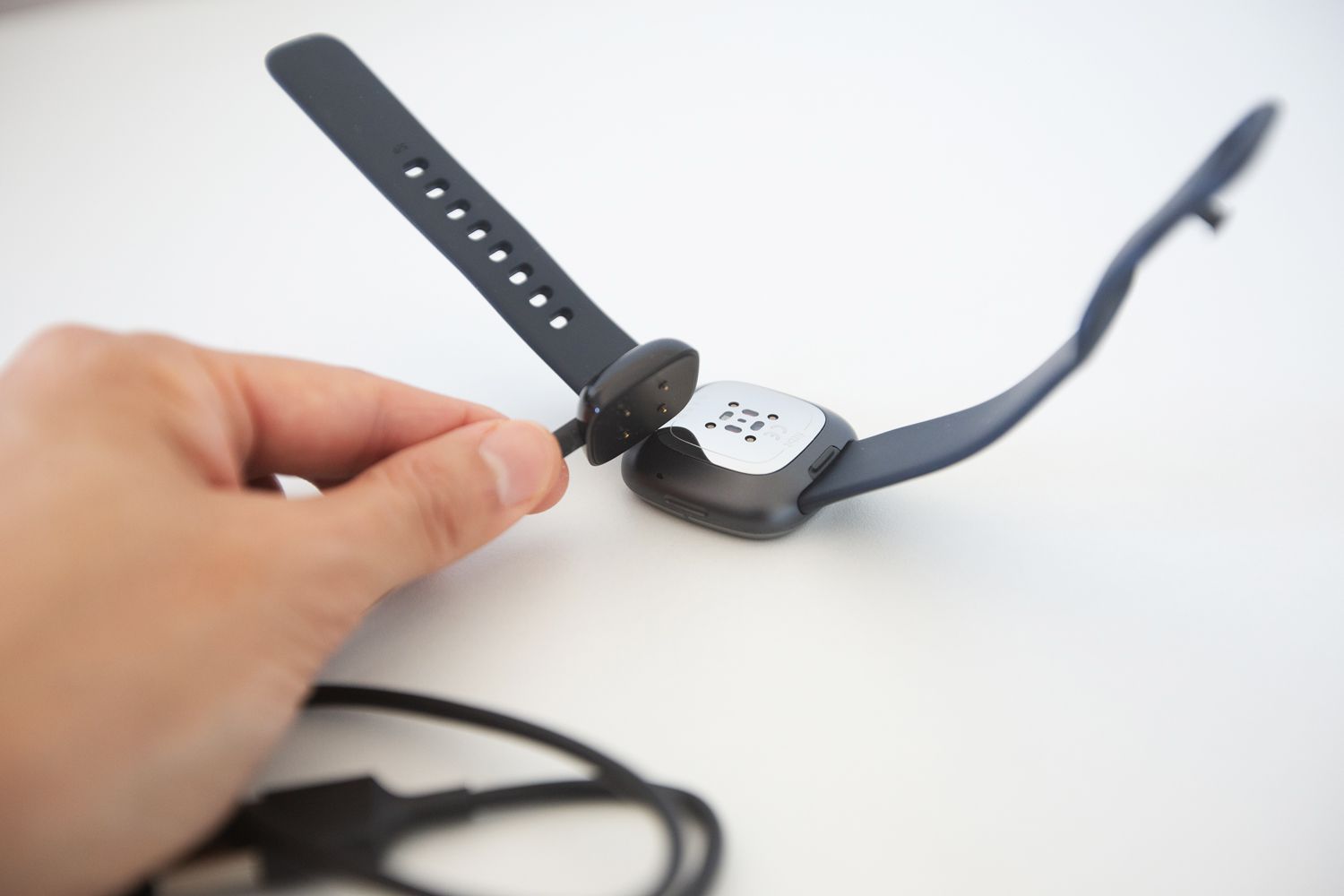
Getting your tracker to reflect your habits starts with a few deliberate choices in the device settings. Your calorie burn and distance are personal estimates, not lab measurements, so the goal is consistency. If you own one of the Fitbit models with built-in GPS, keep your phone in your pocket on a run and turn GPS on Fitbit so your route maps cleanly against your own past efforts. For everyday consistency, turn on sleep mode on Fitbit to block screen wake-ups and notifications during your set rest hours. If you ever need to get Fitbit sense out of sleep mode before the scheduled stop, you can manually exit the mode. The software that interprets your data also evolves, and your Fitbit app is getting a big update. here'S what it looks like on your home screen: the same profile inputs you already provided. When a watch update becomes available, the device needs to be on its charger, so plug it in overnight to let new firmware arrive gradually.
Tracking daily activity and movement
Your tracker builds a picture of your day through constant motion sensing, and the way a Fitbit count steps can be affected by the swing of your arm. When your wrist moves naturally, the device picks up a rhythm it recognizes as walking, but it can struggle when your hands are still while your legs are moving. That is why you may need to get Fitbit to count steps when pushing stroller, as the reduced arm motion often leads to an undercount that does not reflect your actual effort. The same sensor system also tracks elevation changes, and the floors on Fitbit are tracked by an internal altimeter, so a hilly walk registers more flights than a flat route.
Distance is not measured directly but calculated from your movement. The Fitbit step-to-mile conversion uses your stride length and total steps to estimate distance, and the step count to mile conversion on Fitbit is a personal approximation that stays consistent for you but would not match someone with a different build walking the same route. When you glance at your wrist mid-walk, the pace mean on Fitbit adjusts in real time as you speed up or slow down. Use these metrics to spot your own trends rather than as a benchmark against anyone else.
Monitoring heart rate and health signals
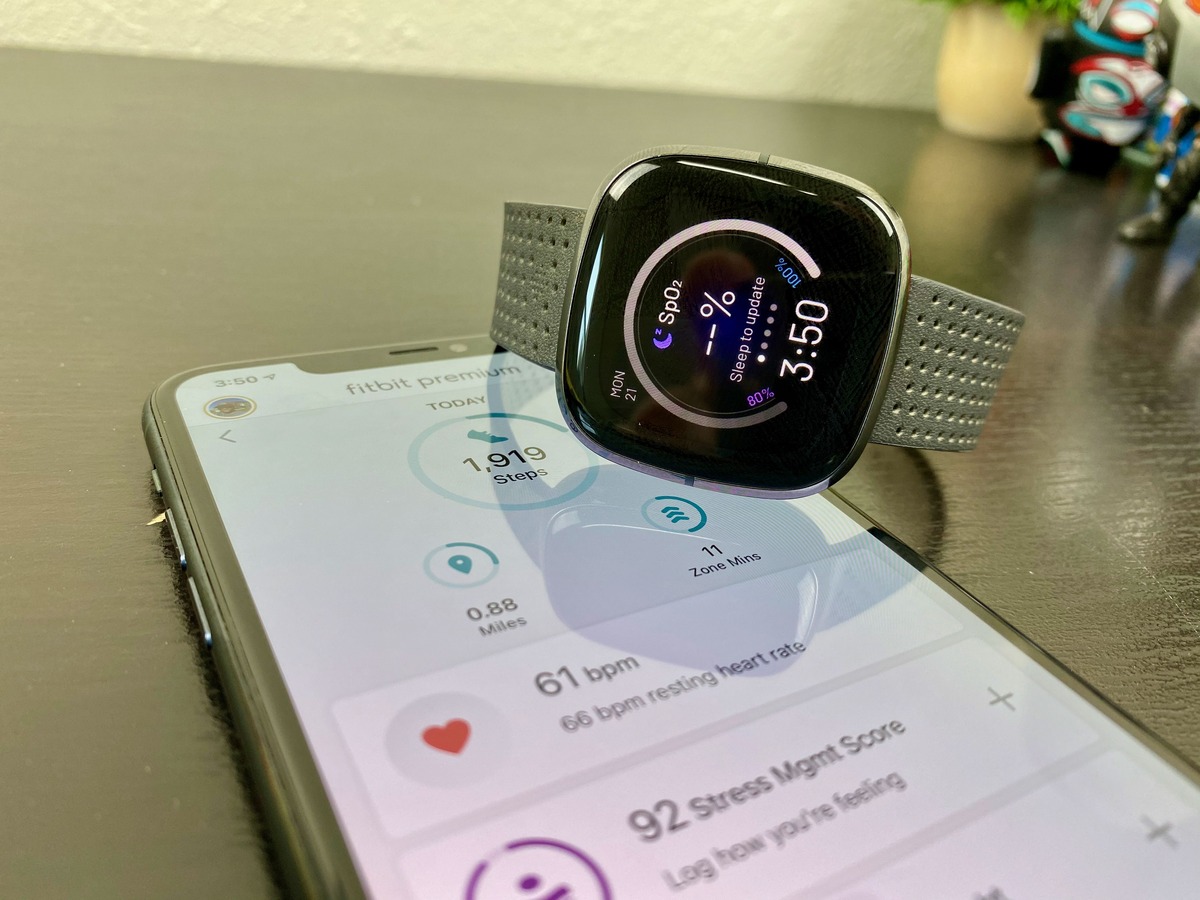
Your tracker’s heart-rate reading is straightforward once you know that the BPM mean on Fitbit simply stands for beats per minute, the same unit a doctor uses. Understanding what the sp02 mean on Fitbit tells you is that it refers to blood oxygen saturation, and viewing the data typically requires wearing the device during sleep and installing an SpO2 clock face or app from the Fitbit gallery on compatible models. These signals feed into the stress management score on Fitbit, which appears as a number from 1 to 100 in the app’s Today tab, where a higher value indicates fewer physical signs of strain based on your heart rate, sleep, and activity. Because Fitbit does not offer a cuff-based sensor, you cannot check blood pressure on Fitbit directly, so you would need a separate monitor for those readings. If you have seen an energy metric on a friend’s device, it may be the body battery Garmin provides, which is a proprietary score that estimates your energy reserves and is not available on a Fitbit.
Understanding workout and exertion metrics
When you want a clear sense of how hard your heart is working during a workout, Fitbit zone minutes give you a weighted tally based on your time in different heart-rate zones. If you are curious about what this metric really means and why it matters for your fitness goals, you will want to read the article "What Is Fitbit Zone Minutes" to understand how it helps you optimize your effort. A minute spent in the moderate fat-burn zone counts as one minute, while a minute in the vigorous cardio or peak zones counts double, so a short burst of high intensity can quickly add up toward your daily goal. Some users also track their weekly cardio load through Pai on Fitbit, and to learn how this third-party metric can complement your heart-rate data, you should check out the article "What Is Pai On Fitbit" for a full explanation of how it reflects your exertion over time, though it is not managed directly in the Fitbit app settings. While you are moving, your tracker uses short vibrations to tell you which zone you have entered without needing to look at the screen: one buzz for fat burn, two buzzes for cardio, and three buzzes for peak. You may also notice the Fire symbol on Fitbit appear on certain device faces, which simply indicates you have been earning Active Zone Minutes and are accumulating a streak. Like all the exertion estimates on your wrist, these signals are most useful when you compare them to your own previous efforts instead of measuring them against someone else’s numbers.
Managing sleep and recovery tracking
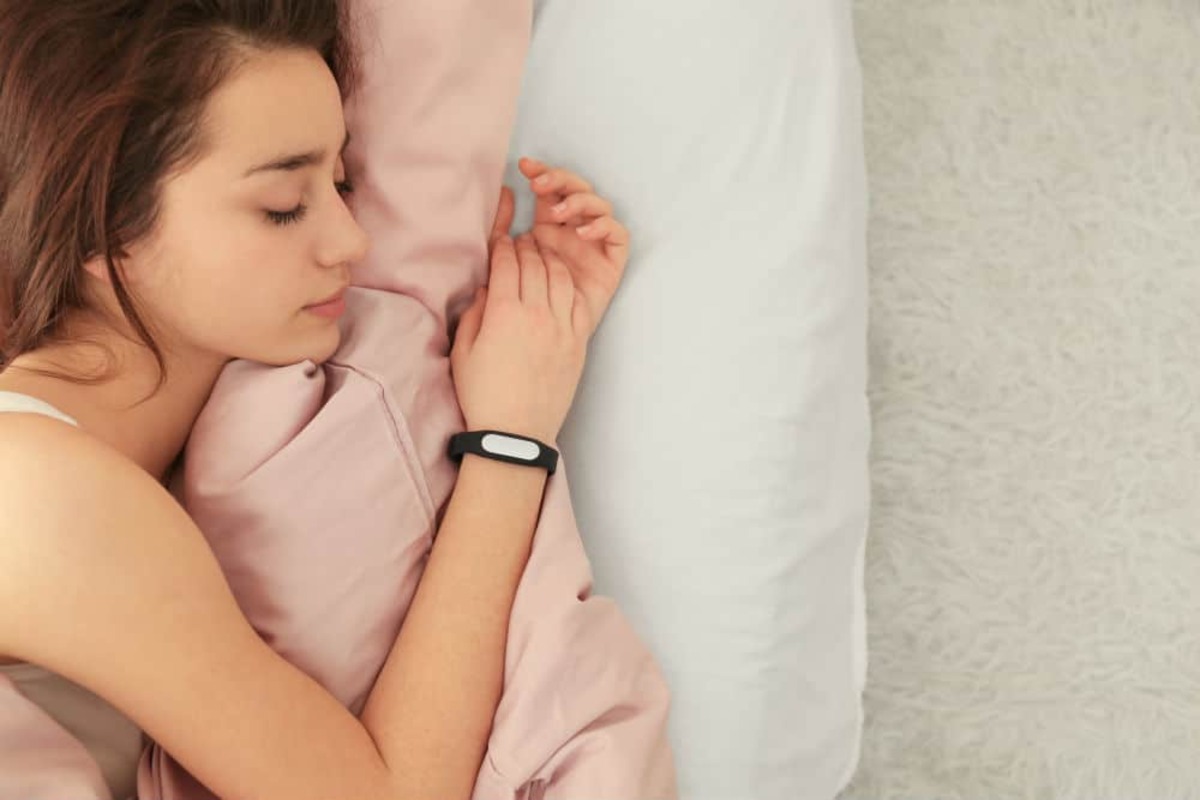
Your Fitbit watch uses movement and heart-rate patterns to let Fitbit know when you are sleeping, though detection is not instant because the device generally waits for about an hour of complete rest before it marks you as asleep. A late-night reading session may not register exactly when you closed your eyes, but after you sync in the morning you can open the app and review how long you spent awake, restless, and in each sleep stage. These estimates come from beat-to-beat heart-rate variability rather than a direct brainwave measurement, so treat the breakdown as a consistent personal gauge, not a clinical diagnosis, and use it to spot shifts in your own overnight trends across the week.
Evaluating calorie burn and energy data
Your Fitbit builds a dynamic calorie budget that shifts throughout the day rather than showing a single fixed allowance. It starts with the height, weight, age, and sex in your profile, then layers on your movement and heart rate to produce a running total of what you have burned. As you log food and your activity level changes, the app continuously recalculates your target, and you can see how Fitbit calorie adjustment work by watching the Calories In vs. You are considered in the goal zone whenever you are within a small range of your deficit target for the current time of day.
Verifying sensor accuracy and reliability
Your tracker collects a wealth of data, but it is important to remember that readings like calories burned and step distance are calculated estimates shaped by the personal profile you set up, since no wrist-worn optical sensor directly measures your metabolic rate. The numbers are most valuable as a consistent personal gauge for spotting your own trends over time rather than an absolute score to compare with someone else. When looking deeper into Fitbit Charge 5 sensor accuracy, official documentation confirms the device includes a 3-axis accelerometer, a built-in GPS receiver + GLONASS, and an optical heart-rate tracker, though Fitbit does not publish a precise accuracy percentage for these components in its support materials. Open the Health Metrics section of the app to view your long-term patterns for oxygen saturation, skin temperature variation, and heart-rate variability, and treat these as trend indicators rather than clinical measurements. Understanding these built-in limitations helps you interpret your data as a reliable reflection of your personal progress instead of a lab-grade diagnostic.
Frequently Asked Questions
How do I turn off water lock on a Fitbit Charge 5?
Firmly double-tap the center of the screen. The exact steps to turn water lock on or off can vary by device model, so if a double-tap does not work, check your specific model's button combination.
How do I start a guided EDA session on my Sense 2?
Open the EDA Scan app, then swipe up and tap Guided Session for a scan lasting up to 60 minutes. You must start a meditation session in the Fitbit app on your phone first before the guided option will work.
Can I use sleep mode and do not disturb at the same time?
No, you cannot have sleep mode and do not disturb active simultaneously. Sleep mode also ends automatically at your scheduled stop time even if you turned it on manually, and it will override do not disturb during your set rest hours.
Why does my Fitbit undercount steps when I push a stroller?
Fitbit counts steps by sensing arm swing motion, so when your hands are still on a stroller handle, the reduced movement often leads to an undercount. There is no documented setting or fix to change how steps are counted during this activity.