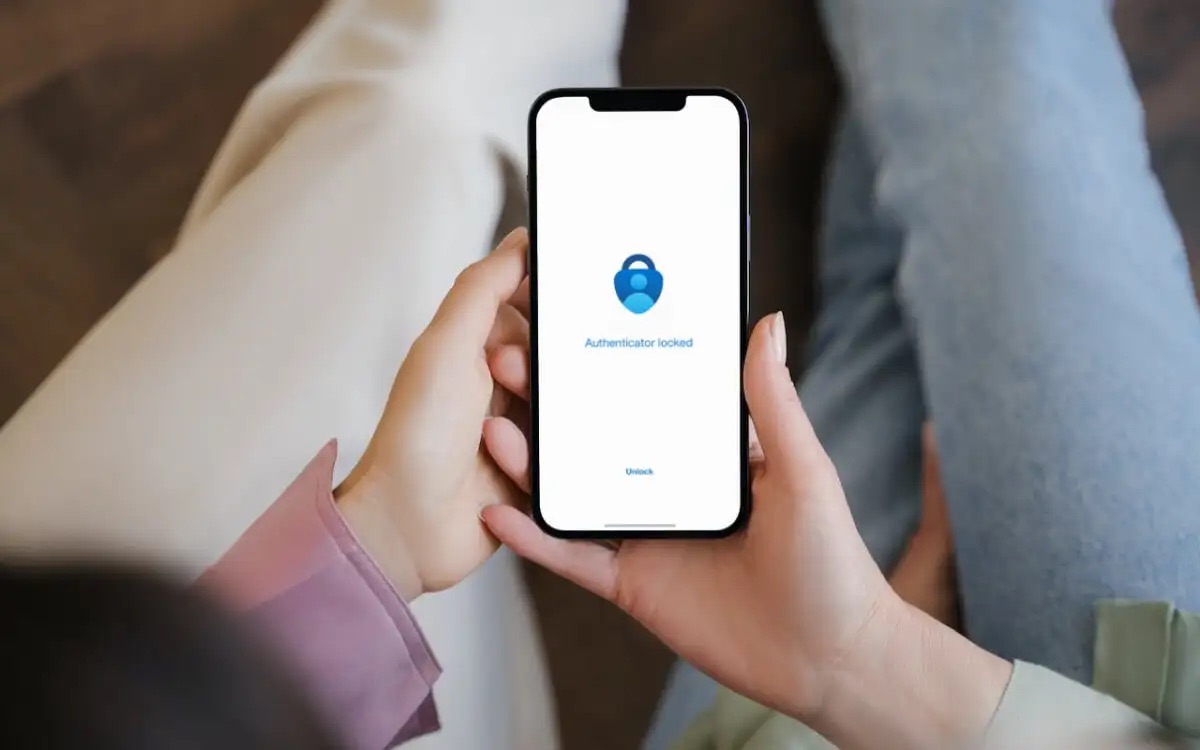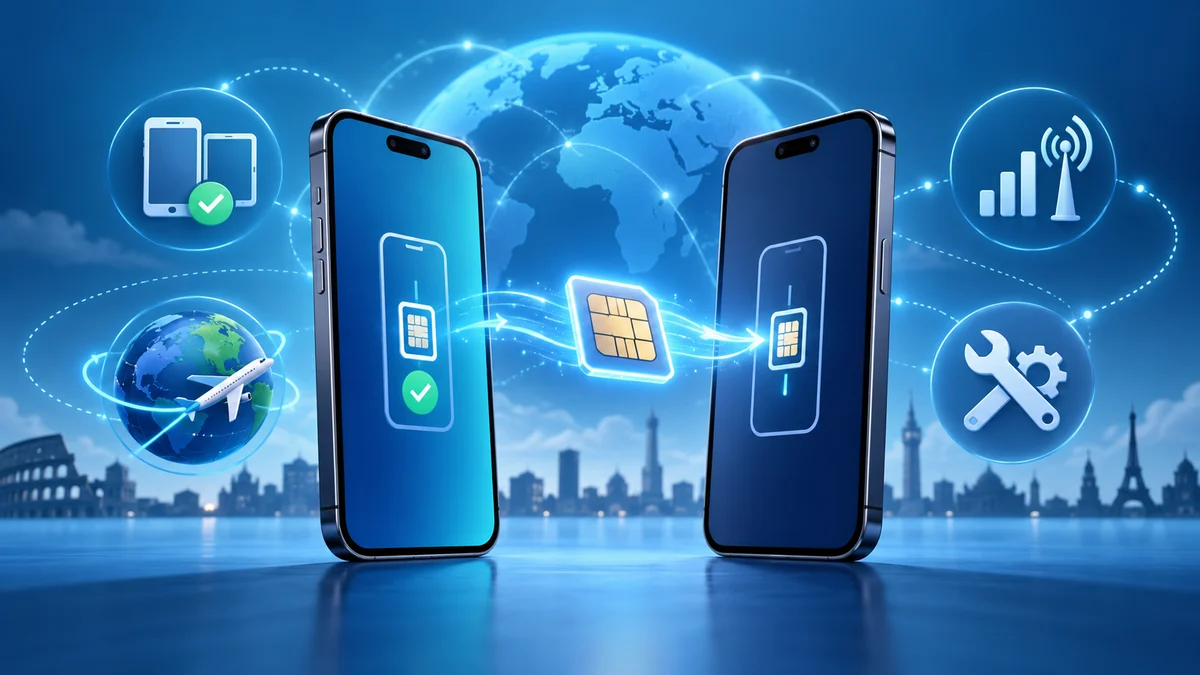





To move Microsoft Authenticator to a new phone, use the app's built-in cloud backup and restore feature. This method works only when transferring between phones of the same platform, iPhone to iPhone or Android to Android, so cross-platform restore is not supported.
How to move Microsoft Authenticator to a new phone: Overview
The cloud backup and restore method is the official way to transfer your accounts from one device to another. You create a backup on your old phone, then restore that backup on your new phone. The critical restriction is that the transfer path works only within the same platform: iPhone to iPhone and Android to Android.
Before you start: Platform and account requirements
Ensure your new phone uses the same platform as your old one. For iPhone transfers, both the old and new phones must have iCloud Drive, iCloud Keychain, and iCloud Backup enabled. For Android transfers, the backup uses a Microsoft personal account as the recovery account. Use the same Microsoft personal account on the new phone that was used to set up backup on the old phone.
Back up Microsoft Authenticator on your old iPhone
- Open Settings on your old iPhone, then go to Apple Account > iCloud > Saved to iCloud.
- Find Authenticator and turn on the Authenticator toggle.
- Ensure iCloud Drive, iCloud Keychain, and iCloud Backup are enabled on the device.
The backup must be created on the old iPhone before you switch phones.
Back up Microsoft Authenticator on your old Android phone
- Open Microsoft Authenticator on your old Android phone.
- Tap the menu, then Settings.
- Turn on Cloud Backup.
- Select a Microsoft personal account for the backup, then tap OK.
Turn on Cloud Backup in Settings on the old Android device before moving to the new phone.
Install Microsoft Authenticator on your new phone
Download Microsoft Authenticator from the App Store on iPhone or Google Play on Android. Open the app before signing in to any accounts in it if you are restoring from backup.
Restore your accounts on a new iPhone
- Open Microsoft Authenticator on the new iPhone.
- Sign in with the same iCloud/Microsoft backup account used on the old phone.
- If the backup does not appear, uninstall and reinstall the app, then open it again.
- After restore, complete sign-in prompts for accounts as needed.
Restore your accounts on a new Android phone
- Open Microsoft Authenticator on the new Android phone.
- Before signing in to any account in the app, select Restore from backup or Begin recovery. If already signed in, sign out of all accounts first.
- Sign in with the same Microsoft personal account used for the backup.
- After restore, if an account shows Sign in to restore your account, go to the Accounts screen and tap Sign in next to that account.
Frequently Asked Questions
Can an iPhone backup be restored on Android?
No. Backup and restore only work on the same device type. An iPhone backup cannot be restored on Android.
Can an Android backup be restored on iPhone?
No. The documented same-platform restore rule means an Android backup cannot be restored on iPhone.
What account is used for Android backup?
A Microsoft personal account is used as the recovery account for Android backups.
What account is used for iPhone backup?
The restore flow uses the same iCloud/Microsoft backup account used on the old phone, with iCloud Drive, iCloud Keychain, and iCloud Backup enabled.
What if I need to set up Duo Mobile on a new phone instead?
If you need to set up Duo Mobile on a new phone, that app has its own transfer process separate from Microsoft Authenticator.
How do I set up Microsoft authenticator on new phone if I lost my old one?
If you no longer have access to your old phone, you cannot use the backup and restore method. You will need to go through the account recovery process for each individual account by contacting the service provider associated with each account.
Related reading: How To Set Up Duo On A New Phone.