



You can play mobile games on PC using three reliable methods: the official Google Play Games app, an Android emulator like BlueStacks or Nox, or by mirroring your phone's screen with Microsoft Phone Link. Each approach lets you play mobile games on PC with a larger display and keyboard-and-mouse controls, but the best choice depends on your hardware and the specific games you want to run.
How to play mobile games on PC: 3 easy methods
Whether you want native performance, full Android compatibility, or simple screen mirroring, these three methods cover every common scenario. Google Play Games on PC is the official and easiest option for supported titles. Android emulators like BlueStacks and Nox give you access to the entire Google Play library. Microsoft Phone Link mirrors your phone in real time, letting you use your PC's screen and input devices without installing any extra software. Each method has distinct advantages, and you can switch between them depending on your game.
Method 1: Google Play Games on PC (official & easiest)
Google Play Games on PC allows you to play a selection of Android mobile games natively on your Windows PC. Your computer must run Windows 10 (v2004) or newer. Minimum hardware requirements include an SSD with 10 GB free space, 8 GB of RAM, an Intel UHD Graphics 630 GPU or comparable, and 4 CPU physical cores. Hardware virtualization must be enabled in your PC's BIOS settings, and Windows Hypervisor Platform may need to be turned on during installation.
- Download the app from play.google.com/googleplaygames.
- Open the downloaded .exe file and follow the on-screen instructions.
- Sign in with the same Google account on your PC and mobile device to sync game progress across platforms.
Games requiring mobile-specific hardware features like a camera or GPS may not be available or playable through Google Play Games on PC. If you encounter compatibility issues, check the supported games list or try an alternative method.
Method 2: Android emulators like BlueStacks and Nox
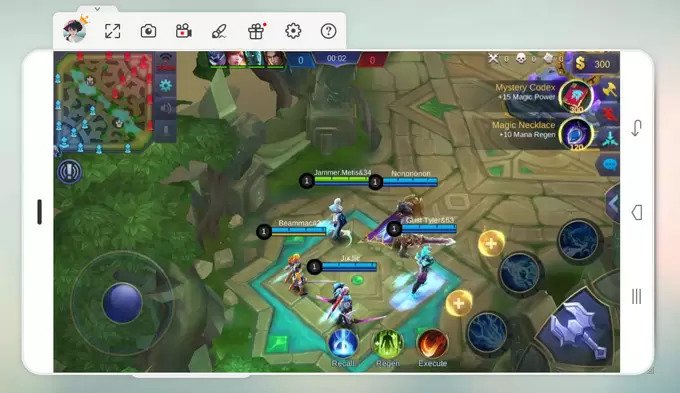
Android emulators are software programs that create a virtual Android environment on your PC, enabling you to run Android apps and games. General system requirements for Android emulators include a 64-bit Windows operating system, at least 4-8 GB of RAM, and enabled hardware virtualization for optimal performance. BlueStacks App Player and Nox App Player are two primary examples, both offering frequent updates and broad game support. Remix OS Player may not support some AMD chipsets. QooApp is an alternative app store for Japanese locale mobile games.
- Download the emulator installer from the official website (BlueStacks or Nox).
- Run the installer and follow the setup prompts. Ensure hardware virtualization is active in your BIOS for best results.
- Open the emulator and sign in to the built-in Google Play Store with your Google account.
- Install games directly from the Play Store, or drag and drop APK files into the emulator window to sideload them.
Some games detect emulator environments and may crash or refuse to run. If a game behaves this way, try adjusting the emulator's settings (such as device profile or RAM allocation) or switch to a different emulator from the list. BlueStacks condenses installed apps into a file you can't remove via Explorer; you must delete them within BlueStacks itself.
Method 3: Microsoft Phone Link for screen mirroring
Microsoft Phone Link mirrors your Android phone's screen to your Windows PC, allowing you to interact with mobile apps and games using your PC's display and input devices. To use Microsoft Phone Link, you need a PC with Windows 10 (May 2019 Update or later) and a DirectX11-compatible GPU, an Android 10+ device with the "Link to Windows" app, and both devices connected to the same Wi-Fi network. This method is ideal for games that rely on mobile hardware features like GPS or camera, since the phone itself handles those functions.
- Open the Phone Link app on your PC.
- Select Android, then pair your device by scanning the QR code or entering the code displayed on screen.
- Follow the on-screen instructions on your phone to complete the connection.
- Once paired, your phone's screen appears on your PC. Launch any mobile game on your phone and control it using your mouse and keyboard.
Performance depends on your Wi-Fi network quality. For lag-sensitive games, a 5 GHz connection is recommended. You can also use this setup to access your phone's camera or GPS data for games that require them, something emulators and Google Play Games on PC cannot provide.
What to do when a game won't work
If a game crashes or refuses to launch, start by checking whether it requires mobile-specific hardware like a camera or GPS. Games with such dependencies will not work on Google Play Games on PC and may crash in emulators. If the game is available but crashes, verify that hardware virtualization is enabled in your BIOS and that your system meets the emulator's RAM and GPU requirements. Some games actively detect emulators and block play; in that case, try a different emulator (e.g., switch from BlueStacks to Nox) or use Microsoft Phone Link to run the game directly from your phone. For titles that are simply unavailable on Google Play Games on PC, an emulator or Phone Link is your only option. If you're still stuck, consider searching for community forums specific to that game for additional tips. For general guidance on mobile gaming hardware and performance, you can consult resources covering cell phone facts and usage tips to better understand what your phone or PC needs to run demanding games smoothly.
Frequently Asked Questions
Can I play iOS games on PC?
iOS emulators for PC exist but are less reliable than Android options. iPadian is a simulator that resembles an iPad interface but uses its own app store, not the Apple App Store. Air iPhone Emulator requires the AIR framework to run and may be compatible with Windows 7, 8, and 8.1. Smartface is a full-featured enterprise mobility management platform primarily for developers to test iOS apps in different environments, providing full debugging options. For most iOS games, mirroring your iPhone to a PC via third-party screen mirroring tools is a more practical solution.
Do I need a powerful PC to run Android emulators?
Yes, but not necessarily a high-end one. Most emulators recommend at least 4-8 GB of RAM, a 64-bit processor with virtualization support, and a dedicated GPU for smooth performance. Integrated graphics like Intel UHD 630 can handle many games at lower settings.
Will my game progress sync between my phone and PC?
Only if the game supports cloud saving through your Google account. Google Play Games on PC syncs progress automatically when you sign in with the same account. Emulators also sync if you log into the same Google Play account, but some games may treat the emulator as a separate device.
Can I use a controller with these methods?
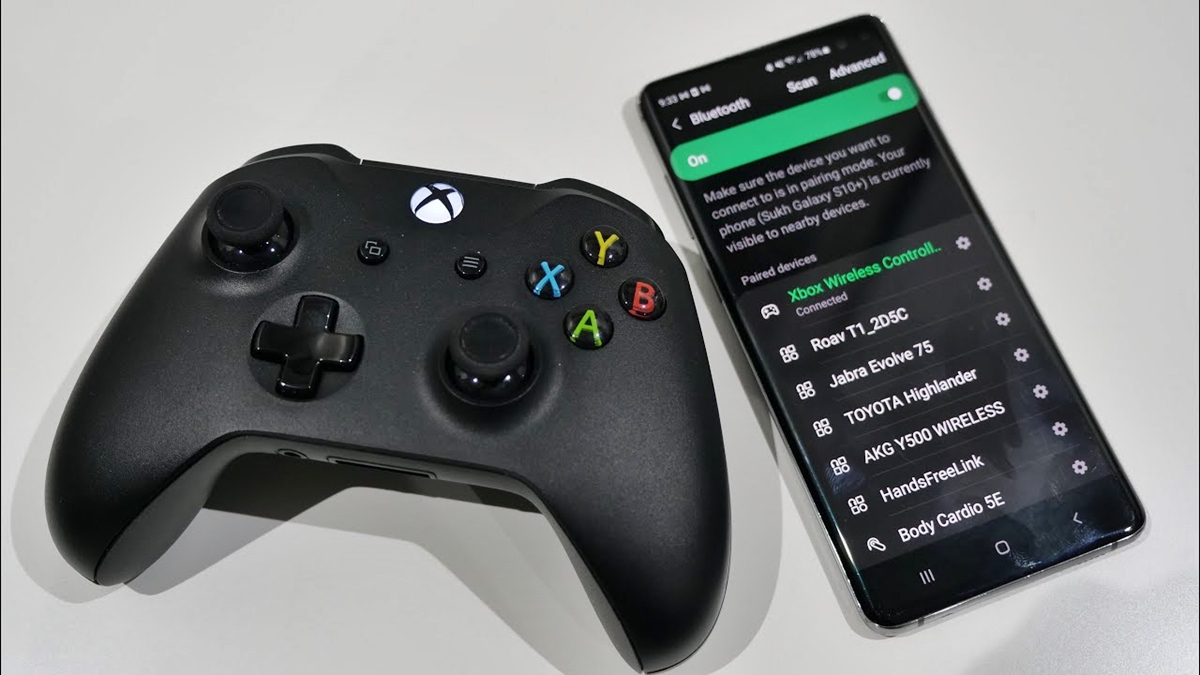
Yes. Google Play Games on PC and most Android emulators support Xbox, PlayStation, and generic USB or Bluetooth controllers. Microsoft Phone Link passes through your PC's connected peripherals, so any controller recognized by Windows will work with mirrored games.
Why do some games detect and block emulators?
Developers implement emulator detection to prevent cheating or to enforce hardware-specific features. Games that require a real phone's camera, GPS, or sensors often block emulated environments. Using Microsoft Phone Link bypasses this since the game runs on your actual phone.