



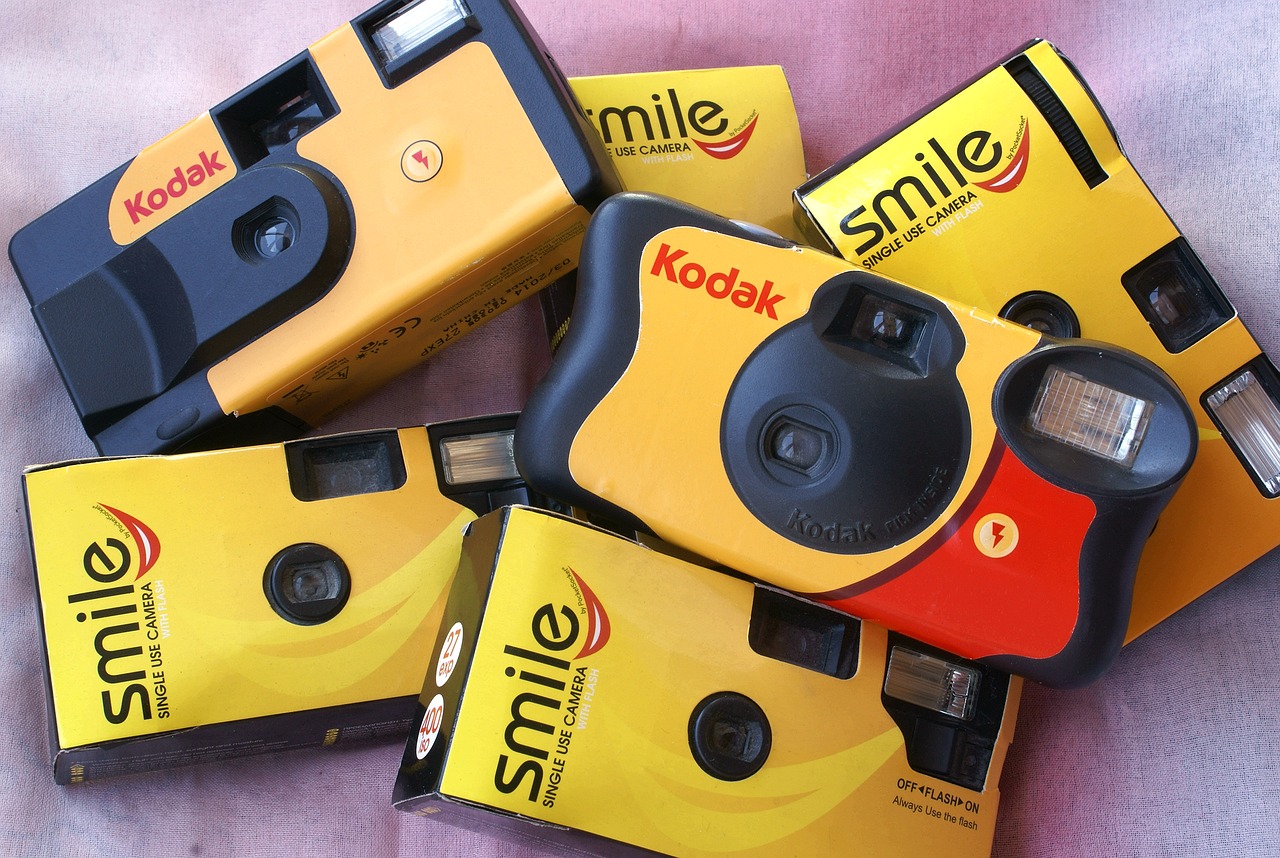
To get photos from a disposable camera onto a phone, the simplest and most reliable path is to have the film developed into physical prints, then scan those prints with your phone using Google’s PhotoScan tool inside the Google Photos app. This method requires no extra hardware, works on both iPhone and Android, and saves each scan directly to your device.
What you need to get photos from a disposable camera onto a phone
Before you can scan anything, your disposable camera must be developed into printed photos. You can have this done at a local photo lab, a retail chain, or an online development service that returns physical prints. Once you have the prints in hand, you need a phone running Android 7.0 or up or iOS 15.0 or later, with the Google Photos app installed. PhotoScan is accessed through the Google Photos app on the scan help page, so there is no separate scanner, computer, or photo editing software required for this workflow.
Step-by-step: Scan your prints with Google PhotoScan
The complete documented workflow for scanning printed photos with Google PhotoScan is straightforward. Follow these steps in order:
- Open the Google Photos app on your phone.
- At the top, tap Create.
- Under Get photos, tap Import from other places.
- Under Scan photos with your phone, tap PhotoScan.
- Hold your phone directly above the photo and tap the button to take a picture.
- Move your phone so the circle covers each of the 4 dots on the screen.
- When processing finishes, tap the photo thumbnail.
- Select a photo to rotate, adjust the corners, or delete.
For faster scanning, you can turn off Glare removal in the PhotoScan settings, but then it will not remove glare. Google's help page also says vertical photos should be scanned with the phone held vertically, and horizontal photos with the phone held horizontally.
Tips for the best quality scans
To get the clearest results from PhotoScan, place the photo on a flat surface with a contrasting background. Remove photos from sleeves or albums. Google says not to tilt the phone while scanning, and to avoid tilting the phone while the circle is moving over the four dots. Holding the phone steady and directly above the photo ensures the app captures the image accurately and processes it without distortion.
Finding and backing up your scanned photos
Google says the scan is saved automatically to your device after capture, so you do not need to manually export or save the file. Once the scan is on your phone, Google also says you can back up scans with the Google Photos app, which is useful for managing and transferring photos across devices. If you later need to transfer photos from phone to computer, the backed-up scans are accessible from any device signed into your Google account.
Frequently Asked Questions
Can I scan the negatives instead of the printed photos?
Yes, you can scan negatives yourself with a dedicated film scanner or a scanner app, but the documented mobile-app path for disposable camera photos is Google PhotoScan, which works with printed photos.
Does PhotoScan work on both iPhone and Android?
Yes. Android support is documented for Android 7.0 or up, and iPhone support is documented for iOS 15.0 or later. Apple's App Store listing says PhotoScan by Google Photos is Only for iPhone and requires iOS 15.0 or later. The scanning steps are the same on both platforms.
What should I do if the scan has glare?
PhotoScan is designed to remove glare automatically, but you can turn off the Glare removal setting for faster scanning. If you leave it on, the app will process the image to reduce reflections from the print surface.
Where are my scanned photos saved?
The scan is saved automatically to your device after capture. You can then back it up using the Google Photos app, which keeps the scanned image safe and accessible across your devices.