





Travel eSIM is usually the cheaper option when you need predictable data in a specific country or region, while international roaming can be cheaper only when your carrier already includes the destination in its plan or you need the simplest setup. For a fair decision, compare destination, trip length, included allowance, calling needs, and the risk of overage charges before you leave.
Start with destination and plan coverage
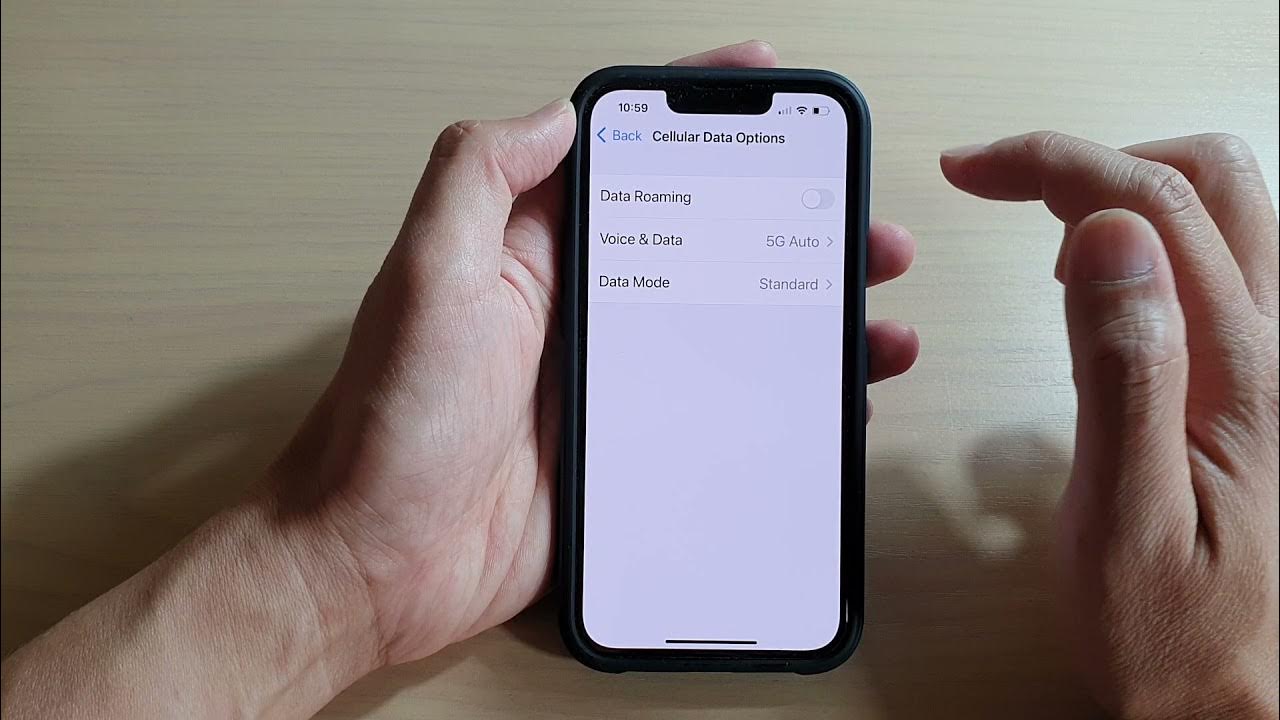
The first question is whether your destination is covered by your home carrier’s roaming plan. The FCC says roaming rates can vary by country and network, and higher rates may apply to voice calls, voicemail, text messages, and internet access. The European Commission says roaming in the EU works differently: under Roam Like At Home, calls, SMS, and data are charged the same as at home across the EU, plus Iceland, Liechtenstein, Norway, Ukraine, and Moldova.
If your trip is inside that EU/EEA roaming zone, roaming may already be the lowest-cost answer if your domestic plan includes it. Outside that zone, travel eSIMs often make more sense for data-heavy trips because they let you buy a local or regional data package instead of relying on carrier roaming rates.
Compare duration against allowance
Trip length matters because roaming and travel eSIMs are sold differently. FCC guidance says to ask your carrier about roaming rules and rates before you travel, because charges can vary and may not appear on your bill right away. It also says to ask whether Wi-Fi abroad counts against your data allowance.
For a short trip with light usage, roaming can be practical if the allowance is already included. For a longer trip or heavy data use, a travel eSIM comparison is usually about whether the prepaid bundle lasts the whole stay without overage fees or a costly top-up. The pages reviewed do not provide universal price or data-limit formulas, so the safest framework is to match the plan’s data allowance to the trip’s expected usage rather than guess from headline pricing.
Calls, texts, and app-based calling
Roaming is not just about data. The FCC says international roaming charges can apply to voice calls, voicemail, text messages, and internet access. It also says you may be able to reduce voice roaming charges by using mobile calling apps that rely on Voice over Internet Protocol over free Wi-Fi.
If voice service matters, check whether your travel eSIM includes calling, only data, or data plus a local number. If it is data-only, you will need app-based calling or your home line for calls and texts. The FCC says to check with the app developer so you understand whether calls over Wi-Fi trigger charges in that app.
Convenience, device support, and carrier locks
Unlocked phones are easier to use abroad. The FCC says unlocking does not guarantee international compatibility, because networks differ by country and your device may still not work on every foreign network. It also says to confirm with your provider before travel whether your device will work abroad.
On the travel side, the FCC says an unlocked phone may let you use a local SIM card or an embedded eSIM with a local number, effectively turning the phone into a local device. It says the process varies by device and carrier. For a travel eSIM, the key convenience advantage is that you can add a temporary profile without swapping physical cards, but the documentation does not standardize the exact setup steps across iPhone, Pixel, or Samsung devices.
Device-specific travel choices: iPhone, Pixel, and Samsung
Apple, Google, and Samsung all support eSIM features on many newer models, but the exact setup path and supported devices vary by model and software version, so the carrier or manufacturer help page for the specific phone must be checked before travel. The pages reviewed here do not document a single universal menu path for every iPhone, Pixel, or Samsung device, so no exact device steps should be assumed.
What does matter is whether the phone is unlocked and whether the destination’s networks support the device bands and service type. The FCC explicitly warns that a phone may work for voice but not for mobile data or text messaging abroad, even when roaming is available. That makes phone model and network compatibility part of the cost decision, because a cheap plan is not useful if the device cannot use it properly.
How to decide which costs less
Roaming can cost less when your plan already covers the destination, especially in the EU/EEA roaming zone described by the European Commission. Outside that zone, a travel eSIM is usually the lower-risk option when you want a fixed data amount, a known duration, and a way to avoid unpredictable roaming bills.
- Choose roaming if your home plan already includes the destination and the allowance matches your use.
- Choose a travel eSIM if you want prepaid data, are traveling outside your carrier’s included zones, or expect heavy data use.
- Choose app-based calling over Wi-Fi if your trip is data-first and you want to reduce voice roaming charges.
- Check the phone is unlocked, because locking can block local SIM or eSIM options even when the device otherwise supports them.
In practice, the cheapest option is the one that avoids surprise overage charges. For most international trips outside a carrier’s included roaming area, that means a prepaid travel eSIM with enough data for the whole stay; for EU travel under Roam Like At Home, it can mean using your domestic plan without extra roaming charges.
For additional first-party detail relevant to this topic, consult FCC's international roaming guidance.
For additional first-party detail relevant to this topic, consult European Commission's roaming guidance.
More eSIM resources: Browse our eSIM guides and troubleshooting resources for compatibility, setup, travel-data and account-safety advice.
Related reading: Complete eSIM Guide: Compatibility, Setup, Travel and Troubleshooting, How to Install a Travel eSIM on iPhone and Android Before You Fly, and What Is a Travel eSIM and How Does It Work?.