




How many amps in a 9V battery is not a single fixed number; it depends entirely on the load connected to it and the battery's chemistry. A typical 9V battery delivers modest continuous current, usually around 20 to 50 milliamps (mA) for standard loads, but can provide short bursts of 0.5 to 1.2 amps, and momentarily reach 4.5 to 9 amps under short-circuit conditions.
Inside this article
It also includes a frequently asked questions section addressing common follow-up questions.
What is a 9V battery
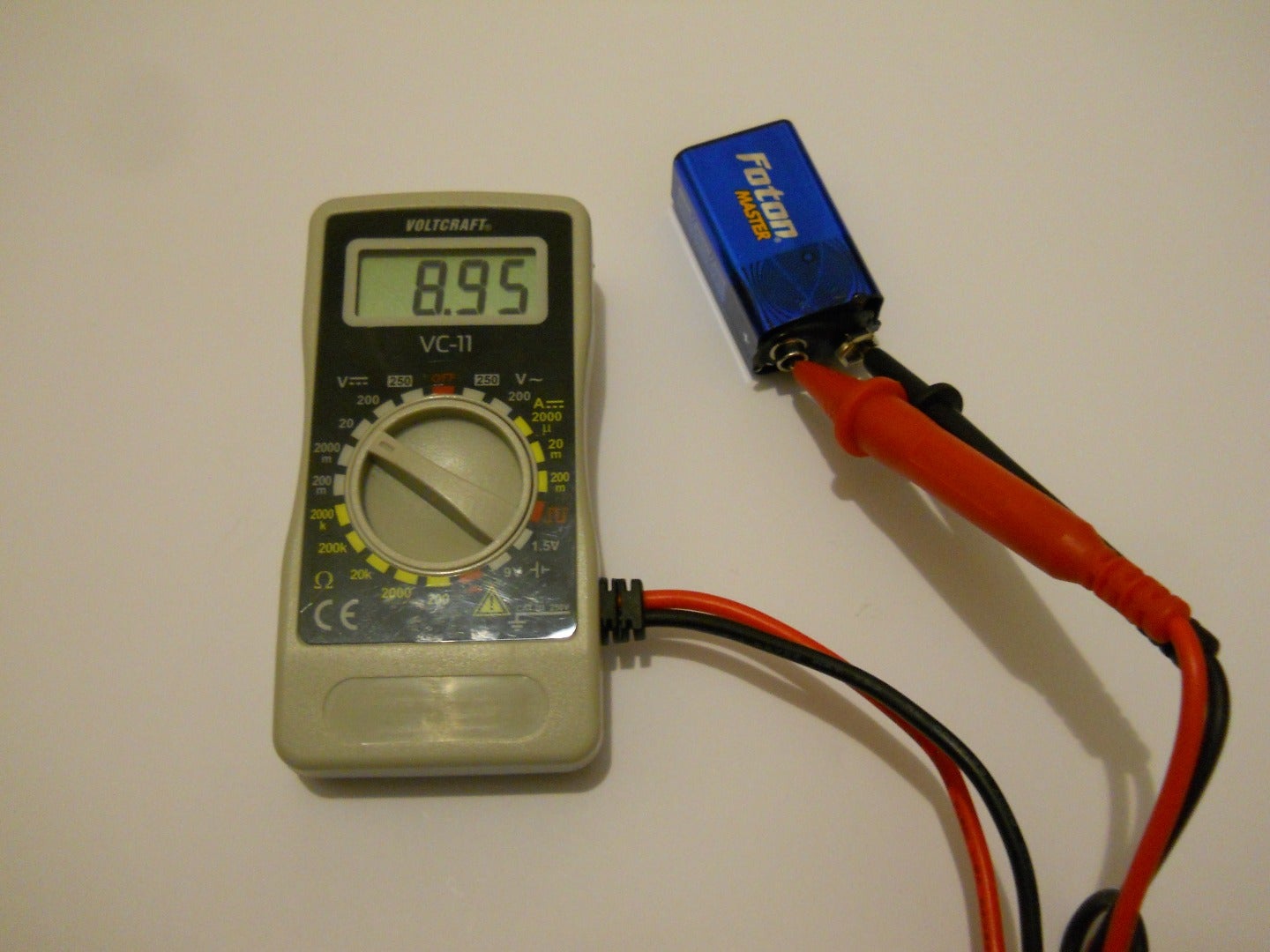
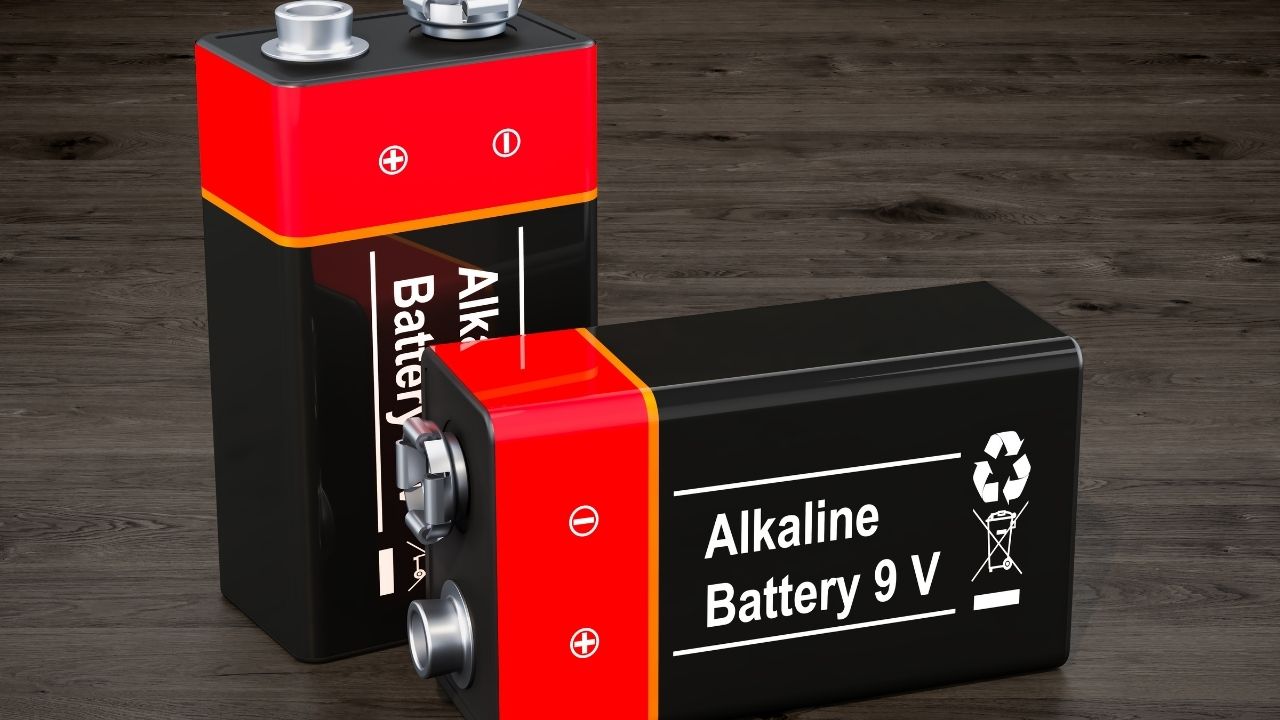
A 9V battery is a rectangular power source with a nominal output of 9 volts. It uses snap-on terminal connectors, often called male and female connectors, for easy installation in devices. Common applications include smoke detectors, portable radios, toys, and guitar effects pedals. A 9V battery is typically made up of six small cells connected in series inside a single casing, each generating 1.5 volts. The compact and convenient size of the 9V battery makes it a popular choice for powering electronics that require a higher voltage than what can be provided by standard AA or AAA batteries. Different chemistries are available, such as alkaline, lithium, nickel-metal hydride (NiMH), and carbon-zinc, each with different performance characteristics. The battery's capacity is measured in milliamp-hours (mAh), not a single amp rating.
Understanding amps
Amps, short for amperes, measure the flow of electric current in a circuit at a given moment. A battery's current output changes based on the device drawing from it, meaning a 9V battery does not have a fixed amp rating. The amp rating you see on a battery (like for AA and AAA battery specs) indicates the current it can deliver under specific conditions, but the actual current drawn depends on the load's resistance and the battery's internal resistance. Discharge rate is measured in milliampere-hours (mAh) and is an important factor to consider when choosing a battery for high-power demanding devices such as smartphones or cameras. A lower-resistance device will draw more current, while a higher-resistance device draws less.
Amps of a typical 9V battery
A standard 9V alkaline battery can supply about 0.5 to 0.8 amps under a typical load. For short bursts, some sources indicate it can reach 0.5 to 1.2 amps. Under short-circuit conditions, a fresh battery can momentarily deliver approximately 4.5 to 9 amps. However, continuous current is much lower, around 20 to 50 mA for typical loads. While some sources describe alkaline batteries providing 500 to 800 mA under normal conditions, the safe and accurate statement is that a typical 9V battery can deliver only modest current continuously, with much higher current possible only briefly.
Factors affecting amps in a 9V battery
Several factors determine the actual current a 9V battery can deliver:
- Battery chemistry: Alkaline, lithium, NiMH, and carbon-zinc batteries do not deliver the same current. Lithium batteries generally have a higher amp output than alkaline, making them better for high-drain devices.
- Internal resistance: Lower internal resistance allows higher current flow. Newer, higher-quality batteries typically have lower internal resistance.
- Connected load: A low-resistance device draws more current from the battery. The device's power requirements directly affect the current drawn.
- Battery condition: A fresh, fully charged battery can deliver more current than a partially depleted one. Battery age also reduces capacity and current output.
- Temperature: Extreme cold or hot temperatures can reduce the battery's capacity and amp output.
- Discharge rate: The rate at which the battery is discharged affects its amp output; some batteries have different ratings depending on discharge rate.
- Brand and quality: Reputable brands often have more consistent and higher amp ratings due to stricter quality standards.
- Battery size: Smaller-sized batteries typically have a lower capacity and lower amp output compared to larger-sized batteries.
- Using a battery with an amp rating that is too low for your device may result in poor performance, shorter battery life, or even damage to your device.
- Using a battery with a higher amp rating than necessary may not yield any significant benefits and could be an unnecessary expense.
Frequently Asked Questions
How many amps is a 9V battery?
There is no single fixed amp rating. The current depends on the load, battery chemistry, internal resistance, and battery condition. Under typical loads, continuous current is modest (20-50 mA), while short bursts can reach 0.5-1.2 amps.
Can a 9V battery provide 1 amp?
Yes, some 9V batteries can briefly provide 1 amp, especially in short bursts. However, sustained output at 1 amp is much lower, and the battery would drain quickly or overheat.
What capacity do 9V batteries usually have?
Typical alkaline 9V batteries have a capacity around 500 to 600 milliamp-hours (mAh). Some sources give wider ranges, but this is the common figure for standard alkaline types.
How should I dispose of a 9V battery?
9V batteries contain hazardous materials and should not be thrown in regular trash. Recycle them through designated recycling centers, battery drop-off points, or electronic retailers that offer battery recycling services.
Can I use a higher amp battery instead of a 9V battery?
No, unless your device explicitly supports it. Using a battery with a higher amp rating than specified can damage the device or create a safety hazard. Always use the recommended battery type and specifications from the manufacturer.
Can I use a lower amp battery instead of a 9V battery?
Using a lower amp battery may not provide sufficient power, leading to reduced performance or complete failure of the device.
How long does a 9V battery last?
The longevity depends on the device's power consumption, usage duration, and battery capacity, lasting anywhere from a few hours to several months.
Related reading: How Many Volts Is An AA Battery.