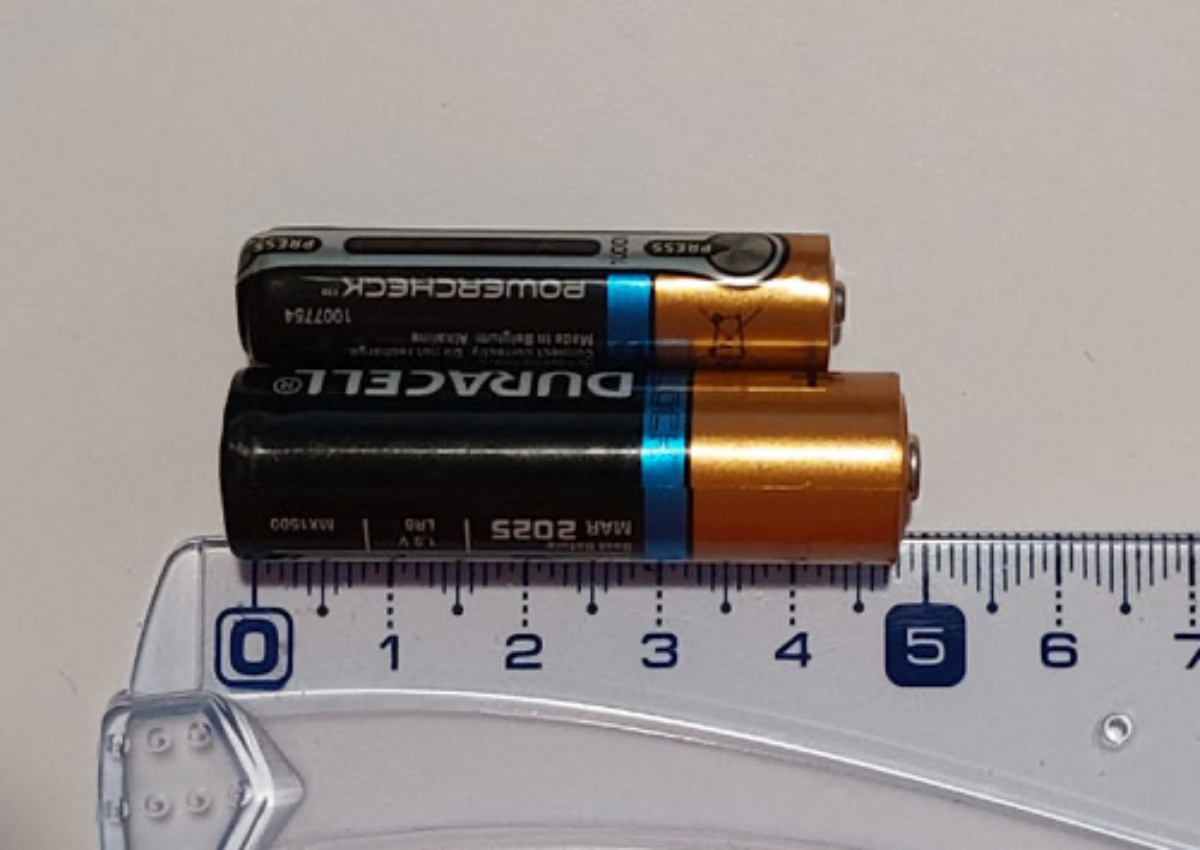





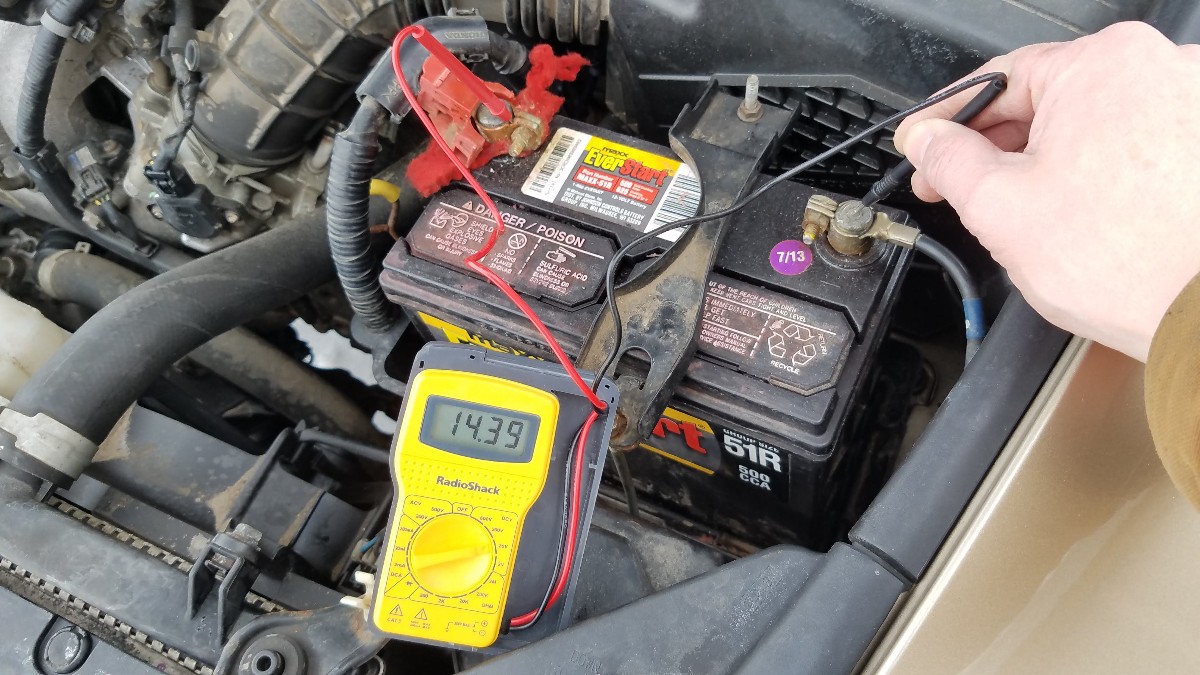
Battery voltage is the electrical potential difference between a battery's terminals, and for the most common types, a healthy reading is specific and measurable. For a 12V car battery, the correct resting voltage should be between 12.6V and 12.8V when the engine is off, while a standard AA or AAA alkaline battery should read close to its nominal 1.5V.
What should a battery voltage be for a car?
A healthy, fully charged 12V car battery should have a resting voltage of 12.6V to 12.8V when the engine is off and has been resting for at least an hour. A car battery resting voltage below 12.4V indicates a partial discharge, and below 12.0V is considered significantly discharged or a red flag. When a car's engine is running, the alternator should maintain a voltage between approximately 13.7V and 14.7V.
What should a battery voltage be for AA and AAA batteries?
Alkaline and primary lithium AA/AAA batteries typically have a nominal voltage of 1.5 volts, while rechargeable NiMH and NiCd versions are around 1.2 volts. A fresh alkaline AA/AAA battery may read slightly higher than 1.5V (e.g., up to 1.6V or 1.7V), but it is generally considered dead below 1.0V to 1.1V.
How to measure battery voltage with a multimeter
To measure battery voltage, use a digital multimeter set to DC voltage, connecting the red probe to the positive terminal and the black probe to the negative terminal.
- Turn on the digital multimeter and set it to the DC voltage setting. Choose a range that can handle the expected voltage (e.g., 20V for a car battery, 2V for an AA battery).
- Connect the red probe to the positive terminal of the battery and the black probe to the negative terminal.
- Read the voltage displayed on the screen. For a car battery, compare it to the 12.6V, 12.8V resting range. For an AA or AAA battery, compare it to the 1.5V nominal or 1.2V rechargeable range.
- Interpret the reading based on the battery type: if the voltage is within the healthy range, the battery is likely in good condition; if it is significantly lower, the battery may be discharged or failing.
Why battery voltage matters
Battery voltage directly indicates the state of charge and overall health of the battery. Incorrect voltage, whether too low or too high, can affect device performance, reduce battery longevity, and potentially damage the device or charging system. For example, a car battery below 12.0V may fail to start the engine, while a household battery below 1.0V will not power a device reliably. Monitoring voltage helps prevent unexpected failures and ensures you replace batteries at the right time.
Frequently Asked Questions
Can I use a battery with a higher voltage than recommended?
No, using a battery with a higher voltage than recommended can damage the device's internal components and may cause malfunction or failure. Always use the voltage specified by the manufacturer.
What does a car battery voltage of 12.2V mean?
It should be recharged soon to avoid sulfation and reduced lifespan.
How often should I check my car battery voltage?
It is good practice to check the resting voltage every few months, especially before winter or long trips. A sudden drop in voltage can signal a failing battery.
Why does my AA battery read 1.6V when new?
A fresh alkaline battery can read slightly above its nominal 1.5V due to its chemical composition. This is normal and the voltage will settle closer to 1.5V under load or after some use.
Is it safe to measure voltage while the car engine is running?
Yes, it is safe if you use a multimeter correctly. The reading should be between 13.7V and 14.7V, confirming the alternator is charging properly. Be careful not to short the probes.
For the wider topic, see AA and AAA battery specs.
Related reading: What Is A 1.5 V Battery.