




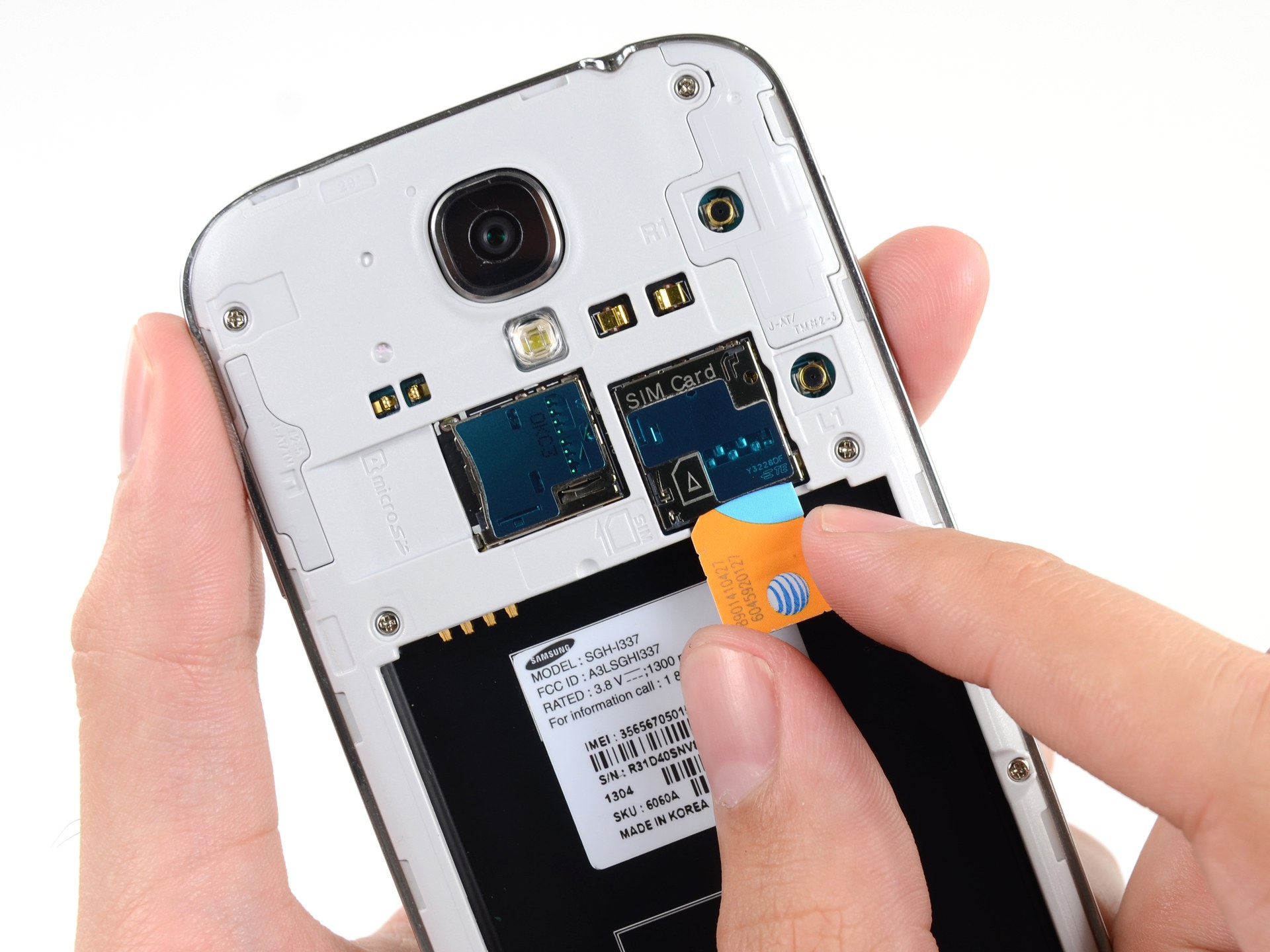
To replace a SIM card in a Samsung phone, you must first power off the device to prevent damage to the internal components or the card itself. The exact method depends on your phone model: modern Galaxy phones use a SIM tray ejected with a tool, while older models require removing the back cover and battery.
Before you replace a SIM card in a Samsung phone
Before you replace a SIM card in a Samsung phone: Identifying your Samsung model type (tray vs. removable back), powering off the device, and gathering the necessary tools
Begin by identifying whether your Samsung phone has a SIM tray on the side or top, or a removable back cover that hides the SIM slot. Most modern Galaxy phones (such as the Galaxy S21, S22, S23, S24, S25, and S26 series) use a SIM tray that requires an ejector tool, often included in the phone box, or a small paper clip. Older Galaxy models have a removable back cover and a separate battery that must be taken out before you can access the SIM card. Regardless of model, always power off the phone completely before proceeding. Gather the ejector tool (if needed) and your new SIM card before you begin.
Reasons to Replace a SIM Card in a Samsung Phone
Replacing a SIM card can help improve signal strength and network connectivity if you're experiencing frequent dropped calls or poor signal quality.
Precautions before Replacing a SIM Card
If the new SIM card is larger or smaller than the existing one, you may need to obtain a SIM card adapter or request a new SIM card from your service provider. Backup your phone's data before replacing a SIM card to ensure contacts, messages, and essential files are safely stored. Take note of any personal settings such as Wi-Fi networks, app preferences, or personalized ringtones before replacing the SIM card.
How to replace a physical SIM card in a Samsung phone
For a Samsung phone with a removable physical SIM, the documented steps are straightforward. Follow this order:
- Power off the phone.
- Insert the ejector tool into the small hole beside the SIM tray.
- Pull out the tray gently.
- Remove the old SIM card or place the new SIM card into the tray, ensuring the gold contacts face downward and the notched corner aligns with the tray.
- Slide the tray back into the phone until it clicks flush with the frame.
- Power on the phone and wait for it to detect the network.
How to replace a SIM card on older Samsung Galaxy models
Samsung also documents older Galaxy models with a removable back cover and battery. For these devices, the steps differ:
- Power off the phone.
- Remove the back cover carefully.
- Take out the battery.
- Locate the SIM card slot, typically a small metal or plastic holder, and remove the SIM card from its slot.
- Insert the new SIM card into the same slot, oriented as the old card was.
- Reinstall the battery and back cover.
- Power on the phone to confirm the SIM is recognized.
How to switch to or transfer an eSIM on a Samsung phone
If your Samsung phone supports eSIM, Samsung lists supported devices by model family, including the Galaxy S20, S21, S22, S23, S24, S25, and S26 series, you can add an eSIM without a physical card. The verified path on a new Galaxy device is Settings > Connections > SIM manager > Add eSIM. On some Samsung pages, the next option is labeled Transfer SIM from Galaxy/Android phone, while other regional Samsung pages show Transfer SIM from another device; Samsung notes the wording can vary by page and region. For the transfer flow, the old device shows a transfer popup, the old device is prompted for a 6-digit verification code from the new device, and the new Galaxy device then lets the user choose a phone number and tap Transfer. Availability of eSIM transfer may vary by carrier.
Step-by-Step Guide
If you switched to a new SIM card from a different carrier, you may need to update your APN (Access Point Name) settings to enable data connectivity.
Troubleshooting after a SIM card replacement
If your phone does not read the new SIM card after replacement, try these simple fixes:
- Restart the device: Power off, remove the SIM, wait a few seconds, reinsert it, and power on.
- Check SIM orientation: Ensure the card is placed correctly in the tray or slot, with the gold contacts facing down and the notched corner aligned.
- Ensure the tray is fully closed: If the tray is not flush with the phone frame, the phone may not detect the SIM. Push it in until it clicks.
- Update software: Go to Settings > Software Update to install any available updates that may fix SIM recognition issues.
- Contact your carrier: If the SIM still isn’t recognized, your carrier can verify activation and compatibility. Carrier availability for eSIM or physical SIM may vary.
Troubleshooting Tips
Clear cache and data of the SIM Toolkit app via Settings > Apps > SIM Toolkit > Clear Cache and Clear Data as a troubleshooting step. If you are uncertain about replacing the SIM card yourself, seek professional help or visit an authorized Samsung service center.
Frequently Asked Questions
Where is the SIM card slot located on a Samsung phone?
On modern Galaxy phones, the SIM tray is usually on the left side or top edge. On older models with a removable back, the SIM slot is beneath the battery after removing the back cover. Check your phone’s user manual for the exact location.
Can I use any SIM card for my Samsung phone?
Most Samsung phones are unlocked and work with SIM cards from different carriers, but compatibility depends on the phone’s network bands and whether it is carrier-locked. Check with your carrier to confirm the SIM card will work with your specific model.
Do I need to activate the new SIM card in my Samsung phone?
In most cases, inserting a new SIM card will automatically activate it once the phone connects to the network. If you see “No service” or cannot make calls, contact your carrier for activation assistance.
What should I do if my Samsung phone says "No SIM card" after replacement?
First, power off the phone and reseat the SIM card, ensuring it is fully inserted and the tray is closed completely. If the message persists, try restarting the phone or clearing the cache of the SIM Toolkit app (Settings > Apps > SIM Toolkit > Clear Cache). If none of these work, the SIM card may be damaged or incompatible, contact your carrier for a replacement.
Can I use a SIM card from an iPhone in my Samsung phone?
Yes, if the SIM card is the correct size (nano-SIM for most modern phones) and your Samsung phone is unlocked. The physical SIM step for iPhone, inserting a paper clip or eject tool into the hole beside the SIM tray, is iPhone-specific and does not apply to Samsung models, but the card itself is interchangeable if the phone is unlocked and compatible.
How do I know if my Samsung phone supports eSIM?
However, carrier availability may vary, so check with your carrier to confirm eSIM support for your specific phone model and region.
How do I know if my Samsung phone requires a SIM card replacement?
Signs include 'No SIM card' or 'Insert SIM card' errors, no signal, or dropped calls.
For the wider topic, see SIM card information and costs.