




You can paint a silicone phone case, but the honest truth is that paint does not adhere well to silicone, so the result will be temporary and decorative rather than durable. This project works best when you accept that the paint will likely peel or chip over time, especially with daily handling and flexing.
The honest truth about trying to paint a silicone phone case
Silicone is non-porous and flexible, which makes it one of the hardest surfaces for paint to stick to. Unlike plastic or hard-shell cases, silicone repels most paints and sealants. Even with perfect preparation, the paint will not bond permanently. The design will eventually crack, peel, or rub off, especially along edges and corners where the case stretches. If you want a long-term custom look, consider a different method such as a printed case, a skin, or a hard-shell case that accepts paint better. If you are okay with a temporary, artistic project that may need touch-ups, painting your silicone case can still be a fun way to personalize it.
What you'll need for the best chance of success
- High-quality acrylic paint (water-based, flexible when dry)
- Flexible primer designed for plastics or silicone
- Fine-grit sandpaper (400-600 grit)
- Flexible clear sealant or varnish (labeled for use on flexible surfaces)
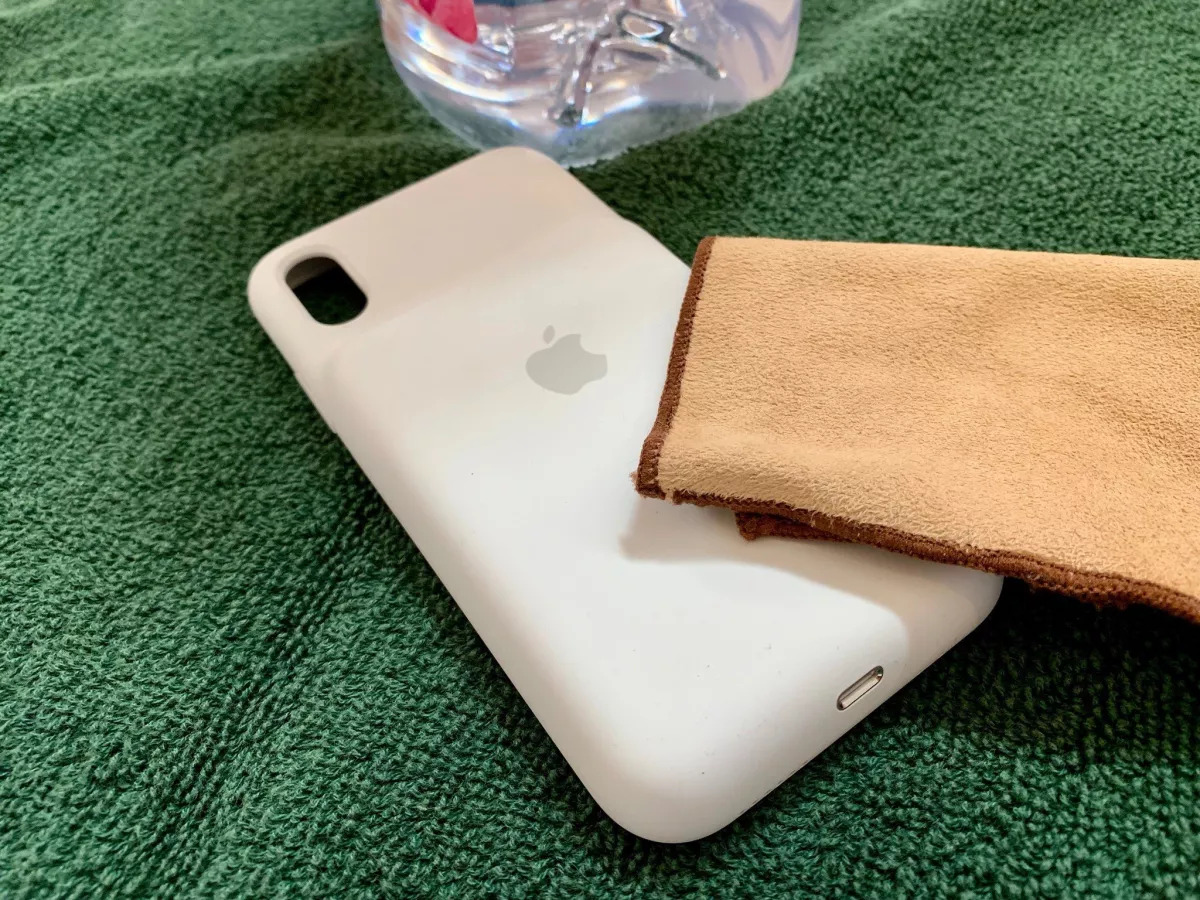
- Soft cloth, mild soap, and water for cleaning
- Small brushes or sponge applicators
- Masking tape or painter's tape (optional, for clean edges)
How to prepare a silicone phone case for paint
- Clean the case thoroughly. Use mild soap and warm water to remove dirt, oils, and residue. Rinse well and dry completely. This step is essential for any paint adhesion.
- Lightly sand the entire surface. Use fine-grit sandpaper to create a rougher texture. This mechanical bond gives the paint something to grip. Sand gently, excessive sanding can damage the case or create visible scratches.
- Wipe away dust. Use a damp cloth or tack cloth to remove all sanding debris. Let the case dry fully.
- Apply a flexible primer. Use a primer specifically made for plastics or silicone. Apply a thin, even coat with a brush or spray. Allow it to dry completely according to the manufacturer’s instructions. This step is critical for improving paint adhesion.
- Mask off areas (optional). If you want clean edges or to leave parts of the case unpainted, apply masking tape before painting.
How to apply paint to a silicone phone case
- Apply a base coat (optional). Applying a base coat before the design is an optional step that can provide a better background and enhance the overall appearance.
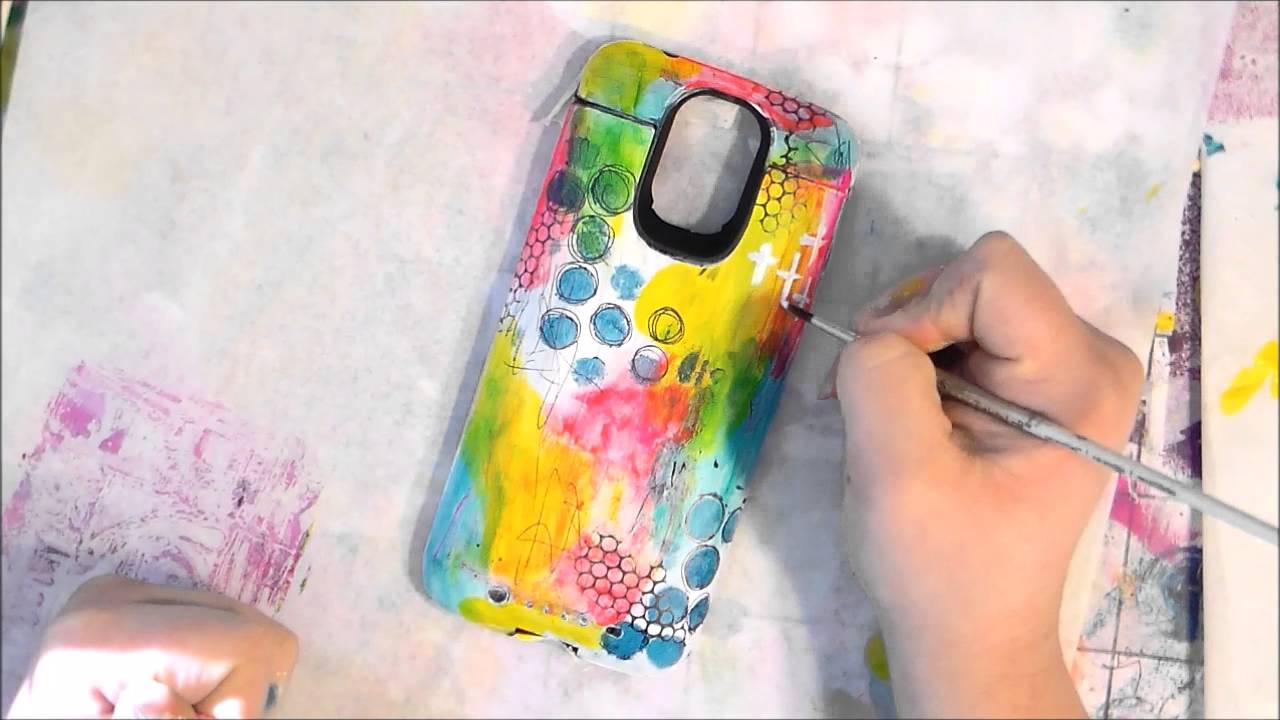
- Apply thin coats only. Use a small brush or sponge applicator to apply a very thin layer of acrylic paint. Thick layers crack and peel faster.
- Let each coat dry fully. Allow each layer to dry completely before adding the next.
- Build up color gradually. Apply multiple thin coats to achieve the desired opacity. Three to five coats are typical.
- Add details and designs. Once the base color is dry, use smaller brushes or fine-tipped applicators for patterns, lines, or artwork. Let details dry between colors.
- Be patient. Rushing between layers increases the risk of smudging and peeling later.
How to seal and protect your painted design
Applying a flexible, clear sealant is optional but recommended. Use a sealant or varnish labeled for use on flexible surfaces. Apply one or two thin, even coats over the fully dried paint. This adds a minor layer of scratch protection and can help the paint resist minor abrasion. Epoxy resin can be used to create a glossy, durable finish, but requires careful following of instructions for mixing and curing. However, it will not prevent peeling caused by the silicone itself. The sealant may also crack or peel over time as the case flexes. For the best longevity, handle the case gently and avoid stretching it.
Frequently Asked Questions
What kind of paint works best on a silicone phone case?
High-quality acrylic paint is the most commonly recommended option because it is water-based, flexible when dry, and adheres better than most alternatives. Acrylic ink is an option for creating intricate designs or fine details, and it can be blended to create custom shades. Fabric paint designed for flexible materials can also work. Nail polish can be used as a creative option with a vast selection of colors and finishes, but may not adhere as securely and may require additional protection or touch-ups. Avoid oil-based paints, as they tend to crack and peel faster on silicone.
Can I use spray paint on a silicone phone case?
Spray paint can be used, but it requires careful preparation. Use a spray paint formulated for plastic surfaces and apply in very thin, even coats. The same preparation steps, cleaning, sanding, and priming, are still essential. Spray paint may still peel over time due to the silicone's flexibility.
How long will the paint last on a silicone phone case?
There is no guaranteed lifespan. With perfect preparation and gentle handling, the paint may last weeks to a few months before showing wear. Daily use, pocket friction, and flexing will cause peeling and chipping much sooner. This is a decorative, temporary project, not a permanent solution.
Are there better alternatives to painting a silicone phone case?
Yes. For a durable custom look, consider using a printed case, a vinyl skin, or a hard-shell case that accepts paint more reliably. Stickers or decals can also be applied, though they may peel similarly. If you want a painted design, a hard plastic or polycarbonate case will hold paint much better than silicone.
Does cleaning phone cases and grips affect the paint?
Yes. Cleaning phone cases and grips with alcohol, harsh cleaners, or abrasive pads will strip or damage painted designs. If you need to clean a painted silicone case, use only mild soap and water, and wipe gently. Avoid soaking or scrubbing the painted areas.
Can I paint over an existing painted design on a silicone case?
You can, but the new paint will only adhere as well as the old paint. If the previous paint is peeling or flaking, it is better to remove it completely with rubbing alcohol or by sanding, then start the preparation steps from the beginning. Painting over peeling layers will result in even faster failure.
Related reading: How To Bedazzle Your Phone Case.