




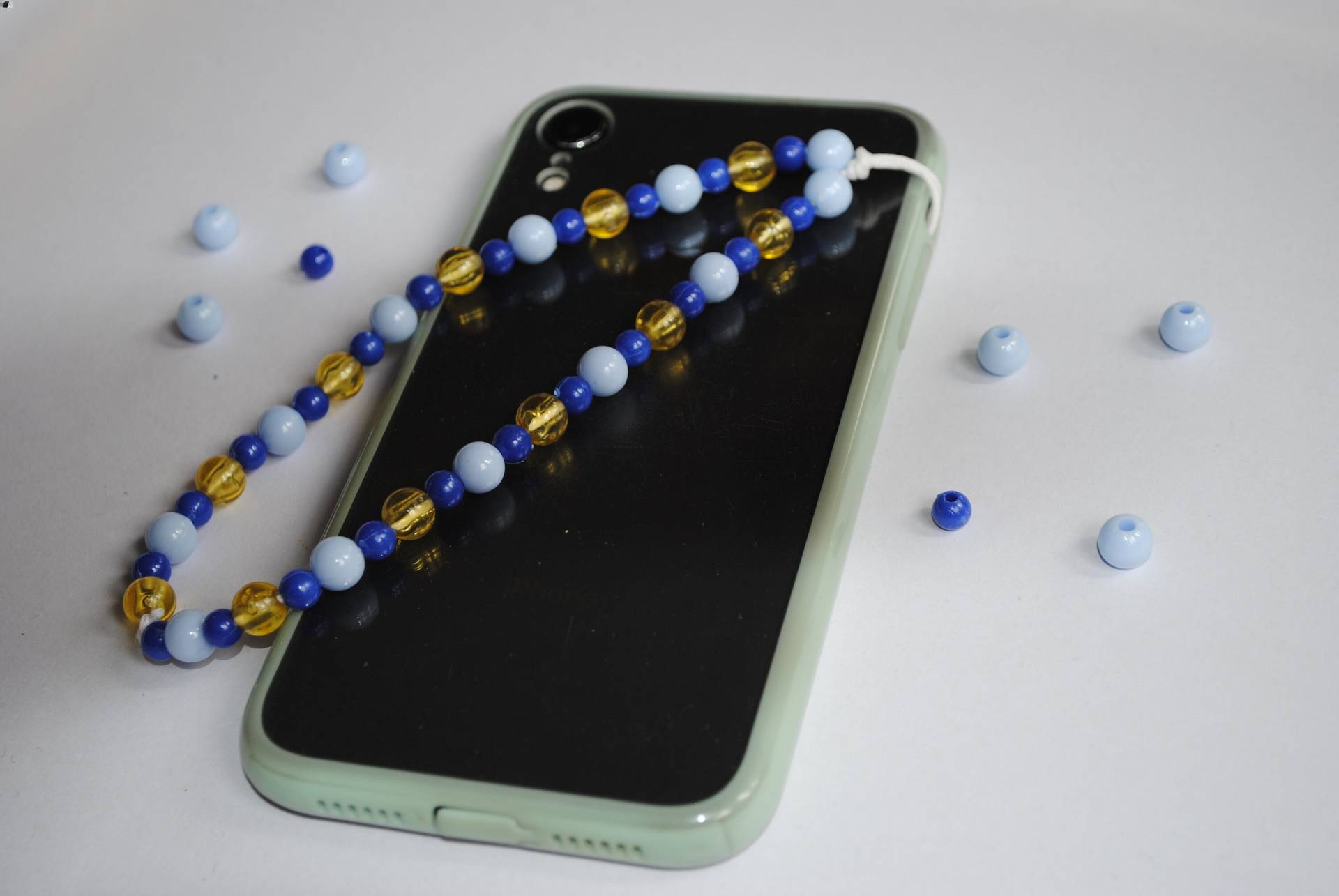
Cell phone charms attach to a modern phone by connecting to a case's anchor point, not the phone itself. The four main methods are traditional clasp, lobster claw, loop, and adhesive attachment, each suited to different case designs and personal preferences.
How do cell phone charms attach to a modern phone?
Most modern phones lack a dedicated charm hole, so charms attach to a phone case that includes a reinforced loop, eyelet, cutout, or adhesive anchor. The four common attachment methods are traditional clasp, lobster claw, loop, and adhesive. Choosing the right method depends on your case type and how permanently you want the charm attached. Apple's Crossbody Strap uses two physical connection points built into compatible Apple cases, not a direct magnetic attachment to the phone itself.
Traditional clasp attachment process
A traditional clasp uses a snap hook or spring-loaded clip to grip a purpose-built loop or anchor point on the case.
- Locate the reinforced loop, eyelet, or anchor point on your phone case.
- Open the clasp by pressing the release tab or pulling the spring mechanism.
- Hook the clasp onto the loop or eyelet.
- Release the clasp so it snaps shut securely around the attachment point.
- Tug gently to confirm the clasp is locked in place.
Lobster claw attachment process
A lobster claw clasp offers a secure grip that is less prone to accidental detachment than some other clasp types.
- Open the claw by squeezing the small lever on the side of the clasp.
- Position the open claw over the loop or ring on your case.
- Release the lever so the claw closes fully around the loop.
- Check that the claw has snapped shut and the charm cannot slide off.
Loop attachment process
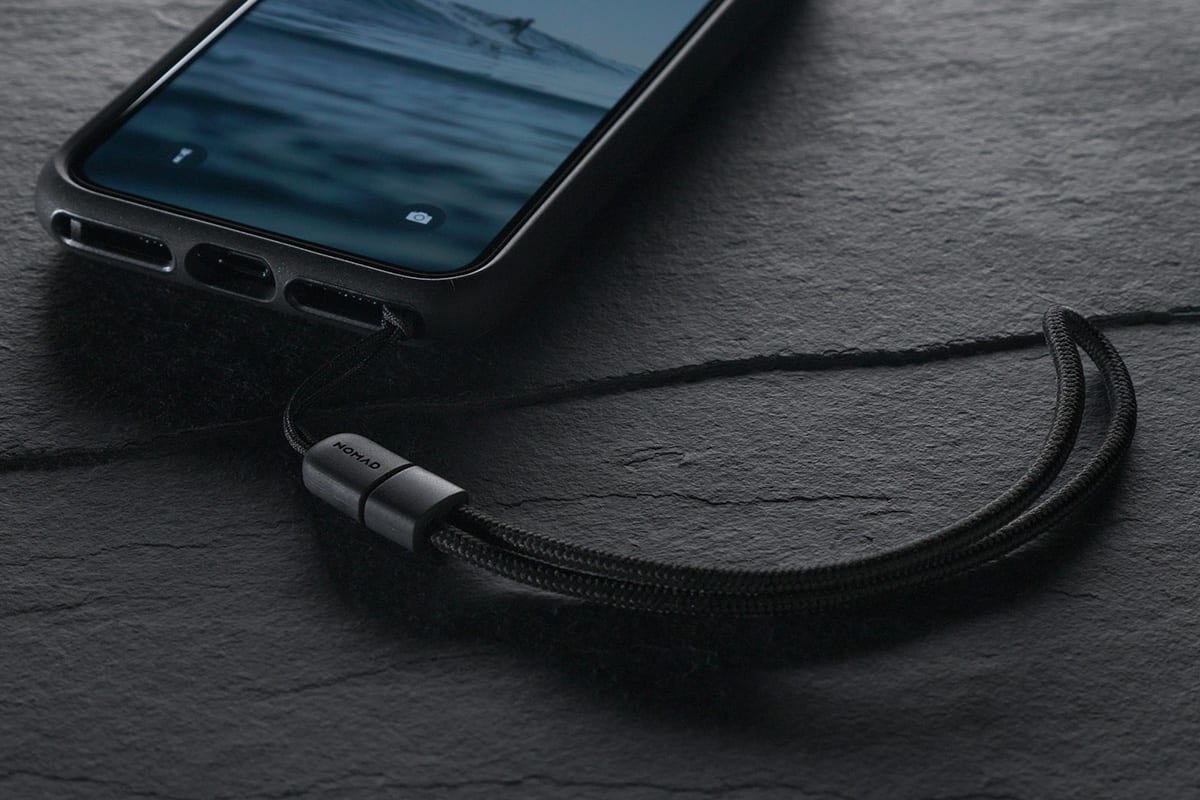
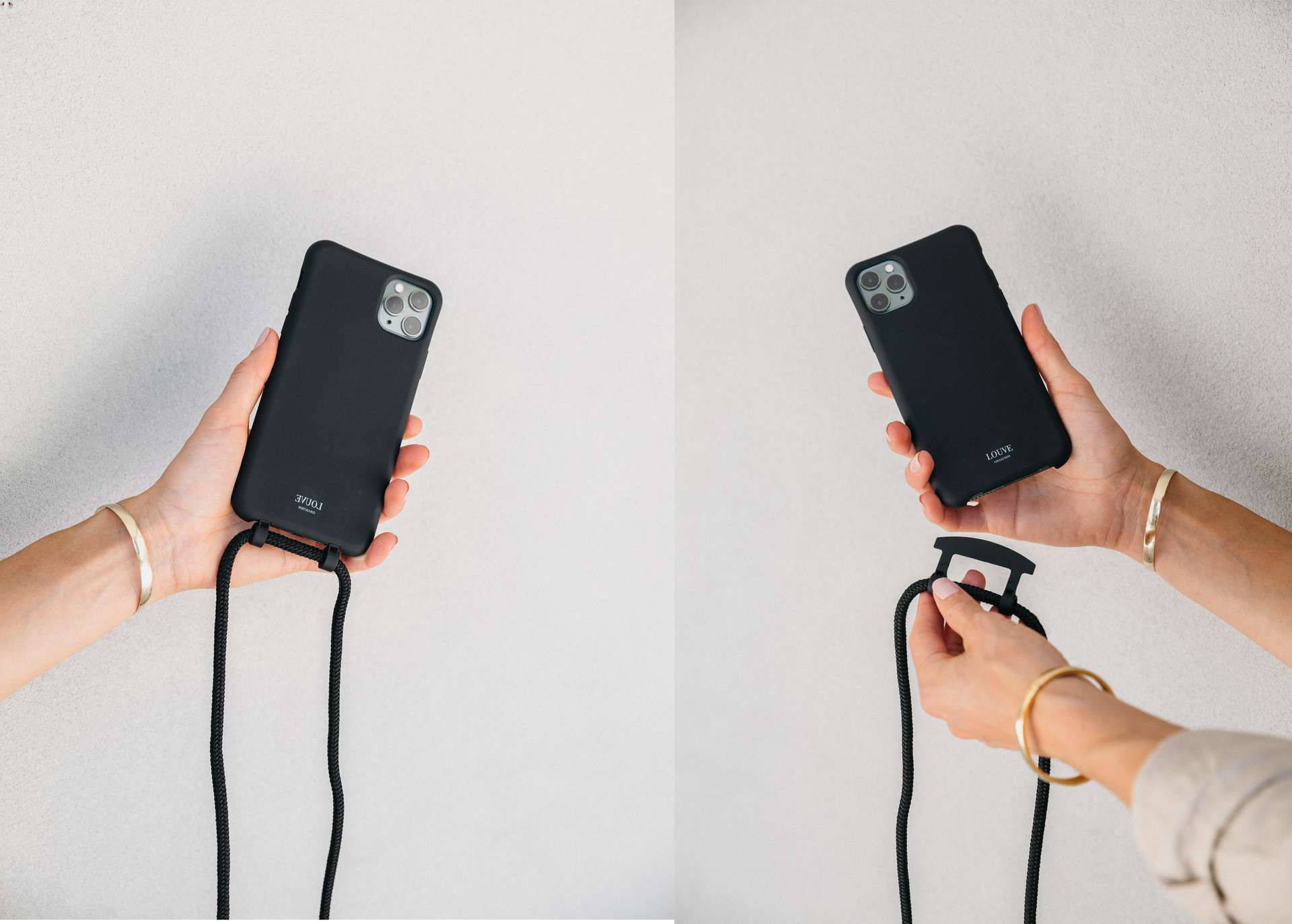
Loop attachments work with cases that have a cutout, port insert, or dedicated strap hole. The charm itself may come with a built-in cord loop.
- Thread the cord loop through the case cutout, port insert, or strap hole.
- Pull enough of the loop through to create a small circle on the outside of the case.
- Pass the charm (or the charm’s connector) through the loop.
- Pull the loop tight so the charm is secured against the case.
Adhesive attachment process
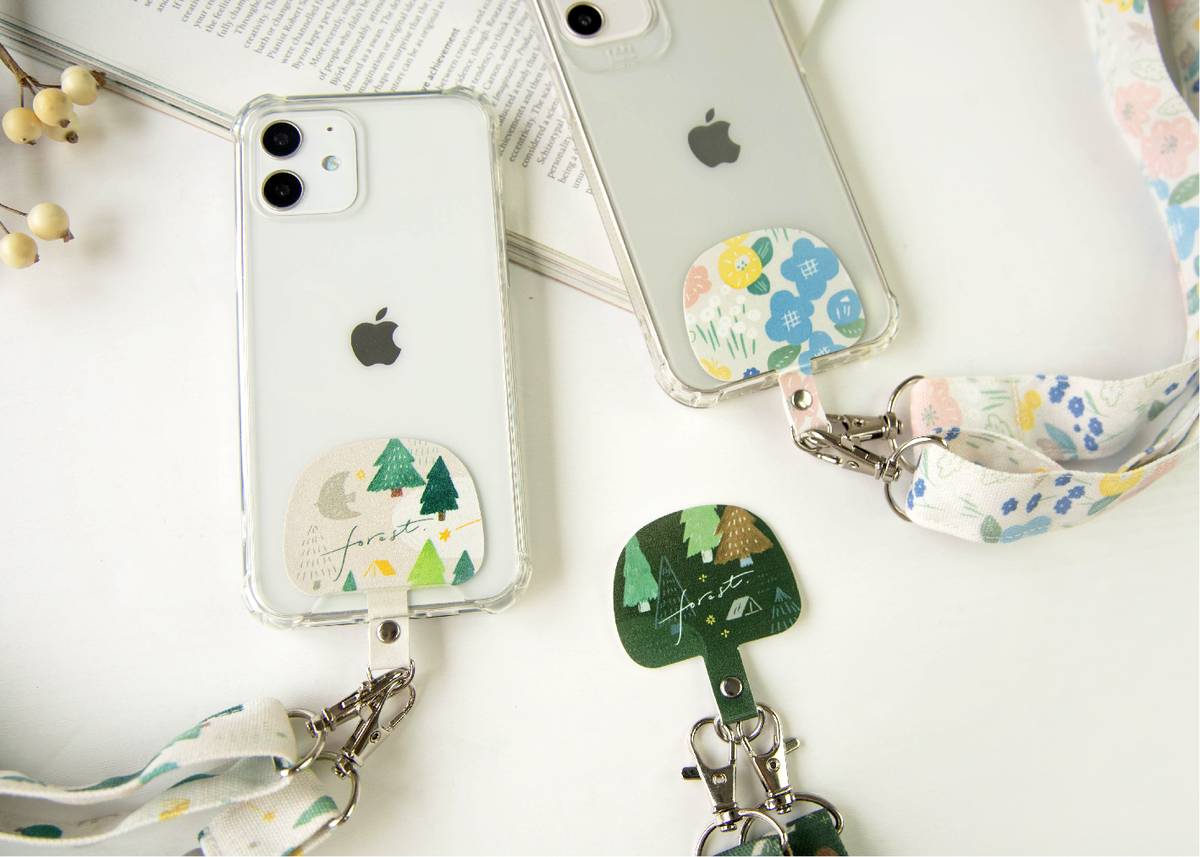
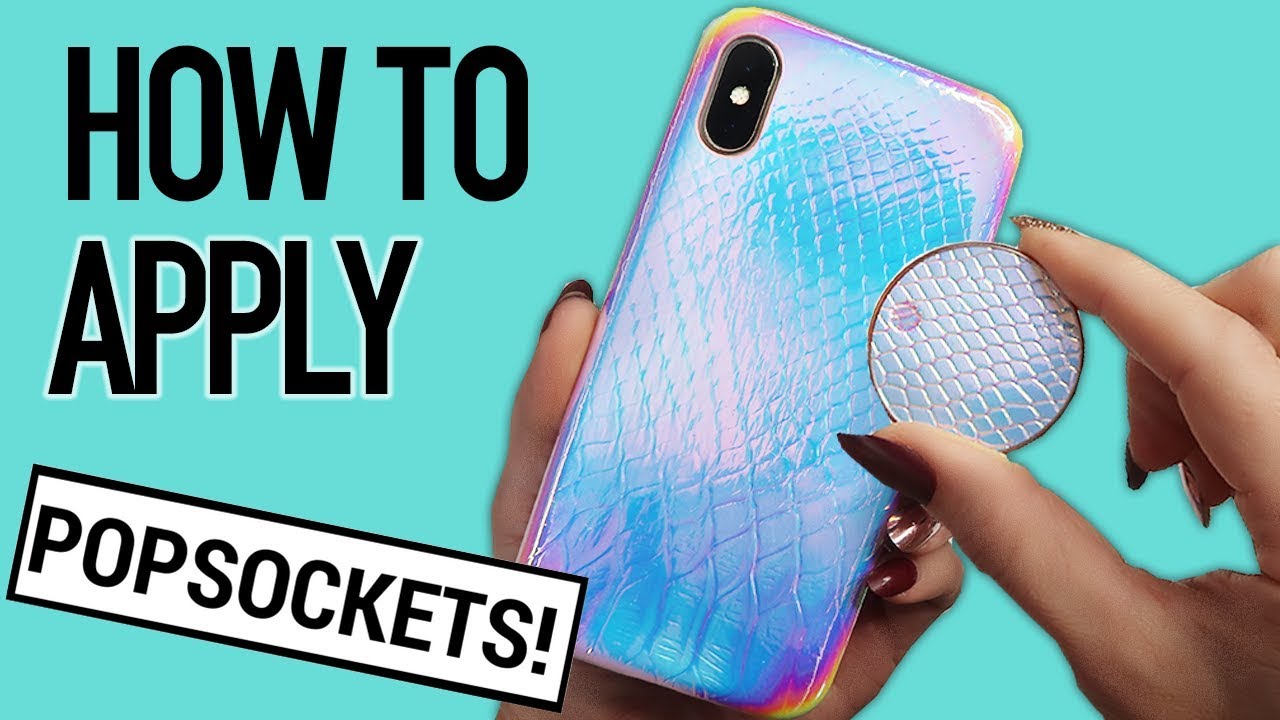
Adhesive anchors are a good option when your case has no built-in loop or hole. They work best on smooth, clean surfaces and with lightweight charms.
- Clean the back of your phone case with a lint-free cloth to remove dust and oil.
- Peel the backing from the adhesive anchor and press it firmly onto the case where you want the charm to hang.
- Let the adhesive set according to the anchor manufacturer’s instructions.
- Connect the charm to the anchor using the charm’s clasp, claw, or loop.
Choosing the right attachment for your phone case
Consider case compatibility first. A thin, flexible case may not have a reinforced loop strong enough for a heavy charm, while a rugged case might include dedicated anchor points. Durability matters: metal clasps and lobster claws last longer than plastic clips, and adhesive anchors may need replacement over time. Ease of use is also key, loop and adhesive attachments are simple to swap, while clasps and claws offer a more permanent feel. Finally, personal style plays a role; some charms are designed specifically for loop attachment, while others come with a built-in lobster claw. If you want to coordinate your charm with your phone’s display and home screen settings, choose an attachment method that lets you easily remove the charm when you change your look. The compatible devices are the iPhone 17 family, including iPhone 17, iPhone 17 Pro, iPhone 17 Pro Max, and iPhone Air, when used with the listed Apple cases.
Frequently Asked Questions
Can I attach multiple charms to my phone?
Yes, as long as your case has enough attachment points or you use a multi-loop adapter. Be mindful of the combined weight, as too many charms can strain a single loop or adhesive anchor.
Can I remove a cell phone charm once it is attached?
Yes. Clasps and lobster claws can be opened and unhooked. Loop attachments can be unthreaded. Adhesive anchors can be peeled off, though they may leave residue or lose stickiness after removal.
Are cell phone charms compatible with all phone models?
Charms attach to the case, not the phone itself, so compatibility depends on the case design. Most cases with a loop, cutout, or smooth back surface will work, but very thin cases may lack a secure anchor point.
Do adhesive anchors damage phone cases?
Adhesive anchors are generally safe for hard plastic and silicone cases. They may leave a slight residue on soft or textured surfaces, which can often be cleaned off with a mild adhesive remover.
What if my case has no loop or hole?
Use an adhesive anchor or a lanyard adapter that sticks to the case. Alternatively, choose a case that includes a built-in charm loop or strap hole if you plan to use charms regularly.
For the wider topic, see display and home screen settings.
Related reading: How To Attach Wrist Strap To Phone Case, How To Attach A Phone Strap, and How To Use Cell Phone Charms.