




Getting the clean phone case off without damage
Before you learn how to clean phone case and grip accessories, removing a heavy-duty protective shell safely prevents cracked screens and bent frames. On layered designs, always separate the soft outer skin from the rigid inner skeleton first by peeling the rubber away from the bottom seam, which lets you access the hard shell without tearing the more fragile material. Once the outer layer is off, you can take off tight phone case by releasing the internal clips one at a time, working your way around the perimeter instead of prying from a single corner. If you are trying to remove OtterBox from iPhone 13, look for the small side tabs marked with arrows on the inner frame and unclip them sequentially until the two halves separate cleanly. The same technique applies when you need to take off OtterBox case iPhone 14, because these multi-part shells rely on a ring of latches rather than a model-specific release point. For a different latch style, you can remove a Pelican case from iPhone 10 by starting at the designated opening point; using a coin there gives you the mechanical advantage to begin unlatching without gouging the plastic nearby.
Everyday washing and material care
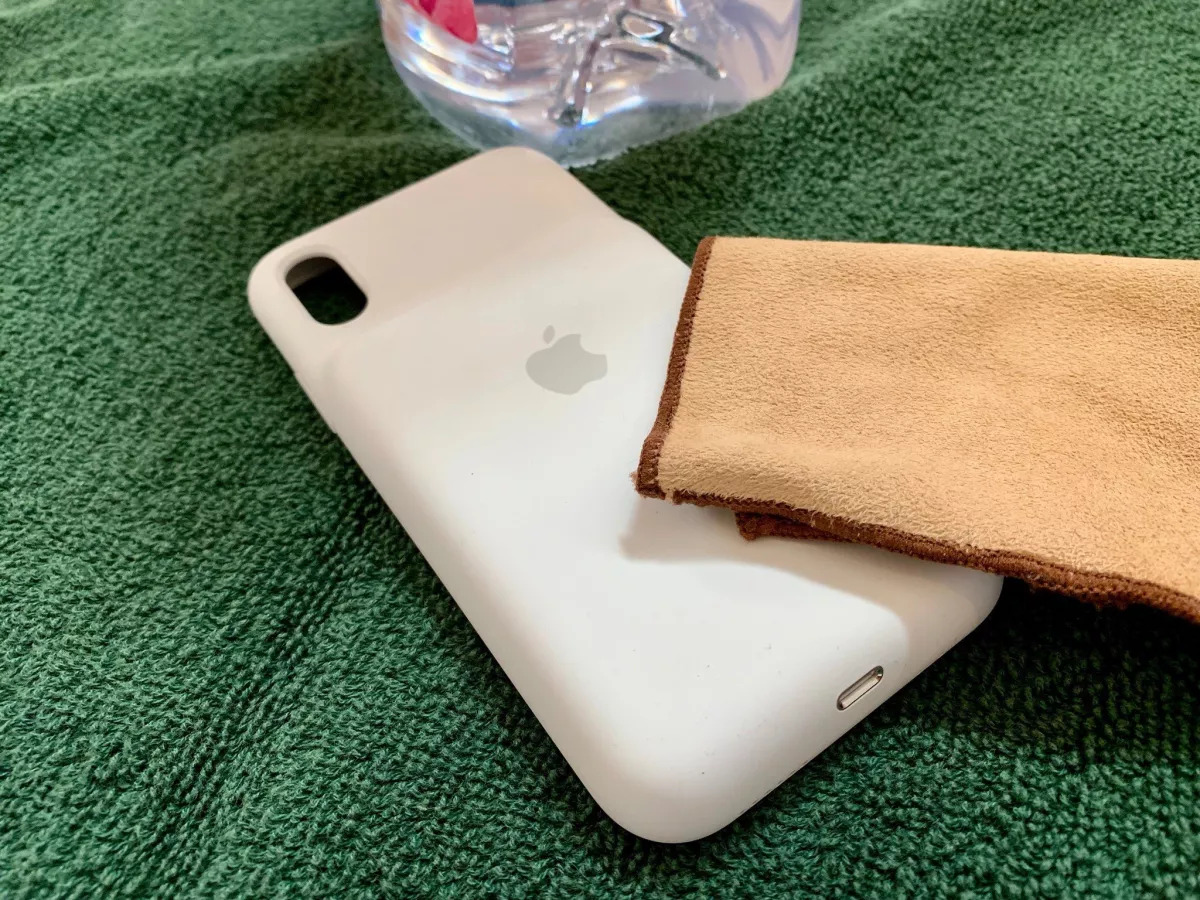
Most everyday grime lifts easily once you remove the case and wash a phone case by hand with a couple of drops of mild dish soap and warm water. Work the solution across both the inside and outside surfaces with a soft cloth or a soft-bristled brush. Pay extra attention to the seams where pocket lint collects. Rinse until the water runs clear and let it air-dry completely before putting it back on the phone.
When you need to clean phone case silicone specifically, stick with that same gentle soap-and-water approach and skip anything stronger. Harsh cleaners like ammonia, bleach, or glass sprays can permanently cloud the matte finish. Soaking the case for too long may cause the material to swell or lose its shape.
A common frustration is discovering a sticky silicone phone case residue that develops over time, especially in humid environments. This tacky film is a material-care issue, not a setting you can toggle. The fix is simply washing the case with mild soap and water. Rinse it thoroughly and make sure every surface is fully dry before you handle it again.
If you are trying to clean a white phone case that has started to look dull, you follow the same mild-soap routine because no separate whitening procedure is documented for the material itself. Focus your gentle scrubbing on corners and edges where dye transfer from denim or bags tends to settle. Always let the case air-dry completely before reattaching it to your phone.
Fixing yellowing, slipperiness, and fit
Bringing a clear case back to its original look starts with a realistic expectation. When you try to unyellow a clear phone case, the gentle dish-soap and soft-brush method handles surface grime well, but deep UV damage or material aging often cannot be reversed and can only be temporarily lightened with a baking-soda paste. If the plastic still looks cloudy after a thorough wash, replacing it is the only sure fix.
For cases that feel slick in the hand, thoroughly cleaning the case with mild soap and water to remove oils and residue can help, and adding a textured grip sticker or a ring holder to the back is also a reliable approach to make a phone case less slippery. Rubber bumpers that have loosened over time pose a similar challenge, and there is no guaranteed way to shrink my rubber phone case back to its original snug dimensions. Brief exposure to moderate heat can sometimes tighten the material slightly, but it also risks warping or hardening the rubber, so test a hidden spot first.
When a dashboard mount or pop-out stand loses its tack, you can often make a phone holder sticky again by cleaning its suction cup or adhesive pad with warm water and letting it air-dry completely before pressing it back into place.
Removing stuck-on messes and stains
Sticky residue, ink stains, and nail polish spills all demand a different approach depending on what your case is made of, because silicone, hard plastic, and rubber react unpredictably to solvents. Before you reach for anything stronger than soap, check the material or test a hidden spot with a cotton swab soaked in isopropyl alcohol to ensure the finish does not cloud or soften.
For fabric cases, Google Pixel’s guidance points to hand washing by dampening a cloth or sponge with water, rubbing in gentle circles, rinsing with cold water, and wiping with a clean towel to air dry, and you should avoid scrubbing or soaking the fabric. Hard plastic shells generally tolerate a brief dab of alcohol to dissolve adhesive, while soft rubber and silicone can swell or become permanently tacky if exposed for too long, so rinse the area quickly and let it air-dry completely. Apple’s own instructions for silicone and clear cases stop at a damp, lint-free cloth and explicitly warn against window cleaners, household sprays, and any product containing hydrogen peroxide or ammonia, which rules out many common goo removers. When the mess is an adhesive film left behind by a sticker or a dashboard mount, gently warming the residue with a hairdryer on low can soften it enough to lift away without chemical help, keeping the heat moving so the case does not warp.
The same material-by-material logic applies whether you are figuring out how to get super glue off a phone case, how to get sticky stuff off of phone case, how to get Sharpie off a phone case, or how to get nail polish off phone case.
Cleaning phone ports and speakers
Before you reach for a tool, remember that the inside of your phone is far less forgiving than a case. A metal paper clip or a sharp pin can bend delicate contacts or push debris deeper into the device. If you need to remove dust from phone speaker grilles, power the handset down first and inspect the mesh with a flashlight, then use a soft, dry brush with the phone tilted so particles fall away from the openings, which helps preserve audio clarity. When grime is lodged in the connector, you might wonder whether you can clean iPhone charging port with alcohol, but Apple's guidance warns against forcing debris deeper and does not recommend introducing liquids directly into the port, so you avoid risking corrosion or short circuits. They recommend a gentle, dry approach with a wooden or plastic toothpick while the port faces downward. The same cautious logic applies when you clean connector pins inside the device, carefully lifting visible lint out of the port area and avoiding metal tools that can scratch the contacts or push compacted dust into a corner you cannot reach, ensuring reliable charging and data transfer. For a trip to the beach that leaves fine grit behind, the technique to get sand out of your phone charger hole follows the same gravity-first rule: keep the opening pointed at the floor and use only a non-conductive pick if a clump is truly stuck, because you want to avoid damaging the charging contacts and maintain a secure connection. Similarly, when you need to remove sand from a phone speaker, a soft-bristled brush and a gentle tapping motion against your palm will often coax the grains out without driving them past the protective mesh, restoring clear sound output.
- clean iPhone charging port with alcohol
- get sand out of your phone charger hole
- remove sand from a phone speaker
- remove dust from phone speaker
- clean connector pins
Decorating and customizing your case
Adding color or texture to a case works best when you match the method to the material. A finish that bonds beautifully to hard polycarbonate can peel straight off flexible rubber. If you want to paint on silicone phone case, bedazzle your phone case, or print a phone case with a custom image. Hard plastic shells are more forgiving, holding acrylic and spray paint well after a light scuff with fine-grit sandpaper gives the surface some tooth. Whatever embellishment you choose, clean the bare case with a soft, slightly damp lint-free cloth using mild dish soap and warm water, and avoid any solvent like ammonia or hydrogen peroxide that could leave a residue and sabotage adhesion.
Phone and camera lens maintenance
Even the most carefully maintained case cannot prevent everyday grime from reaching the phone itself, and the screen and camera lens need their own routine attention. For the body of an iPhone, Apple instructs you to unplug all cables, power the device down, and wipe it with a soft, slightly damp, lint-free cloth, taking care not to let moisture slip into any openings. If you need to disinfect the exterior surfaces, a 70 percent isopropyl alcohol wipe is permitted, but you must avoid bleach and hydrogen peroxide entirely. When you pause to clean an Android phone. One of the most frustrating signs that a quick wipe is overdue is the appearance of dark specks in your photos, and the physical fix to get rid of black spots on phone camera lens issues on a Pixel is to wipe the lens and laser sensor gently with a soft, clean cloth. Before you toss a cracked or worn-out shell, check your local drop-off options, but these programs do not specifically confirm that they recycle old phone cases or address third-party case eligibility.
Frequently Asked Questions
How do I clean an Apple FineWoven iPhone case?
Remove the iPhone, mix 1 tsp of liquid laundry detergent into 1 cup of water, and rub the case gently for one minute with a lint-free cloth dipped in the solution and wrung out. Wipe it with a separate cloth dampened with fresh water, then dry with a soft, dry, lint-free cloth.
Can I put my Google Pixel fabric case in the washing machine?
Yes, remove the case and use non-bleach detergent on a delicate cycle with cold water. Do not add bleach or use the dryer, and let the case dry flat at room temperature instead.
How do I disinfect my iPhone without damaging it?
Apple permits using a 70 percent isopropyl alcohol wipe on the exterior surfaces. Unplug all cables and power the device down first, and avoid getting moisture in any openings while never using bleach or hydrogen peroxide.
What is the coin slot for on a Pelican case?
The coin slot in the lower right corner is the designated opening point to begin unlatching the case. Inserting a coin there gives you the mechanical advantage to start separating the shell without gouging the nearby plastic.
How do I get a stain out of a Google Pixel fabric case?
First use a stain remover pen or a cotton swab soaked in isopropyl alcohol on the stain. Then dampen a cloth with water and a small amount of mild soap, rub gently in circles, rinse with cold water, and let it air dry at room temperature.
Does Samsung give official steps for removing sticky residue from a phone case?
Samsung’s guidance says to power the device down, unplug it, and remove covers or cases before cleaning the phone itself, but it does not give a separate stuck-residue treatment for the case material.