




What can work as a stylus is any electrically conductive material that can transfer your body's electrical charge to a capacitive touchscreen. The core requirement is conductivity, which is why a regular pen or pencil, without conductive modifications, will not work on modern capacitive screens.
What Can Work as a Stylus? The Conductive Truth
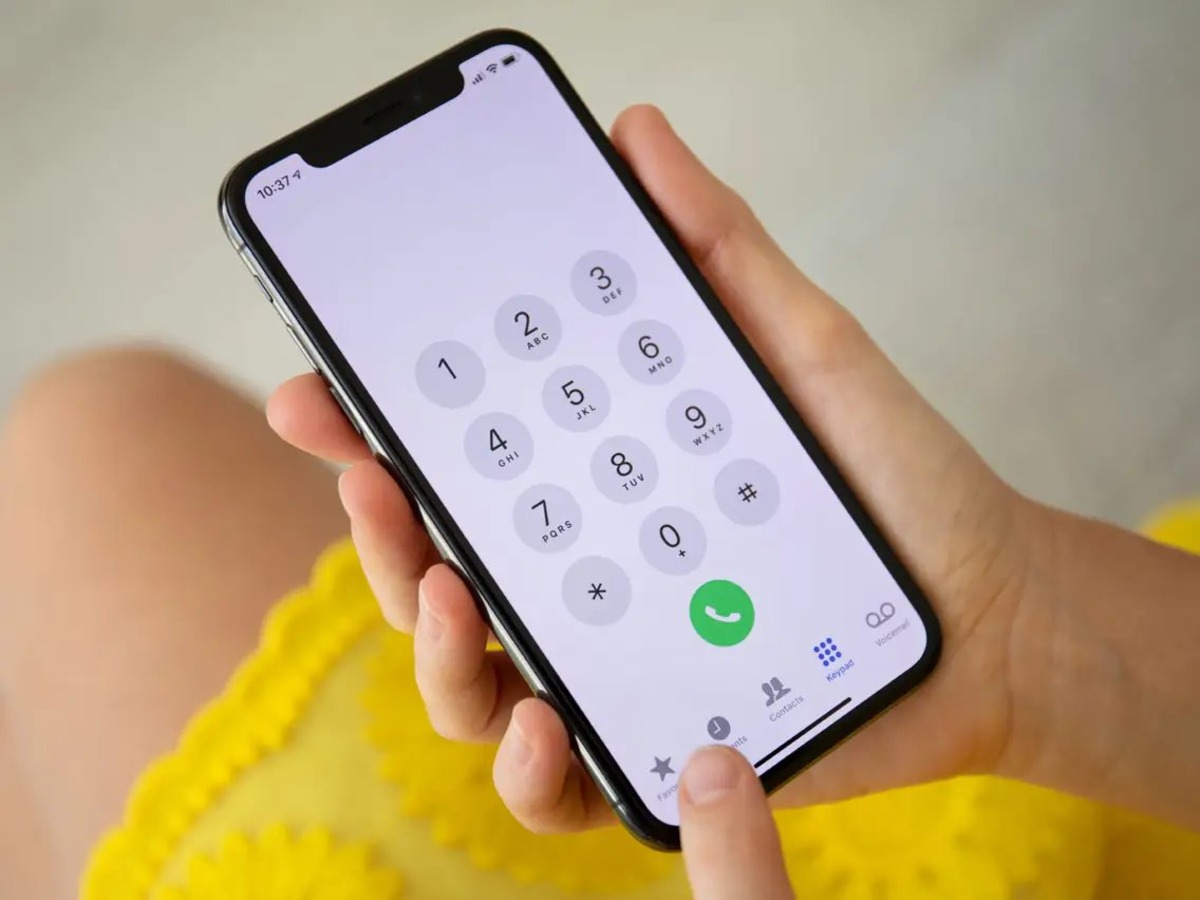
Most modern touchscreens are capacitive, meaning they detect electrical impulses from conductive materials, such as a human finger. Any electrically conductive material can potentially work as a stylus for a capacitive touchscreen. This immediately debunks the myth that a regular pen or pencil works; they are not electrically conductive and will not register input. Using a pen or pencil may work on devices with a resistive touch screen that requires pressure to register input. Understanding this principle is the key to finding viable alternatives when you need a quick, temporary solution.
Quick Makeshift Styluses You Can Find Right Now
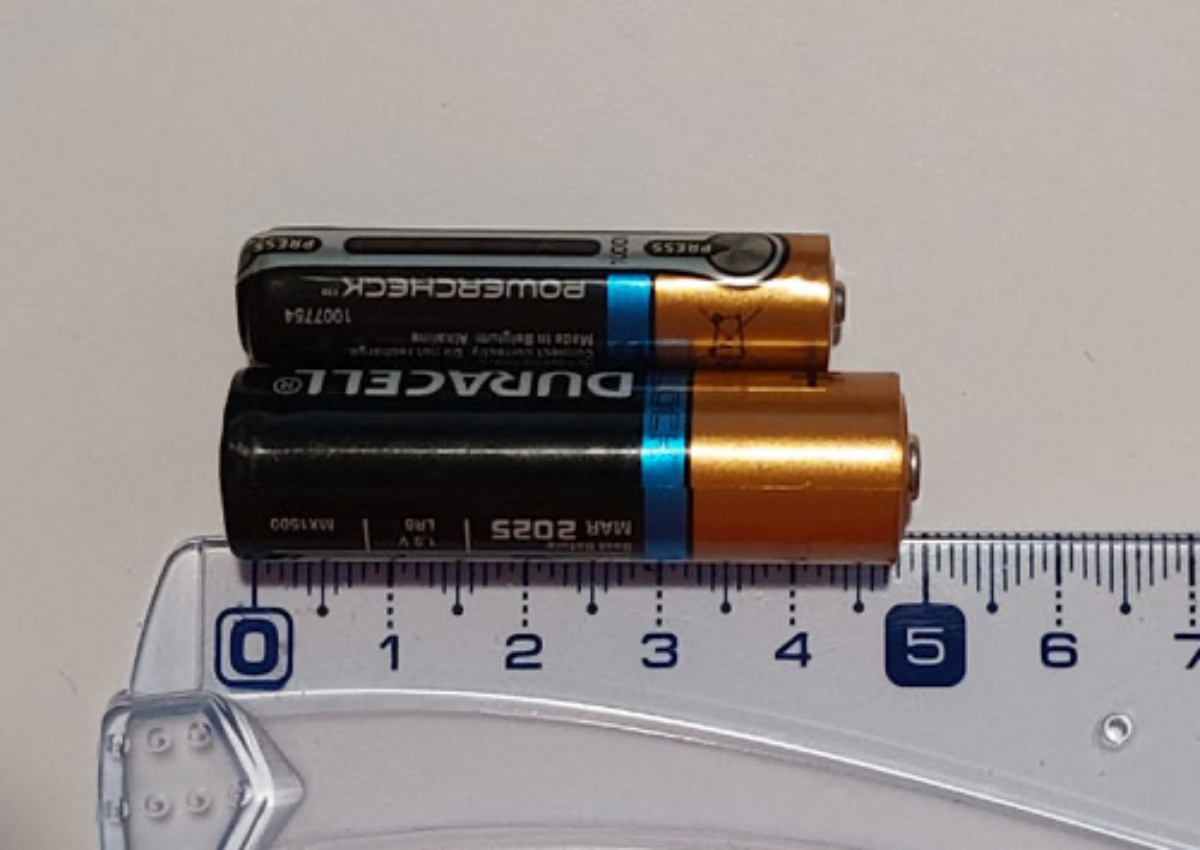
Several everyday conductive items require zero or minimal modification to function as a stylus. A banana, with its conductive skin, can be used by touching the peel to the screen. A metal spoon, held in your hand, will transfer your body's charge to its tip. A AA battery, used by touching the positive terminal to the screen while holding the battery body, can also work. A bobby pin with a rounded tip can work as a makeshift stylus. A ballpoint pen with a retractable tip can work as a makeshift stylus. The key is that your hand must be in contact with the conductive material for the screen to detect the electrical impulse.
How to Make a 2-Minute DIY Stylus with a Pen and Foil
To transform a non-conductive pen or pencil into a working stylus, follow these steps:
- Cut a small piece of aluminum foil, roughly two inches square.
- Wrap the foil tightly around the tip of the pen or pencil, ensuring it covers the tip completely.
- Extend the foil down the side of the pen or pencil so that it will make contact with your hand when you hold it.
- Secure the foil with a small piece of tape, leaving the foil-covered tip exposed.
- Test the stylus on your screen; the foil conducts the electrical charge from your hand to the screen.
Crafting a More Durable DIY Stylus
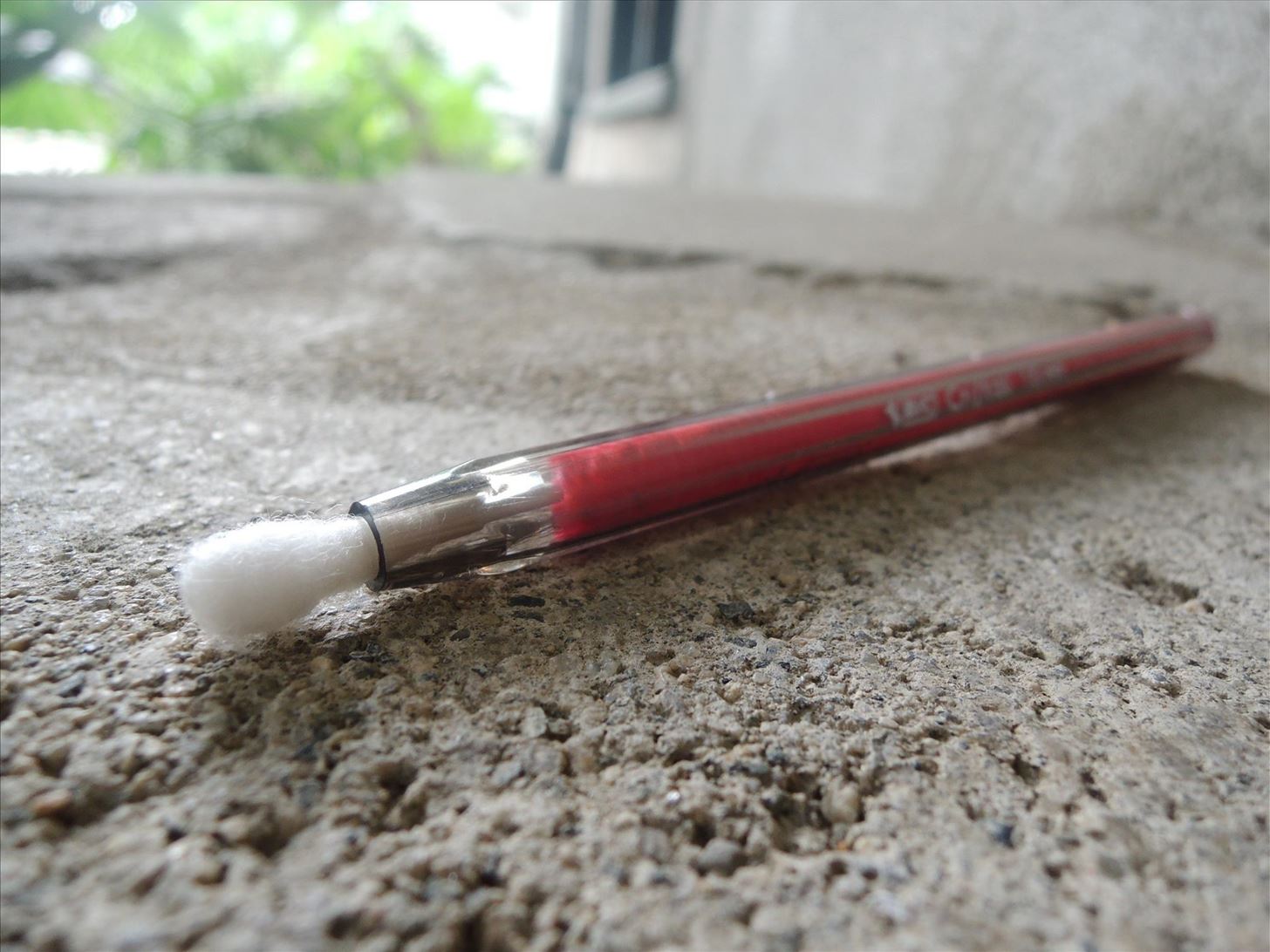
For a longer-lasting homemade stylus, use other conductive materials. Common materials used in commercial passive styluses include conductive foam, conductive rubber, and conductive fiber. You can attach a small piece of conductive foam to the tip of a pen or a stick. Conductive thread can be wrapped around a non-conductive core and then connected to a metal band that touches your hand. A damp sponge, squeezed to remove excess water and wrapped in a thin cloth, can also work as a conductive tip. Conductive paint can be used to create a DIY stylus. Capacitive stylus nibs harvested from old devices can be used to craft a DIY stylus. Copper tape can be attached to a stylus-like structure to create a functional stylus. A sponge tip can be used to create a DIY stylus. An aluminum can can be used as a material to create a stylus. A cotton swab can be used as a material to create a stylus. These materials provide a smoother, more reliable experience than foil.
A Quick Warning About Your Screen
Only use materials with a smooth, non-scratching surface to avoid damaging your touchscreen. Sharp edges, rough metals, or hard plastics can permanently scratch the glass. Before using any makeshift stylus, inspect the tip for any burrs, sharp points, or abrasive textures. If the material feels rough, do not use it on your screen.
Frequently Asked Questions
Can I use my finger as a stylus?
Yes, your finger is the most readily available stylus. Most touch-screen devices are designed to be responsive to finger input. However, using a finger may not provide the same precision as a dedicated stylus for detailed tasks like drawing or writing.
Are dedicated styluses better?
Yes, dedicated styluses are generally better for precision, comfort, and durability. They are specifically designed with conductive tips that glide smoothly across the screen without scratching. For a thorough understanding of their features, explore resources on stylus pen usage and basics.
Can I make a stylus at home?
Yes, making a DIY stylus at home is a simple project. One popular method involves wrapping a small piece of aluminum foil around the tip of a pencil and securing it with tape. The metal from the foil acts as a conductor, allowing the pencil to work on capacitive touchscreens.
Can I use a stylus on any touch-screen device?
Most modern touch-screen devices with capacitive screens, including smartphones and tablets, work with a stylus. However, some older or resistive touch screens may not be responsive to stylus input. Always check the compatibility of a stylus with your specific device before use.
What materials are used in commercial styluses?
These materials are chosen for their durability, smoothness, and reliable conductivity, making them superior to most household alternatives.