




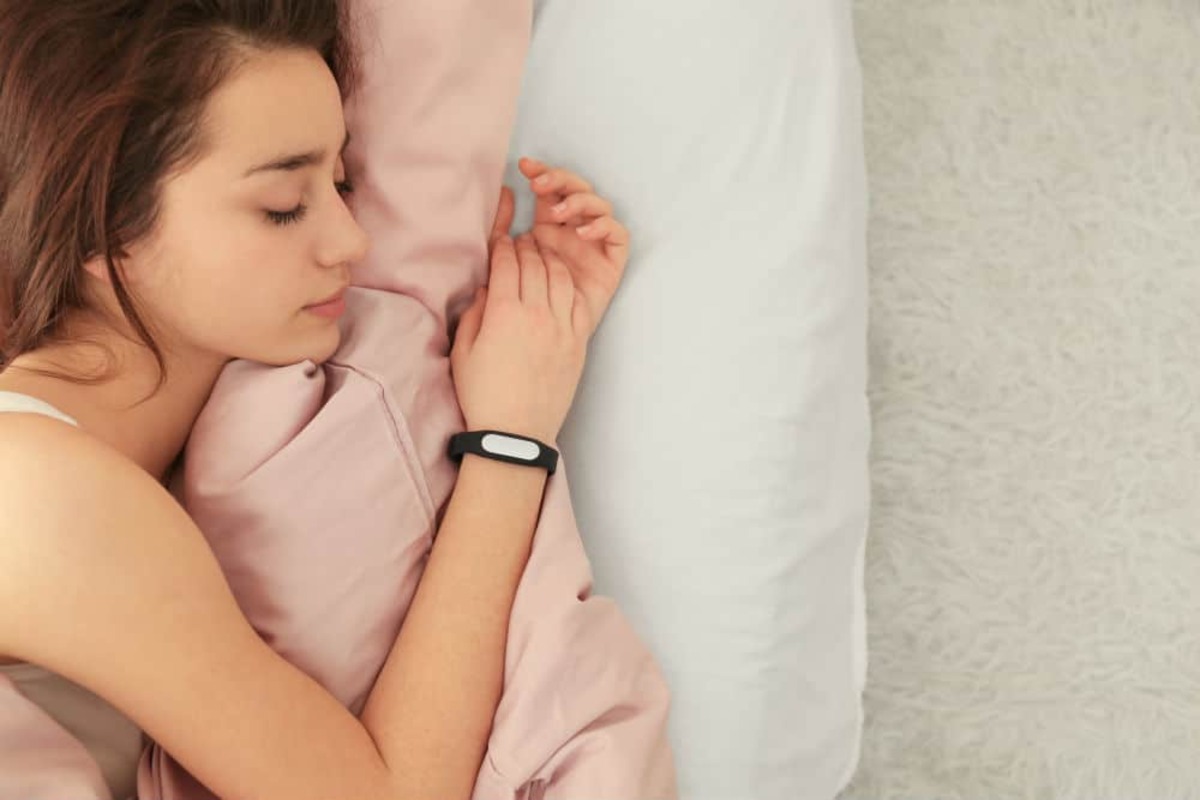
Fitbit knows when you are sleeping by combining movement data from its accelerometer with heart-rate data and restlessness measurements to automatically detect sleep without you needing to press any buttons or enter a sleep mode. This automatic detection works on many devices, so you simply wear your Fitbit to bed and it begins tracking.
How does Fitbit know when you are sleeping
Fitbit’s built-in accelerometer monitors your movement throughout the night, recording even tiny motions to distinguish between wakefulness and sleep. The device tracks the duration and intensity of your movements, using a reduction in movement to identify when you are asleep. Fitbit can sense your breathing patterns and variations in your heart rate. A Sleep sensitivity setting changes how this movement is interpreted, allowing you to adjust how sensitive the device is to detecting restlessness. Fitbit also offers smart wake functions that use the sleep monitoring data to wake you up at the optimal time within a preset window.
To adjust Sleep sensitivity on an iPhone:
- If you sign in with your Google Account: from the Today tab in the Fitbit app, tap your profile picture, then Fitbit settings > Preferences > Sleep > Sleep sensitivity.
- If you sign in with your Fitbit login: from the Today tab in the Fitbit app, tap Settings > Preferences > Sleep > Sleep sensitivity.
Fitbit’s manuals confirm the device tracks movement during the night to understand sleep quality. The accelerometer also differentiates between restless movements and significant ones, such as getting out of bed, to ensure accurate sleep tracking data.
The role of heart-rate data in your sleep score
Fitbit calculates your sleep score by combining sleeping heart-rate data, time asleep, and restlessness throughout the night. Heart-rate data gathered continuously during sleep helps determine sleep quality and stages, including light, deep, and REM sleep. HRV is a measure of the variations in intervals between consecutive heartbeats, providing insights into the body's autonomic nervous system activity, stress levels, and overall health. Fitbit leverages sophisticated algorithms to analyze heart rate data gathered throughout the day, including both waking and sleeping hours, to assess HRV. Fitbit can detect patterns in your HRV during sleep to identify specific sleep stages. To view your sleep score after syncing:
- Wear the device to bed.
- Sync it when you wake up.
- From the Today tab in the Fitbit app, tap the Sleep duration tile.
This process works the same on both iPhone and Android. The sleep score gives you a single number that reflects the quality of your rest, incorporating your heart rate, movement, and restlessness into one metric.
Fitbit devices that support automatic sleep tracking
Several Fitbit devices support automatic sleep tracking. Documented examples include:
- Charge HR, automatically tracks sleep and movement during the night.
- Charge 2, automatically tracks time asleep and sleep quality.
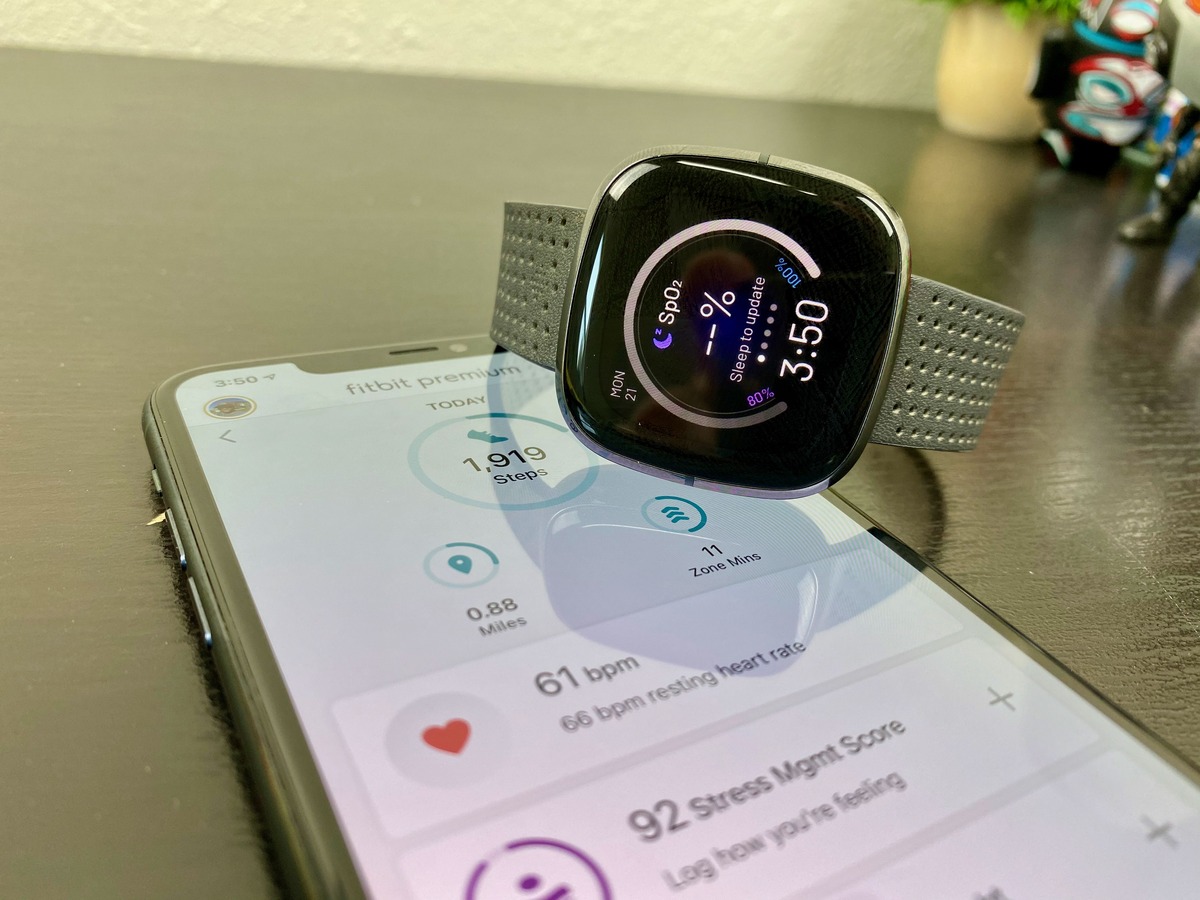
- Fitbit Sense 2 and Versa 4, show sleep score details via the Sleep tile from the clock face.
- Google Pixel Watch series, uses the Fitbit Today app to display sleep score.
- Other Fitbit devices, swipe up from the clock face to view sleep score.
All these devices rely on the same combination of movement and heart-rate data to detect sleep automatically, without requiring you to manually start or stop tracking.
Frequently Asked Questions
How accurate is Fitbit’s automatic sleep detection?
Fitbit’s sleep tracking is generally reliable for estimating sleep duration and quality, but like any wearable, it may not match medical-grade sleep studies exactly. Factors like proper device fit and personal sleep habits can influence accuracy.
Does Fitbit track sleep stages automatically?
Yes, Fitbit devices track light, deep, and REM sleep stages by analyzing your movement and heart-rate patterns throughout the night. This data appears in your sleep score and sleep duration tile after syncing.
Can I manually start or stop sleep tracking on Fitbit?
On devices with automatic sleep tracking, no manual start or stop is needed. Some older Fitbit models may offer a manual sleep mode, but most current devices detect sleep automatically when you wear them to bed.
What do Fitbit sleep scores mean?
Your sleep score is a number calculated from your sleeping heart-rate data, time asleep, and restlessness. It helps you quickly assess the overall quality of your night’s rest compared to your personal baseline.
How do I view my sleep data on a Fitbit device?
On Sense 2 and Versa 4, open the Sleep tile from the clock face. On Google Pixel Watch, use the Fitbit Today app. On other Fitbit devices, swipe up from the clock face. All sleep data is also available in the Fitbit app after syncing.
Fitbit sleep tracking is intended for informational purposes only and should not replace professional medical advice. Understanding how Fitbit knows when you are sleeping helps you get the most from its Fitbit features and metrics, giving you actionable insights into your rest without any extra effort on your part.