



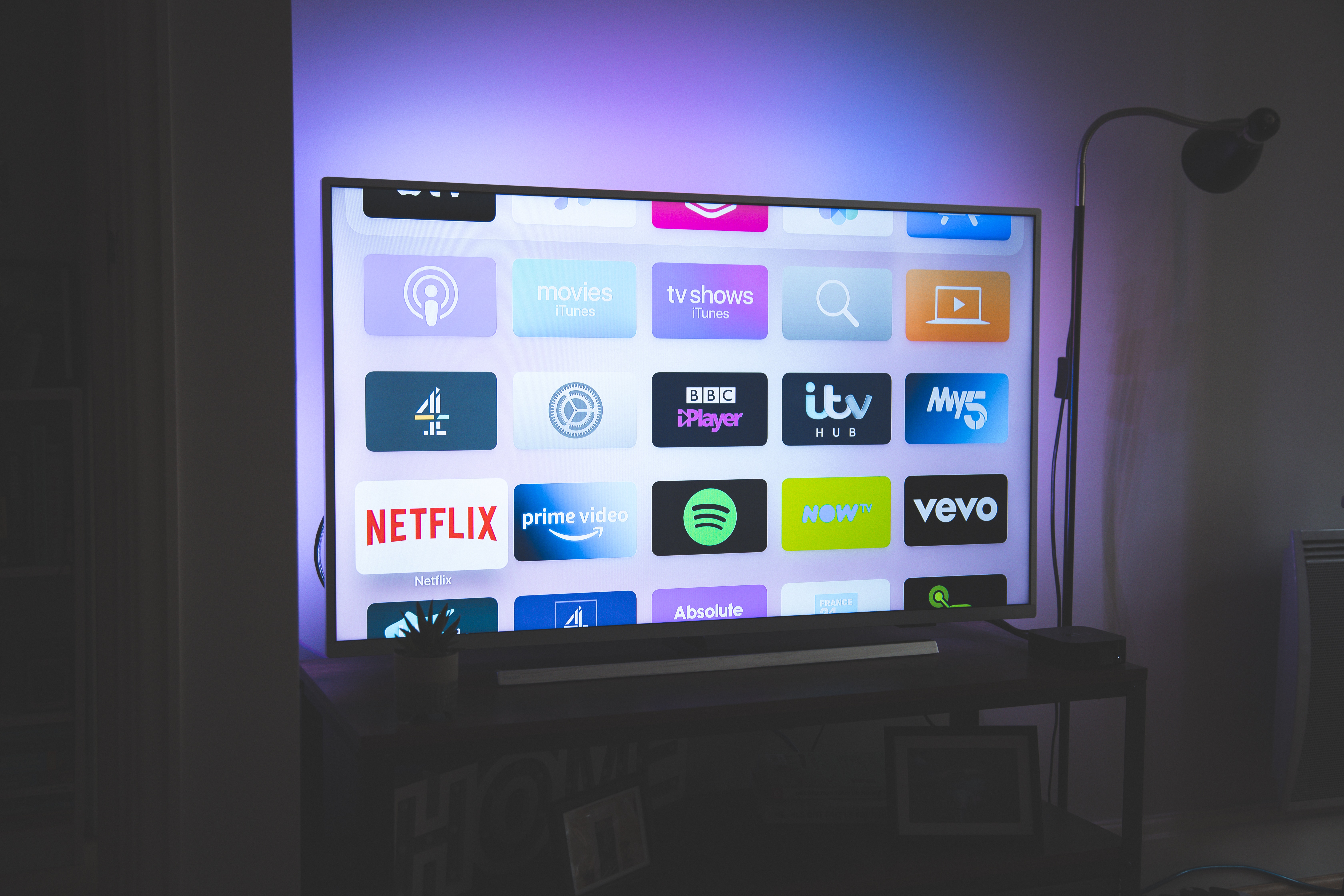
To cast Android to TV, you can use a wireless standard like Chromecast or Miracast, or a wired USB-C to HDMI connection. The right method depends on your TV's features and whether you want to mirror your entire screen or just stream from a specific app. For most people, casting your phone to a TV with Chromecast is the most straightforward wireless option because it works with a dedicated dongle or is often built directly into newer televisions.
How to cast Android to TV wirelessly with Chromecast
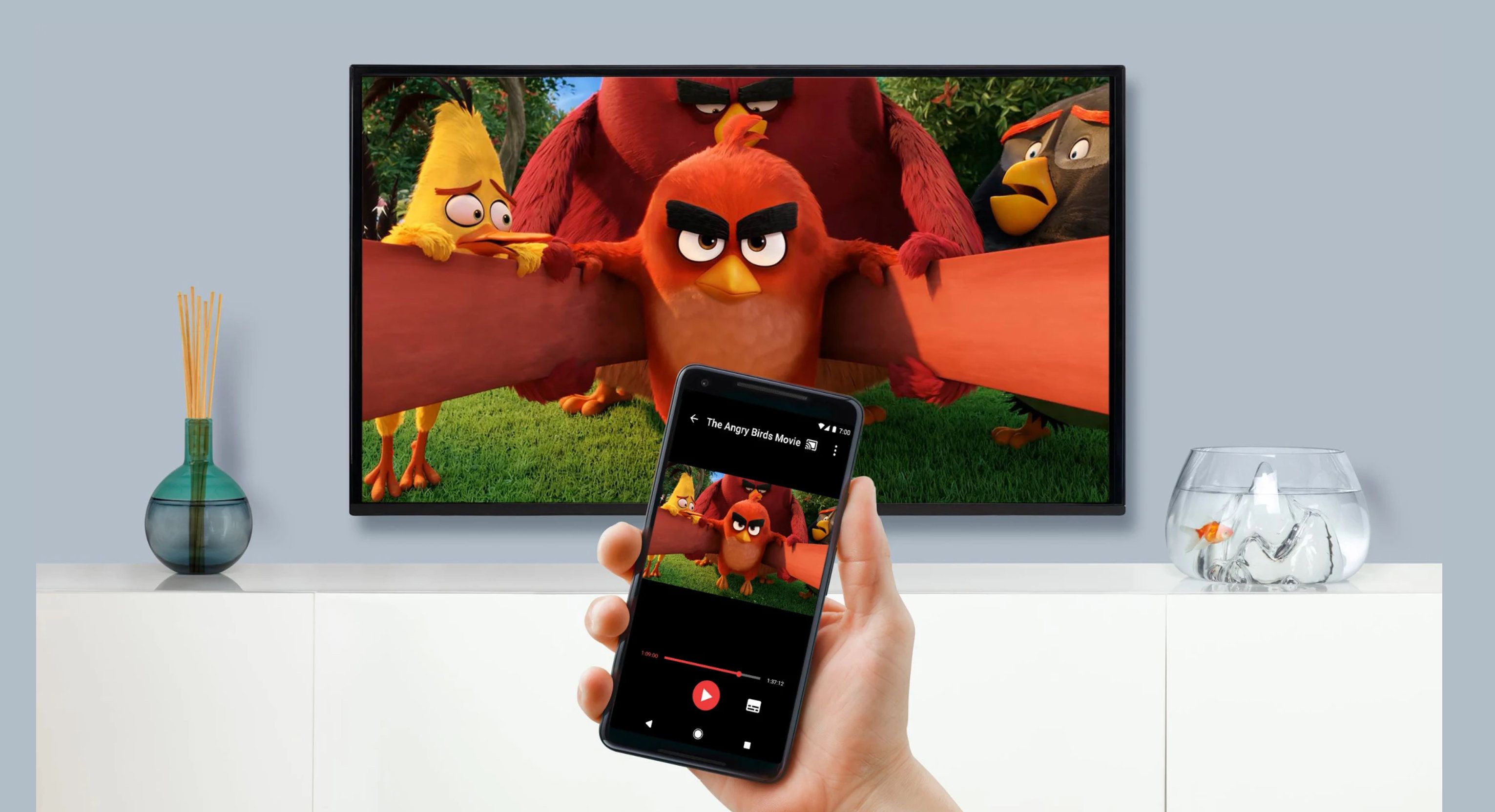
Chromecast is Google’s wireless standard for sending content from your Android device to a TV. It works with a dedicated Chromecast dongle or is built into many modern TVs. To begin, install the Google Home app on your Android device, open it, and follow the on-screen instructions to set up your Chromecast and connect it to your Wi-Fi network. Both your Android device and the Chromecast or Chromecast-enabled TV must be connected to the same Wi-Fi network for casting to work.
Once set up, casting specific content is simple:
- Open a Chromecast-enabled app on your Android device, such as YouTube or Netflix.
- Tap the Cast icon (a square with three lines) located in the top-right corner of the app screen.
- Select your TV from the list of available devices.
This method is ideal for streaming video content because the app handles the connection directly, often resulting in less delay than full screen mirroring. You can also cast your entire Android screen using the Google Home app, but the direct app casting method is usually more reliable for video.
How to use Miracast for screen mirroring
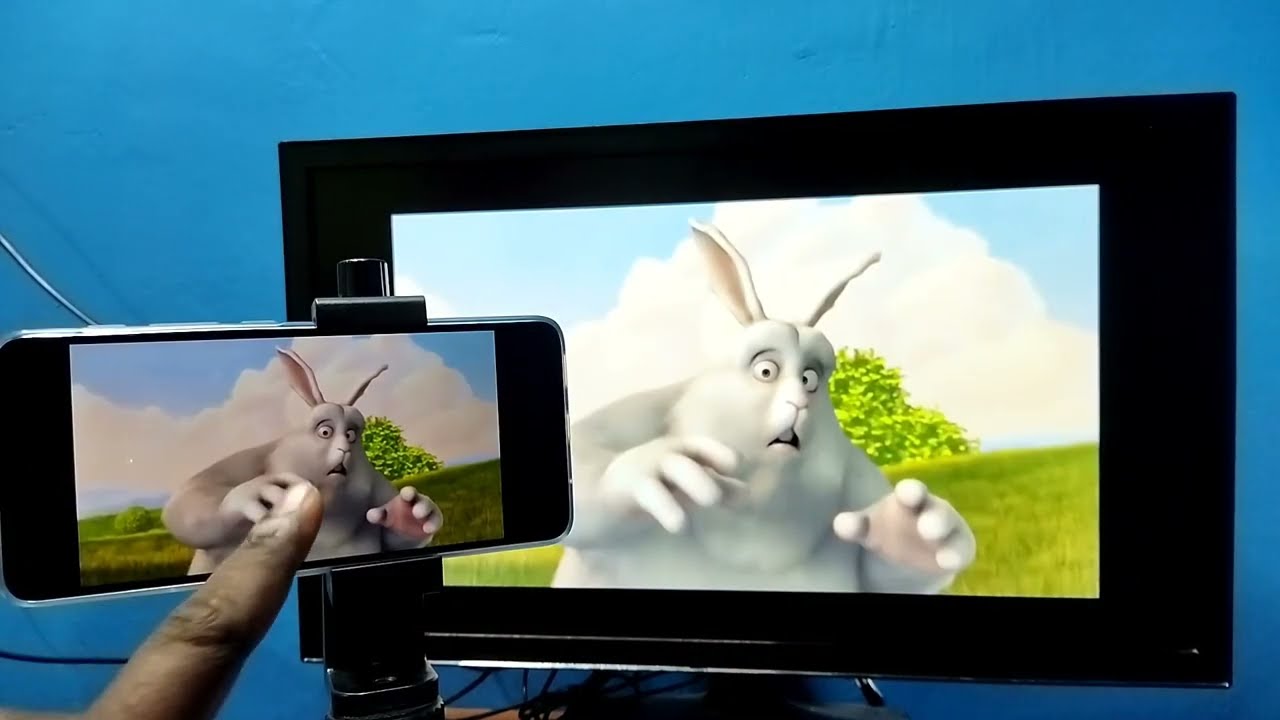
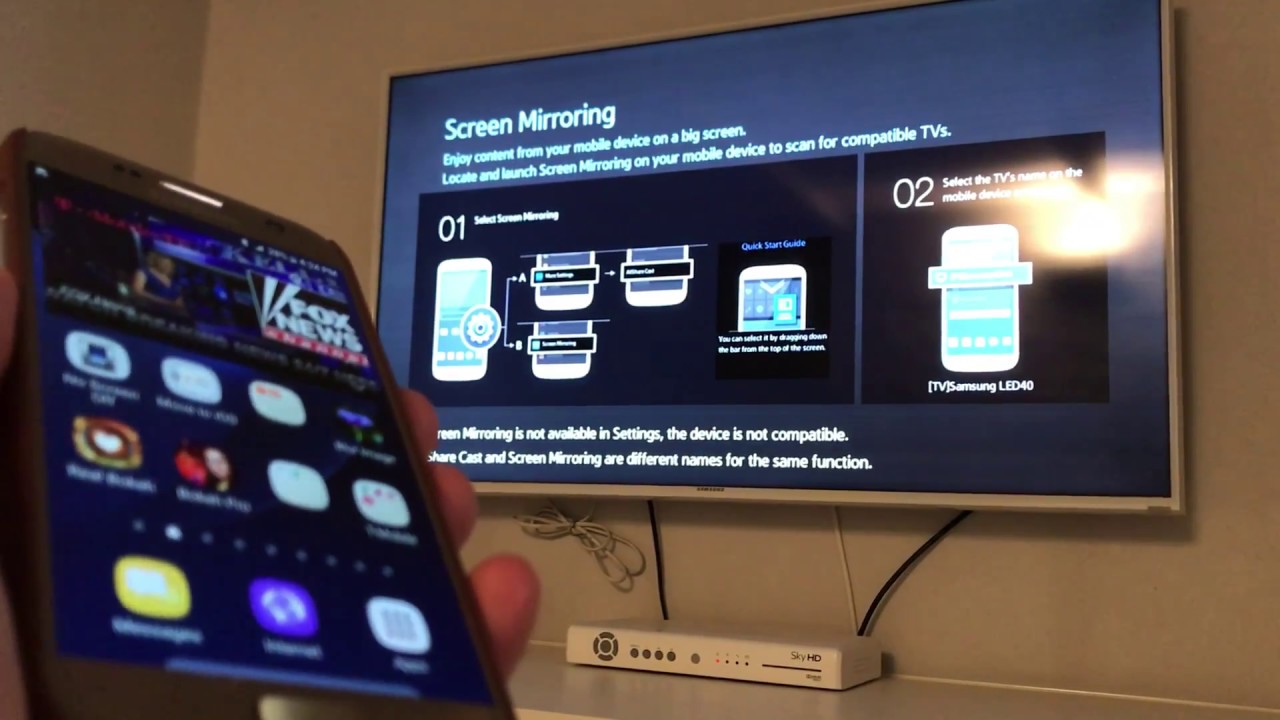
Miracast is a wireless display standard that uses Wi-Fi Direct to create a direct connection between your Android device and a compatible TV for screen mirroring, often without needing a traditional Wi-Fi network. This is useful when you want to mirror your phone's entire screen, including apps, photos, or presentations, to a TV that supports Miracast but may not have Chromecast built in. Samsung Smart View is a proprietary screen mirroring function that works similarly.
To initiate Miracast on your Android device:
- On your TV, enable the "Screen Mirroring" or "Miracast Display" option, which may be found in the TV's settings or input sources.
- On your Android device, open the Quick Settings panel by swiping down from the top of the screen to find the Cast or Screen Mirroring option.
Because Miracast uses Wi-Fi Direct, it creates a point-to-point connection that doesn't rely on your home network. This can be handy in environments where Wi-Fi is unreliable, but it may introduce slightly more latency than Chromecast when mirroring video-heavy content.
How to connect Android to TV with an HDMI cable
For a stable, low-latency connection, a wired option is the most reliable. Check if your Android device supports video output over its charging port before using an HDMI cable; you may need a compatible adapter or cable. You can connect your Android phone directly to your TV using an HDMI cable and a USB-C to HDMI adapter (or Micro-USB for older Android models). This method is perfect for gaming, watching downloaded content, or giving presentations where you need a lag-free experience.
- Connect the USB-C end of the adapter to your Android phone.
- Plug one end of the HDMI cable into the adapter, and the other end into an available HDMI port on your TV.
- Switch your TV's input source to the HDMI port where your phone is connected.
Your Android device's screen should now be mirrored on the TV. You can navigate through your device, play videos, and run apps on the big screen. This wired connection requires no Wi-Fi setup and works with any TV that has an HDMI port, making it a universal fallback if wireless casting fails.
Troubleshooting common Android casting problems
If your TV does not appear as an available device when casting, first ensure both your Android device and TV are connected to the same Wi-Fi network. Also, verify that your TV's casting or mirroring feature is enabled and updated to the latest firmware. For Chromecast, make sure the Google Home app shows your device and that both devices are on the same network.
For connection drops or lag, try the following steps:
- Restart your Android device and your TV to refresh the connection.
- Update the firmware on your TV and the Android operating system to the latest version.
- If using Miracast, ensure both devices support the same casting technology (Chromecast or Miracast).
- For wired connections, try a different HDMI cable or port if you encounter issues.
If you are experiencing lag specifically when mirroring your entire screen, remember that some delay is normal. Casting from a specific app (like YouTube) usually performs better because the app handles the stream directly.
Frequently Asked Questions
Can I cast my Android phone to a TV?
Yes, most modern Android smartphones have built-in casting functionalities.
Do I need any additional hardware to cast my Android phone to a TV?
In most cases, no. If your TV has built-in Chromecast or Miracast, you only need your phone. For older TVs, a dedicated Chromecast dongle or a USB-C to HDMI adapter may be required.
Can I cast specific apps or just my phone's screen?
You can do both. Screen mirroring casts your entire Android screen, while many streaming apps like Netflix and YouTube have a built-in Cast icon that sends content directly to the TV without mirroring the whole screen.
Is there any delay or lag when casting my Android phone to a TV?
There can be minimal delay, especially when mirroring the entire screen. The latency depends on network stability and device compatibility. Casting from a specific app usually results in less lag than full screen mirroring.
Why won't my TV show up when I try to cast?
Ensure both devices are on the same Wi-Fi network and that your TV's casting feature is enabled. Restarting both devices and updating their firmware often resolves the issue.
Related reading: How To Connect Android To TV and How To Cast Moto G To TV.