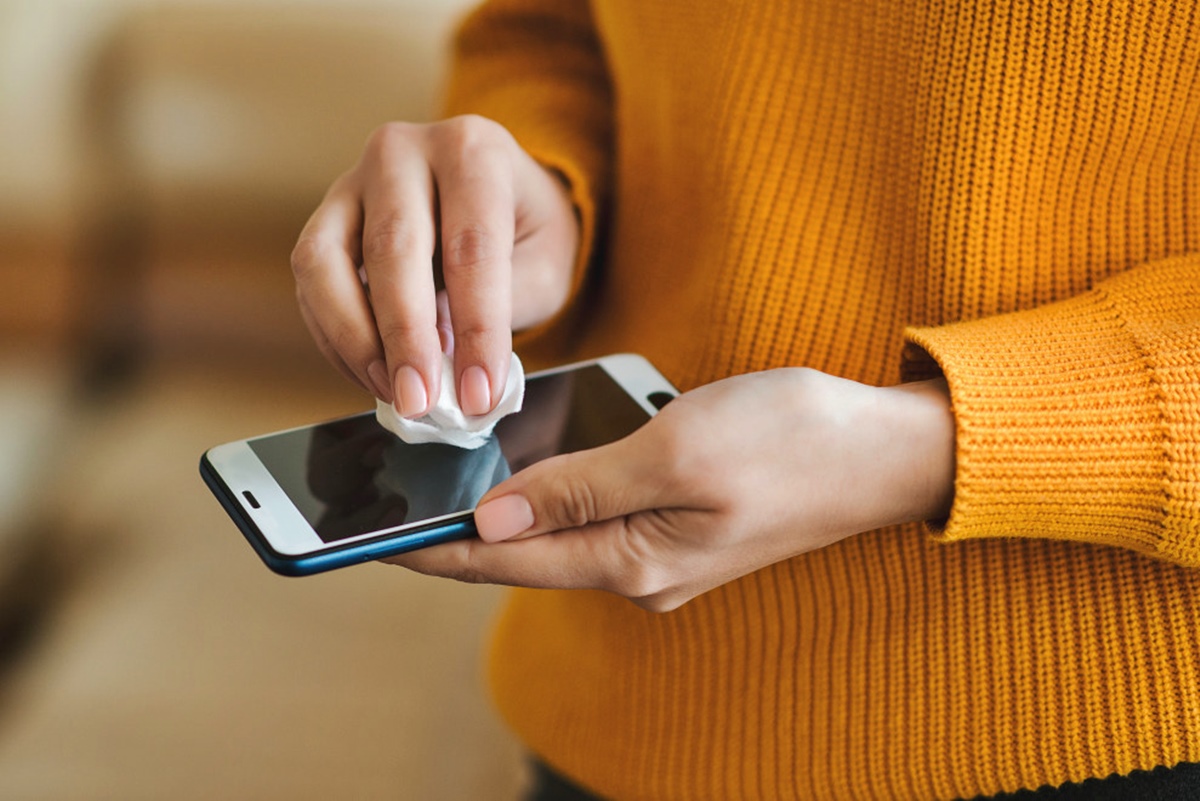
To safely remove dust from phone speaker grilles and restore muffled or distorted sound, use a clean, dry, small, soft-bristled brush on the speaker opening. This is the only physical cleaning method Apple documents for iPhone, and it avoids the damage that other methods can cause.
Why removing dust from your phone speaker matters
Dust particles that settle into the speaker grille block sound waves, leading to muffled or distorted audio and reduced volume. Over time, heavy buildup can strain the speaker diaphragm, potentially causing premature wear. Gentle cleaning preserves audio quality and extends the life of the speaker, while also preventing the grille from becoming a breeding ground for bacteria and allergens.
Before you clean: check these settings first
Before attempting any physical cleaning, rule out software issues. On iPhone, go to Settings > Focus > Do Not Disturb and make sure Do Not Disturb is off. Then open Settings > Sounds & Haptics and drag the Ringtone and Alerts slider back and forth a few times. If sound plays normally, the speaker hardware is likely fine. If the speaker button on that slider is dimmed or no sound plays, the speaker may need service rather than cleaning.
How to remove dust from phone speaker with a soft brush
- Remove any cases, screen protectors, or films from your phone.
- Make sure the brush is clean and dry. Use only a small, soft-bristled brush.
- Gently brush the speaker opening to dislodge dust and debris.
- Also check the receiver (the earpiece speaker at the top of the phone) and brush it if blocked or dirty.
This method is the only physical cleaning approach Apple documents for iPhone speaker openings. It is safe, effective, and does not risk pushing debris deeper into the device. Samsung Galaxy Store has a third-party 'Speaker Cleaner' app, but no manufacturer support guidance or documented model limits were found.
What to avoid when cleaning your phone speaker
These methods can force dust further into the speaker, damage the delicate mesh, or introduce moisture that harms internal components. For Apple Watch, a separate rule set explicitly warns against heat, compressed air, sprays, and sharp objects in the microphone or speaker ports. For Apple Watch Series 10 or later, use a soft bristle brush to remove debris gently from the speaker ports. Stick to the dry soft-bristled brush method for your phone.
When to get your phone speaker serviced
If after cleaning, the speaker button in Settings > Sounds & Haptics is dimmed or no sound plays, Apple indicates the speaker might need professional service. Do not attempt further home cleaning or use unapproved tools. Contact an authorized service provider to assess and repair the hardware.
Frequently Asked Questions
Why does dust accumulate in my phone speaker?
Dust enters through the speaker and microphone grilles during everyday use, especially in dusty environments or when the phone is carried in pockets and bags without a case.
Can dust permanently damage my phone speaker?
Prolonged dust buildup can strain the speaker diaphragm, leading to reduced volume or distorted sound, but gentle cleaning with a soft brush usually restores performance. If the speaker fails after cleaning, internal damage may have already occurred.
Is it safe to clean my phone speaker with a toothbrush?
Only if the toothbrush has very soft bristles and is clean and dry. Even then, use a light touch to avoid scratching the grille or pushing debris inside. A dedicated small, soft-bristled brush is safer.
What should I do if cleaning doesn't fix the sound?
If the speaker button is dimmed or no sound plays after cleaning, the speaker likely needs professional service. Do not try compressed air, tape, or liquids, as these can cause further damage.
Can I clean my phone speaker with alcohol wipes?
Apple says you may gently wipe exterior surfaces with a 70 percent isopropyl alcohol wipe, 75 percent ethyl alcohol wipe, or Clorox Disinfecting Wipes, but do not apply liquid directly into the speaker grille. For grille debris, stick to the dry soft-bristled brush method.
For the wider topic, see cleaning phone cases and grips.