




Your phone speaker volume is low because something is physically blocking the sound, a software setting is limiting the output, or the speaker itself is damaged. The three main causes are a blocked speaker grille, a misconfigured audio setting, or a hardware failure, and each has a specific fix you can try before considering a repair.
Why your phone speaker volume is so low
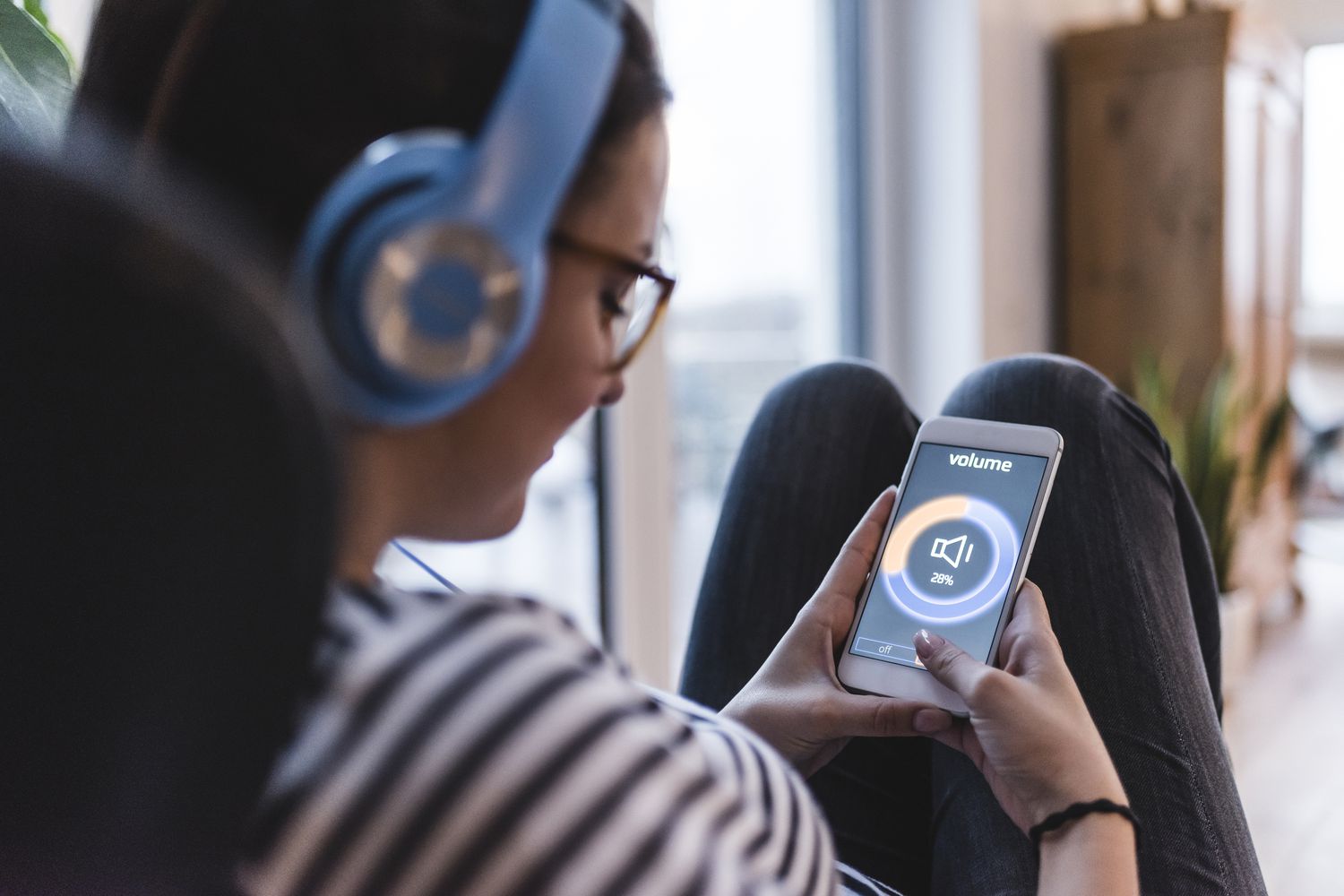
Low phone speaker volume is usually caused by a blocked speaker grille, audio settings that lower output, Bluetooth routing, or a hardware fault. Before assuming the worst, work through these troubleshooting steps in order, as the most common fix, cleaning, takes less than a minute.
First, remove the case and clean your speaker grille
Dirt, lint, or a case blocking the speaker or receiver opening is the most frequent cause of low volume. Apple says to remove all screen protectors, films, or cases, then check whether the speaker opening is blocked or dirty. On iPhone, also inspect the receiver opening, since that can be blocked or dirty too. On iPhone, check whether the receiver opening is blocked or dirty, as Apple specifically documents this as a separate check from the speaker opening.
- Take off any case or screen protector.
- Look at the speaker grille and, on iPhone, the receiver opening at the top of the screen.
- Clean the openings with a small, soft-bristled brush that is clean and dry. Do not use liquids or sharp objects.
If the volume improves after cleaning, you have solved the problem. If not, move on to checking your sound settings.
Check these iPhone sound settings
Apple’s documented checks include going to Settings > Sounds or Settings > Sounds & Haptics and moving the Ringer and Alerts slider back and forth. If the speaker button on that slider is dimmed, Apple says the speaker may need service.
- Go to Settings > Sounds & Haptics and adjust the Ringer and Alerts slider. Make sure it is not set to zero. If the speaker button on the Ringer and Alerts slider is dimmed, Apple says the speaker may need service.
- Check Settings > Accessibility > Audio & Visual > Balance. If the slider is all the way to one side, center it so audio plays equally from both speakers.
- Check Settings > Accessibility > Audio & Visual > Reduce Loud Sounds under Built-In Speaker. If enabled, it may be limiting maximum volume. Try turning it off.
- Go to Settings > Focus and make sure Do Not Disturb is off, as it can silence calls and alerts. Apple says to check Settings > Focus > Do Not Disturb should be off if calls or alerts seem quiet or missing.
If you have adjusted all the above and still hear no sound, static, or crackling, the speaker may need service.
Check these Android and Samsung sound settings
On Samsung phones, call volume can be adjusted during a call only, using the volume up/down buttons. If your in-call volume is low, start or receive a call, then press the volume up button to raise it. For general media volume, check your quick settings panel or Settings > Sound to ensure media volume is turned up. Also verify that Do Not Disturb mode is off in Settings > Notifications or Settings > Sound. If you use a third-party equalizer app, disable it temporarily to see if it is lowering output.
For Android more broadly, the retrieved official Google result was for Sound Amplifier, which is an accessibility feature for amplification with headphones, not the phone’s built-in speaker. The official Google Sound Amplifier feature is for amplification with headphones, not the phone's built-in speaker. The retrieved Google page does not document a built-in speaker-volume fix path for low speaker output, so focus on the general volume, mute and speaker controls in your device’s sound settings.
Make sure audio isn't sent to a Bluetooth device
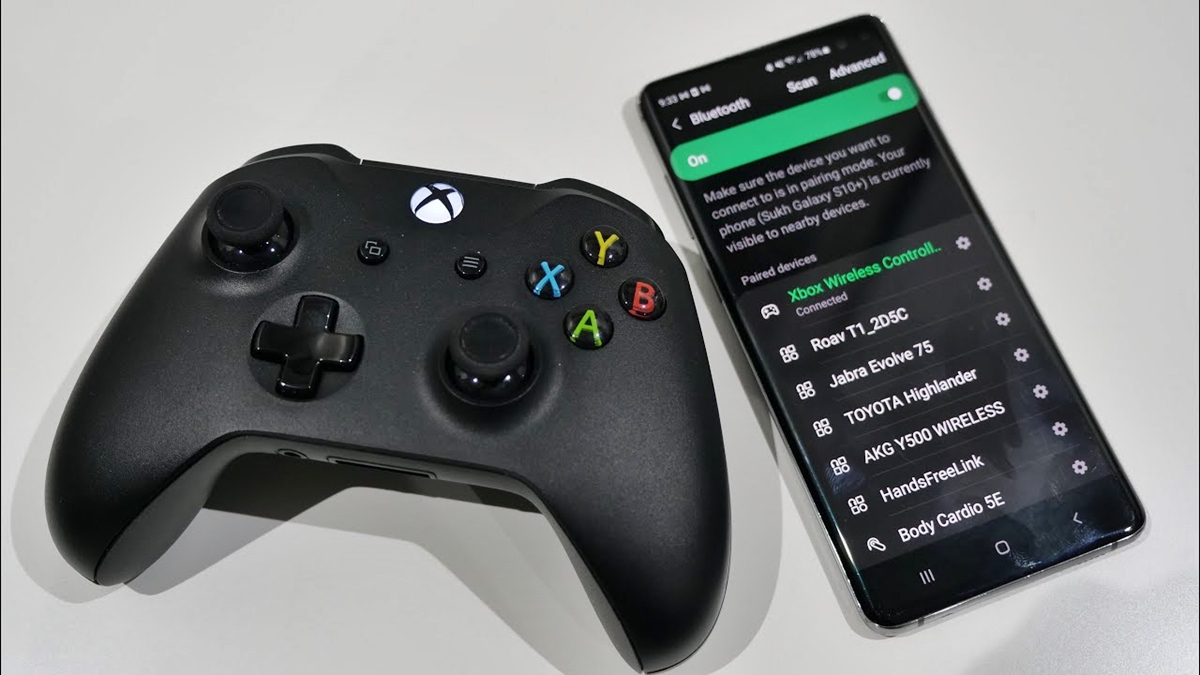
An often-overlooked step is checking whether your phone is sending audio to a Bluetooth speaker, headphones, or car kit instead of the built-in speaker. Open your Bluetooth settings and either turn Bluetooth off completely or disconnect any paired devices. Then test the speaker volume again. If the sound returns, you know audio was being routed elsewhere.
When it's a hardware problem
If you still hear no sound, static, or crackling after cleaning and checking all settings, the speaker may have a hardware fault. Apple says that unresolved speaker problems may require replacement of specific parts on certain models, including the top speaker on iPhone 13 and later, and the bottom speaker or USB-C connector on iPhone 15, iPhone 15 Plus, iPhone 16, iPhone 16 Plus, iPhone 16 Pro, iPhone 16 Pro Max, and iPhone 16e. Signs of hardware failure include crackling, distorted audio, or no sound at all after all software checks are complete. In these cases, contact the manufacturer or an authorized service provider.
Frequently Asked Questions
Can I use headphones or external speakers as a workaround?
Yes. Connecting headphones or an external Bluetooth speaker bypasses the phone’s built-in speaker entirely, giving you full volume through those devices. This is a temporary fix while you troubleshoot or arrange a repair.
Is it safe to clean the speaker with compressed air?
Apple recommends using a small, soft-bristled brush that is clean and dry. Compressed air can push debris deeper into the speaker or damage internal components, so it is not recommended.
Why is my phone speaker volume low only during calls?
On Samsung phones, call volume is adjusted separately from media volume. During a call, press the volume up button to raise it. On iPhone, check the Ringer and Alerts slider and ensure Do Not Disturb is off. If the issue persists, the receiver opening (the small grille at the top of the screen) may be blocked.
What does it mean if the speaker button is dimmed on iPhone?
This indicates a hardware problem that cannot be fixed by cleaning or adjusting settings.
Can a software update fix low speaker volume?
While a software update can resolve bugs that affect audio, the most common causes, blocked grilles and misconfigured settings, are not fixed by updates. Always try cleaning and checking settings first.