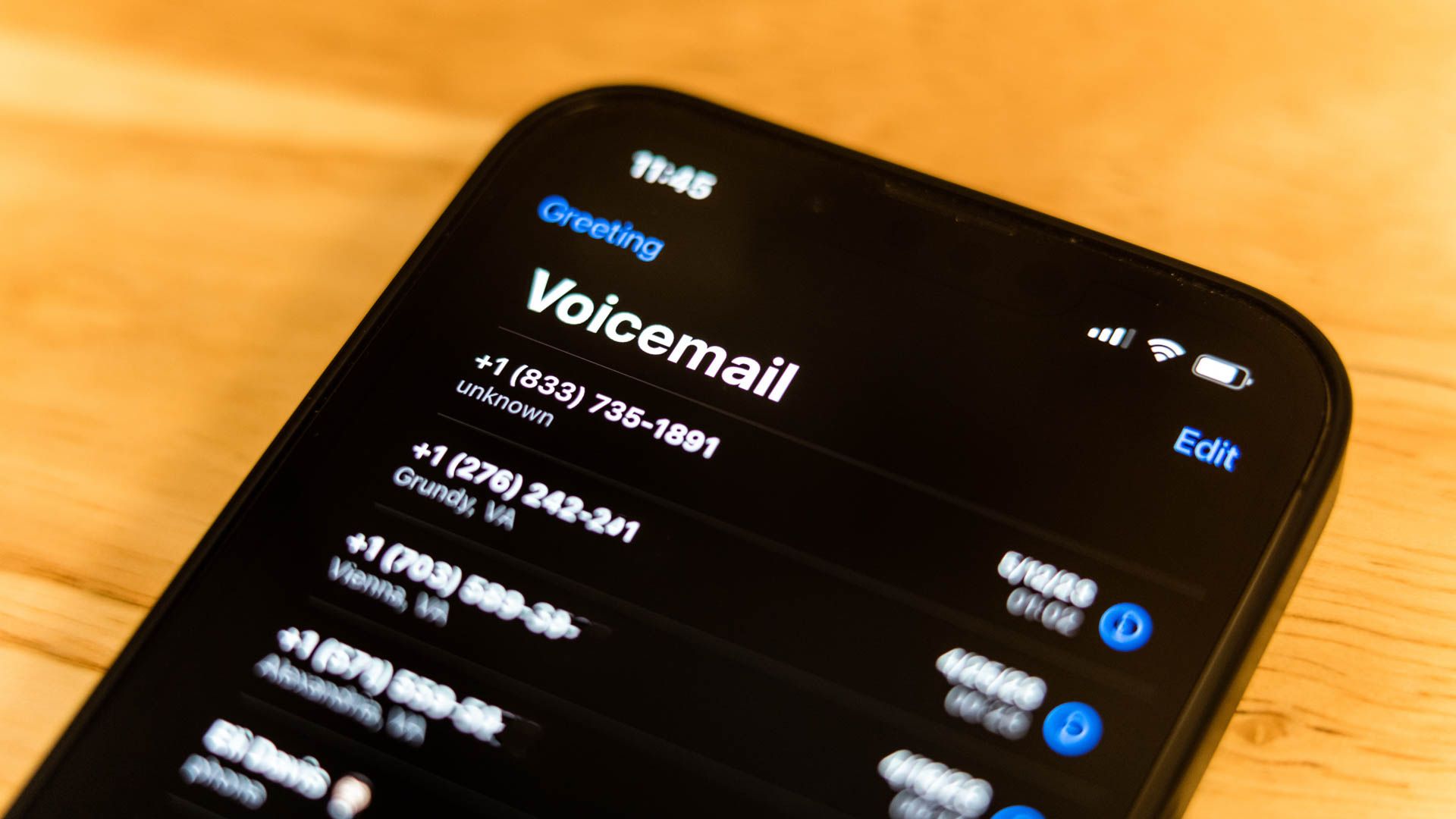





The second 3 numbers in a phone number are the exchange, also called the prefix. In a standard North American 10-digit number, these three digits sit directly after the area code and before the final four digits, forming the middle segment of the sequence.
What are the second 3 numbers in a phone number?
The second three digits in a North American phone number are known as the exchange or prefix. The exchange is also historically called the central office code. Under the North American Numbering Plan, a 10-digit number is structured as area code + exchange + line number. The first three digits identify the geographic region, the next three are the exchange, and the last four are the line number that connects to an individual subscriber. This structure helps organize phone number formats and digits, making it clear which part of the number handles routing versus identification.
The role of the exchange in routing calls
Historically, the exchange identified a specific central office switch within an area code. When a call was placed, the exchange directed it to the correct local switching station, which then used the final four digits to connect the individual line. Even with modern digital networks, the exchange still functions as a routing component, telling the network which local area within the larger region should handle the call before it reaches the specific subscriber. Area codes can carry historical and cultural significance, becoming part of local identity and heritage. Calls within the same area code are often considered local calls, while calls to numbers outside the area code may incur long-distance charges. As population and communication needs grow, new area codes are introduced to accommodate the increasing demand for phone numbers in a given area.
Is the exchange a setting on my iPhone or Android?
The exchange is a network routing component, not a device setting. No official Apple or Google support page documents a menu where a user can edit or define the exchange. Apple’s documented phone-number setting is limited to Settings > Apps > Phone > Show My Caller ID for hiding your number on outgoing calls. Google’s documented Android phone-number settings appear under Settings > Google > All services > Privacy & security > Phone number verification, which is for Assistant verification, not editing the exchange. If you need to know how many numbers in a telephone number are part of the exchange, the answer is always three in the North American plan, and those digits are assigned by the carrier, not the phone.
Frequently Asked Questions
What are the second 3 numbers in a phone number called?
They are called the exchange or prefix. Both terms refer to the three digits after the area code and before the line number.
Do iPhone or Android let you change them in settings?
No. No official Apple or Google support page documents a setting for changing the exchange. The exchange is part of the carrier’s routing infrastructure, not a user-configurable option on the device.
Are the terms different by country?
The terms exchange and prefix apply specifically to the North American Numbering Plan.
Related reading: What Is The Area Code In A Phone Number and What Is A New York Phone Number.