





What phone number formats actually are
Phone number formats determine how a structured identifier is segmented and dialed, and the role each segment plays depends entirely on how you are placing the call. A sequence that looks like a local number when dialed from across town becomes part of an international string the moment you add a calling code. In the United States, the leading ‘1’ people often see before an area code is the country code for the North American Numbering Plan, which is why it disappears when you dial locally. Before you worry about formatting, you first need to know what an alternative phone number mean in a practical sense: a secondary line that routes calls alongside your main identity without requiring a separate device.
Book a number that serves as a primary phone number for account verification. The right term to use depends on whether you are managing account recovery, routing calls, or identifying the physical line type, and knowing the distinction keeps you from mixing up a login credential with a hardware connection.
Secure a direct phone number that rings a specific desk or department and skip generic main lines when you need to reach one person reliably. Arrive at the correct dialing format by first identifying whether the line is a fixed phone number tied to a physical address. Use a proxy phone number when you want to mask your real digits during online transactions or dating apps, and treat a valid phone number as an active credential that passes carrier checks, not just a string of digits that fits a mask.
Memorize the structure of a prefix in a phone number before you attempt to dial internationally. The prefix sits after the nation’s calling code. Arrive at the dialing sequence by writing the plus sign, the nation’s calling code, the city or mobile prefix, and the local subscriber digits in one continuous string. Skip the trunk prefix, which is the leading zero used for domestic long-distance calls inside many territories, because it must be dropped when dialing from abroad.
Arrive at the correct local number length by checking the national regulator’s numbering plan for that specific territory and skip the assumption that a mobile number always contains ten digits. Book a number with the correct digit count for the service type you intend to use, employing a fixed phone number for a physical office location and a mobile prefix for a cellular device. Treat a valid phone number as one that not only has the right digit count but also an assigned prefix that is currently in service.
Select a proxy phone number when you need to keep your real identity private. Arrive at the service’s setup screen and choose a number from the available inventory, but skip forwarding your proxy to a primary phone number that you use for banking, because this can create a traceable path back to your main identity.
Designate a primary phone number for your most important accounts. A direct phone number keeps professional calls from interrupting your personal time, so arrive at the decision to separate these lines before you register for any critical service. Skip using a proxy phone number as the recovery method for an account that holds financial assets, because proxy numbers can expire or be reassigned.
Understand what an alternative phone number mean for your daily communication setup. Arrive at the provider’s settings and configure the alternative line to display a distinct caller ID.
Digits, prefixes, and what they mean
When you look at a phone number, the string breaks into predictable layers. The number of digits in a phone number varies by nation and call type, and understanding this helps you avoid misdialing when you encounter an unfamiliar sequence. A UK landline can run 10 or 11 digits including the trunk prefix. A German fixed line might stretch to 11 digits. Do not assume every long number belongs to a mobile. That is a fast way to dial wrong. In the North American system, the second 3 numbers in a phone number after the area code form the central office or exchange code. This identifies a specific switch within a rate center rather than a person or device. That exchange is part of the local subscriber number, not a standalone field. Read the whole block together to make sense of it.
Dialing gets trickier when you see a leading symbol. Knowing what does the Plus sign mean in front of a phone number prevents you from accidentally omitting the international exit code when calling abroad. A plus sign in front of a phone number is notation, not a digit you actually press. It tells your phone to insert whatever exit code your current location requires before the code that follows. You need to understand what does "1" in front of a phone number mean because it changes meaning based on your location, and this knowledge saves you from dialing errors. Inside the United States, it is the long-distance trunk prefix. It tells the switch you are about to enter a 10-digit national number. From abroad, that same 1 becomes the North American country code. This is why it vanishes when you call across town. The distinction trips people up constantly. The digit looks identical on screen but switches roles the moment you cross a border.
Book a second line for the device already in your pocket. On iPhone 13 and later models you can run two active eSIMs side by side. Go to Settings > Cellular. Confirm at least two lines appear below SIMs. Tap one and turn it on. This is the ultimate guide to buying a second phone number for your daily carry. Skip the carrier store visit. Arrive at the digital checkout instead. A handful of related guides walk through what those second numbers can do once they are active. Choose a permanent work line if you need a dedicated business identity. Pick a travel eSIM when you land. Select a buffer for online accounts to keep your primary number private. Remember that the first ever phone number was assigned to a single landline, not a pocket device, so today’s flexibility is a modern luxury.
Extensions and extra parts
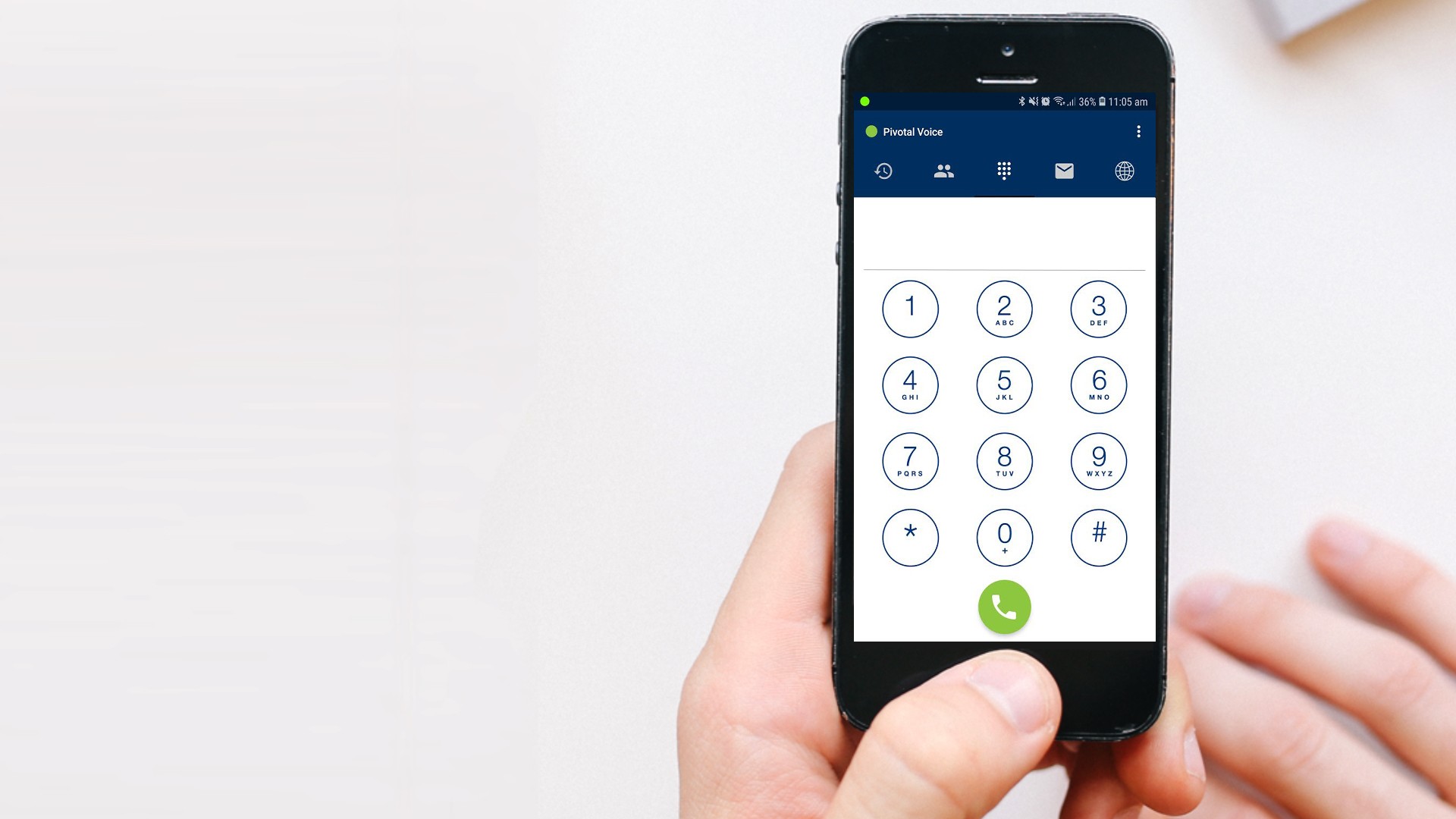
Beyond the main number, you may need to route a call to a specific desk or department, which is where an extension on a phone number becomes useful. On an iPhone, build this directly into a contact by tapping Edit, selecting the phone number, and using the keypad's +*# button to insert a pause (a comma) or a wait (a semicolon) before the extra digits. The wait option is particularly handy because your screen will show a "Dial extension" button when the automated system picks up, letting you tap once instead of keying digits manually. On Android, add a 2-second pause or a wait using the options available in the dialer when entering a number. When you see "ext" mean in a phone number written out, it signals those trailing digits that connect you past the main greeting, and knowing how to program them saves you from listening to the same menu prompts repeatedly. If you have ever wondered what does "ext" mean in a phone number.
The same keypad that handles extensions also translates words into numbers when you need to enter telephone number with letters. A vanity string like FLOWERS simply maps to the corresponding digits on the standard dial pad, and you will want to read the article on how to enter telephone number with letters to master this technique. If you need to add letters in phone number to a contact, type the actual letters and your phone handles the conversion automatically when dialing; the guide on how to add letters in phone number shows you the exact steps for any device.
Phone number lengths by country
When you are trying to spot whether a local number looks complete, the expected length is one of the quickest checks you can make, though this length shifts dramatically at each border. A standard UK mobile number digit count sits at 11 digits in its national form with the leading trunk code, but strip away that initial zero and you are left with a 10-digit significant number behind the +44 country code; checking this count is essential when validating user input for UK mobile services, which is exactly why you would want the article on the UK mobile number digit count. Across the Channel, the German phone number digit count is even more fluid, with domestic mobile numbers typically stretching between 11 and 12 digits including the leading 0; treat that range as a guideline rather than a fixed rule, and consulting that resource will prevent you from incorrectly flagging a legitimate number as invalid, which is the reason you would read the article on the German phone number digit count. Shifting to South Asia, the Bangladesh mobile number digit count follows a tighter structure, giving you 11 digits in the common domestic format that starts with 01, while the same number shortens to 10 digits when you replace the leading zero with the +880 nation code. These differences are exactly why assuming every long string belongs to a mobile backfires, because a German landline can easily match the length of a British mobile and only the local numbering plan tells you which is which.
- Bangladesh mobile number digit count
- British phone number digit count
- German phone number digit count
- UK mobile number digit count
Special numbers and what they signify
Some sequences are set aside for functions that have nothing to do with reaching a specific subscriber, so bookmark these codes because you will use them.
The most familiar short codes operate outside the normal geographic plan entirely. The three-digit sequence 911 is universally routed to emergency services. The same documents that define its special status do not record when was 911 phone number created, confirming only its nationwide use for that purpose rather than a launch date. Arrive at this number whenever you need police, fire, or medical help immediately.
Dial 611 to connect to your carrier for account or repair help. The official designation for what does 611 phone number signify is used broadly by carriers for repair service, and every network honors this practical carve-out without a formal subscriber assignment. Use this number when your bill looks wrong or your signal drops.
This same “unassigned” label is the key to understanding what does unallocated phone number mean in these records: a code that is not mapped to a regular geographic line, even though the sequence may be reserved and fully functional for a specific public or carrier service.
Getting and managing a second number
Adding a second line starts with how you actually want to use it, and the setup path differs sharply between a full separate account and a service that lets you share a phone number across your existing devices, which is why you would want the article on how to share a phone number to understand the exact steps for granting access without issuing a new line. If your goal is to answer calls and texts from a tablet, laptop, or spare phone without handing out a new string of digits, the DIGITS app is built for exactly that. Sign in with your T-Mobile ID, then navigate to the line permissions settings to grant a specific line to another ID or accept a shared line yourself. The most common point of confusion is eligibility, because line sharing in the permissions menu is only available for DIGITS Talk & Text lines, while standard voice lines can only be assigned to the Primary Account Holder's T-Mobile ID or to a T-Mobile ID registered with the line on myT-Mobile.com.
What T-Mobile digits used for in practice extends well beyond a single backup device, supporting up to five numbers on one handset and one number ringing on multiple devices regardless of operating system, and you would want the article on what T-Mobile digits are used for to see how this feature separates work from personal calls or unifies team communication. This makes it a fit for separating a privacy line from a main contact or giving a small team a single point of contact without a separate handset for each person. Open the web client at mydigits.t-mobile.com, click the Assigned tab, pick the line, and choose whether to add yourself or share it with someone else by email, even if that person is not a T-Mobile customer. When you are looking for a second number on a carrier outside that ecosystem, the path is less centralized. A Consumer Cellular telephone number functions as a standard line tied to your account, and you would want the article on what a Consumer Cellular telephone number is to understand why it behaves like a primary line rather than a virtual extension, so do not look for a software permission to toggle.
How phone numbers look around the world
When you save a contact or read a number on a business card, the string of digits you see is shaped entirely by where you are standing when you dial it. A local call inside Lagos might look short and simple, but that same line written for someone calling from abroad gains a plus sign and the 234 area code in Nigeria, instantly turning into an international-format number that starts with +234. The shift is not cosmetic; it tells the network to route the call across borders instead of treating it as a domestic connection.
You encounter a parallel transformation when you see what does a russian phone number look like in its full international form. The nation code +7 sits at the front, followed by a ten-digit national number. Mobile operators often group this as +7 9XX XXX XX XX, while landlines inside Russia pad the same +7 prefix with a regional area code, which can make the total length feel unfamiliar if you are used to counting digits on a North American handset. These patterns follow the E.164 framework that caps the entire number at fifteen digits, which is why a German landline can stretch longer than you expect and still be perfectly valid.
Open your phone’s keypad and type the plus symbol first, then enter the destination’s nation code immediately after it, dropping the leading zero that appears in most domestic formats. A London landline written as 020 7946 0000 becomes +44 20 7946 0000, and a Mumbai mobile written as 098765 43210 becomes +91 98765 43210. Type the number into your contacts exactly this way, and your handset will dial correctly from any location without forcing you to edit the entry later.
Memorize the handful of nation codes that matter to your business. The United States and Canada share +1, Mexico uses +52, Brazil uses +55, the United Kingdom uses +44, Germany uses +49, India uses +91, China uses +86, Japan uses +81, and Australia uses +61. Bookmark the full E.164 registry on the ITU website for every other destination, and check it before you dial a new market for the first time.
Recognize the three-part structure that every connected number follows: the nation code sits first and can be one, two, or three digits long, the area or mobile prefix comes next, and the subscriber number closes the sequence. Count the total digits after the nation code; the sum must never exceed fifteen when you include the nation code itself. Truncate nothing and pad nothing, because the network will reject the call if you break this rule.
Distinguish between geographic and non-geographic prefixes before you budget for the call. A geographic prefix ties the handset to a physical exchange in a specific city, while a non-geographic prefix points to a mobile operator, a toll-free service, or a premium-rate platform. Look up the prefix category on the regulator’s site for that territory. A call to a mobile in Brazil costs more than a call to a São Paulo landline, and a call to a shared-cost prefix in Germany rings through but adds a surcharge that your carrier will pass to you. Know the difference before you dial.
Handle the North American Numbering Plan as a single dialing zone. Dial +1 followed by the ten-digit number, and the network routes the call by area code, ignoring the geographic distance. The rate your carrier charges may still look like an international call, so check your plan’s fine print for Canada and Mexico specifically.
Dial a mobile number inside the European Union with the full international format even when you are standing in the same city. The +33 for France or +39 for Italy tells the network to look for a GSM handset, so the call completes faster and the call log on the recipient’s phone shows your number correctly with the nation code intact. This habit saves you from failed connections when you cross a border later that same day, since your phone will not drop the call mid-sentence if you have already trained it to use the global format.
Watch for variable-length area codes when you dial into Western Europe. Germany assigns two-digit codes to major cities like Berlin and five-digit codes to smaller towns, and the subscriber number shrinks to keep the total length within the E.164 limit. Italy does the same: the Milan code is 02, while a Sicilian town may carry a four-digit code. Never guess the split point; look up the exact prefix on the national regulator’s site for that territory and type the number exactly as the regulator publishes it.
Expect a ten-digit national number after the +7 when you call the Russian Federation. Mobile numbers begin with the digit 9, and the second digit identifies the operator group, with MTS, Beeline, MegaFon, and Tele2 each occupying specific ranges. Landlines carry a regional code that can run three to five digits, and the subscriber number fills the remaining space. A Moscow landline starts with +7 495 or +7 499, while a mobile in any region starts with +7 9XX. Dial the full sequence and do not drop the operator prefix.
History, trivia, and what happens to old numbers
When people trace the earliest phone numbers, they often stumble into a completely different kind of curiosity: the telephone number song origins. Every disconnected number eventually drifts back toward the carrier’s pool, and the phone number recycling waiting period depends entirely on where you live and which provider holds the block. In Australia, the ACMA documents that a number may be reassigned to someone else after disconnection, while a separate carrier help page for Simple Mobile shows a window where support can still check whether the old number remains unassigned after a period of inactivity. There is no guarantee it will stay there, and no official source documents a universal waiting period or a settings menu on iPhone or Android that lets a subscriber see the recycle timer. The practical rule is simple: if you want to keep a number, do not let it lapse.
Frequently Asked Questions
What does a comma mean in an iPhone contact phone number?
A comma inserts a pause before the extension digits dial. You add it by tapping the +*# button while editing a contact's phone number, then selecting pause, which enters a timed delay before the extra digits.
How many digits does a UK mobile number have without the zero?
A UK mobile number has 10 digits as the significant number behind the +44 country code. The national format includes a leading zero and runs 11 digits total, but that trunk prefix gets dropped when dialing internationally.
How do I share my T-Mobile line with another device?
Sign into the DIGITS app with your T-Mobile ID, go to Settings > Advanced Options > Line permissions, select the line, and share it with the T-Mobile ID that needs access. On desktop, use mydigits.t-mobile.com instead.
What does the wait option do when dialing an extension on Android?
Wait pauses dialing and shows a button on screen when the automated system answers, letting you tap once to send the extension digits. You add it by tapping the vertical ellipsis next to the entered number and selecting wait.