




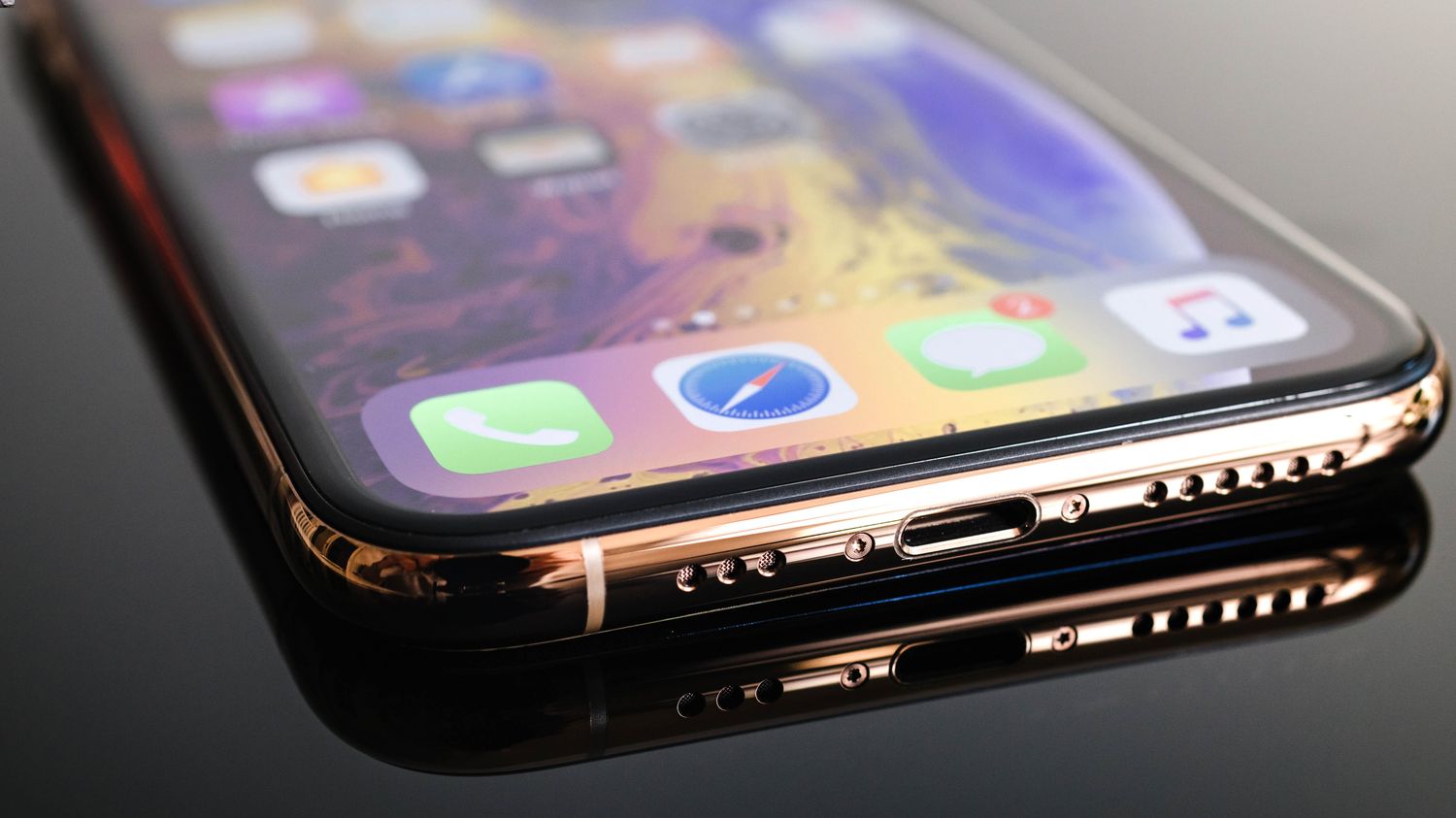
To get water out of the microphone on an iPhone 11, Apple's only documented method is to place the device speaker side down on a lint-free cloth and let gravity draw the liquid out. This is the sole official guidance for water damage and liquid removal in iPhone speakers and microphones, and it relies on patience and evaporation rather than active removal techniques. For a complementary software-based approach that uses sound frequencies to help expel water, see the article on the water eject shortcut for iPhones.
How to get water out of microphone iPhone 11: Apple's only documented method
After accidental liquid exposure, water in the microphone port can degrade performance until it evaporates completely. Apple's retrieved support page provides one specific step for this scenario, applicable to iPhone 7 and later models, including the iPhone 11. No other methods, such as shaking, vacuuming, or using rice, are documented by Apple for this issue.
Step 1: Power off your iPhone 11 immediately
Turning off the device immediately prevents electrical short circuits that can occur when water bridges connections on the logic board. Power off your iPhone immediately to prevent any electrical damage before shaking or drying. This step also stops any power from flowing through the microphone component, giving the drying process the best chance to work without causing permanent damage.
Step 2: Place the iPhone speaker side down on a lint-free cloth
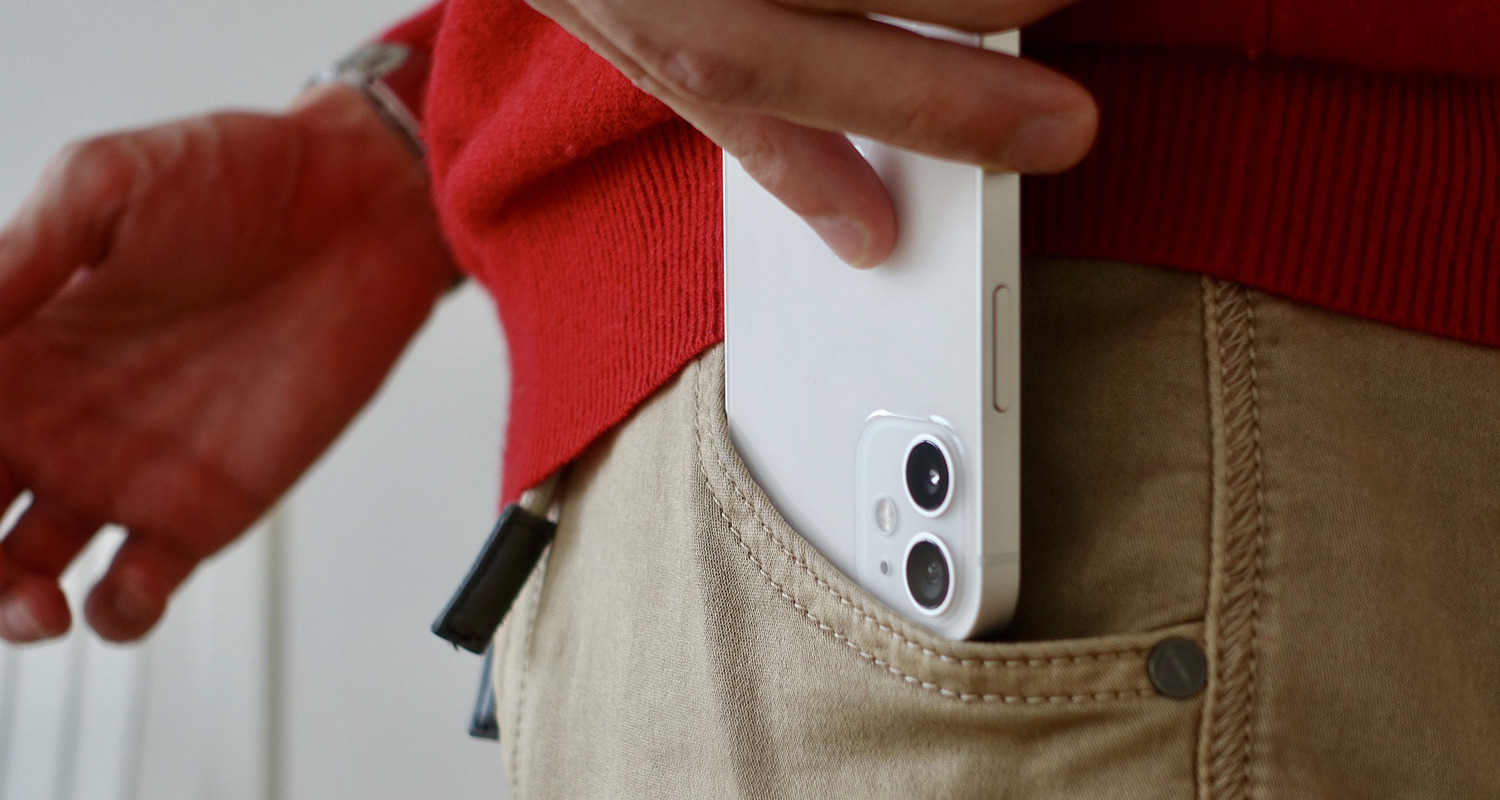
Apple's exact documented step is to position the iPhone with the speaker facing down on a clean, lint-free cloth. This orientation allows gravity to draw water out of the microphone and speaker ports. The cloth should be lint-free to prevent fibers from entering the ports and causing additional issues.
Step 3: Let the water evaporate completely
Apple states that water in the port degrades microphone and speaker performance until it fully evaporates. This process requires patience, do not rush it with heat sources like hair dryers or microwaves, as these can damage internal components.
What not to do: methods Apple does not recommend
Gently shake the device in a downward motion, directing water away from the microphone port. Use a vacuum cleaner on a low setting with a small nozzle attachment near the microphone opening, without direct contact. Place the iPhone 11 in a sealable bag or container with several silica gel packets for 24-48 hours, ensuring the device is completely surrounded. Submerge the iPhone 11 fully in a bowl or bag of uncooked rice for at least 48 hours. Shaking can spread liquid deeper into the device, vacuum suction may damage delicate mesh covers, silica gel packets are not designed for this application, and rice can leave starch residue in ports. Stick to Apple's documented approach: gravity and evaporation.
Frequently Asked Questions
Which iPhones does this guidance cover?
Apple's retrieved support page applies to iPhone 7 and later models, which includes the iPhone 11. This means the same drying method works for any iPhone from the iPhone 7 onward.
Does Apple mention the microphone specifically?
Yes. Apple says water in the port can degrade speaker or microphone performance until it completely evaporates. The guidance addresses both components because the same ports handle audio output and input.
What if the microphone still doesn't work after drying?
If the microphone remains non-functional after following Apple's drying steps, seek professional repair. Water damage can lead to muffled or distorted audio, or complete microphone failure. Persistent issues may indicate corrosion or internal damage that requires specialized tools and service to address.