




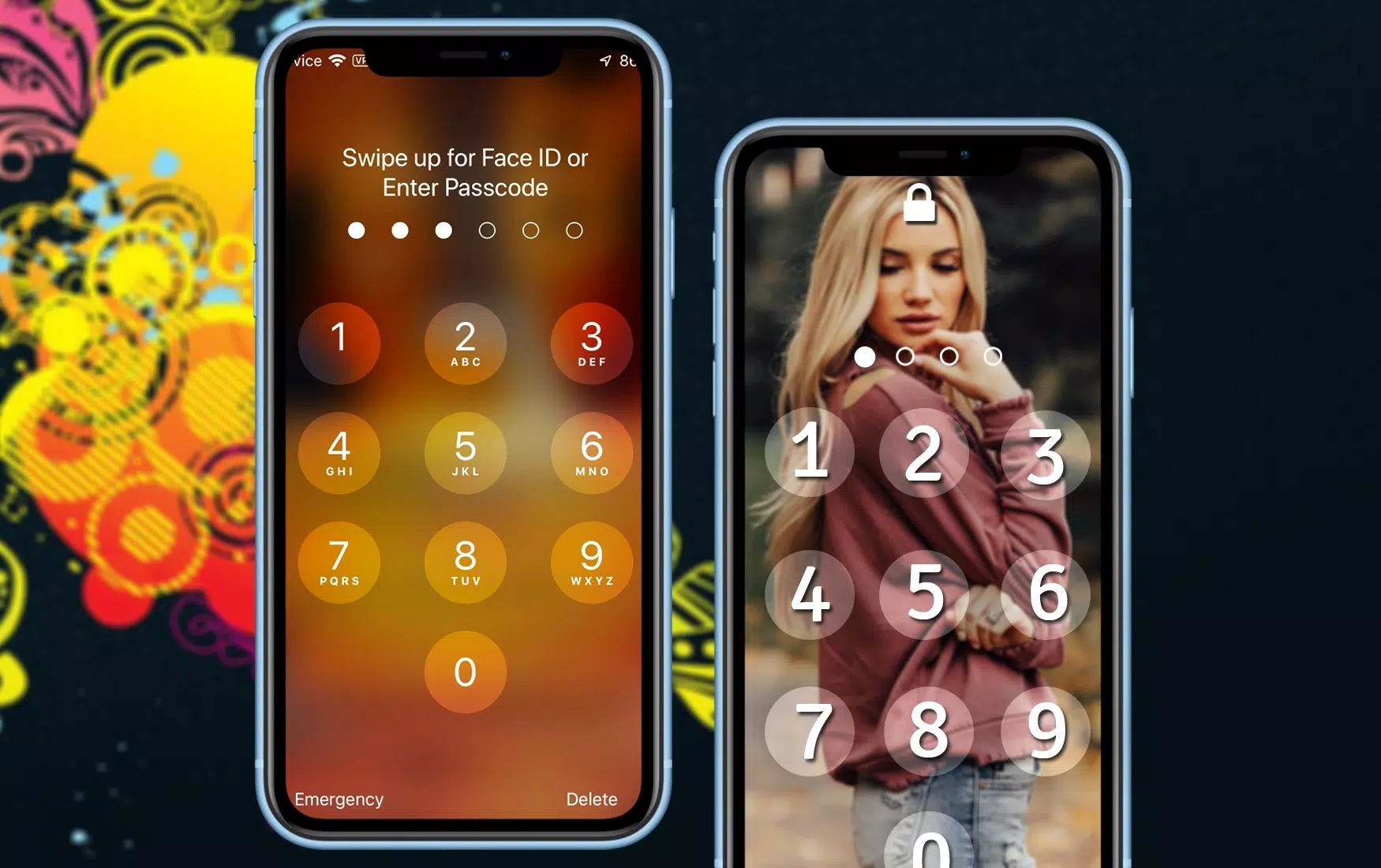
To set up a screen lock on iPhone 11, open Settings > Face ID & Passcode and tap Turn Passcode On. This creates a six-digit passcode by default, which is the first step to securing your device with Face ID or a passcode.
Setting up a Passcode
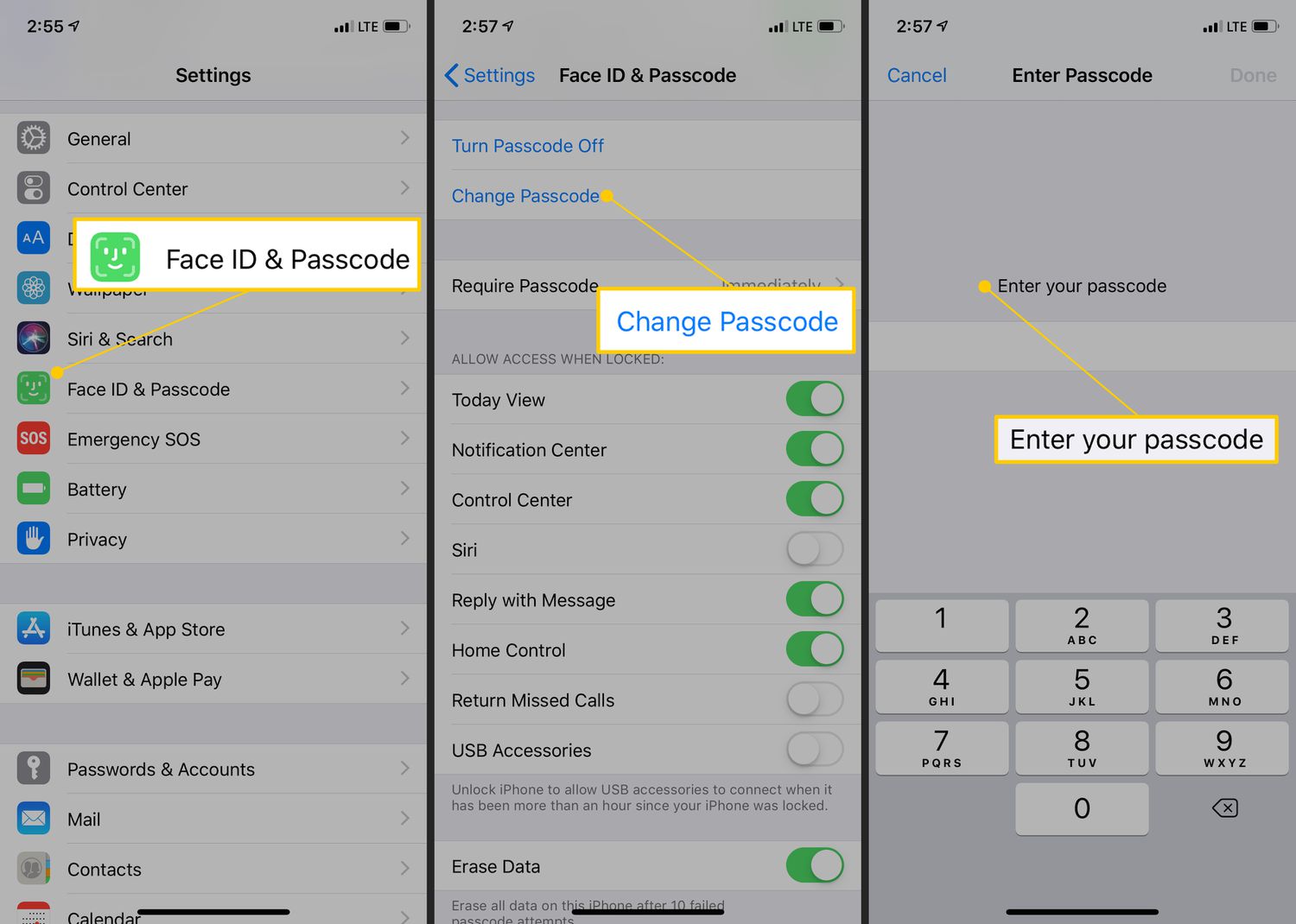
On iPhone 11, go to Settings > Face ID & Passcode. If you haven’t set a passcode yet, tap Turn Passcode On. You’ll be asked to enter a six-digit passcode. For other options, tap Passcode Options to choose a Four-Digit Numeric Code, a Custom Numeric Code, or a Custom Alphanumeric Code. After entering and confirming your passcode, your screen lock is active. To change an existing passcode, return to Settings > Face ID & Passcode, tap Change Passcode, and follow the prompts.
Setting up Face ID on iPhone 11
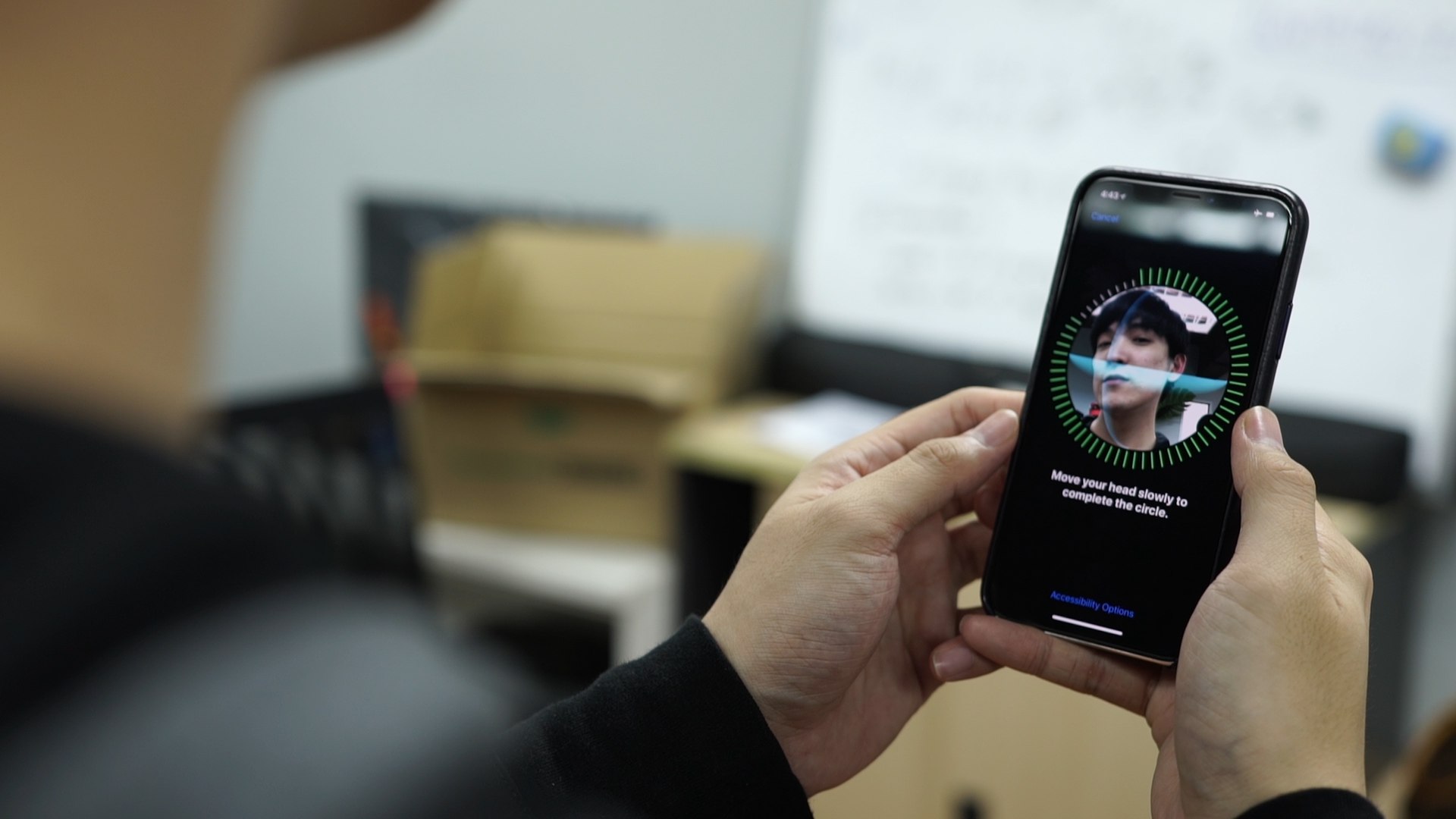
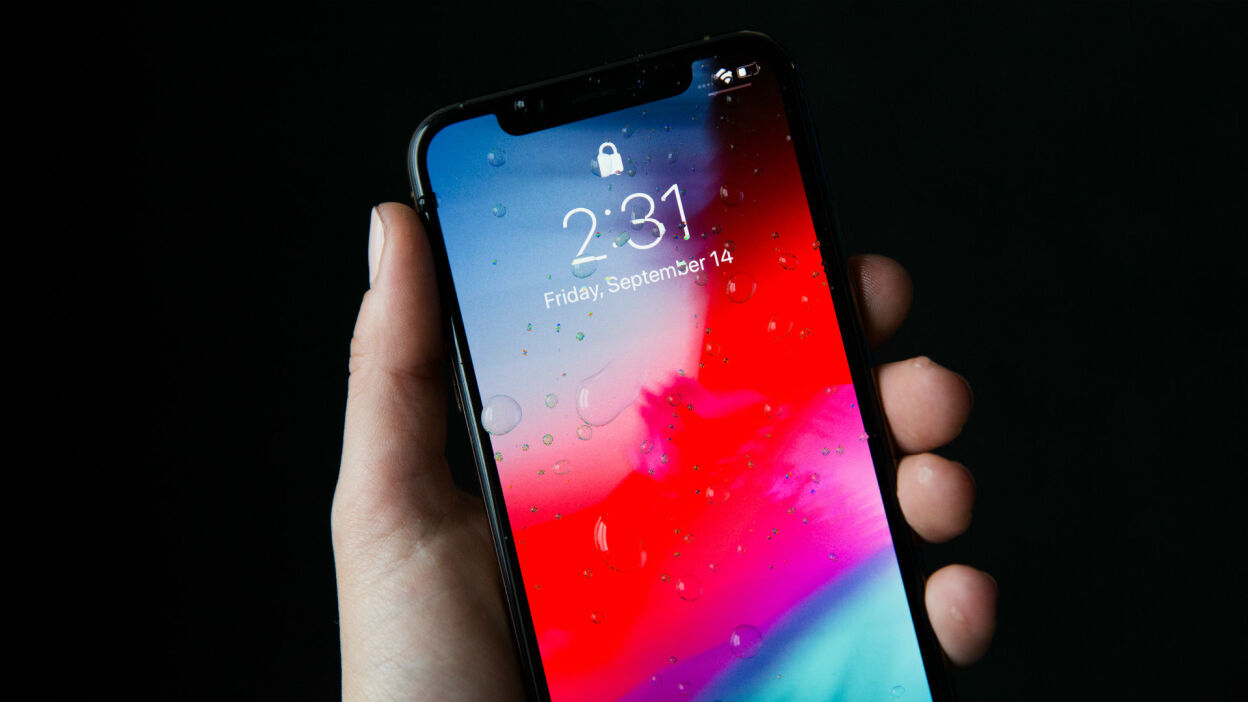
After setting a passcode, enroll your face in Settings > Face ID & Passcode. Tap Set Up Face ID and follow the on-screen instructions to scan your face. Once enrolled, Face ID unlocks your iPhone 11 with a glance, just raise the phone and look at the screen. The TrueDepth camera maps your facial features, and the lock icon animates when recognition succeeds. Face ID also works for Apple Pay purchases, app authentication, and password autofill in Safari. Face ID is designed to adapt to changes in your appearance over time, such as growing a beard, wearing glasses, or aging.
When your iPhone 11 asks for the passcode instead of Face ID
Apple requires the passcode in specific situations for security. These include: after restarting the iPhone, after more than 48 hours without unlocking, after five failed Face ID attempts, when the device is in power reserve mode, when a remote lock command is received, and when setting up Face ID or a new passcode. In these cases, you must enter your passcode manually before Face ID works again.
Enabling Auto-Lock to lock your screen automatically
To set your iPhone 11 to lock after inactivity, go to Settings > Display & Brightness > Auto-Lock. Choose a time interval from the available options. Shorter intervals improve security by locking the screen sooner, while longer intervals offer convenience. The setting balances how quickly your screen locks when idle against how often you need to unlock it.
Screen lock on Android: a quick comparison
If you’re switching from Android, the setup process differs. On Android, the documented path is Settings > Security (on Google Help) or Settings > Security & privacy (on newer Android guidance). Samsung devices may use Settings > Lock Screen > Secure Lock Settings or Settings > Lock Screen and Security > Screen lock type, depending on the version. Unlike iPhone 11, which uses Face ID exclusively, Android phones often offer fingerprint, face, or pattern unlock, but the core idea of a screen lock for privacy screens and screen locking methods is the same across platforms. Note that iPhone 11 does not support Touch ID, so if you previously used a fingerprint scanner, you’ll adapt to Face ID instead. For reference, if you wanted to setup fingerprint on iPhone 13, that model also lacks Touch ID and relies on Face ID. You can add multiple fingerprints to allow trusted individuals to access your device (on Touch ID models).
Frequently Asked Questions
Does iPhone 11 have Touch ID?
No. Apple lists iPhone 11 as a Face ID model, not a Home button model. It does not support Touch ID. iPhone 11 does not support both Face ID and Touch ID simultaneously; you can choose either Face ID or Touch ID for screen lock, but not both at the same time.
How do I change the passcode on iPhone 11?
Go to Settings > Face ID & Passcode, enter your current passcode, then tap Change Passcode. You can set a new passcode and choose a different type under Passcode Options.
Where do I set Auto-Lock on iPhone?
Open Settings > Display & Brightness > Auto-Lock. Select a time interval for the screen to lock automatically after inactivity.
What should I do if I forget my iPhone 11 passcode?
You can reset it using your Apple ID and iCloud, or restore the device to factory settings using iTunes. Restoring erases all data, so regular backups are essential to avoid loss.
Can I use a custom alphanumeric passcode on iPhone 11?
Yes. When setting or changing your passcode, tap Passcode Options and choose Custom Alphanumeric Code to create a passcode with letters and numbers for added security.
Related reading: How Do I Set Up Face ID On IPhone 13.