




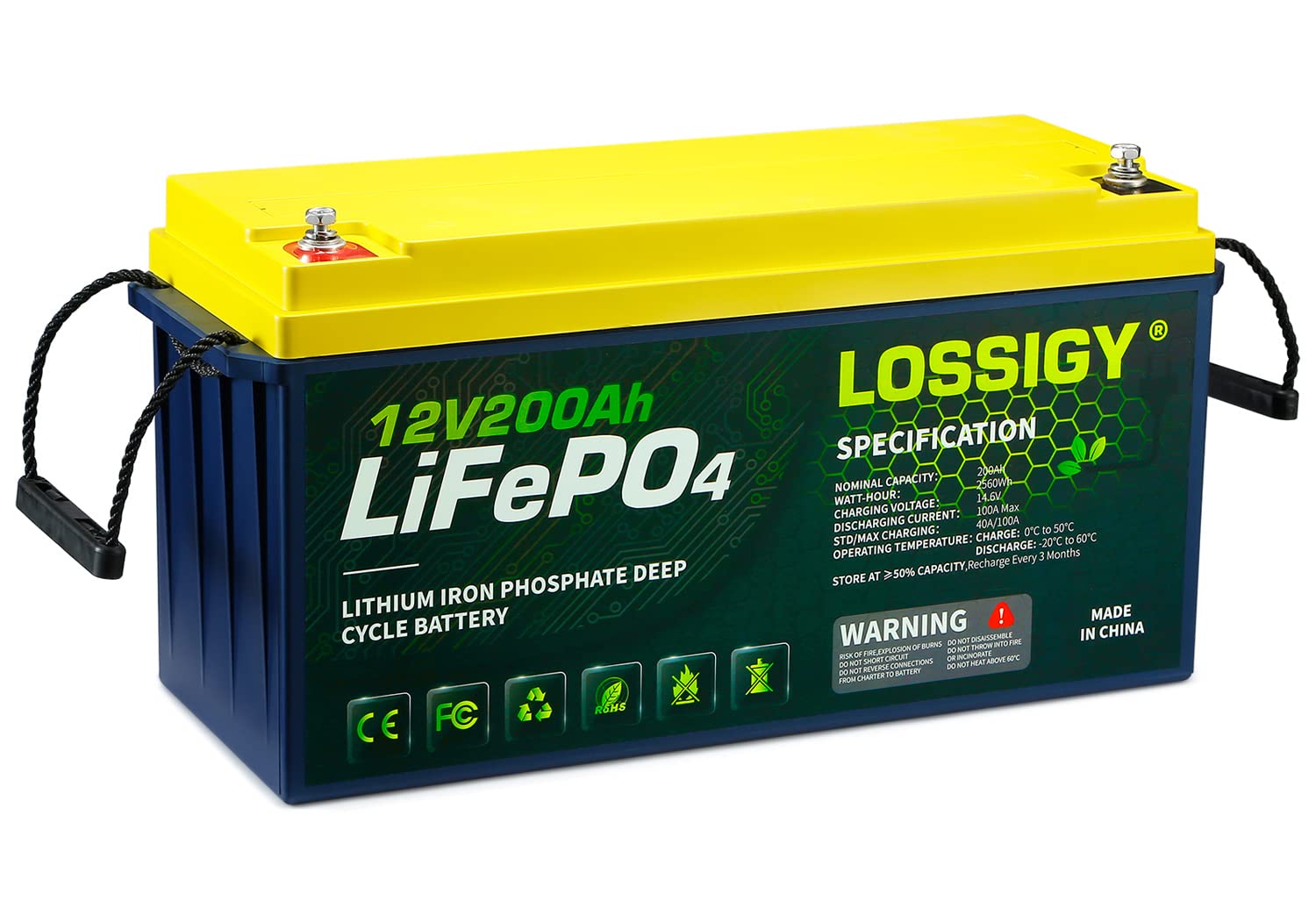
A LiFePO4 battery, short for lithium iron phosphate, is a specific type of lithium-ion rechargeable battery that uses lithium iron phosphate as the cathode material. This chemistry makes it one of the safest and longest-lasting members of the lithium-ion family, though it is heavier and bulkier than other types.
What is a LiFePO4 battery?
LiFePO4 stands for lithium iron phosphate, a cathode material used in a specific subtype of lithium-ion battery. While all lithium-ion batteries share a similar operating principle, moving lithium ions between electrodes during charge and discharge, the cathode chemistry defines their performance. LiFePO4 batteries are part of this broader family, distinguished by their stable olivine crystal structure, which provides exceptional thermal and chemical stability.
How LiFePO4 batteries compare to other lithium-ion types
The primary differentiators of LiFePO4 batteries versus other lithium-ion chemistries (such as lithium cobalt oxide or lithium nickel manganese cobalt) are safety, cycle life, and energy density. LiFePO4 batteries have a lower energy density, meaning they are heavier and bulkier for the same capacity. However, they offer superior safety and thermal stability, with a dramatically lower risk of thermal runaway or fire. They also provide a much longer cycle life, often exceeding 2,000 charge-discharge cycles. A common misconception is that LiFePO4 is not a lithium-ion battery; in reality, it is a specific, safer type of lithium-ion battery.
Benefits of LiFePO4 batteries
LiFePO4 batteries deliver a long cycle life, often lasting thousands of cycles before significant degradation. Their enhanced safety comes from a low risk of thermal runaway, even under stress. They operate across a wide temperature range, are made from eco-friendly materials without heavy metals like lead or cobalt, and have a low self-discharge rate, retaining charge for months when not in use. They have a slower self-discharge rate, retaining charge for extended periods when not in use, which is useful for infrequently used devices or during travel. They also provide consistent power output throughout the discharge cycle. LiFePO4 batteries can be customized to meet specific power requirements and are available in different sizes, voltage options, and configurations. Look for safety features provided by the battery manufacturer, such as built-in protection circuits, overcharge protection, and over-discharge protection.
Disadvantages and limitations
The primary disadvantage of LiFePO4 batteries is their lower energy density compared to other lithium-ion chemistries. This makes them heavier and bulkier for the same energy storage capacity, which can be a limiting factor in applications where weight and space are critical, such as compact consumer electronics.
How to charge a LiFePO4 battery correctly
LiFePO4 batteries require a dedicated charger designed for their chemistry. The charging process uses a Constant Current (CC) phase followed by a Constant Voltage (CV) phase. For a 12V LiFePO4 battery, the ideal charging voltage is typically 14.2-14.6V; for a single 3.2V cell, it is between 3.50V and 3.65V. Charging must occur within an optimal temperature range of 0°C to 45°C (32°F to 113°F), as charging below freezing can cause permanent capacity reduction. When selecting a LiFePO4 battery, consider whether it comes with an integrated Battery Management System (BMS) or if a separate BMS is needed to prevent overcharging, over-discharging, and ensure balanced cell voltages.
Discharging and maintenance best practices
To maintain optimal performance and prolong lifespan, avoid discharging LiFePO4 batteries below 20% State of Charge (SOC). For storage, keep the battery at a partial charge (around 50% SOC) in a cool, dry environment. Following these practices helps maximize the already long cycle life of the battery.
Common applications of LiFePO4 batteries
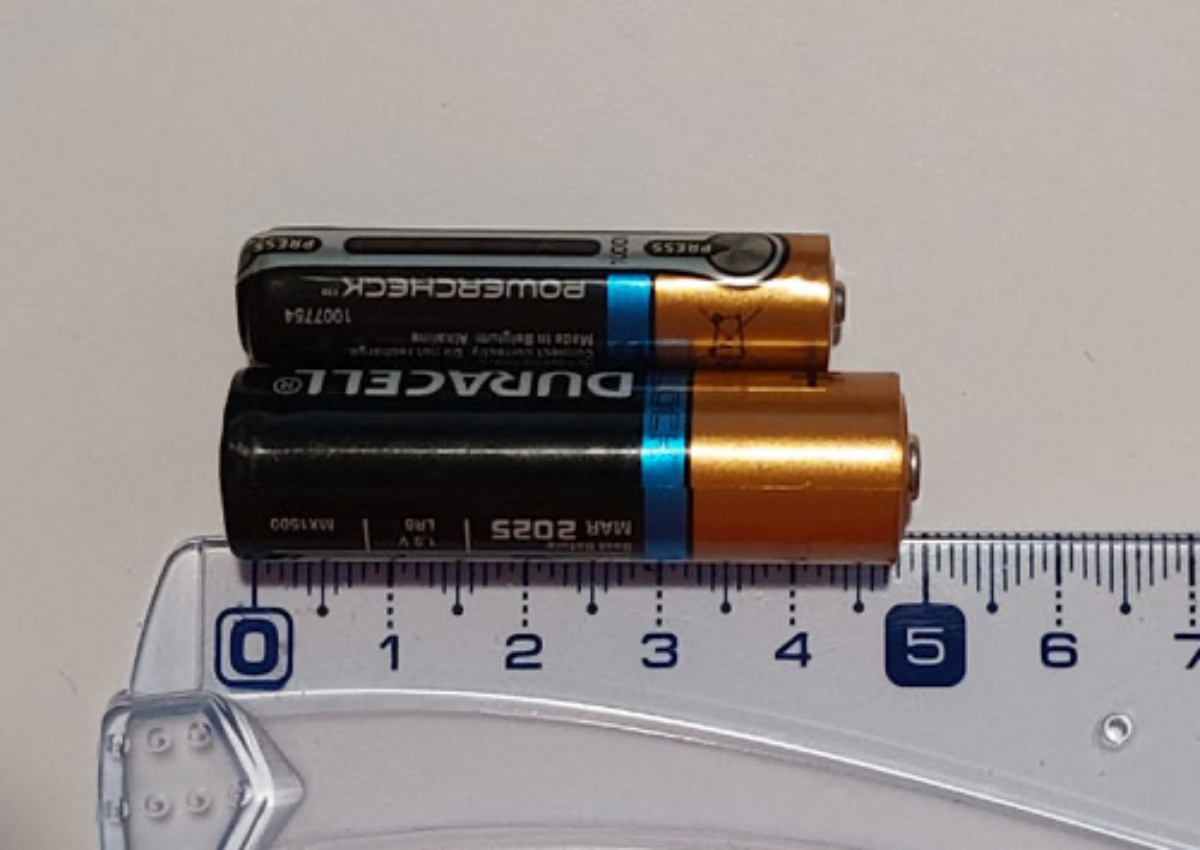
LiFePO4 batteries are widely used in electric vehicles, solar and renewable energy storage systems, marine and RV applications, backup power systems, medical devices, power tools, off-grid energy systems, e-bikes, and telecom backup power for cell towers. Their safety, longevity, and consistent performance make them ideal for these demanding roles. If you are comparing battery sizes for smaller devices, you may also want to review AA and AAA battery specs to understand how LiFePO4 cells differ from standard primary batteries.
Frequently Asked Questions
What does LiFePO4 stand for?
LiFePO4 stands for lithium iron phosphate, which is the chemical compound used as the cathode material in this type of battery.
How does a LiFePO4 battery work?
During charging, lithium ions move from the lithium iron phosphate cathode through an electrolyte to the anode, storing energy. When discharging, the ions move back to the cathode, releasing electrical energy to power a device.
What are the advantages of Lifepo4 batteries?
LiFePO4 batteries offer higher energy density in a compact size, fast charging capability, and are suitable for renewable energy storage systems.
Are LiFePO4 batteries safe for use in homes?
Yes, LiFePO4 batteries are considered very safe for home use due to their stable chemistry and low risk of thermal runaway. They are commonly used in home solar energy storage and backup power systems.
Can I use a regular lithium-ion charger for a LiFePO4 battery?
No, you should use a dedicated LiFePO4 charger. Regular lithium-ion chargers may have different voltage setpoints and charging algorithms that can damage the battery or reduce its lifespan.
What is the lifespan of a LiFePO4 battery?
This is significantly longer than most other lithium-ion chemistries.
For the wider topic, see AA and AAA battery specs.